
Contents
Introduction & Spiritual Essence
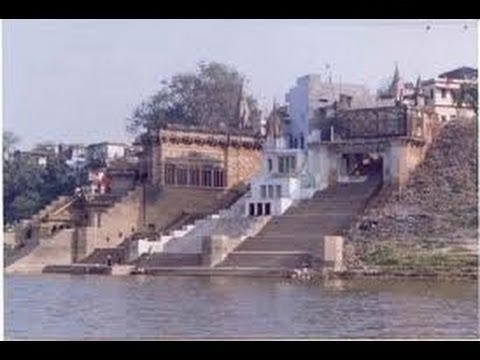
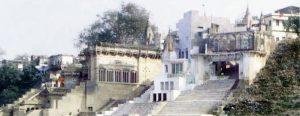
Perched on the sacred banks of the holy Ganga River in Mirzapur, Uttar Pradesh, the Vindhyachal Temple stands as one of the most revered Sakti Peethas in India. The primary deity worshipped here is Mata Vindhyavasini, a fierce and benevolent form of the Goddess Shakti. The name “Vindhyavasini” translates to the “Resident of the Vindhya Range,” signifying her eternal presence in these ancient hills.
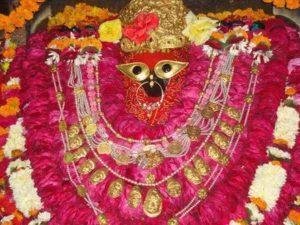
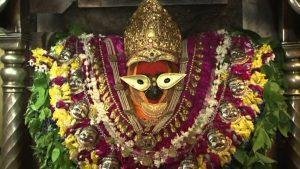
According to the Markandeya Purana and the sacred text Durga Saptashati, Vindhyavasini Devi is the Swayambhu (self-manifested) form of the Goddess who incarnated to slay the demon Mahishasura. Unlike constructed idols, the murti here is believed to have appeared naturally from the earth, radiating immense spiritual energy.
Phalaśruti: The Benefits of Darshan
Devotees flock to this temple not merely for blessings but for the purification of ancestral karma. Tradition holds that a single visit to Vindhyachal washes away sins and grants Moksha (liberation). Specific benefits cited in local lore include:
- Removal of Graha Dosha: Seeking relief from planetary afflictions.
- Ancestral Peace: Performing rituals to calm the spirits of ancestors.
- Instant Boon Granting: Devi Vindhyavasini is known as the “Instant Bestower of Benediction,” fulfilling the sincere wishes of her devotees.
Historical Origins & Scriptural Legend
While the exact date of construction remains shrouded in antiquity, temple records and historical analysis suggest the temple structure has evolved over centuries, influenced by various dynasties including the Guptas and the medieval rulers of the region. The temple complex, as it stands today, has undergone significant renovations to accommodate the influx of pilgrims while preserving its ancient sanctity.
Scriptural References:
The temple is deeply rooted in the Markandeya Purana, where Devi Vindhyavasini is glorified as the slayer of demons. The Sthala Purana (local oral legend) narrates that the Goddess chose the Vindhya hills as her abode to protect the region from evil forces. It is also believed that the Indian Standard Time (IST) line historically passed through the Vindhyachal railway station, adding a unique geographical significance to this spiritual center.
Architectural Marvels
The architecture of the Vindhyachal Temple complex is a blend of ancient Nagara style elements adapted to the rugged terrain of the Vindhya hills. The main shrine is built using traditional stone and lime mortar, typical of the region’s heritage.
Key architectural features include:
- The Sanctum (Garbhagriha): Housing the self-manifested idol of Vindhyavasini Devi, the inner sanctum is designed to trap the energy of the deity, creating a palpable vibration of devotion.
- The Mandapas: The temple features spacious pillared halls used for religious gatherings and rituals, particularly during the Navratras.
- Notable Sculptures: The exterior walls and the surrounding complex feature intricate carvings depicting scenes from Hindu mythology, specifically the Durga Saptashati.
The temple is located in close proximity to the Kali Khoh (another sacred cave shrine), creating a spiritual architectural circuit within the town.
Darshan & Ritual Logistics
Visitors should note that the temple follows a strict ritual schedule. Below are the standard daily timings, though these may vary slightly during festivals.
| Session | Timings | Activity |
|---|---|---|
| Morning | 4:00 AM – 1:00 PM | Mangala Aarti, Darshan, Midday Puja |
| Afternoon | 1:00 PM – 4:00 PM | Temple Cleaning & Rest Period (Inner Sanctum Closed) |
| Evening | 4:00 PM – 10:30 PM | Sandhya Aarti, Shayan Darshan |
Key Sevas and Online Booking
Popular rituals include the Abhishekam (ritual bathing of the deity) and Archana (recitation of names). While many rituals are performed on-site, the temple management has been digitizing processes.
For 2026 Pilgrims: It is highly recommended to check the official temple website or the Uttar Pradesh Tourism portal for the “online seva booking” status. Due to high footfall, pre-booking for special darshan during Navratras is essential.
Festival Calendar for 2026
- Chaitra Navratri (Spring): March 30 – April 7, 2026. (Major congregations and special Yagnas).
- Ashwin Navratri (Fall): October 15 – October 23, 2026. (The busiest period of the year).
- Kajali Competition: Usually held in the month of Jyestha (June). Specific date for 2026 to be confirmed by the local temple committee.
Practical Visitor Guidance
To ensure a serene pilgrimage experience, please adhere to the following guidelines:
- Dress Code: Traditional attire is preferred. Men should wear dhotis or pants with shirts (avoid shorts). Women should wear sarees, salwar kameez, or long skirts. Modesty is strictly respected.
- Photography: Photography is strictly prohibited inside the inner sanctum (Garbhagriha). Photography in the outer complex may be allowed without flash, but visitors should seek permission from temple guards.
- Mobile Lockers: Due to security protocols, mobile phones and leather bags are not allowed inside the temple. Free lockers are available near the entrance, but queues can be long. It is best to leave valuables at your hotel.
- Accessibility: The temple involves climbing steps as it is situated on a hill. There is a ropeway service available (Vindhyachal ropeway) for elderly pilgrims to reach the upper hill areas, though the main Vindhyavasini temple is accessible by foot/vehicle from the base town.
Crowd Management & Seasonal Advice
Best Hours: The ideal time for darshan is between 6:00 AM – 8:00 AM or between 5:00 PM – 7:00 PM to avoid the intense midday crowds.
Seasonal Tips:
• Summer (April-June): Mirzapur gets extremely hot. Carry a water bottle (refill stations are available), a cap, and cotton clothes. Hydration is crucial.
• Winter (November-February): Mornings and evenings are cold. Carry a light jacket or shawl.
Pilgrimage Connectivity
Vindhyachal is strategically located on the Grand Trunk Road axis, making it well-connected by air, rail, and road.
By Air
The nearest airport is Lal Bahadur Shastri International Airport in Varanasi (Babatpur), located approximately 72 kilometers from the Vindhyavasini Temple. Taxis and cab services are readily available at the airport.
Note on Road Conditions: The State Highway 5 connecting NH 2 to Shastri Bridge has historically been in poor condition, making the 19-25 km drive time-consuming. Travelers should account for potential delays. Sufficient UPSRTC (Uttar Pradesh State Transport) buses are available from Varanasi and Allahabad.
Frequently Asked Questions (FAQ)
1. Is there a VIP darshan entry available?
Yes, the temple committee offers a “Special Darshan” pass for a nominal fee, which allows pilgrims to skip the general queue during peak hours. These can be obtained at the administrative counter near the temple entrance.
2. What is the significance of the Kali Khoh temple?
Kali Khoh is a sacred cave temple dedicated to Goddess Kali, located just 2 km from the Vindhyavasini Temple. It is believed that the Goddess Kali here is a self-manifested idol and visiting both temples completes the spiritual circuit of Vindhyachal.
3. Are there accommodation facilities available nearby?
Yes, Vindhyachal offers a range of accommodations, from budget guest houses to mid-range hotels. The ITDC (India Tourism Development Corporation) and private hotels near the river bank offer good views of the Ganga. It is advisable to book in advance during Navratri.
4. What is the best time of year to visit Vindhyachal?
The best time is from October to March. The weather is pleasant, and you can witness the grandeur of the Ashwin Navratri festival in October. Summers (April-June) are very hot, and monsoons (July-September) can cause occasional flooding near the river.
5. Is non-vegetarian food allowed in Vindhyachal?
No. Vindhyachal is a strictly vegetarian zone. No alcohol or non-vegetarian food is permitted within the temple town area.
| Date built: | – |
|---|---|
| Deity: | – |
| Architectural style: | – |
| Major festivals | – |
| Locale: | – |
| District:: | Mirzapur |
| Address: | – |
| Phone | – |
Vindhyachal pronunciation is a town in -District of Uttar Pradesh state in northern India. The city is a Hindu pilgrimage site having the temple of Vindhyavasini, who according to Markandeya Purana had incarnated to kill the demon Mahishasura. The detailed description has been given in ‘Durga Saptashati’ Chapter of Markandeya Purana. The river Ganga flows through this city. The Indian Standard Time (IST) line passes through the Vindhyachal railway station.
Architecture
Legend / Local stories
Vindhyachal 70 km. (one and a half hour drive) from Varanasi, is a renowned religious city dedicated to Goddess Vindhyavasini. Goddess Vindhyavasini is believed to be the instant bestower of benediction. Vindhyavasini Devi Temple is situated 8 km from Mirzapur, on the banks of the holy river Ganga. It is one of the most revered Siddhapeeths of the presiding deity, Vindhyavasini Devi. The temple is visited by large number of people daily. Big congregations are held during Navratras in Chaitra (April) and Ashwin (October) months. Kajali competitions are held in the month of Jyestha (June). The temple is situated just 2 km from the Kali Khoh.
Photo Gallery
Recent Posts

Shri Kaamkoteeshwar Mandir, Varanasi – History & Significance
In the heart of Kashi, the eternal city of Lord Shiva, where the Ganges flows with celestial grace, stands the Shri Kaamkoteeshwar Mandir. This sacred Sannidhi is not merely a temple but a profound spiritual bridge between the Northern…

ओ सांवरे तूने ही मुझको संभाला – Lyrics & Meaning
ओ सांवरे तूने ही मुझको संभाला – A Prayer to Shyam Origin & Spiritual Essence Why This Bhajan Resonates Devotees chant this when overwhelmed by life’s storms—the refrain ‘तूने ही मुझको संभाला’ is the soul’s sigh of relief: “You…

कथा ये है महाराज मेरे की – Lyrics & Meaning
कथा ये है महाराज मेरे की छत्रपति संभाजी महाराज – A Prayer to Chhatrapati Sambhaji Maharaj Origin & Spiritual Essence Why This Bhajan Resonates Devotees chant this when their spirit feels tested—its powerful refrain “महाराज मेरे” is a soul’s…

Rigveda Samhita Yathartha Anuvada (ऋग्वेद संहिता यथार्थ अनुवाद) – Complete Set with Anvayartha & Hindi/English Translation
The Rigveda is the oldest surviving scripture of humanity and the foundational text of Sanātana Dharma. For serious students, scholars, UPSC aspirants studying ancient Indian history, Sanskrit learners, and spiritual seekers, a precise and grammatically structured translation is indispensable.…

आना भी अकेला है जाना भी अकेला है – Lyrics & Meaning | BharatTemples
आना भी अकेला है जाना भी अकेला है – A Prayer to the Divine Witness Origin & Spiritual Essence Why This Bhajan Resonates Devotees turn to this bhajan in moments of deep reflection—when life’s attachments begin to ache. The…

माता शेरावाली के द्वार जो भी जाता है – Lyrics & Meaning
माता शेरावाली के द्वार जो भी जाता है – A Prayer to Maa Sherawali Origin & Spiritual Essence Why This Bhajan Resonates Devotees turn to this bhajan in times of fear or uncertainty—its promise that no one leaves Maa’s…

मार लेना सपणी उबार लेणा भवरा – Lyrics & Meaning
मार लेना सपणी उबार लेणा भवरा – A Prayer to the Divine Beloved Origin & Spiritual Essence Why This Bhajan Resonates Devotees chant this in moments of deep vulnerability—its cry of “मार लेना सपणी, उबार लेणा भवरा” is the…

हमें श्याम सुंदर भरोसा तुम्हारा – Lyrics & Meaning
हमें श्याम सुंदर भरोसा तुम्हारा – A Prayer to Shyam Sundar Origin & Spiritual Essence Why This Bhajan Resonates Devotees chant this when feeling alone—its refrain ‘de do sahara’ is the soul’s cry for divine support. Lyrics in Hindi…

Mere Satguru Ne Di Thi Davai Lyrics in Hindi & Meaning
Mere Satguru Ne Di Thi Davai: Invoking the Guru’s Liberating Wisdom This soul-stirring bhajan venerates the Satguru (True Spiritual Master) as the divine physician who dispenses the only remedy for life’s deepest sufferings. Composed by Sant Karmaveer Tufani, it…

Janm Diyo Thari Maa Dukh Dekhiyo Lyrics in Hindi & Meaning
जन्म दियो थारी माँ दुख देखियो (Maa’s Grief Upon Birthing You) This soul-stirring Chetavani Bhajan (admonitory hymn) is addressed to the Divine Mother (Maa) – a call for repentance when children forget their filial duties in the dark age…