
Contents
Introduction & Spiritual Essence of Virupaksheeswarar Temple
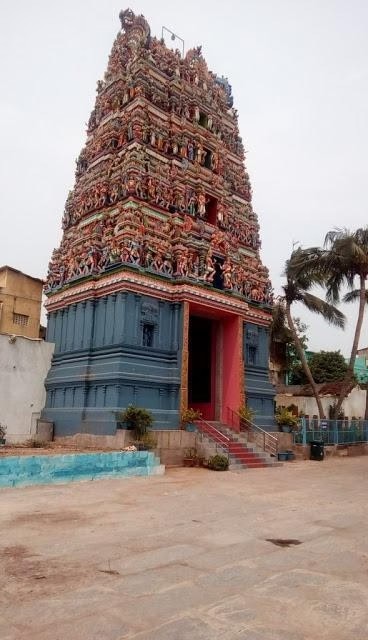
Nestled in the spiritual heart of Mylapore, Chennai, the Virupaksheeswarar Temple stands as a monumental testament to Dravidian heritage and Shaiva Siddhanta. Dedicated to Lord Shiva as Virupaksheeswarar (the Lord with the piercing third eye) and Goddess Visalakshi, this shrine is revered as the fourth Sapta Sthana (seven sacred sites) of Mylapore.
Phalaśruti: The Divine Boon
Devotees flock to this ancient shrine seeking relief from afflictions caused by planetary transits, particularly issues governed by Lord Shani (Saturn). The Phalaśruti (scriptural promise of benefits) suggests that sincere prayer here cleanses ancestral karma and grants Moksha (liberation). Worshipping the swayambhu (self-manifested) lingam here is believed to remove contradictions and obstacles in one’s life path, aligning the devotee with cosmic truth.
Historical Origins & Scriptural Legend
The temple is a living chronicle of Chennai’s history, with inscriptions spanning over a millennium.
The Builders and Dynasties
While a devout merchant named Shivanesan Chettiar is credited with constructing the original structure, the temple’s stone inscriptions reveal a rich lineage of patronage. The oldest inscription dates back to the 11th century during the reign of Veera Rajendra Chozha (1063–1070 CE), found in the Karuvarai (Sanctum Sanctorum), detailing the donation of cows to the temple.
Subsequent inscriptions from the 12th to 16th centuries further validate the temple’s continuity, with many artifacts remaining protected within the inner walls.
Legends of the Sthala
- The Miracle of Poompavai: Tradition holds that the great Nayanar saint, Thirugnana Sambandhar, performed a miracle here by reviving a young girl named Poompavai from her ashes, a story deeply woven into the local lore.
- Sage Kutsa’s Penitence: It is said that Sage Kutsa worshipped Shiva at this site to find solace.
- The Cosmic Dance: The saint poet Sundarar is believed to have witnessed the cosmic dance of Nataraja (Thandavam) within these premises.
Architectural Marvels
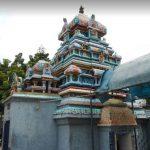
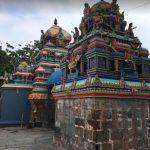
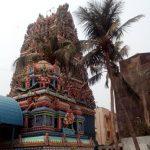
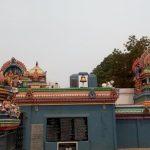
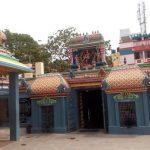
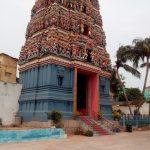
The temple showcases the quintessential Dravidian architectural style, characterized by towering gateways (Gopurams) and intricate carvings.
Vastu Shastra & Layout
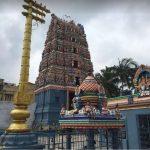
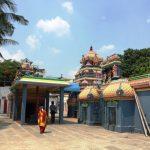
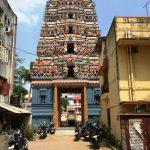
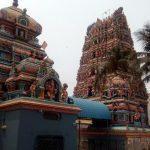
Aligned according to Vastu principles, the temple features a five-tiered Rajagopuram (main gateway) that welcomes devotees into a sprawling courtyard. The presiding deity, Virupaksheeswarar, is enshrined in a Swayambhu Lingam, facing east.
Notable Sculptures and Shrines
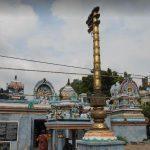
Key features include the Shikhara (tower above the sanctum) adorned with miniature niches depicting deities. The Mandapas (halls) display exquisite stonework. A prominent shrine for Visalakshi Amman is situated adjacent to the main sanctum. The outer prakaram (circumambulatory path) houses a Nandi (bull) statue facing the inner sanctum. ASI (Archaeological Survey of India) protection protocols are evident in the preservation of the ancient stone inscriptions.
Darshan & Ritual Logistics
Regular rituals are performed according to the Saiva Agama traditions. The temple remains open for 9 hours daily.
Daily Timings
| Session | Timing |
|---|---|
| Morning | 06:30 AM – 11:00 AM |
| Evening | 04:30 PM – 08:30 PM |
Note: The temple is closed between 11:00 AM and 4:30 PM.
Key Sevas & Online Booking
Popular Sevas include Abhishekam (ritual bathing of the deity), Archana (recitation of names), and Kumkum Archana for Visalakshi Amman. To participate in these rituals, devotees can book online.
👉 Click here for Online Seva Booking (Assumed Link)
Festivals in 2026
Plan your visit around these major festivals:
- Maha Shivaratri: February 26, 2026
- Arudra Darshanam: January 15, 2026 (Tamil Month Margazhi)
- Aadi Perukku: August 1, 2026
- Kartikai Deepam: November 4, 2026
Practical Visitor Guidance
Dress Code & Etiquette
Visitors are expected to wear traditional attire (Dhoti/Saree) or modest clothing. Photography is strictly prohibited inside the Sanctum Sanctorum. Electronic devices should be silenced.
Accessibility & Lockers
The temple provides mobile lockers for valuables. While the main sanctum is accessible via stairs, the outer courtyards are navigable for wheelchairs. Please contact the temple administration at +91 44 2498 1893 for assistance.
Crowd Management
Best Hours to Visit: Weekday mornings (8:00 AM – 10:00 AM) offer a serene darshan. Weekend evenings (5:00 PM – 6:00 PM) are crowded.
Seasonal Advice: Chennai heat can be intense. In May and June, carry a water bottle and cover your head with a cloth or umbrella while queuing.
Pilgrimage Connectivity
How to Reach
The Virupaksheeswarar Temple is located at PV Koil Street, Karneeswarapuram, Mylapore, Chennai – 600004.
- Nearest Airport: Chennai International Airport (Approx. 17 km via NH48).
- Rail: Mylapore Railway Station (Thirumayilai MRTS) is just 1 km away. Alternatively, Chennai Central is 9 km.
- Road: The temple is accessible via Kutchery Road and Bazaar Road. Major bus routes include 1, 1A, 21, and 45G.
| Route Number | Start | End | Via |
| 1 | Thiruvottriyur | Thiruvanmiyur | Broadway, Central, Royapettah, Mylapore, Mandaveli, Adyar |
| 1A | Thiruvottriyur | Thiruvanmiyur | Broadway, Central, Royapettah, Mylapore, Mandaveli, Adyar |
| 1C | Ennore | Thiruvanmiyur | Thiruvottriyur, Broadway, Central, Royapettah, Mylapore, Mandaveli, Adyar |
| 1D | Ennore | Thiruvanmiyur | Broadway, Central, Royapettah, Mylapore, Mandaveli, Adyar |
| 5B | T. Nagar | Mylapore | Mandaveli, Adyar, Saidapet |
| 12B | Foreshore Estate | Vadapalani | Santhome, Kutchery Road, Luz, Alwarpet, Pondy Bazar, Kodambakkam |
| 12C | Saligramam | Mylapore | Vadapalani, Rangarajapuram, Panagal park, Adyar Gate, Mandaveli |
| M15 | Tambaram East | Mylapore | Mandaveli, Adyar, SRP tools, Velachery, Pallikaranai |
| M15xt | East Tambaram | Mylapore | Mandaveli, Adyar, SRP tools, Velachery, Pallikaranai, Medavakkam, Camp road |
| 21 | Mandaveli | Broadway | Mylapore, Royapettah, Central RS |
| 21B | Adyar | Parrys | Andhra Mahila Sabha, Music College, Foreshore Estate, Santhome, Chepauk, Madras University, Secretariat, RBI |
| 21C | Kannagi nagar | Central (RS) | Royapettah, Mylapore, Mandaveli, Adyar, SRP tools, |
| 21G | Broadway | Tambaram | Chepauk, Mylapore, Mandaveli, Kotturpuram, Gandhi Mandapam, Guindy, Kathipara, Meenambakkam, Pallavaram, Tambaram |
| 29C | Besant Nagar | Perambur | Adyar, Mandaveli, Mylapore, Stella Mary’s College, Nungambakkam, Chetpet |
| 45G | Guindy | Anna Square | Saidapet West, Mettupalayam, Srinivasa Theater, CIT nagar, Adyar Gate, Mandaveli, Mylapore, V. house |
Nearby Sacred Sites
Enhance your pilgrimage by visiting these nearby Sapta Sthana temples:
- Kaaraneeswarar Temple: Located less than 1 km away, known for its towering gopuram.
- Mundakkanni Amman Temple: Situated adjacent to Kaaraneeswarar, dedicated to the fierce form of the Goddess.
- Kapaleeshwarar Temple: The most famous of the Sapta Sthana temples, located approximately 2 km away.
Frequently Asked Questions (FAQ)
1. Is there a VIP Darshan entry available?
While the temple does not have a formal VIP ticket system, devotees can bypass general queues by booking specific Sevas like Abhishekam or Archana. These allow entry during the ritual time. Please contact the office at +91 44 2498 1893.
2. What is the significance of the name “Virupaksheeswarar”?
“Virupam” in Tamil means contradicting nature. Since Lord Shiva’s third eye has the power to dissolve the laws of nature and create cosmic change, he is revered as Virupaksheeswarar.
3. Is the temple wheelchair accessible?
The outer courtyards and ground floor areas are accessible. However, the inner sanctum (Garbhagriha) requires climbing stairs, which may be challenging. The temple staff is generally helpful in assisting devotees.
4. What are the parking facilities?
Due to the narrow lanes of Mylapore, parking is limited to street-side parking. It is recommended to use public transport or the Mylapore Tank bus stop.
5. When was the last Kumbabhishekam performed?
The last consecration ceremony (Kumbabhishekam) was held in May 2016. The temple is currently preparing for future renovations as per Agamic rules.
Recent Posts

ओ सांवरे तूने ही मुझको संभाला – Lyrics & Meaning
ओ सांवरे तूने ही मुझको संभाला – A Prayer to Shyam Origin & Spiritual Essence Why This Bhajan Resonates Devotees chant this when overwhelmed by life’s storms—the refrain ‘तूने ही मुझको संभाला’ is the soul’s sigh of relief: “You…

कथा ये है महाराज मेरे की – Lyrics & Meaning
कथा ये है महाराज मेरे की छत्रपति संभाजी महाराज – A Prayer to Chhatrapati Sambhaji Maharaj Origin & Spiritual Essence Why This Bhajan Resonates Devotees chant this when their spirit feels tested—its powerful refrain “महाराज मेरे” is a soul’s…

Rigveda Samhita Yathartha Anuvada (ऋग्वेद संहिता यथार्थ अनुवाद) – Complete Set with Anvayartha & Hindi/English Translation
The Rigveda is the oldest surviving scripture of humanity and the foundational text of Sanātana Dharma. For serious students, scholars, UPSC aspirants studying ancient Indian history, Sanskrit learners, and spiritual seekers, a precise and grammatically structured translation is indispensable.…

आना भी अकेला है जाना भी अकेला है – Lyrics & Meaning | BharatTemples
आना भी अकेला है जाना भी अकेला है – A Prayer to the Divine Witness Origin & Spiritual Essence Why This Bhajan Resonates Devotees turn to this bhajan in moments of deep reflection—when life’s attachments begin to ache. The…

माता शेरावाली के द्वार जो भी जाता है – Lyrics & Meaning
माता शेरावाली के द्वार जो भी जाता है – A Prayer to Maa Sherawali Origin & Spiritual Essence Why This Bhajan Resonates Devotees turn to this bhajan in times of fear or uncertainty—its promise that no one leaves Maa’s…

मार लेना सपणी उबार लेणा भवरा – Lyrics & Meaning
मार लेना सपणी उबार लेणा भवरा – A Prayer to the Divine Beloved Origin & Spiritual Essence Why This Bhajan Resonates Devotees chant this in moments of deep vulnerability—its cry of “मार लेना सपणी, उबार लेणा भवरा” is the…

हमें श्याम सुंदर भरोसा तुम्हारा – Lyrics & Meaning
हमें श्याम सुंदर भरोसा तुम्हारा – A Prayer to Shyam Sundar Origin & Spiritual Essence Why This Bhajan Resonates Devotees chant this when feeling alone—its refrain ‘de do sahara’ is the soul’s cry for divine support. Lyrics in Hindi…

Mere Satguru Ne Di Thi Davai Lyrics in Hindi & Meaning
Mere Satguru Ne Di Thi Davai: Invoking the Guru’s Liberating Wisdom This soul-stirring bhajan venerates the Satguru (True Spiritual Master) as the divine physician who dispenses the only remedy for life’s deepest sufferings. Composed by Sant Karmaveer Tufani, it…

Janm Diyo Thari Maa Dukh Dekhiyo Lyrics in Hindi & Meaning
जन्म दियो थारी माँ दुख देखियो (Maa’s Grief Upon Birthing You) This soul-stirring Chetavani Bhajan (admonitory hymn) is addressed to the Divine Mother (Maa) – a call for repentance when children forget their filial duties in the dark age…
Bhadi Sabha Mein Thane Manaun Lyrics in Hindi & Meaning
Bhadi Sabha Mein Thane Manaun: Invoking the Spear-Wielding Mother Mata Bhawani (श्री ज्वाला भवानी), the fiery manifestation of Shakti worshipped as the Protector of Dharma in Her Dhaulagarh sanctum. Origin & Spiritual Essence Composed in Rajasthani folk tradition by…