

Contents
- 1 1. Introduction & Spiritual Essence
- 2 2. Historical Origins & Scriptural Legend
- 3 3. Architectural Marvels
- 4 4. Darshan & Ritual Logistics
- 5 5. Practical Visitor Guidance
- 6 6. Pilgrimage Connectivity
- 7 7. Frequently Asked Questions (FAQ)
- 8 Architecture
- 9 Legend / Local stories
- 10 Photo Gallery
- 11 How to Reach:
- 12 Contact Details
1. Introduction & Spiritual Essence
Perched atop the sacred Indrakeeladri Hill on the banks of the River Krishna in Vijayawada, the Kanaka Durga Temple stands as a luminous beacon of divine energy. Here, the presiding deity is Sri Kanaka Durga Devi, an incarnation of Goddess Parvati, worshipped as Swayambhu—a self-manifested idol that radiates immense power and grace. Unlike conventional icons, the murti at Kanaka Durga is a striking figure with eight arms holding sacred weapons, poised atop a towering, deeply rooted banyan tree (Vata Vriksha). This unique form is revered as Maha Lakshmi and Chandi, embodying both prosperity and fierce protection.
The Phalaśruti (Benefits of Pilgrimage):
Devotees flock to this temple to seek blessings for removal of obstacles (Vighna Nivarana) and liberation from the cycle of ancestral karma. Legend states that Goddess Kanaka Durga performed Tapasya on this hill to defeat the demon Mahishasura. Pilgrims believe that a visit here cleanses the mind and soul, granting the boon of peace (Shanti) and spiritual upliftment. It is particularly significant for those seeking the removal of the malefic effects of planetary doshas, especially those related to Saturn (Shani) and Rahu.
2. Historical Origins & Scriptural Legend
The spiritual history of Kanaka Durga Temple is deeply embedded in Vedic literature and the Kaalkika Purana. According to ancient texts, the deity is described as Swayambhu, manifesting during the Triteeya Kalpa (the third epoch of creation). The temple is intrinsically linked to the epic Mahabharata. Tradition holds that this is the very location where the Pandava prince Arjuna performed intense penance to please Lord Shiva, ultimately obtaining the celestial Pasupatha Astra. The temple built by Arjuna for Goddess Durga remains a focal point of spiritual power, where the divine play (Leela) of Lord Shiva and Shakti is believed to have transpired.
While the temple records cite its establishment as a major pilgrimage site centuries ago, the current structures have undergone significant renovations over time. Notably, the Mahotsavam Mandapam was inaugurated in November 2015, expanding the capacity for major festivals. The temple stands as a testament to enduring faith, having absorbed the devotional energy of millions over millennia.
3. Architectural Marvels
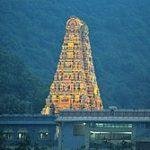
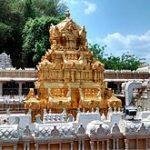
The Kanaka Durga Temple is a masterpiece of Dravidian architecture, characterized by its towering Gopuram (gateway tower) that serves as a landmark visible from across the city. The structure is designed according to Vastu Shastra, ensuring that the energy flow aligns with the natural elements.
Key architectural highlights include:
- The Sanctum Sanctorum (Garbhagudi): The inner sanctum houses the idol of Goddess Kanaka Durga, adorned with golden garlands (Swarna Mala) and a unique Nakshi Kantha (traditional quilted carpet) draped over the altar.
- The Dhwajasthambha: The golden flagpost stands tall, inviting devotees into the divine abode.
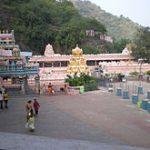
- The Mahotsavam Mandapam: A modern architectural addition, this spacious hall facilitates large-scale rituals and festivals, capable of accommodating thousands of devotees simultaneously.
- The Banyan Tree Roots: The temple is unique because the root of the ancient Banyan tree is integrated into the inner sanctum, symbolizing the deep connection between the earthly and the divine.
While the temple is not under ASI or UNESCO protection (as it remains an active place of worship managed by the local trust), the stone carvings on the outer walls depict various avatars of the Goddess and scenes from Hindu mythology, showcasing the finesse of traditional Andhran artisans.
4. Darshan & Ritual Logistics
To facilitate the high influx of devotees, the temple management has streamlined the darshan process. The temple is open throughout the year, except for short closures during specific annual rituals.
Daily Timings
| Session | Timings | Details |
|---|---|---|
| Morning Darshan | 04:00 AM – 12:00 PM | Starts with Mangala Vaidyam (Wake-up call) |
| Afternoon Break | 12:00 PM – 03:00 PM | Temple cleaning and deity rest |
| Evening Darshan | 03:00 PM – 10:00 PM | Includes Harathi and Deeparadhana |
| Night Darshan | 10:00 PM – 10:30 PM | Special Abhishekam before closing |
Key Sevas and 2026 Festivals
Online Seva Booking: Devotees can book Archana, Abhishekam, and Kumkumarchana online via the official Kanaka Durga Temple website or the designated Andhra Pradesh tourism portal. It is recommended to book at least 48 hours in advance for festival days.
Major Sevas:
- Astotharam: Chanting 108 names of the Goddess.
- Kumkumarchana: Offering Kumkum to the deity (highly auspicious for householders).
- Naga Prathista: For those seeking removal of Sarpa Dosha.
2026 Festival Calendar (Key Dates):
- Ugadi (Telugu New Year): March 29, 2026
- Brahmotsavam: September 25 – October 3, 2026 (Ten-day festival celebrated with grand processions).
- Vijaya Dashami (Dussehra): October 2, 2026. Special Alankarams (decorations) depicting Goddess as Lakshmi and Saraswati.
- Teppotsavam (Float Festival): March 2026 (Conducted in the Krishna River near the temple).
5. Practical Visitor Guidance
To ensure a serene experience at Kanaka Durga Temple, please adhere to the following guidelines:
- Dress Code: Traditional attire is mandatory. Men should wear dhotis or formal trousers with shirts; women should wear sarees, salwar kameez, or long skirts. Western wear like shorts and t-shirts is strictly prohibited.
- Photography: Photography is strictly prohibited inside the Sanctum Sanctorum. It is allowed in the outer courtyards but avoid taking pictures of other devotees without permission.
- Mobile Lockers: Electronic devices (mobile phones, cameras) must be deposited at the free locker facilities provided at the entrance. This is mandatory for all visitors.
- Accessibility: The temple is situated on a hill. While a motorable road is available for vehicles (cars and buses), the inner sanctum requires climbing stairs. Wheelchair access is limited to the lower levels; assistance is available for physically challenged devotees.
- Crowd Management:
- Best Time to Visit: Early mornings (4:00 AM – 6:00 AM) on weekdays.
- Seasonal Advice: Vijayawada experiences extreme heat in May and June. Carry water and a head cover. During the Brahmotsavam (Sept/Oct), crowds swell massively; book accommodation well in advance.
6. Pilgrimage Connectivity
Vijayawada is a major transit hub in Andhra Pradesh, making the temple highly accessible.
How to Reach
- By Air: Vijayawada Airport (VGA), also known as Gannavaram Airport, is located approximately 20 km from the temple. Prepaid taxis and app-based cabs are readily available.
- By Rail: Vijayawada Junction Railway Station is one of the busiest junctions in India, located just 4 km (approx. 15 minutes) from the temple. Frequent buses and autos ply between the station and the temple.
- By Road: The city is well connected via National Highway NH-65 (Hyderabad-Vijayawada-Machilipatnam) and NH-16 (part of the Golden Quadrilateral). APSRTC runs frequent buses from the Benz Circle bus stand to the temple.
Nearby Sacred Sites
Enhance your pilgrimage circuit by visiting these nearby spiritual landmarks:
- Mangalagiri Temple: Located 10 km from Vijayawada, famous for Lord Lakshmi Narasimha Swamy. The unique offering here is betel leaves (Vakka).
- Undavalli Caves: Ancient rock-cut caves located 6 km away, featuring monolithic sculptures of Vishnu and other deities.
- Prakasam Barrage: While primarily a dam, it creates a beautiful reservoir adjacent to the temple, offering a scenic view of the Krishna River and the temple lit up at night.
7. Frequently Asked Questions (FAQ)
Is there a VIP darshan entry available?
Yes, the temple offers a VIP darshan facility for a nominal fee (subject to change based on temple administration rules). Devotees can also avail of the ‘Special Entry’ darshan during non-peak hours. It is advisable to check the official website for real-time updates on ticket availability.
What is the best day of the week to visit Kanaka Durga Temple?
Friday is considered the most auspicious day to visit as it is dedicated to Goddess Durga. However, it is also the most crowded. Tuesdays and Sundays offer a balance between auspiciousness and manageability.
Can we perform Pujas for children or housewarming ceremonies?
Absolutely. The temple conducts specific rituals for naming ceremonies (Namakaranam), first hair offering (Chudakarana), and Grehapravesham (housewarming). These must be booked in advance through the executive officer’s office or the online portal.
Is accommodation available near the temple?
Yes, the temple trust manages choultries and guest houses at the foothills (Mallikarjuna Peta) and on the hill. Private hotels are also available within a 2-5 km radius, ranging from budget to luxury.
Why is the Goddess called Kanaka Durga?
‘Kanaka’ means gold. Legends suggest that the Goddess appeared in golden color (Kanaka Varna) to the sage Indra, who worshipped her here. Another legend connects the gold color to the donor who funded the temple reconstruction, King Kanakaraju.
| Date built: | 22 November 2015 |
|---|---|
| Deity: | – |
| Architectural style: | Dravidian architecture |
| Major festivals | Shakambhari |
| Locale: | Vijayawada |
| District:: | Vijayawada |
| Address: | Arjuna Street Mallikarjunapeta Indrakeeladri, Vijayawada, Andhra Pradesh 520001 |
| Phone | {Phone} |
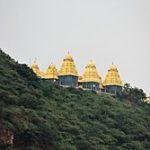
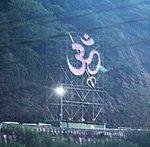
Kanaka Durga Temple is synonymous with Vijayawada. It is mentioned in the sacred texts.A nearby temple viewed from Prakasam Barrage on night lightsThis is the place where Arjuna obtained the Pasupatha astra after his great penance for Lord Shiva. The temple was constructed for Goddess Durga by Arjuna. It is connected by steps and a ghats road The temple occupies an important place in the scriptures as several of the Siva-leelas and Shakti-mahimas were enacted on or around it, making the region a place of unequaled spiritual significance and attracting pilgrims since times immemorial.[3]It is mentioned in the Vedas that the deity in the Kanakadurga temple is regarded as ‘Swayambhu’ or self-manifested, hence considered very powerful.Kanaka Durga Temple is a famous hindu Temple of Goddess Durga located in Vijayawada, Andhra Pradesh. The temple is located on the Indrakeeladri hill, on the banks of Krishna River. Kaalika puraana, Durgaa sapthashati and other vedic literature have mentioned about Goddess Kanaka Durga on the Indrakeelaadri and have described the deity as Swayambhu, (self-manifested) in Triteeya kalpa.
Architecture
Legend / Local stories
Photo Gallery
How to Reach:
Located in the heart of Vijayawada city, the temple is just a 10 minutes drive from the railway station and Bus stand and about 20 km from airport. Temple buses are available at bus stand and railway station for every 20 minutes.Vijayawada is located 275 kilometers from Hyderabad. It is well connected by road, rail and air from all parts of the country.
Contact Details
Official Address
Arjuna Street Mallikarjunapeta Indrakeeladri, Vijayawada, Andhra Pradesh 520001
Recent Posts

Shri Kaamkoteeshwar Mandir, Varanasi – History & Significance
In the heart of Kashi, the eternal city of Lord Shiva, where the Ganges flows with celestial grace, stands the Shri Kaamkoteeshwar Mandir. This sacred Sannidhi is not merely a temple but a profound spiritual bridge between the Northern…

ओ सांवरे तूने ही मुझको संभाला – Lyrics & Meaning
ओ सांवरे तूने ही मुझको संभाला – A Prayer to Shyam Origin & Spiritual Essence Why This Bhajan Resonates Devotees chant this when overwhelmed by life’s storms—the refrain ‘तूने ही मुझको संभाला’ is the soul’s sigh of relief: “You…

कथा ये है महाराज मेरे की – Lyrics & Meaning
कथा ये है महाराज मेरे की छत्रपति संभाजी महाराज – A Prayer to Chhatrapati Sambhaji Maharaj Origin & Spiritual Essence Why This Bhajan Resonates Devotees chant this when their spirit feels tested—its powerful refrain “महाराज मेरे” is a soul’s…

Rigveda Samhita Yathartha Anuvada (ऋग्वेद संहिता यथार्थ अनुवाद) – Complete Set with Anvayartha & Hindi/English Translation
The Rigveda is the oldest surviving scripture of humanity and the foundational text of Sanātana Dharma. For serious students, scholars, UPSC aspirants studying ancient Indian history, Sanskrit learners, and spiritual seekers, a precise and grammatically structured translation is indispensable.…

आना भी अकेला है जाना भी अकेला है – Lyrics & Meaning | BharatTemples
आना भी अकेला है जाना भी अकेला है – A Prayer to the Divine Witness Origin & Spiritual Essence Why This Bhajan Resonates Devotees turn to this bhajan in moments of deep reflection—when life’s attachments begin to ache. The…

माता शेरावाली के द्वार जो भी जाता है – Lyrics & Meaning
माता शेरावाली के द्वार जो भी जाता है – A Prayer to Maa Sherawali Origin & Spiritual Essence Why This Bhajan Resonates Devotees turn to this bhajan in times of fear or uncertainty—its promise that no one leaves Maa’s…

मार लेना सपणी उबार लेणा भवरा – Lyrics & Meaning
मार लेना सपणी उबार लेणा भवरा – A Prayer to the Divine Beloved Origin & Spiritual Essence Why This Bhajan Resonates Devotees chant this in moments of deep vulnerability—its cry of “मार लेना सपणी, उबार लेणा भवरा” is the…

हमें श्याम सुंदर भरोसा तुम्हारा – Lyrics & Meaning
हमें श्याम सुंदर भरोसा तुम्हारा – A Prayer to Shyam Sundar Origin & Spiritual Essence Why This Bhajan Resonates Devotees chant this when feeling alone—its refrain ‘de do sahara’ is the soul’s cry for divine support. Lyrics in Hindi…

Mere Satguru Ne Di Thi Davai Lyrics in Hindi & Meaning
Mere Satguru Ne Di Thi Davai: Invoking the Guru’s Liberating Wisdom This soul-stirring bhajan venerates the Satguru (True Spiritual Master) as the divine physician who dispenses the only remedy for life’s deepest sufferings. Composed by Sant Karmaveer Tufani, it…

Janm Diyo Thari Maa Dukh Dekhiyo Lyrics in Hindi & Meaning
जन्म दियो थारी माँ दुख देखियो (Maa’s Grief Upon Birthing You) This soul-stirring Chetavani Bhajan (admonitory hymn) is addressed to the Divine Mother (Maa) – a call for repentance when children forget their filial duties in the dark age…