
Contents
Introduction & Spiritual Essence
Tucked away in the verdant landscape of Dibrugarh district in Upper Assam, the Tamresari Temple (also revered as Kesai Khaiti Temple) stands as a silent witness to the region’s glorious past. Nestled approximately 18 km from the town of Sadiya (now falling within the Dibrugarh administrative jurisdiction), this shrine is a sacred axis for the indigenous Deori community and devotees of the Shakti cult.
Deity and Form:
The temple is dedicated to Goddess Kesai Khaiti, a powerful, semi-pre-Hindu manifestation of Goddess Kali. The name holds deep etymological significance in Assamese: Kesa (raw) + Khaiti (to eat). This refers to the deity’s traditional acceptance of raw meat offerings, a ritual distinct to the region’s tribal syncretism. The presiding deity is considered a Swayambhu (self-manifested) idol, radiating immense protective energy.
Phalaśruti (Spiritual Benefits):
Why do devotees undertake this pilgrimage? According to temple tradition and local folklore, Kesai Khaiti is the granter of fertility and protector against diseases and evil spirits. Devotees believe that worshipping here helps in:
- Cleansing Ancestral Karma: The temple is closely associated with the forefathers of the Deori tribe, making it a vital site for Pitra Dosh resolution.
- Fulfillment of Vows: Devotees undertake Manaskatha (mental vows) which are fulfilled upon the acceptance of the raw meat offering.
- Protection: As a fierce form of the Divine Mother, she shields the devotee from internal and external negativities.
Historical Origins & Scriptural Legend
The Chutiya Dynasty Connection:
Historical records and archaeological evidence date the temple structure back to the 15th century. It was constructed under the patronage of the mighty Chutiya Kingdom (1188–1673 AD). While the Chutiyas were originally adherents of indigenous tribal beliefs, by the 15th century, they had heavily integrated Shaivism and Shaktism into their royal architecture.
According to temple records, the site served as a spiritual stronghold for the Chutiya kings who ruled the region between the Brahmaputra and the Brahmputra rivers (the Sadiya region). After the fall of the Chutiya kingdom, the site was adopted and preserved by the Deori community, who continue to be the hereditary priests (Doloi) of the temple.
Sthala Purana (Local Legend):
Tradition holds that the temple is named Tamresari (Copper Goddess) because the original roof was fabricated entirely from copper sheets (Tam in Assamese). Legend narrates that the copper used was of such high purity that it shone like gold under the sun.
Local folklore speaks of the temple’s connection to the Brahmaputra River. It is believed that the Goddess originally resided on the banks of the river, but due to relentless erosion (a constant threat in Assam), the temple was moved to its current, safer location. A striking evidence of this legend is the human-sized brick found in the temple walls, which locals claim is a remnant of the divine construction during the relocation.
Architectural Marvels
The Tamresari Temple is a rare gem of Ahom and Chutiya architecture, showcasing a distinct Assamese style rather than the strictly Nagara or Dravida orders found in the south or north.
Structural Details:
- The Walls: One of the most unique features is the construction technique. The walls were built without mortar (interlocking bricks). This engineering marvel allowed the structure to withstand seismic activities common in the region.
- The Roof: Historically, the temple was crowned with a copper roof, which gave it the name “Tamreswari.” While weather has taken its toll over centuries, the structural footprint remains.
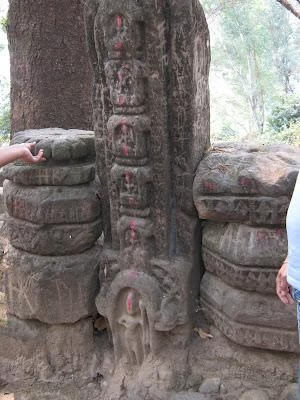
- Sculptures: The main gateway was historically guarded by two giant elephant sculptures with silver tusks (though these precious artifacts have been subject to theft and degradation over time). The remaining brickwork features intricate terracotta designs depicting floral and geometric motifs.
- The Western Wall: Archaeologists note the presence of a specific niche in the western wall, which is believed to have been the site for ritual sacrifices in the pre-modern era.
While the temple is not currently under the direct jurisdiction of the Archological Survey of India (ASI) as a protected monument, it remains a State Heritage Site of immense value to Assam’s history.
Darshan & Ritual Logistics
The temple operates on a traditional schedule. The atmosphere is particularly vibrant during the early morning Pradosha hours.
Daily Timings
| Session | Timings | Activity |
|---|---|---|
| Morning | 06:00 AM – 11:00 AM | Mangal Aarti, Darshan, Archana |
| Afternoon | 11:00 AM – 03:00 PM | Temple Closed (Ritual Cleaning) |
| Evening | 04:00 PM – 07:00 PM | Sandhya Aarti, Maha Deepa |
Key Sevas & Offerings
Note: The offering of raw meat is a traditional practice here. However, for the convenience of general pilgrims, fruits and sweets are widely accepted.
- Abhishekam: Ritual bathing of the deity with water, milk, and honey. Best performed on Tuesdays and Saturdays.
- Archana: Recitation of the 108 names of Goddess Kesai Khaiti. Offerings usually include betel nut, flowers, and seasonal fruits.
- Special Offering (Kesai Khaiti Puja): This is a specific ritual performed for wish fulfillment. It generally requires prior consultation with the head priest (Doloi).
Online Seva Booking
Currently, the Tamresari Temple trust does not maintain a centralized online seva booking portal. Most rituals are conducted in person at the temple office. However, devotees looking to sponsor Annadanam (community feeding) or special Yagnas should contact the District Commissioner’s office in Dibrugarh or the Sadiya subdivision office for official permits and donations.
2026 Major Festival Dates
Assamese temples follow the traditional lunar calendar. The following dates are estimated for 2026 (Tentative):
- Shivaratri: February 26, 2026
- Rongali Bihu (Assamese New Year): April 14, 2026 (Special morning prayers)
- Deepavali: October 21, 2026
- Manasa Puja: August 10, 2026 (Snake Goddess worship, popular in Upper Assam)
Practical Visitor Guidance
As the temple is located in a semi-rural area near the Arunachal Pradesh border, preparation is key for a smooth darshan experience.
Code of Conduct & Dress
- Dress Code: Traditional attire is preferred. Men should wear Dhoti or full-length pants; women should wear Saree or modest Salwar Kameez.
- Photography: Strictly prohibited inside the inner sanctum (Garbhagriha). General photography of the temple complex is allowed, but maintain respect for devotees.
- Mobile Phones: Silence is requested. There are no automated lockers; visitors are advised to carry minimal belongings.
Crowd Management & Best Time to Visit
- Best Hours: The best time for a peaceful darshan is between 6:00 AM – 7:00 AM or after 5:30 PM. Avoid Sundays and local market days (Sadiya market is on Wednesdays).
- Seasonal Advice:
- Summer (April–June): Temperatures soar above 35°C. Carry plenty of water and wear cotton clothing.
- Monsoon (June–September): Upper Assam receives heavy rainfall. The approach roads can be muddy. Wear waterproof footwear.
- Winter (November–February): Ideal time to visit. Mornings are foggy, so an early start is recommended.
Pilgrimage Connectivity
How to Reach Tamresari Temple
The temple is situated in the Tinsukia-Dibrugarh belt, well-connected by road and rail.
- By Air: The nearest airport is Trimohini Airport (Dibrugarh), located approx. 50 km away. Flights connect directly to Delhi, Kolkata, and Bangalore.
- By Rail: The nearest major railway junction is New Tinsukia Junction (NTSK), approx. 30 km from Sadiya. From there, one can hire a taxi or take a bus.
- By Road:
- From Dibrugarh City: Take NH 515 towards Sadiya (approx. 1.5 hours drive).
- From Tinsukia: Take NH 127A towards Sadiya (approx. 1 hour drive).
- Public transport: Frequent ASTC (Assam State Transport Corporation) buses and private share taxis are available from Sadiya town to the temple site (5-8 km further inside).
Nearby Sacred Sites (Pilgrimage Circuit)
Extend your spiritual journey by visiting these nearby sites:
- Shiva Dol (Sadiya): Located in the heart of Sadiya town, this historic Shiva temple dates back to the 17th century and is an architectural twin to the Buranjis.
- Ranganath Dol: A classic example of Kamarupi style architecture, located near the banks of the Brahmaputra in the Dibrugarh district.
- Namphake Village: A serene Buddhist settlement near Naharkatia, showcasing the cultural diversity of the Dibrugarh region (approx. 70 km from Tamresari).
Frequently Asked Questions (FAQ)
Is there a VIP Darshan entry?
Unlike major South Indian temples, the Tamresari Temple does not have a formal VIP darshan ticket system. Entry is free for all devotees. However, during special pujas, priority is given to those who have registered for the ritual.
What is the language spoken by the priests?
The priests (Dolois) are primarily from the Deori tribe. They speak Assamese and a distinct Deori dialect. However, they are accommodating to Hindi and basic English speakers.
Are non-Hindus allowed inside?
The temple follows traditional Assamese customs. While there are no strict boarders preventing entry, non-Hindus are advised to seek permission from the temple priest before entering the inner sanctum to respect local sentiments.
Is accommodation available near the temple?
Limited private lodges are available in Sadiya town. For better amenities, it is recommended to stay in Dibrugarh or Tinsukia, which offer a range of hotels and circuit houses.
Is the temple wheelchair accessible?
The temple complex has uneven brick paths. While the main courtyard is flat, access to the inner sanctum involves narrow steps, making full wheelchair accessibility difficult.
Disclaimer
The information provided above is based on historical records and general practices as of 2026. Ritual practices, especially those involving specific offerings like raw meat, may vary based on seasonal festivals and local priestly discretion. Always check with local authorities for the most current entry regulations.
Recent Posts

Shri Kaamkoteeshwar Mandir, Varanasi – History & Significance
In the heart of Kashi, the eternal city of Lord Shiva, where the Ganges flows with celestial grace, stands the Shri Kaamkoteeshwar Mandir. This sacred Sannidhi is not merely a temple but a profound spiritual bridge between the Northern…

ओ सांवरे तूने ही मुझको संभाला – Lyrics & Meaning
ओ सांवरे तूने ही मुझको संभाला – A Prayer to Shyam Origin & Spiritual Essence Why This Bhajan Resonates Devotees chant this when overwhelmed by life’s storms—the refrain ‘तूने ही मुझको संभाला’ is the soul’s sigh of relief: “You…

कथा ये है महाराज मेरे की – Lyrics & Meaning
कथा ये है महाराज मेरे की छत्रपति संभाजी महाराज – A Prayer to Chhatrapati Sambhaji Maharaj Origin & Spiritual Essence Why This Bhajan Resonates Devotees chant this when their spirit feels tested—its powerful refrain “महाराज मेरे” is a soul’s…

Rigveda Samhita Yathartha Anuvada (ऋग्वेद संहिता यथार्थ अनुवाद) – Complete Set with Anvayartha & Hindi/English Translation
The Rigveda is the oldest surviving scripture of humanity and the foundational text of Sanātana Dharma. For serious students, scholars, UPSC aspirants studying ancient Indian history, Sanskrit learners, and spiritual seekers, a precise and grammatically structured translation is indispensable.…

आना भी अकेला है जाना भी अकेला है – Lyrics & Meaning | BharatTemples
आना भी अकेला है जाना भी अकेला है – A Prayer to the Divine Witness Origin & Spiritual Essence Why This Bhajan Resonates Devotees turn to this bhajan in moments of deep reflection—when life’s attachments begin to ache. The…

माता शेरावाली के द्वार जो भी जाता है – Lyrics & Meaning
माता शेरावाली के द्वार जो भी जाता है – A Prayer to Maa Sherawali Origin & Spiritual Essence Why This Bhajan Resonates Devotees turn to this bhajan in times of fear or uncertainty—its promise that no one leaves Maa’s…

मार लेना सपणी उबार लेणा भवरा – Lyrics & Meaning
मार लेना सपणी उबार लेणा भवरा – A Prayer to the Divine Beloved Origin & Spiritual Essence Why This Bhajan Resonates Devotees chant this in moments of deep vulnerability—its cry of “मार लेना सपणी, उबार लेणा भवरा” is the…

हमें श्याम सुंदर भरोसा तुम्हारा – Lyrics & Meaning
हमें श्याम सुंदर भरोसा तुम्हारा – A Prayer to Shyam Sundar Origin & Spiritual Essence Why This Bhajan Resonates Devotees chant this when feeling alone—its refrain ‘de do sahara’ is the soul’s cry for divine support. Lyrics in Hindi…

Mere Satguru Ne Di Thi Davai Lyrics in Hindi & Meaning
Mere Satguru Ne Di Thi Davai: Invoking the Guru’s Liberating Wisdom This soul-stirring bhajan venerates the Satguru (True Spiritual Master) as the divine physician who dispenses the only remedy for life’s deepest sufferings. Composed by Sant Karmaveer Tufani, it…

Janm Diyo Thari Maa Dukh Dekhiyo Lyrics in Hindi & Meaning
जन्म दियो थारी माँ दुख देखियो (Maa’s Grief Upon Birthing You) This soul-stirring Chetavani Bhajan (admonitory hymn) is addressed to the Divine Mother (Maa) – a call for repentance when children forget their filial duties in the dark age…