

Contents
Introduction & Spiritual Essence
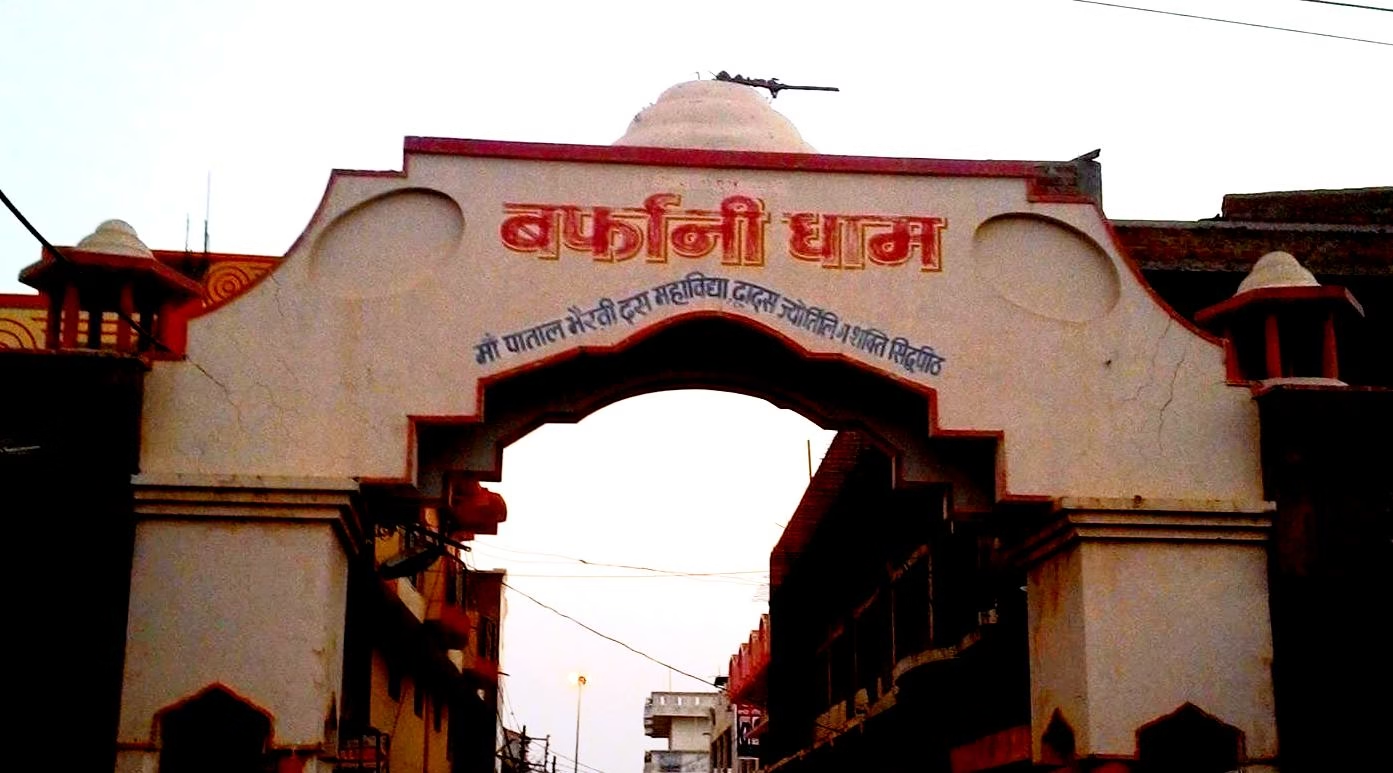
Nestled in the heart of Chhattisgarh, Barfani Dham in Rajnandgaon stands as a monumental testament to architectural devotion and the eternal power of Shiva. Revered as a contemporary architectural marvel, its very name “Barfani” (meaning icy or frost-like) evokes imagery of purity, reminiscent of the naturally formed ice Lingams found in the Himalayas. This temple is a beacon for pilgrims traveling between the industrial hubs of Durg and the historic region of Vidarbha, offering a spiritual ascent through its unique three-tiered structure.
Primary Deity: Lord Shiva (in the form of a Shiva Lingam)
Alternate Forms: The temple also houses shrines for Navadurga/Tripura Sundari (The Goddess of the Three Worlds) and Pathal Bhairavi (The Fierce Aspect).
Phalaśruti: Why Devotees Visit
For the sincere seeker, Barfani Dham represents a journey from the material world to divine consciousness. The sanctum is believed to embody the same self-manifested (Swayambhu) energy found in ancient caves. Devotees visit to:
- Cleanse Ancestral Karma: Performing rituals here is believed to alleviate Pitru Dosha (ancestral afflictions).
- Seek Spiritual Evolution: The three-tiered structure allows devotees to ascend step-by-step, symbolizing the transcendence of the three Gunas (Sattva, Rajas, Tamas).
- Gaining Vitality: The Shiva Lingam is worshipped as the source of cosmic energy, granting physical health and mental peace.
Historical Origins & Scriptural Legend
While Barfani Dham is a modern structure, its spiritual roots are anchored in the deep-seated traditions of Shaiva worship prevalent in the region. Local folklore surrounding the temple speaks of the sanctity of the land of Dakshina Kosala (ancient Chhattisgarh), mentioned in various Puranas as a land of intense tapasya (penance).
Scriptural & Oral Legends:
According to temple records and tradition, this site was historically a meditation ground for ancient sages seeking the blessings of Lord Shiva and the divine feminine. The structure is a homage to these ancient legends, designed to facilitate the worship of the three primary forms of the divine that govern the cycle of creation, preservation, and destruction.
Construction History:
Unlike ancient ruins, Barfani Dham was constructed as a deliberate architectural marvel to unify the tribal heritage of Chhattisgarh with classical Vedic traditions. The temple serves as a confluence point, embodying the eternal nature of the soul through modern craftsmanship.
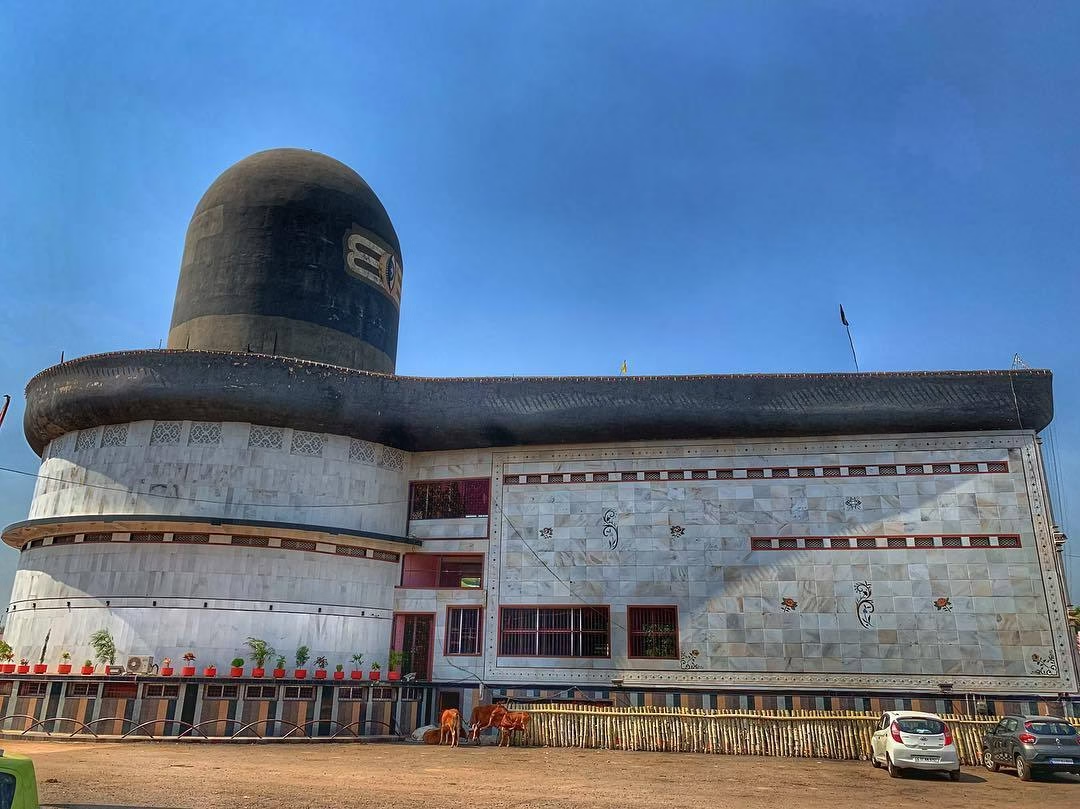
Architectural Marvels
Barfani Dham showcases a unique blend of modern temple architecture with traditional Nagara style influences. The use of white marble or pristine white stone gives the temple its signature “icy” appearance, reinforcing its name.
The Three-Tiered Structure (Vastu Representation)
The temple is intelligently designed with three distinct levels, representing the three worlds: Bhur (Earth), Bhuva (Atmosphere), and Suvar (Heaven).
- The Upper Level (Heaven): Dedicated to Lord Shiva and Nandi. The massive Shiva Lingam represents the formless, infinite reality (Nirakar), while Nandi symbolizes Dharma and focused devotion.
- The Middle Level (Atmosphere): Houses Tripura Sundari or Navadurga. Worshipping the Divine Mother here is believed to grant harmony and the power to overcome obstacles.
- The Bottom Level (Earth/Underworld): The shrine of Pathal Bhairavi. This fierce form of the Goddess represents the destruction of the ego and the grounding of the devotee.
Key Architectural Elements
- The Shikhara: The temple spire is designed to curve inward as it rises, symbolizing the mountain Meru, the axis of the universe.
- Mandapas: Spacious halls for devotees to gather, featuring intricate carvings depicting mythological scenes.
- Prakara: The compound wall separates the sacred space from the mundane external world.
Darshan & Ritual Logistics
The atmosphere at Barfani Dham is charged with the rhythm of daily Nitya Puja. The temple priests adhere to strict Agamic traditions for the worship of the Moolavar (primary deity).
Daily Timings
Note: Temple timings are subject to change during festivals and specific rituals.
| Session | Timings | Activity |
|---|---|---|
| Morning | 6:00 AM – 12:00 PM | Opening, Morning Aarti, Abhishekam |
| Afternoon | 12:00 PM – 4:00 PM | Midday Puja (Temple may close briefly) |
| Evening | 4:00 PM – 9:00 PM | Sandhya Aarti, Darshan closes |
Key Sevas and Online Booking
Devotees can perform specific Sevas to invoke blessings. In 2026, the temple management facilitates digital bookings for convenience.
- Rudrabhishek: Performed for prosperity and health. (Booking: Online via temple website or on-site)
- Archana: Personalized recitation of names. Available at the counter.
- Vastra Alankaram: Offering cloth to the deity.
2026 Festival Dates
- Maha Shivaratri: February 26, 2026 (The temple remains open all night with special Abhishekam).
- Navaratri (Chaitra): March 30 – April 7, 2026 (Special Kanya Pujan).
- Navaratri (Sharad): September 22 – September 30, 2026.
- Diwali: October 21, 2026 (Deep Daan and evening illumination).
Practical Visitor Guidance
Preparing for your visit ensures a seamless and spiritually enriching experience.
Rules & Etiquette
- Dress Code: Traditional Indian attire is mandatory. Men should wear dhoti/pajama-kurta, and women should wear saree/salwar kameez. Western attire is generally discouraged.
- Photography: Photography is strictly prohibited inside the sanctum sanctorum. It may be allowed in the outer halls, but seek permission from security.
- Mobile & Lockers: Electronic devices must be switched off or kept on silent. Dedicated locker facilities are usually available near the ticket counter for bags and electronics.
Crowd Management & Best Hours
- Best Time to Visit: Early morning (6:00 AM – 8:00 AM) or late evening (after 7:00 PM) to avoid large crowds.
- Seasonal Advice: Chhattisgarh experiences hot summers (April-June). Visitors are advised to carry water and cover their heads. The winter months (November-February) offer the most pleasant weather for darshan.
- Accessibility: The temple has three levels. While the ground floor is accessible, the upper levels require climbing steps. Senior citizens may require assistance.
Pilgrimage Connectivity
Barfani Dham is strategically located and well-connected to major transit hubs in Chhattisgarh.
How to Reach
- By Air: The nearest airport is Swami Vivekananda Airport (Raipur), approximately 110 km away. Taxis and buses are available from Raipur to Rajnandgaon.
- By Rail: Rajnandgaon Railway Station (RJN) is the closest railhead, located just 5-7 km from the temple. Auto-rickshaws and cabs are easily available.
- By Road: The temple is located approximately 40 km from Durg towards Nagpur on National Highway (NH) 530 (formerly NH 6). Regular state-run bus services connect Rajnandgaon with Raipur, Durg, and Bhilai.
Nearby Sacred Sites (Pilgrimage Circuit)
Extend your spiritual journey by visiting these nearby attractions:
- Shivani Temple: Located in the vicinity, this ancient temple is dedicated to the Goddess and is a significant heritage site.
- Rajnandgaon Palace: A historic structure reflecting the region’s royal past and architectural grandeur.
- Sheonath River: The sacred river flows nearby, offering an opportunity for a holy dip (Snan) after temple darshan.
Frequently Asked Questions (FAQ)
1. Is there a VIP Darshan entry available at Barfani Dham?
While the temple management prioritizes a smooth darshan for all, special passes for seva performers are available. VIP entry is strictly based on devotional participation (like Abhishekam tickets) rather than status.
2. What is the significance of the three floors in the temple?
The three floors represent the three worlds of existence: Bhur (Earth – Pathal Bhairavi), Bhuva (Atmosphere – Tripura Sundari), and Suvar (Heaven – Lord Shiva). It symbolizes the spiritual ascent from the material to the divine.
3. Can I book Seva online?
Yes, for 2026, the temple facilitates online bookings for major sevas like Rudrabhishek. Please visit the official Barfani Dham Rajnandgaon website or the state government’s temple portal for secure booking.
4. Is there accommodation available near the temple?
While the temple complex itself is a day-visit site, Rajnandgaon town offers various hotels and guest houses. For a more immersive spiritual stay, Dharamshalas are available in the town center.
5. What are the main offerings to Lord Shiva here?
The most sacred offerings include Bilva Patra (wood apple leaves), milk, honey, and Vibhuti (sacred ash). Devotees can purchase these items from the shops inside the temple complex.
Recent Posts

Shri Kaamkoteeshwar Mandir, Varanasi – History & Significance
In the heart of Kashi, the eternal city of Lord Shiva, where the Ganges flows with celestial grace, stands the Shri Kaamkoteeshwar Mandir. This sacred Sannidhi is not merely a temple but a profound spiritual bridge between the Northern…

ओ सांवरे तूने ही मुझको संभाला – Lyrics & Meaning
ओ सांवरे तूने ही मुझको संभाला – A Prayer to Shyam Origin & Spiritual Essence Why This Bhajan Resonates Devotees chant this when overwhelmed by life’s storms—the refrain ‘तूने ही मुझको संभाला’ is the soul’s sigh of relief: “You…

कथा ये है महाराज मेरे की – Lyrics & Meaning
कथा ये है महाराज मेरे की छत्रपति संभाजी महाराज – A Prayer to Chhatrapati Sambhaji Maharaj Origin & Spiritual Essence Why This Bhajan Resonates Devotees chant this when their spirit feels tested—its powerful refrain “महाराज मेरे” is a soul’s…

Rigveda Samhita Yathartha Anuvada (ऋग्वेद संहिता यथार्थ अनुवाद) – Complete Set with Anvayartha & Hindi/English Translation
The Rigveda is the oldest surviving scripture of humanity and the foundational text of Sanātana Dharma. For serious students, scholars, UPSC aspirants studying ancient Indian history, Sanskrit learners, and spiritual seekers, a precise and grammatically structured translation is indispensable.…

आना भी अकेला है जाना भी अकेला है – Lyrics & Meaning | BharatTemples
आना भी अकेला है जाना भी अकेला है – A Prayer to the Divine Witness Origin & Spiritual Essence Why This Bhajan Resonates Devotees turn to this bhajan in moments of deep reflection—when life’s attachments begin to ache. The…

माता शेरावाली के द्वार जो भी जाता है – Lyrics & Meaning
माता शेरावाली के द्वार जो भी जाता है – A Prayer to Maa Sherawali Origin & Spiritual Essence Why This Bhajan Resonates Devotees turn to this bhajan in times of fear or uncertainty—its promise that no one leaves Maa’s…

मार लेना सपणी उबार लेणा भवरा – Lyrics & Meaning
मार लेना सपणी उबार लेणा भवरा – A Prayer to the Divine Beloved Origin & Spiritual Essence Why This Bhajan Resonates Devotees chant this in moments of deep vulnerability—its cry of “मार लेना सपणी, उबार लेणा भवरा” is the…

हमें श्याम सुंदर भरोसा तुम्हारा – Lyrics & Meaning
हमें श्याम सुंदर भरोसा तुम्हारा – A Prayer to Shyam Sundar Origin & Spiritual Essence Why This Bhajan Resonates Devotees chant this when feeling alone—its refrain ‘de do sahara’ is the soul’s cry for divine support. Lyrics in Hindi…

Mere Satguru Ne Di Thi Davai Lyrics in Hindi & Meaning
Mere Satguru Ne Di Thi Davai: Invoking the Guru’s Liberating Wisdom This soul-stirring bhajan venerates the Satguru (True Spiritual Master) as the divine physician who dispenses the only remedy for life’s deepest sufferings. Composed by Sant Karmaveer Tufani, it…

Janm Diyo Thari Maa Dukh Dekhiyo Lyrics in Hindi & Meaning
जन्म दियो थारी माँ दुख देखियो (Maa’s Grief Upon Birthing You) This soul-stirring Chetavani Bhajan (admonitory hymn) is addressed to the Divine Mother (Maa) – a call for repentance when children forget their filial duties in the dark age…