
Contents
1. Introduction & Spiritual Essence
In the labyrinthine spiritual geography of Varanasi (Kashi), amidst the ancient ghats and sacred shrines, resides a highly potent Siddhi Vinayak form known as Kshipra Prasad Vinayak. Unlike the grand, standalone monolithic structures, this temple is a hidden gem that embodies the soul of Kashi’s vertical spirituality—existing in the spaces between the worldly and the divine.
Primary Deity & Form:
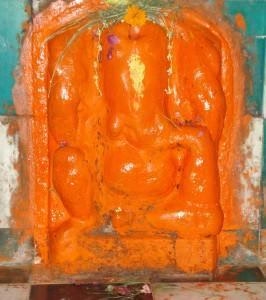
Dedicated to Lord Ganesha, specifically in his Kshipra Prasad aspect, this murti (idol) is revered for granting quick fulfillment of prayers. In Sanskrit, “Kshipra” implies immediate or swift, and “Prasad” denotes grace or favor. Devotees believe that the very energy of Varanasi accelerates the granting of boons here.
Phalaśruti (Spiritual Benefits): Visiting this temple is traditionally associated with:
- Removal of Obstacles: Lord Ganesha is the Vighnaharta, and worshipping him at Pitar Kunda is believed to cleanse paths blocked by planetary or ancestral karma.
- Ancestral Liberation: Located in the Pitar Kunda area, rituals performed here are considered highly effective for Pitru Dosh (ancestral discrepancies), aiding in the peaceful repose of ancestors.
- Success in Ventures: Local tradition holds that enterprises and new beginnings launched after a darshan here are blessed with Kshipra Siddhi—rapid success.
2. Historical Origins & Scriptural Legend
The Architectural Timeline:
While specific dynastic records are not explicitly inscribed on the temple walls, the architectural motifs and the placement in the Pitreshwar complex suggest origins dating back to the Maratha or early Bhosle era of the 18th century. The use of sandstone and the specific carving style are consistent with the renovation phases that Varanasi underwent under the patronage of Maharanas of Mewar and Maratha leaders. The temple is nestled within the ancient fabric of Pitar Kunda, a locality known for its deep historical roots.
The Legend of Kshipra Prasad:
According to local folklore and the Stahala Purana of the Pitar Kunda region, the murti was discovered by a high priest meditating near the Pishachmochan (a sacred tank believed to liberate one from demonic afflictions). The priest had a divine vision of Ganesha residing in the earth to protect the Siddha Kshetra (Zone of Accomplishment) from negative energies.
Connection to Pitru Karyas:
The name “Pitar Kunda” itself refers to the ancestors. Tradition holds that the water from the kunda (tank) near this temple merges with the energies of the River Ganga. Therefore, this specific Ganesha is known as the guardian of the Pitar Yoni—the lineage of ancestors—ensuring that their blessings flow to the devotee.
3. Architectural Marvels
The Kshipra Prasad Vinayak Temple represents the quintessential North Indian (Nagara) style temple architecture, adapted to the urban constraints of Varanasi.
Vastu Shastra Elements:
The temple is situated in the southwest quadrant of the Pitreshwar complex, which in Vastu is the ideal corner for storing spiritual energy and neutralizing negativity. The inner sanctum (Garbhagriha) is low-ceilinged, a characteristic feature of ancient Kashi temples, designed to focus the devotee’s attention entirely on the murti.
Key Architectural Features:
- The Shikhara (Tower): The temple features a distinct Amsaka (shouldered) shikhara that rises in tiered steps (Urushringas) before culminating in a Amalaka (disc) and Kalasha (pot). The stonework often features floral motifs typical of the region.
- The Mandapa: Unlike vast pillared halls, this temple utilizes a compact Mandapa (prayer hall) that serves as a transitional space between the outer world and the inner sanctum. It is supported by carved pillars depicting celestial beings.
- Preservation Status: While it may not hold a UNESCO status, it falls under the heritage preservation guidelines of Varanasi’s archaeological survey, maintaining its ancient stone carvings despite the dense urban settlement.
4. Darshan & Ritual Logistics
Since Kashi is a city of eternal activity, the temple timings are structured to accommodate both the early riser and the evening worshiper.
Daily Timings Table:
| Time Slot | Activity | Details |
|---|---|---|
| 05:00 AM – 11:00 AM | Morning Darshan & Abhishekam | The most auspicious time for meditation. |
| 11:00 AM – 04:00 PM | Rest Period (Protocols Vary) | Typically closed for deep cleaning. |
| 04:00 PM – 10:00 PM | Evening Darshan & Aarti | Includes the famous Yatra Aarti of Varanasi. |
Key Sevas & Booking (2026):
- Sankashti Chaturthi Puja: A grand puja performed specifically on this lunar day. Booking Method: In-person at the office or through the official Varanasi Temple Trust website (2026 dates: Jan 14, Feb 12, Mar 13, Apr 11).
- Modak Offering: While online offerings for Modak have been tested, physical offering is preferred here. Contact the priest at the Pitreshwar office for arrangements.
- Daily Archana: Can be performed in the name of family members. No prior online booking is generally required for daily Archana, but for festivals, it is mandatory.
5. Practical Visitor Guidance
Visiting Varanasi requires a mix of spiritual preparation and practical awareness.
Dress Code & Etiquette:
Modesty is paramount. Both men and women should wear clothes that cover shoulders and knees. Traditional Indian attire is highly encouraged to blend with the spiritual atmosphere.
Photography & Security:
Photography is generally discouraged inside the sanctum sanctorum to maintain the sanctity of the darshan. Mobile phones should be kept on silent mode. It is advisable to leave larger bags in your vehicle or at mobile lockers available at the main ghat areas, as the lanes near Pitar Kunda are narrow.
Accessibility:
The temple is situated within the old city lanes. It is accessible via rickshaw until the mouth of the lane (Pishachmochan area). The final approach requires walking through ancient, narrow stone lanes. It is not fully wheelchair accessible due to the lack of ramps in the historic lanes.
Seasonal Advice:
- Summers (May-June): Varanasi temperatures can exceed 40°C. Carry a water bottle, wear a hat, and visit during the early morning or late evening slots.
- Monsoons (July-August): The humidity is high. The lanes can get slippery; wear proper footwear with grip.
- Winters (Nov-Feb): The best time to visit. Mornings are foggy and mystical, ideal for meditation.
6. Pilgrimage Connectivity
How to Reach:
- Nearest Airport: Lal Bahadur Shastri International Airport (VNS) is approximately 25 km away. A taxi to the Dashashwamedh Ghat area takes about 45-60 minutes.
- Nearest Railway Station: Varanasi Junction (BSB) is about 5 km from the temple area.
- Road Access: The temple is located via National Highway 19 (formerly NH-2). From the station, take an auto-rickshaw to Pishachmochan or Pitar Kunda. The lanes here are too narrow for cars, so walking is the final leg of the journey.
Nearby Sacred Sites (Pilgrimage Circuit):
- Pitreshwar Nath Temple: Located almost adjacent to Kshipra Prasad Vinayak, dedicated to Lord Shiva as the lord of ancestors.
- Pishachmochan Temple: A short walk away, this is a major teerth (pilgrimage site) where it is believed demons were absolved of their sins by Lord Vishnu.
- Kedareshwar Temple: A significant Shiva temple nearby, creating a perfect triad of worship for Shiva, Ganesha, and Ancestors.
7. Frequently Asked Questions (FAQs)
Is there a VIP darshan entry available?
Unlike larger temple trusts in Tirupati or Shirdi, the Kshipra Prasad Vinayak Temple is a smaller, heritage shrine. There is no formal VIP or offline ticket system. Darshan is based on general queue management. However, making a donation for the daily Puja or Seva grants a closer, priority view during the ritual.
Can we perform ancestral rituals (Pinda Daan) here?
Yes. Given the temple’s location in Pitar Kunda, it is considered an auspicious spot for performing small ancestral rituals (Shradh). However, for elaborate ceremonies, the banks of the Ganga (Harishchandra Ghat) are preferred, though the deity here is invoked for Pitru Shanti.
Is there a specific time to avoid visiting?
Mid-afternoon (approx. 1 PM to 3 PM) is generally the downtime when the temple may be closed for cleaning. Additionally, during major festivals like Ganesh Chaturthi, the crowd can be dense, and advanced planning is required.
Is parking available?
No dedicated parking exists at the temple lane. Visitors must park at the main ghat parking areas (Dashashwamedh or Scindia Ghats) and walk or take a rickshaw to the lane entrance.
Are there accommodation options nearby?
Yes, the area surrounding the temple offers numerous guesthouses and hotels. For a spiritual immersion, staying near Dashashwamedh Ghat provides easy access to the temple and other major sites.









