Gana Nath Vinayak Temple, Varanasi: History, Darshan Timings & Guide
Receive daily temple updates, divine darshan, and morning bhajans directly on WhatsApp.
Contents
- 1 Gana Nath Vinayak Temple, Varanasi: A Definitive Pilgrimage Guide
- 1.1 1. Introduction & Spiritual Essence
- 1.2 2. Historical Origins & Scriptural Legend
- 1.3 Architecture
- 1.4 3. Architectural Marvels
- 1.5 4. Darshan & Ritual Logistics (2026 Guide)
- 1.6 Photo Gallery
- 1.7 5. Practical Visitor Guidance
- 1.8 6. Pilgrimage Connectivity
- 1.9 How to Reach:
- 1.10 Types Of Pooja:
- 1.11 7. Frequently Asked Questions (FAQ)
- 1.12 Contact Details
Gana Nath Vinayak Temple, Varanasi: A Definitive Pilgrimage Guide
Nestled amidst the labyrinthine galis of Varanasi, the Gana Nath Vinayak Temple stands as a sentinel of devotion to Lord Ganesha, the remover of obstacles. As we look toward 2026, this guide serves as your comprehensive resource for understanding the spiritual depth, architectural beauty, and logistical planning required for a pilgrimage to this sacred site.
1. Introduction & Spiritual Essence
The Gana Nath Vinayak Temple is dedicated to Lord Ganesha, revered here specifically as Gana Nath—the Lord of the Ganas (celestial attendants). Unlike the monolithic structures found in the countryside, this temple exemplifies the intimate, living heritage of Varanasi, where shrines are woven into the very fabric of the city’s old quarters.
Why Devotees Visit (Phalaśruti)
According to temple records and local tradition, praying to Gana Nath Vinayak yields specific spiritual benefits:
- Removal of Obstacles: As the primary form of Ganesh, worship here clears paths for new beginnings—whether starting a business, a new journey, or a marriage.
- Success in Education and Arts: Devotees, particularly students and artists, visit to seek blessings for wisdom and creativity.
- Ancestral Karma Cleansing: Offering prayers in Varanasi (Kashi) is believed to liberate ancestors from the cycle of rebirth, and worshiping Gana Nath adds a layer of protection to this spiritual act.
2. Historical Origins & Scriptural Legend
The Legend of Gana Nath
While specific architectural records regarding the founding dynasty of Gana Nath Vinayak are scarce, the temple is deeply rooted in the Kashi Khanda of the Shiva Purana. Tradition holds that this shrine marks a spot where Lord Ganesha was worshipped by the Ganas (Shiva’s army) to secure a victory, hence the name Gana Nath (Lord of the Ganas).
📖 Related: Kooshmandeshwar Temple Varanasi: History, Darshan Timings & Legend
Varanasi is known as the Mantra Mukti Kshetra (liberation through sound). The Gana Nath Vinayak temple is believed to be a spot where the sound of the primordial ‘Om’ resonates strongest, guarded by Lord Ganesha.
Renovations and Structure
Like many ancient shrines in Varanasi, the temple has undergone several renovations over the centuries. The current structure features classic North Indian temple elements, though it maintains the compact scale typical of urban Kashi temples. The sanctity of the site is preserved through continuous worship, making it difficult to pinpoint a single “date built,” as the cycle of worship is unbroken.
Architecture
3. Architectural Marvels
The Gana Nath Vinayak Temple showcases the distinctive Nagara style of temple architecture, prevalent in North India, with subtle influences specific to the Varanasi school of design.
Structural Elements
- The Shikhara (Spire): Unlike the towering spires of massive temples, this temple features a tiered shikhara that rises gracefully above the narrow gali, focusing the eye upward toward the divine.
- Vastu Shastra Alignment: The temple is aligned according to Vastu principles, ensuring the inner sanctum (Garbhagriha) allows for maximum positive energy flow, typically oriented toward the northeast.
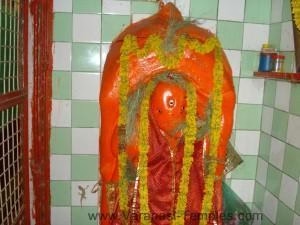
- Sculptural Details: The exterior walls likely feature carvings of dwarapalas (guardian deities) and floral motifs, though the interior remains the focal point. The sanctum houses the murti (idol) of Gana Nath Vinayak, typically depicted with a curved trunk and a modak in hand.
4. Darshan & Ritual Logistics (2026 Guide)
Devotees can perform pooja by themselves, as the temple maintains an open atmosphere. However, for specific sevas and festivals, planning is essential.
Daily Timings
| Session | Timing | Activity |
|---|---|---|
| Morning Darshan | 05:00 AM – 12:00 PM | Mangala Aarti, Shringar |
| Afternoon Closure | 12:00 PM – 4:00 PM | Rest period (Murti cleansing) |
| Evening Darshan | 04:00 PM – 09:30 PM | Bhog Aarti, Shayan Aarti |
📖 Related: Nageshwar Temple Varanasi: History, Timings & Jyotirling Darshan Guide
Key Sevas and Booking
2026 Festival Dates:
- Ganesh Chaturthi: August 25, 2026 (Expected date based on Hindu calendar)
- Sankashti Chaturthi: Occurs monthly (check local Panchang for specific dates)
- Diwali: October 21, 2026 (Deepavali) – Special Akash Kand installation.
Online Seva Booking:
While this historic temple relies heavily on traditional worship, the Varanasi temple administration has moved toward digital convenience for major festivals. Devotees can book Abhishekam (ritual bathing of the deity) and Archana (recitation of names) via the official Varanasi Temple Trust portal.
Photo Gallery
5. Practical Visitor Guidance
Dress Code and Conduct
As a Vaishnava temple (dedicated to an avatar of Vishnu), modest dress is required. Visitors should cover shoulders and knees. Traditional Indian attire (dhoti/kurta for men, saree/salwar kameez for women) is recommended but western casual wear is permitted if modest.
Crowd Management
Best Hours to Visit: Early morning (05:30 AM – 07:00 AM) offers the most serene darshan. Evening hours (post 5:00 PM) see increased crowds, especially on Tuesdays.
Accessibility & Lockers
Given the location in Dhundhi Raj Galli (a narrow gali near Vishwanath Temple):
- Footwear: Must be removed at designated shoe stands (nominal fee applies).
- Mobile Phones: Photography inside the sanctum is strictly prohibited. However, phones can be carried. For the main Vishwanath corridor, strict restrictions apply, but this specific shrine allows phones to be kept on silent.
- Seasonal Advice: In May/June, temperatures in Varanasi exceed 40°C. Carry water; the stone floors can become extremely hot.
6. Pilgrimage Connectivity
How to Reach
- Nearest Airport: Lal Bahadur Shastri International Airport (LBS), Varanasi (approx. 25 km). Taxis and e-rickshaws are readily available to the city center.
- Nearest Railway Station: Varanasi Junction (BSB) (approx. 5 km). From there, an auto-rickshaw to Chowk is the most efficient route.
- Address: Ck.37/1, Dhundhi Raj Galli, near Visweshwar temple, Varanasi. Note: Vehicles cannot enter the gali. Devotees must walk from Chowk or Godaulia intersection.
Nearby Sacred Sites
Creating a pilgrimage circuit is ideal for maximizing spiritual merit in Kashi:
- Shri Kashi Vishwanath Temple: Located just a short walk away in the same gali network.
- Sankat Mochan Hanuman Temple: Located 3 km away, famous for monkey-friendly Hanuman worship.
- Durga Temple (Durga Kund): About 4 km away, a stunning red temple dedicated to Goddess Durga.
📖 Related: Atyugra Narsimha Temple Varanasi: History, Timings & Darshan Guide
How to Reach:
Gana Nath Vinayak is located at Ck.37/1, Dhundhi Raj Galli, near Visweshwar temple. If a devotee takes a left turn just before Dundhi Raj Vinayak towards Gyan Vapi and walk for a few yards he will reach the shop of reputed Jewellers named Vijay Jewellers. Gana Nath Vinayak is located just outside the shop on the main Gully. Devotees can travel upto Chowk by rickshaw and walk on foot to this place.
Prayers to Gana Nath Vinayak will yield success and all round happiness in life.
Types Of Pooja:
The place of worship is open practically throughout and devotees can perform pooja by themselves.
7. Frequently Asked Questions (FAQ)
1. Is there a VIP darshan entry?
While the temple does not have a formal VIP ticket system like larger state-managed temples, visiting during non-peak hours (early morning or early afternoon) effectively provides a quicker, uninterrupted darshan.
2. Can we carry Prasad from outside?
Yes, the temple is relatively open. Devotees often carry flowers, durva grass, and sweets (modak) to offer to Gana Nath Vinayak directly. However, it is customary to purchase Prasad from the authorized stalls inside the gali for hygiene and supporting the local priests.
3. What is the significance of the “Gana” in the name?
It refers to the celestial attendants of Lord Shiva. Legend says that Lord Ganesha, as Gana Nath, protects the devotees entering Kashi just as the Ganas protect Lord Shiva. It signifies protection and leadership.
4. Are children and elderly allowed?
Absolutely. However, the walk from the main road to the temple involves narrow steps and uneven surfaces. Strollers are not recommended; carrying infants is necessary. Elderly visitors can use a palanquin (doli) service available near Chowk for a fee.
5. What are the parking facilities?
There is no parking near the temple. The nearest parking is at Godaulia or the Vishwanath Temple reception center. From there, it is a 10-minute walk to Dhundhi Raj Galli.
Contact Details
Official Address