

Contents
Introduction & Spiritual Essence
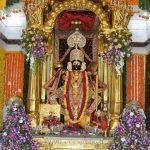
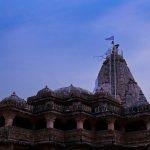
The ancient pilgrimage of Shamalaji (also spelled Shamlaji), nestled in the Aravalli hills of Gujarat, stands as a timeless beacon of devotion. Known locally as Dholi Dhajawala (The Temple of the White Flag) due to the white silk flag fluttering perpetually at its summit, this sacred site is a cornerstone of Vaishnavism. The primary deity is a form of Lord Vishnu or Krishna, worshipped here as Gadadharji—the holder of the mace (club).
Phalaśruti (Spiritual Benefits): Devotees believe that visiting Shamalaji grants moksha (liberation) and cleanses ancestral karma. The temple is particularly revered for fulfilling the prayers of childless couples and bringing peace to troubled minds. Being situated on the banks of the sacred Meshwo River, the site is also considered a powerful Tirtha for purification rituals.
Historical Origins & Scriptural Legend
Origins: While archaeological evidence points to a Gupta-era foundation, the current temple structure is widely acknowledged to have been constructed in the 11th century AD. It is a masterpiece of the Chaulukya dynasty (Solanki) architecture, a period that saw the flourishing of temple art in Gujarat. Renovations were recorded as early as 1762 AD by the Thakor of Tintoi, ensuring the preservation of the shrine’s sanctity.
Scriptural & Local Legend:
According to local tradition, the site was a significant pilgrimage center even before the current structure was raised. Tradition holds that the temple was historically claimed by Jains before reverting to Vaishnava worship. The area’s history is deeply layered; just two kilometers away lies Devni Mori, a Buddhist stupa site dating back to the Mauryan period (3rd-4th century AD), proving the region’s interfaith antiquity. Inscriptions at the temple, though debated in dating (some claiming 94 AD), reference the deity as Gadadharji, linking the site to ancient Puranic texts.
Architectural Marvels
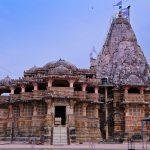
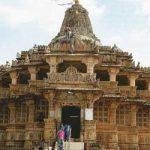
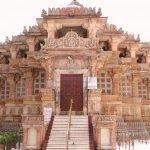
The Shamalaji Temple is a stunning example of Nagara style architecture adapted by the Chaulukya artisans. Built primarily of white sandstone and brick, the temple complex is enclosed within a courtyard.
- The Shikhara (Tower): Rising above the sanctum is a spire that resembles a high-shouldered cone with flattened sides, distinct to the region.
- The Mandapa (Hall): The temple features a two-story structure supported by intricately carved pillars. The ceilings are adorned with trabeate arches.
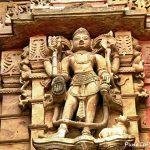
- Sculptural Details: The exterior walls are rich in relief work. Notable is the frieze of elephants’ heads and forequarters running around the building. Scenes from the Ramayana and Mahabharata are etched into the stone panels. At the entrance, gigantic cement elephants stand guard, symbolizing royal authority and strength.
- Surroundings: The temple is flanked by the lush, wooded hills of the Aravalli range and the flowing Meshwo River, creating a picturesque backdrop that enhances its spiritual aura.
Darshan & Ritual Logistics
The temple administration maintains a strict schedule for devotees. Below are the general timings for Darshan and Puja. Note: Timings may vary slightly during festival seasons or special circumstances.
Daily Darshan Timings
| Session | Timing | Activity |
|---|---|---|
| Morning | 6:00 AM – 12:00 PM | Mangala Darshan, Abhishekam |
| Afternoon | 12:00 PM – 4:00 PM | Temple Cleaning / Rest Period |
| Evening | 4:00 PM – 8:30 PM | Aarti, Shayan Darshan |
Key Sevas & Online Booking
Devotees can book specific rituals to enhance their pilgrimage experience. While on-site booking is available, the state portal facilitates online seva booking.
- Abhishekam: Ritual bathing of the deity (usually morning).
- Archana: Recitation of the holy name (can be performed individually).
- Naivedyam: Offering of food to the Lord.
Procedure: Visit the official Gujarat Temple Trust website (if applicable) or inquire at the temple counter upon arrival. Valid ID proof is required for all bookings.
2026 Major Festival Dates
Planning your visit around these festivals offers a vibrant spiritual experience:
- Janmashtami: August 14-15, 2026 (Celebrating Lord Krishna’s birth).
- Kartik Poornima Fair: November 5, 2026 (The most significant annual fair at Shamalaji, marked by processions and Vedic rituals).
- Holi: March 14, 2026.
- Diwali: October 21, 2026.
Practical Visitor Guidance
To ensure a respectful and smooth darshan experience, please adhere to the following guidelines:
- Dress Code: Traditional attire is recommended. Men should wear dhoti or pants with a shirt; women should wear sarees, salwar kameez, or full-length skirts. Avoid shorts and sleeveless tops.
- Photography: Photography is generally restricted inside the inner sanctum (Garbhagriha). However, the outer courtyard and architecture are photogenic. Always seek permission from security personnel.
- Mobile & Lockers: Electronic devices are to be kept in silence mode. Dedicated locker facilities are available near the entrance for phones and valuables.
- Crowd Management: The temple sees heavy footfall, especially during the Kartik Poornima fair and weekends. Best time to visit: Early morning (6:00 AM) on weekdays. During summer (May), the Aravalli heat can be intense; carry a water bottle and an umbrella.
- Accessibility: The temple has a paved path leading to the sanctum, though some steps are involved. Wheelchair access is limited to the outer courtyard.
Pilgrimage Connectivity
Shamalaji is strategically located on the border of Gujarat and Rajasthan, making it a vital node in the regional pilgrimage circuit.
How to Reach
- By Air: The nearest airport is Sardar Vallabhbhai Patel International Airport (AMD) in Ahmedabad, approximately 100 km away (a 2-hour drive).
- By Rail: The nearest railway station is Shamalaji Road (1.5 km from the temple). Alternatively, Godhra Junction (25 km) is a major railhead with better connectivity.
- By Road: The temple is located on National Highway 8 (now NH 48), connecting Ahmedabad and Udaipur. It is easily accessible by private taxi or bus from major cities like Ahmedabad, Himmatnagar, and Sabarkantha.
Nearby Sacred Sites (Pilgrimage Circuit)
- Devni Mori: Located just 2 km away, this is an archaeological site containing a Buddhist stupa from the Mauryan era, housing relics believed to be of the Buddha.
- Trilokeshwar Mahadev Temple: Situated opposite Shamalaji, this ancient shrine houses a unique idol of Lord Shiva with a trident.
- Meshwo River Banks: A holy spot for ritual bathing, located at the foot of the temple hills.
Photo Gallery

Frequently Asked Questions (FAQ)
1. What is the significance of the white flag at Shamalaji?
The white flag (Dhajja) atop the temple gives Shamalaji its nickname, Dholi Dhajawala. It symbolizes victory and the presence of the deity. It is said that the flag remains pristine white regardless of weather conditions, which devotees consider a divine miracle.
2. Is there a VIP Darshan entry available?
Yes, the temple trust offers special passes for VIP darshan, particularly for elderly devotees or those with medical conditions. These can be obtained at the administration office near the main gate upon production of a valid ID.
3. What is the best time of year to visit Shamalaji?
The ideal time is between October and March when the weather in the Aravalli region is pleasant. Avoid the peak summer months (April–June) due to high temperatures.
4. Are there accommodation facilities available nearby?
Yes, there are several guest houses and dharamshalas in the vicinity managed by the temple trust and private entities. For a comfortable stay, the nearby town of Himmatnagar offers a wider range of hotels.
5. Is non-vegetarian food allowed in the area?
No, Shamalaji is a strict vegetarian pilgrimage site. Alcohol and non-vegetarian food are prohibited within the temple complex and surrounding areas.
Contact Details
For inquiries regarding rituals or timings, you may contact the temple administration:
- Address: National Highway 8, Samalaji, Aravalli, Gujarat 383355
- Phone: 02771 240399
Recent Posts

Shri Kaamkoteeshwar Mandir, Varanasi – History & Significance
In the heart of Kashi, the eternal city of Lord Shiva, where the Ganges flows with celestial grace, stands the Shri Kaamkoteeshwar Mandir. This sacred Sannidhi is not merely a temple but a profound spiritual bridge between the Northern…

ओ सांवरे तूने ही मुझको संभाला – Lyrics & Meaning
ओ सांवरे तूने ही मुझको संभाला – A Prayer to Shyam Origin & Spiritual Essence Why This Bhajan Resonates Devotees chant this when overwhelmed by life’s storms—the refrain ‘तूने ही मुझको संभाला’ is the soul’s sigh of relief: “You…

कथा ये है महाराज मेरे की – Lyrics & Meaning
कथा ये है महाराज मेरे की छत्रपति संभाजी महाराज – A Prayer to Chhatrapati Sambhaji Maharaj Origin & Spiritual Essence Why This Bhajan Resonates Devotees chant this when their spirit feels tested—its powerful refrain “महाराज मेरे” is a soul’s…

Rigveda Samhita Yathartha Anuvada (ऋग्वेद संहिता यथार्थ अनुवाद) – Complete Set with Anvayartha & Hindi/English Translation
The Rigveda is the oldest surviving scripture of humanity and the foundational text of Sanātana Dharma. For serious students, scholars, UPSC aspirants studying ancient Indian history, Sanskrit learners, and spiritual seekers, a precise and grammatically structured translation is indispensable.…

आना भी अकेला है जाना भी अकेला है – Lyrics & Meaning | BharatTemples
आना भी अकेला है जाना भी अकेला है – A Prayer to the Divine Witness Origin & Spiritual Essence Why This Bhajan Resonates Devotees turn to this bhajan in moments of deep reflection—when life’s attachments begin to ache. The…

माता शेरावाली के द्वार जो भी जाता है – Lyrics & Meaning
माता शेरावाली के द्वार जो भी जाता है – A Prayer to Maa Sherawali Origin & Spiritual Essence Why This Bhajan Resonates Devotees turn to this bhajan in times of fear or uncertainty—its promise that no one leaves Maa’s…

मार लेना सपणी उबार लेणा भवरा – Lyrics & Meaning
मार लेना सपणी उबार लेणा भवरा – A Prayer to the Divine Beloved Origin & Spiritual Essence Why This Bhajan Resonates Devotees chant this in moments of deep vulnerability—its cry of “मार लेना सपणी, उबार लेणा भवरा” is the…

हमें श्याम सुंदर भरोसा तुम्हारा – Lyrics & Meaning
हमें श्याम सुंदर भरोसा तुम्हारा – A Prayer to Shyam Sundar Origin & Spiritual Essence Why This Bhajan Resonates Devotees chant this when feeling alone—its refrain ‘de do sahara’ is the soul’s cry for divine support. Lyrics in Hindi…

Mere Satguru Ne Di Thi Davai Lyrics in Hindi & Meaning
Mere Satguru Ne Di Thi Davai: Invoking the Guru’s Liberating Wisdom This soul-stirring bhajan venerates the Satguru (True Spiritual Master) as the divine physician who dispenses the only remedy for life’s deepest sufferings. Composed by Sant Karmaveer Tufani, it…

Janm Diyo Thari Maa Dukh Dekhiyo Lyrics in Hindi & Meaning
जन्म दियो थारी माँ दुख देखियो (Maa’s Grief Upon Birthing You) This soul-stirring Chetavani Bhajan (admonitory hymn) is addressed to the Divine Mother (Maa) – a call for repentance when children forget their filial duties in the dark age…