Gorthiya Mahadev Temple: History, Darshan Timings & Complete Guide
Receive daily temple updates, divine darshan, and morning bhajans directly on WhatsApp.
Contents
- 1 Definitive Pilgrimage Guide: Gorthiya Mahadev Temple, Sabarkantha
Definitive Pilgrimage Guide: Gorthiya Mahadev Temple, Sabarkantha
1. Introduction & Spiritual Essence
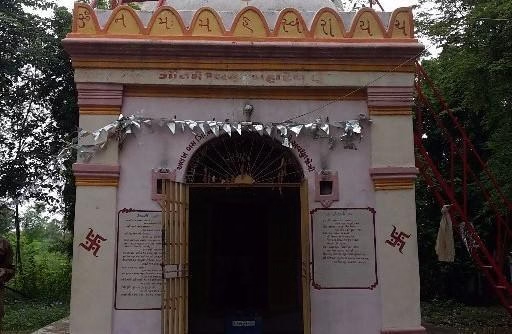
Nestled in the tranquil village of Takar, approximately 8 km from Ranasan in the Prantij taluka of Sabarkantha district, the Gorthiya Mahadev Temple stands as a testament to ancient devotion. Dedicated to Lord Shiva (Mahadev), this temple is revered for its serene atmosphere and spiritual potency.
Locally known as the ગોરઠીયા મહાદેવ મંદિર (Gorthiya Mahadev Mandir), the primary deity is a Swayambhu (self-manifested) Shiva Lingam. Unlike sculpted idols, the Lingam here is believed to have emerged naturally from the earth, symbolizing the formless, infinite nature of the cosmos.
Phalaśruti (Spiritual Benefits):
Devotees visit this sacred site to seek blessings for:
– Mental Peace: The tranquil environment aids in meditation and stress relief.
– Resolution of Obstacles: As the remover of obstacles, Lord Ganesha (often worshipped alongside Shiva) is invoked for successful ventures.
– Ancestral Karmic Cleansing: Rituals performed here are believed to pacify ancestors and bring familial harmony.
2. Historical Origins & Scriptural Legend
Historical Timeline:
According to local historians and temple records, the Gorthiya Mahadev Temple dates back to before the 18th century. While the exact founding date is obscured by time, the structural elements suggest the Maratha or Mughal-influenced architectural eras prevalent in Gujarat during that period. The temple has undergone several renovations to preserve its sanctity while maintaining its ancient aesthetics.
Sthala Purana (Local Legend):
Tradition holds that the name “Gorthiya” is derived from the local dialect, potentially linked to the pastoral history of the region. The legend speaks of a local herdsman or devotee who discovered the self-manifested Lingam while tending to cattle in the dense forests of the Aravalli foothills. When attempts were made to move the stone, it remained immovable, signaling its divine origin. Consequently, a shrine was constructed on the very spot.
📖 Related: Jawalamukhi Temple History & Darshan Timings: Complete Pilgrimage Guide
Unlike the grand mythological epics found in major Puranas, the Sthala Purana of Gorthiya Mahadev is rooted in the oral history of the Takar and Prantij communities, emphasizing a direct, grassroots connection to the divine.
3. Architectural Marvels
The temple showcases a blend of traditional Gujarati and Nagara architectural styles, characterized by intricate stonework and a harmonious layout.
Key Architectural Elements:
– The Shikhara (Spire): The temple features a modest yet elegant shikhara (tower) that rises above the sanctum sanctorum (Garbhagriha). Unlike the towering spires of North Indian temples, this shikhara displays regional characteristics with horizontal mouldings and Kalashas (pot-shaped finials) at the summit.
– Mandapa (Pillared Hall): The assembly hall provides ample space for devotees to sit for prayers. The pillars are carved with motifs of nature and mythology, reflecting the craftsmanship of local artisans.
– Garbhagriha (Sanctum Sanctorum): The inner chamber houses the Swayambhu Shiva Lingam. The low ceiling and confined space create an intimate spiritual atmosphere, focusing all attention on the deity.
While the temple does not hold a UNESCO or ASI (Archaeological Survey of India) tag, its architectural integrity is maintained by the local trust, preserving the stone carvings that have withstood centuries of weathering.
4. Darshan & Ritual Logistics
To ensure a smooth pilgrimage experience, devotees should familiarize themselves with the daily schedule and available sevas. The timings are based on general temple operations in the region; visitors are advised to confirm minor seasonal adjustments locally.
Daily Temple Timings
| Session | Timing |
|---|---|
| Morning Darshan | 06:00 AM – 12:00 PM |
| Afternoon Break | 12:00 PM – 04:00 PM |
| Evening Darshan | 04:00 PM – 08:30 PM |
Key Sevas (Rituals) & Online Booking
The temple offers traditional Vedic rituals. For major festivals, online booking is highly recommended to avoid last-minute disappointments.
- Abhishekam: Ritual bathing of the Shiva Lingam with water, milk, honey, and bael leaves. Performed during morning hours.
- Archana: Recitation of names and hymns dedicated to Lord Shiva. Can be performed individually or for families.
- Maha Aarti: The grand lamp ceremony held in the evening, accompanied by ringing bells and chanting. It is a visual and auditory spectacle.
📖 Related: Sidh Bawa Balak Nath Temple: History, Darshan Timings & Pilgrimage Guide
Online Booking:
Devotees can typically book standard sevas through the Gujarat Tourism portal or the specific trust website if active. Search for “Gujarat Temple Seva Booking” to find the official portal for Sabarkantha temples.
2026 Festival Calendar
- Maha Shivaratri (March 6, 2026): The most significant festival here. The temple remains open all night with special Rudra Abhishek and Bhajan programs.
- Pradosh Vrat: Monthly observance (13th day of the lunar cycle). Specific dates for 2026 to be checked via the Hindu Panchangam.
- Somvar Vrat: Observances on Mondays, particularly auspicious for Shiva devotees.
- Guru Purnima (July 10, 2026): A major event noted in temple records, celebrating spiritual teachers.
5. Practical Visitor Guidance
Respect for the sanctity of the temple is paramount. Here are essential guidelines for visitors:
- Dress Code: Modest attire is mandatory. Men should wear dhotis or trousers and shirts (avoid shorts). Women should wear sarees, salwar kameez, or full-length dresses. Traditional Indian wear is highly encouraged.
- Photography: Photography is generally prohibited inside the Garbhagriha. Discretion should be exercised in the outer mandapa to maintain the devotional vibe.
- Mobile & Lockers: Electronic devices should be kept on silent mode. Since Takar is a small village, dedicated locker facilities may be limited; travel light.
- Accessibility: The temple complex involves steps. Wheelchair accessibility may be limited due to the ancient structure. Please coordinate with the temple trust for assistance if required.
- Crowd Management:
– Best Hours: Weekday mornings (Tuesday to Thursday) offer the most peaceful darshan.
– Seasonal Advice: Summers (April–June) in Sabarkantha are hot; carry water and a hat. Monsoons (July–September) offer pleasant weather but travel cautiously on rural roads.
6. Pilgrimage Connectivity
Located in the scenic Aravalli range, reaching Gorthiya Mahadev Temple involves a mix of rail and road travel.
How to Reach
- By Air: The nearest airport is Sardar Vallabhbhai Patel International Airport (AMD) in Ahmedabad, approximately 85 km away (2-hour drive).
- By Rail: The nearest major railway station is Prantij (approx. 15 km) or Sabarkantha station. For better connectivity, travelers often disembark at Ahmedabad Junction and hire a taxi/cab.
- By Road:
– From Ahmedabad: Take NH 48 towards Himmatnagar. Take the detour for Prantij/Takar via State Highway 210.
– The drive is scenic, passing through the Aravalli hills and rural Gujarat landscapes.
📖 Related: Hidimba Devi Temple, Manali: History, Darshan Timings & Complete Guide
Nearby Sacred Sites (Pilgrimage Circuit)
- Shri Khodiyar Mata Temple (Matar, near Bhiloda): A renowned shrine located about 30 km from Takar, dedicated to the mother goddess.
- Uttarsanda Stepwell (Nal Sarovar Road): An architectural marvel reflecting the water conservation heritage of Gujarat, located en route to Ahmedabad.
- Shri Shankheshwar Parshvanath Temple: A major Jain temple complex located in Shankheshwar, roughly 50 km away, making for a diverse spiritual journey.
7. Frequently Asked Questions (FAQs)
1. What is the best time of year to visit Gorthiya Mahadev Temple?
The ideal time is between October and March. The weather is cool and pleasant, making the journey and darshan comfortable. However, Shivratri in March is the peak season with massive crowds and vibrant celebrations.
2. Is there a VIP darshan entry available?
As a regional temple, VIP darshan protocols are not as formalized as in major pilgrim centers like Somnath or Dwarka. However, priority is usually given to elderly devotees, differently-abled visitors, and those booking specific sevas (like Abhishekam) during their designated slots.
3. Are there accommodation facilities available in Takar?
Takar is a small village with limited lodging. It is recommended to stay in Prantij or Modasa where budget hotels and guest houses are available. Alternatively, Ahmedabad offers a wide range of luxury and budget options, a 90-minute drive away.
4. Can we offer food (Prasad) to the deity?
Yes, you can bring dry fruits, milk, ghee, or honey for Abhishekam. For general community offerings (Bhandara), it is best to consult the temple trust office prior to your visit to align with their schedule.
5. What is the contact number for the temple?
According to public records, the contact number for the Gorthiya Mahadev Temple trust is 09662712065. It is advisable to call ahead for updated timings during festivals or holidays.
Disclaimer: While every effort is made to ensure accuracy based on available records and local traditions, temple timings and protocols are subject to change. Please verify with local authorities before planning your trip.