
Contents
Introduction & Spiritual Essence
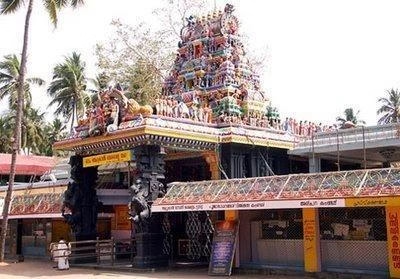
Nestled just 2 kilometers from the famed Sree Padmanabhaswamy Temple, the Attukal Bhagavathy Temple stands as a beacon of feminine divinity in the heart of Thiruvananthapuram, Kerala. Often referred to as the “Sabarimala of Women,” this sacred shrine is dedicated to Goddess Bhadrakali, worshipped here in her benign Soumya (peaceful) form.
The primary deity is Bhadrakali, a form of Mahakali who rose from the third eye of Lord Shiva to vanquish the demon king Daruka. In this specific Sthala (place), she is revered as Attukal Amma, the Supreme Mother. Philosophically, ‘Bhadra’ signifies goodness and auspiciousness, while ‘Kali’ represents the controller of time. Therefore, the devotees believe that Attukal Amma bestows prosperity, courage, and salvation upon all who seek her grace.
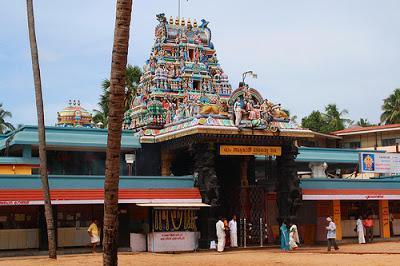
She is also intimately linked to the epic Silapathikaaram, embodying the chastity and power of Kannaki. Devotees visit the temple to cleanse ancestral karma, seek protection from evil forces, and fulfill worldly wishes.
Phalaśruti: The Benefits of Pilgrimage
According to temple lore and the beliefs of millions of devotees, visiting Attukal Temple offers profound spiritual benefits:
- Bestowal of Progeny: Unmarried women often pray here for a suitable life partner and a harmonious married life.
- Removal of Afflictions: The temple is renowned for alleviating chronic diseases and planetary afflictions (Graha Doshas).
- Ancestral Peace: Performing rituals here is believed to bring peace to departed souls, liberating ancestors from the cycle of rebirth.
- Attainment of Wealth and Wisdom: As the embodiment of Maha Lakshmi (wealth), Maha Saraswati (knowledge), and Mahakali (power), the Goddess fulfills the material and spiritual needs of devotees.
Historical Origins & Scriptural Legend
The history of Attukal Temple is a blend of ancient mythology and local folklore. The temple dates back several centuries, though the exact construction date is not precisely documented in historical records.
The Legend of Kannaki
According to the Stala Purana, the temple’s origins are tied to Kannaki, the heroine of Ilanko Adikal’s epic Silapathikaaram. After unjustly cursing the city of Madurai and burning it due to the wrongful execution of her husband, Kovalan, Kannaki set out towards Kodungallur (Kerala).
On her journey, she passed through the banks of the Killi river (near present-day Attukal). It is said that she appeared before an old man in the form of a young girl, requesting help to cross the stream. The man took her home, but she mysteriously vanished. Later, she appeared in his dreams, instructing him to build a shrine at the spot where he found three golden lines in his grove. This spot is believed to be the sanctum sanctorum of the current Attukal Bhagavathy Temple.
The Legend of Daruka
Tradition holds another narrative identifying the Goddess as Bhadrakali, born from the third eye of Lord Shiva to slay the demon Daruka. In this temple, she is worshipped as the slayer of evil and the protector of Dharma. The temple Trust records indicate that the temple has undergone renovations over the centuries to preserve its sanctity and architectural integrity.
Architectural Marvels
The Attukal Temple is a stunning example of the traditional Kerala style of architecture, distinct from the Nagara or Dravida styles found in mainland India.
Vastu and Design
The temple complex is designed according to the principles of Vastu Shastra, ensuring a flow of positive energy. The sanctum sanctorum (Sreekovil) is circular and built of granite, housing the idol of Bhadrakali mounted on an elephant (Vethala), symbolizing royalty and strength.
Mandapas and Shrines
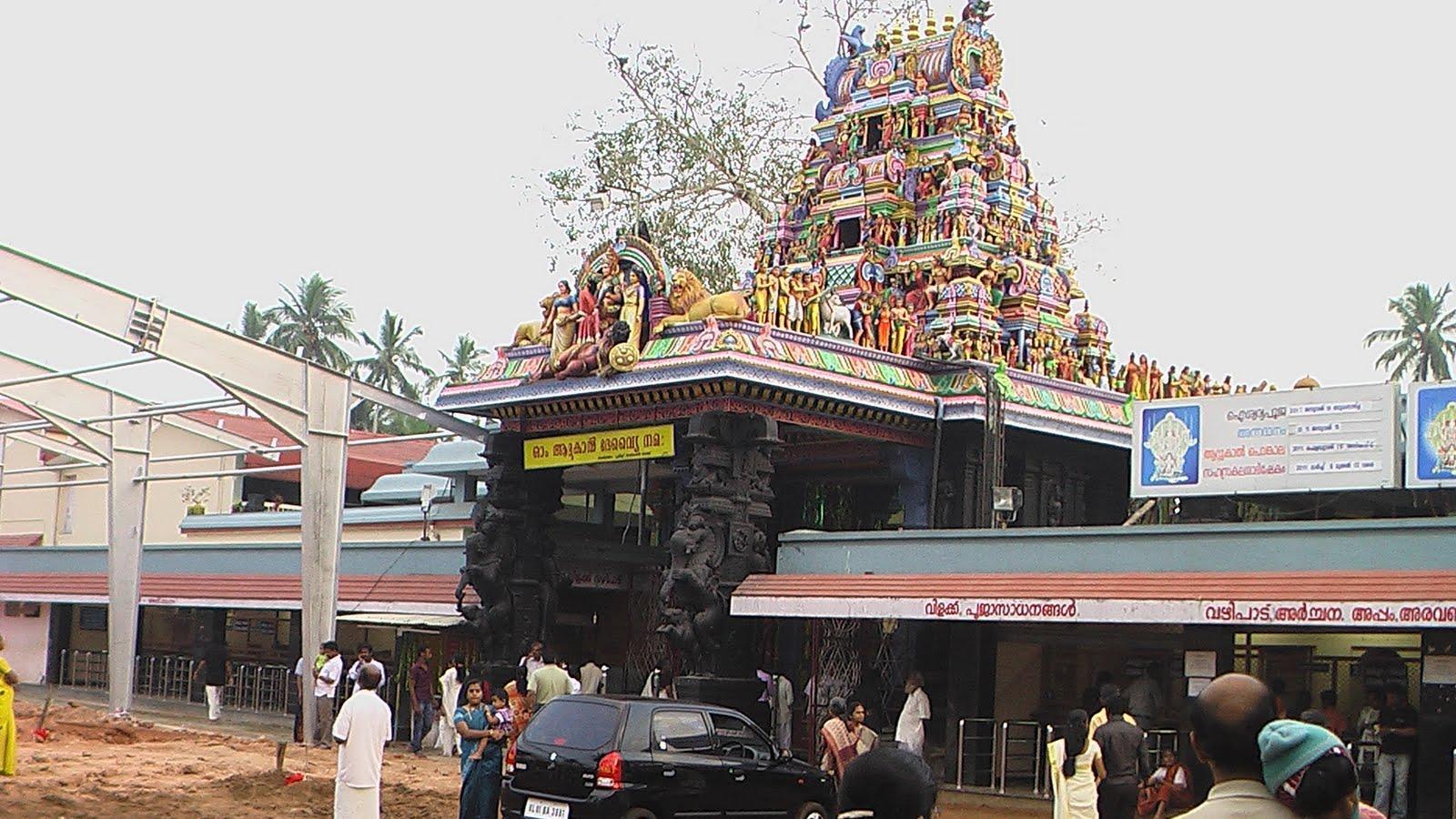
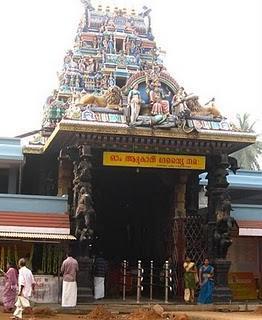
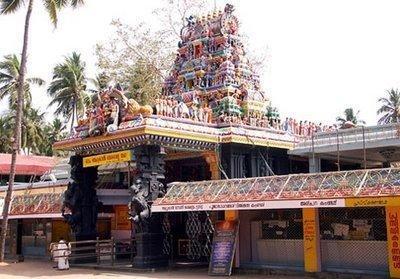
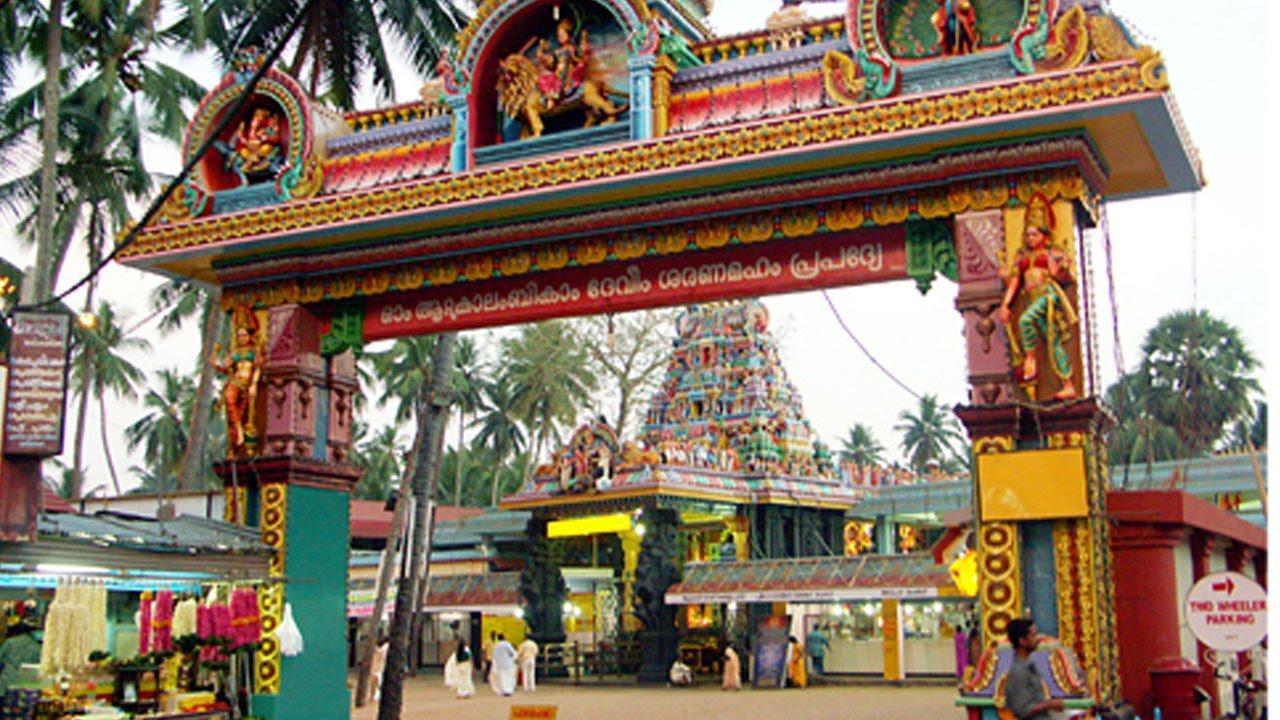
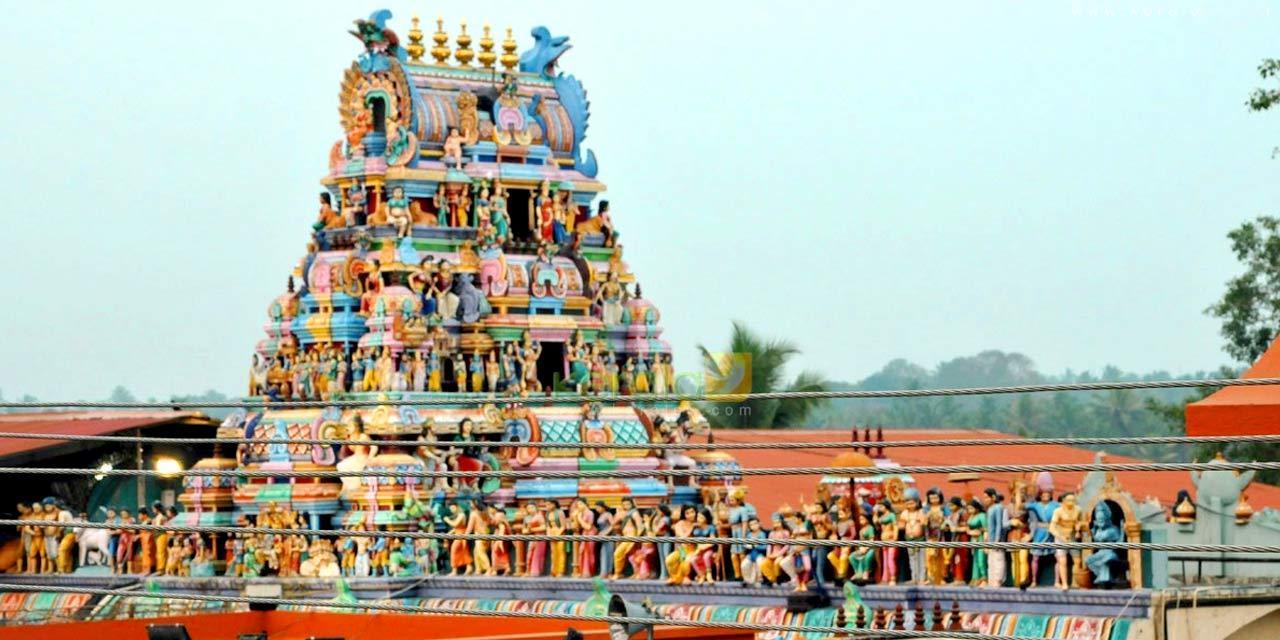
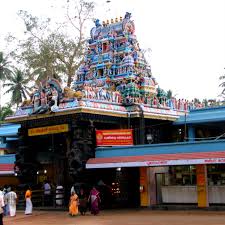
The Gopuram (entrance tower) is relatively modest compared to other South Indian temples but exudes a unique charm. The Nalambalam (courtyard) features intricate wooden carvings depicting stories from the Puranas. The temple also houses sub-shrines dedicated to Lord Siva, Lord Ganesha, Sastha, and Nagas.
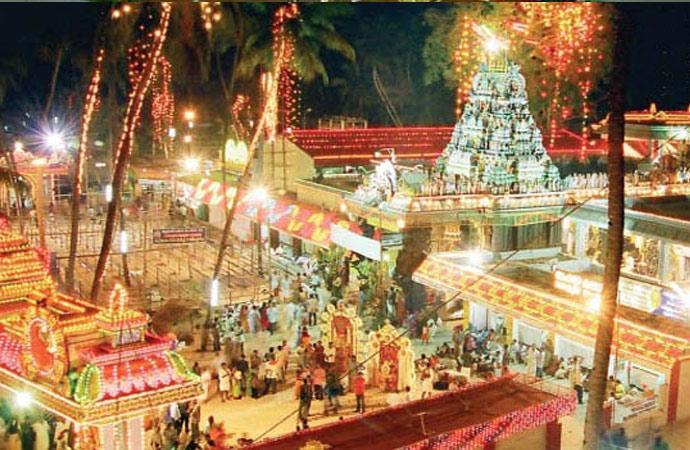
Of particular note is the Bali Thara (sacrificial platform) and the expansive Namaskara Mandapa, where the massive gatherings during festivals take place. The architecture facilitates the unique ritual of Pongala, allowing thousands of women to cook on open hearths within the temple premises and the surrounding streets.
Darshan & Ritual Logistics (2026 Guide)
Planning your visit requires understanding the daily schedule and key rituals. The temple administration is highly organized, utilizing digital systems for crowd management, especially during festivals.
Daily Darshan Timings
The temple remains open from early morning until late evening. Please note that timings may vary slightly on festival days.
| Session | Timing | Activity |
|---|---|---|
| Morning | 04:30 AM – 12:00 PM | Morning Prayers, Abhishekam, Alankaram |
| Afternoon | 12:00 PM – 04:00 PM | Madhura Pooja (Deity Rest) |
| Evening | 04:00 PM – 08:30 PM | Deeparadhana, Pushpanjali, Sayana Pooja |
| Closure | 08:30 PM | Temple Doors Close |
Key Sevas and Offerings
- Abhishekam: Ritual bathing of the deity with water, milk, honey, and sandalwood paste. Best performed on Tuesdays and Fridays.
- Archana: Recitation of the Goddess’s names. Can be performed for individual or family well-being.
- Thulabharam: Offering items (sugar, rice, coins) equal to the weight of the devotee.
- Pongala: The supreme offering where rice is cooked in fresh earthen pots on open fires.
Online Seva Booking
In 2026, the Attukal Temple Trust manages online bookings through their official website. Devotees can book Abhishekam, Archana, and special darshan slots.
- Visit the official Attukal Temple website (usually
attukal.org). - Select “Seva/Online Services.”
- Choose the specific ritual and date.
- Complete payment via UPI or credit card.
- Carry the booking confirmation (digital or print) for verification at the temple counter.
Festival Dates for 2026
The temple is most famous for the Attukal Pongala, a festival recognized by the Guinness World Records as the largest gathering of women in a single location for a religious activity.
- Mahashivratri: February 26, 2026
- Attukal Pongala: February 25, 2026 (Kumbham 10, according to the Malayalam calendar). On this day, the entire city of Thiruvananthapuram transforms into a massive open kitchen.
- Vishu: April 14, 2026 (Special Deeparadhana).
- Navaratri: September 22 – October 1, 2026 (Special Saptahotsavam).
Practical Visitor Guidance
To ensure a serene Darshan experience, adhere to the following guidelines:
- Dress Code: Traditional attire is mandatory. Men should wear Mundu or trousers with a shirt (no vests). Women should wear saree, salwar kameez, or full-length skirts.
- Photography: Strictly prohibited inside the sanctum sanctorum and the inner courtyard. Mobile phones should be kept on silent mode.
- Mobile Lockers: Electronic devices are not allowed in the inner temple complex. Secure lockers are available near the entrance for a nominal fee.
- Accessibility: The temple has ramps for wheelchair access to the main gate, but the inner sanctum involves steps. Senior citizens are allowed special darshan queues.
Crowd Management
- Best Hours: For a peaceful Darshan, visit between 7:00 AM and 10:00 AM on weekdays. Weekend afternoons are typically crowded.
- Seasonal Advice:
- March–May: The summer heat in Trivandrum can be intense. Carry a water bottle and an umbrella.
- June–September: Monsoon season. The temple looks lush, but heavy rains are common. Carry rain gear.
Pilgrimage Connectivity
Attukal Temple is centrally located in the capital city of Kerala, making it highly accessible.
How to Reach
- By Air: The nearest airport is Trivandrum International Airport (TRV), located approximately 12 km away (30 minutes by taxi).
- By Rail: The nearest railway station is Thiruvananthapuram Central (TVC), 6 km from the temple. Auto-rickshaws and cabs are readily available.
- By Road: The temple is located near the Attukal Bridge on the Chiramukku road. It connects directly to the NH 66 (formerly NH 47). Public buses (Kerala RTC) frequently ply from East Fort and Thampanoor to Attukal.
Nearby Sacred Sites
A pilgrimage to Attukal is often combined with visits to other major shrines in Thiruvananthapuram:
- Sree Padmanabhaswamy Temple: Located just 2 km away at East Fort. A must-visit for Lord Vishnu devotees.
- Kovalam Beach: A 15-minute drive from the temple. A serene spot for relaxation after a spiritual journey.
- Aruvikkara Dam: Located about 15 km away, this spot features a temple dedicated to Bhadrakali and is a popular picnic spot.
Photo Gallery
Frequently Asked Questions (FAQ)
Is there a VIP darshan entry at Attukal Temple?
Yes, the temple administration provides special darshan tickets for senior citizens, differently-abled devotees, and infants. While there isn’t a traditional “VIP” quota, purchasing an Abhishekam ticket often allows for closer access to the deity during the ritual times.
Can I participate in the Pongala festival without cooking?
Yes, women from all over the world participate. While the ritual involves cooking, many women participate in a supportive role. However, if you wish to perform the Pongala (cooking), you must register with the temple trust in advance. The streets become packed; arriving early on the morning of the festival is crucial.
Are there accommodation facilities nearby?
While the temple does not have an attached guesthouse, there are numerous private lodges, homestays, and hotels in Attukal and nearby East Fort. The District Tourism Promotion Council (DTPC) also runs tourist bungalows nearby. It is advisable to book 2-3 months in advance during the festival season.
What is the significance of the “Vethala” (Elephant) idol?
Unlike other temples where the deity rides a lion or a vehicle, Goddess Attukal Amma is seated on an elephant (Vethala). The elephant symbolizes strength, wisdom, and royalty. It signifies that the Goddess is the protector of the universe and ruler of the earth.
Is non-vegetarian food allowed near the temple?
No, as with most temples in Kerala, the temple premises and the immediate surroundings are strictly vegetarian zones. Alcohol and smoking are strictly prohibited in the area.
Recent Posts

Shri Kaamkoteeshwar Mandir, Varanasi – History & Significance
In the heart of Kashi, the eternal city of Lord Shiva, where the Ganges flows with celestial grace, stands the Shri Kaamkoteeshwar Mandir. This sacred Sannidhi is not merely a temple but a profound spiritual bridge between the Northern…

ओ सांवरे तूने ही मुझको संभाला – Lyrics & Meaning
ओ सांवरे तूने ही मुझको संभाला – A Prayer to Shyam Origin & Spiritual Essence Why This Bhajan Resonates Devotees chant this when overwhelmed by life’s storms—the refrain ‘तूने ही मुझको संभाला’ is the soul’s sigh of relief: “You…

कथा ये है महाराज मेरे की – Lyrics & Meaning
कथा ये है महाराज मेरे की छत्रपति संभाजी महाराज – A Prayer to Chhatrapati Sambhaji Maharaj Origin & Spiritual Essence Why This Bhajan Resonates Devotees chant this when their spirit feels tested—its powerful refrain “महाराज मेरे” is a soul’s…

Rigveda Samhita Yathartha Anuvada (ऋग्वेद संहिता यथार्थ अनुवाद) – Complete Set with Anvayartha & Hindi/English Translation
The Rigveda is the oldest surviving scripture of humanity and the foundational text of Sanātana Dharma. For serious students, scholars, UPSC aspirants studying ancient Indian history, Sanskrit learners, and spiritual seekers, a precise and grammatically structured translation is indispensable.…

आना भी अकेला है जाना भी अकेला है – Lyrics & Meaning | BharatTemples
आना भी अकेला है जाना भी अकेला है – A Prayer to the Divine Witness Origin & Spiritual Essence Why This Bhajan Resonates Devotees turn to this bhajan in moments of deep reflection—when life’s attachments begin to ache. The…

माता शेरावाली के द्वार जो भी जाता है – Lyrics & Meaning
माता शेरावाली के द्वार जो भी जाता है – A Prayer to Maa Sherawali Origin & Spiritual Essence Why This Bhajan Resonates Devotees turn to this bhajan in times of fear or uncertainty—its promise that no one leaves Maa’s…

मार लेना सपणी उबार लेणा भवरा – Lyrics & Meaning
मार लेना सपणी उबार लेणा भवरा – A Prayer to the Divine Beloved Origin & Spiritual Essence Why This Bhajan Resonates Devotees chant this in moments of deep vulnerability—its cry of “मार लेना सपणी, उबार लेणा भवरा” is the…

हमें श्याम सुंदर भरोसा तुम्हारा – Lyrics & Meaning
हमें श्याम सुंदर भरोसा तुम्हारा – A Prayer to Shyam Sundar Origin & Spiritual Essence Why This Bhajan Resonates Devotees chant this when feeling alone—its refrain ‘de do sahara’ is the soul’s cry for divine support. Lyrics in Hindi…

Mere Satguru Ne Di Thi Davai Lyrics in Hindi & Meaning
Mere Satguru Ne Di Thi Davai: Invoking the Guru’s Liberating Wisdom This soul-stirring bhajan venerates the Satguru (True Spiritual Master) as the divine physician who dispenses the only remedy for life’s deepest sufferings. Composed by Sant Karmaveer Tufani, it…

Janm Diyo Thari Maa Dukh Dekhiyo Lyrics in Hindi & Meaning
जन्म दियो थारी माँ दुख देखियो (Maa’s Grief Upon Birthing You) This soul-stirring Chetavani Bhajan (admonitory hymn) is addressed to the Divine Mother (Maa) – a call for repentance when children forget their filial duties in the dark age…