
Contents
- 1 Definitive Pilgrimage Guide: Mahakaleshwar Jyotirlinga, Ujjain
- 1.1 Introduction & Spiritual Essence
- 1.2 Historical Origins & Scriptural Legend
- 1.3 Architectural Marvels
- 1.4 Darshan & Ritual Logistics (2026 Schedule)
- 1.5 Practical Visitor Guidance
- 1.6 Pilgrimage Connectivity
Definitive Pilgrimage Guide: Mahakaleshwar Jyotirlinga, Ujjain
Introduction & Spiritual Essence
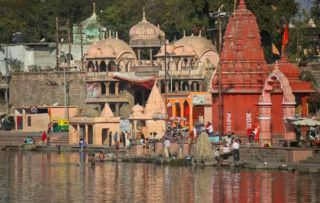
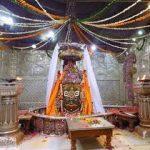
The Mahakaleshwar Jyotirlinga in Ujjain, Madhya Pradesh, stands as a timeless monument to Lord Shiva. As one of the twelve Jyotirlingas—sacred abodes where Shiva manifested as a fiery pillar of light—it holds a unique position in the spiritual geography of India. The presiding deity here is Swayambhu, meaning “self-manifested,” deriving cosmic energy (Shakti) from within its own essence, unlike ritually established idols.
Why Devotees Visit: Phalaśruti
According to ancient texts, specifically the Shiva Purana, offering prayers to Mahakaleshwar offers immense spiritual merit (Punya). The primary significance lies in the concept of Kalas (time). Lord Shiva here is the Lord of Time (Mahakala), transcending past, present, and future. Devotees believe that worshipping at this shrine cleanses ancestral karma and liberates one from the fear of death and untimely demise. Unlike other Jyotirlingas, the southern orientation of the deity allows for a unique Tantric worship tradition, offering spiritual liberation and material prosperity.
Historical Origins & Scriptural Legend
The history of Mahakaleshwar is a tapestry woven with scriptural references and historical reconstructions.
The Sthala Purana and Scriptural References
The Shiva Purana and Padma Purana recount a legendary story involving a five-year-old boy named Shrikar. Inspired by the devotion of a Brahmin named Devaputra, he worshipped Shiva, taking a stone as a lingam. Over time, this devotion grew, and Shiva manifested as the Jyotirlinga.
Furthermore, the temple is glorified in the 7th-century C.E. Tamil Thevaram hymns of Saint Tirugnana Sambandar, who refers to Ujjain as “Oonjai.”
Architectural Patronage
The temple has faced destruction and reconstruction throughout history. Tradition holds that the original structure was destroyed by Sultan Shams-ud-din Iltutmish during his raid in 1234-1235 CE.
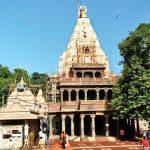
The present grand structure was built in 1734 CE by Ranoji Scindia, a general under the Peshwa Bajirao I. Later developments were overseen by prominent Scindia dynasty figures, including Mahadji Scindia and Baiza Bai. In recent years, the Mahakal Corridor has expanded the temple complex, enhancing its architectural grandeur.
Architectural Marvels
The temple is a masterpiece of Maratha and Dravidian architectural styles, integrated with specific Vastu Shastra principles.
Unique Features of the Sanctum
- Dakshinamurti: The idol of Mahakaleshwar faces south. This is a singular feature among the 12 Jyotirlingas, upheld by the Tantric Shivnetra tradition.
- Five Levels: The temple consists of five levels, one of which is underground (Bhoga-Mandapa level), maintaining a cool temperature even in summer.
- Consecration: The idol of Omkareshwar Mahadev is consecrated in the sanctum above the Mahakal shrine. Images of Ganesh, Parvati, and Karttikeya are installed in the west, north, and east, respectively.
- Nagchandreshwar: Located on the third storey, the idol of Nagchandreshwar (Shiva entwined with serpents) is visible only on Nag Panchami.
The Shikhara (spire) is adorned with intricate brass lamps and sculptural finery. The new Mahakal Corridor features a fusion of traditional Nagara style with contemporary stone carving, utilizing indigenous sandstone.
Darshan & Ritual Logistics (2026 Schedule)
Devotees should note that the Mahakal Corridor has introduced streamlined security checks. It is advisable to book Sevas well in advance via the official portal.
Daily Timings
| Session | Timing | Description |
|---|---|---|
| Morning | 04:00 AM – 07:00 AM | Bhasma Aarti (Requires prior registration) & General Darshan. |
| Afternoon | 07:00 AM – 05:00 PM | General Darshan and Ritual Pujas. |
| Evening | 05:00 PM – 07:00 PM | Shringar Darshan (Adorned Deity). |
| Night | 07:00 PM – 11:00 PM | General Darshan (Close by 11:00 PM). |
Key Sevas and 2026 Festival Dates
- Bhasma Aarti: Performed daily using ash from a fresh pyre. Registration closes 24 hours prior.
- Abhishekam: Available 6:00 AM – 1:00 PM and 6:00 PM – 8:30 PM.
- Mahashivratri 2026: February 27th. Expect high crowds; special passes required for night darshan.
- Maha Shivaratri: The most significant festival, featuring a grand fair and night-long worship.
- Kartik Purnima: November 14th, 2026. Special ceremonies on the banks of the Kshipra and Rudra Sagar.
Online Seva Booking: Visit mahakaleshwar.Ujjain.nic.in or the “Mahakal Ujjain” app for real-time availability.
Practical Visitor Guidance
Adhering to the temple’s discipline ensures a smooth darshan experience.
Rules & Regulations
- Dress Code: Traditional Indian attire is mandatory. Men should wear dhoti/kurta or trousers; women should wear saree/salwar kameez.
- Electronics: Mobile phones and cameras are strictly prohibited in the sanctum. Use the free mobile lockers available at the entrance security check.
- Photography: Permitted in the outer corridors (Corridor area) but banned near the inner sanctum.
- Accessibility: The new Mahakal Corridor is wheelchair accessible with ramps, though the underground sanctum has steep stairs.
Crowd Management & Seasonal Advice
- Best Hours: The ideal time for Darshan is between 9:00 AM and 11:00 AM, or post 8:00 PM (excluding peak festivals).
- Summer (April-June): Ujjain can be scorching. Carry a water bottle (sealed, allowed) and light cotton clothes.
- Monsoon: Light rain gear is recommended, though umbrellas may be restricted inside the dense crowds.

Pilgrimage Connectivity
Ujjain is a central hub in the Malwa region of Madhya Pradesh.
How to Reach
- By Air: The nearest airport is Devi Ahilya Bai Holkar Airport, Indore (approx. 55 km). Taxis and buses are available directly to Ujjain.
- By Rail: Ujjain Junction (UJN) is well-connected to major cities like Delhi, Mumbai, and Ahmedabad.
- By Road: Ujjain is on National Highway 52 and National Highway 552. The Mahakal Expressway (connecting Indore to Ujjain) has significantly reduced travel time.
Nearby Sacred Sites (Pilgrimage Circuit)
- Har Siddhi Temple: Located just 2 km from Mahakaleshwar, dedicated to Goddess Mahalakshmi.
- Shri Kal Bhairav Temple: Famous for its rituals involving wine offering, located near the Kshipra river.
- Gopal Mandir: A 19th-century Vaishnavite temple showcasing Maratha architecture.
- Shri Ram Ghat: One of the holiest bathing ghats of the Kshipra River, ideal for evening Aarti.
Frequently Asked Questions (FAQ)
1. Is there a VIP Darshan entry?
Yes, the temple administration offers a “Fast Track” darshan ticket, usually priced around INR 250-300, which allows bypassing the general queue. Tickets are available online or at the Counter 4 near the entrance.
2. What is the cost of Bhasma Aarti?
While the Bhasma Aarti itself is free, registration is mandatory due to limited space. A nominal administrative fee of INR 100 is typically charged for registration via the official website.
3. Can I carry my luggage inside?
Large bags and suitcases are not permitted. Free locker facilities are provided for backpacks and small electronic items. It is advised to travel light.
4. When is Nagchandreshwar Darshan available?
The idol of Lord Nagchandreshwar is situated on the third floor and is open to the public only on Nag Panchami (typically in July or August). Dates vary based on the Hindu calendar.
5. Is the temple open 24/7?
Mahakaleshwar temple is open from 4:00 AM to 11:00 PM daily. It closes for afternoon break (usually 1:00 PM – 2:00 PM) for the deity’s rest, but timings can change during festivals.
Recent Posts

Shri Kaamkoteeshwar Mandir, Varanasi – History & Significance
In the heart of Kashi, the eternal city of Lord Shiva, where the Ganges flows with celestial grace, stands the Shri Kaamkoteeshwar Mandir. This sacred Sannidhi is not merely a temple but a profound spiritual bridge between the Northern…

ओ सांवरे तूने ही मुझको संभाला – Lyrics & Meaning
ओ सांवरे तूने ही मुझको संभाला – A Prayer to Shyam Origin & Spiritual Essence Why This Bhajan Resonates Devotees chant this when overwhelmed by life’s storms—the refrain ‘तूने ही मुझको संभाला’ is the soul’s sigh of relief: “You…

कथा ये है महाराज मेरे की – Lyrics & Meaning
कथा ये है महाराज मेरे की छत्रपति संभाजी महाराज – A Prayer to Chhatrapati Sambhaji Maharaj Origin & Spiritual Essence Why This Bhajan Resonates Devotees chant this when their spirit feels tested—its powerful refrain “महाराज मेरे” is a soul’s…

Rigveda Samhita Yathartha Anuvada (ऋग्वेद संहिता यथार्थ अनुवाद) – Complete Set with Anvayartha & Hindi/English Translation
The Rigveda is the oldest surviving scripture of humanity and the foundational text of Sanātana Dharma. For serious students, scholars, UPSC aspirants studying ancient Indian history, Sanskrit learners, and spiritual seekers, a precise and grammatically structured translation is indispensable.…

आना भी अकेला है जाना भी अकेला है – Lyrics & Meaning | BharatTemples
आना भी अकेला है जाना भी अकेला है – A Prayer to the Divine Witness Origin & Spiritual Essence Why This Bhajan Resonates Devotees turn to this bhajan in moments of deep reflection—when life’s attachments begin to ache. The…

माता शेरावाली के द्वार जो भी जाता है – Lyrics & Meaning
माता शेरावाली के द्वार जो भी जाता है – A Prayer to Maa Sherawali Origin & Spiritual Essence Why This Bhajan Resonates Devotees turn to this bhajan in times of fear or uncertainty—its promise that no one leaves Maa’s…

मार लेना सपणी उबार लेणा भवरा – Lyrics & Meaning
मार लेना सपणी उबार लेणा भवरा – A Prayer to the Divine Beloved Origin & Spiritual Essence Why This Bhajan Resonates Devotees chant this in moments of deep vulnerability—its cry of “मार लेना सपणी, उबार लेणा भवरा” is the…

हमें श्याम सुंदर भरोसा तुम्हारा – Lyrics & Meaning
हमें श्याम सुंदर भरोसा तुम्हारा – A Prayer to Shyam Sundar Origin & Spiritual Essence Why This Bhajan Resonates Devotees chant this when feeling alone—its refrain ‘de do sahara’ is the soul’s cry for divine support. Lyrics in Hindi…

Mere Satguru Ne Di Thi Davai Lyrics in Hindi & Meaning
Mere Satguru Ne Di Thi Davai: Invoking the Guru’s Liberating Wisdom This soul-stirring bhajan venerates the Satguru (True Spiritual Master) as the divine physician who dispenses the only remedy for life’s deepest sufferings. Composed by Sant Karmaveer Tufani, it…

Janm Diyo Thari Maa Dukh Dekhiyo Lyrics in Hindi & Meaning
जन्म दियो थारी माँ दुख देखियो (Maa’s Grief Upon Birthing You) This soul-stirring Chetavani Bhajan (admonitory hymn) is addressed to the Divine Mother (Maa) – a call for repentance when children forget their filial duties in the dark age…