
Contents
Introduction & Spiritual Essence
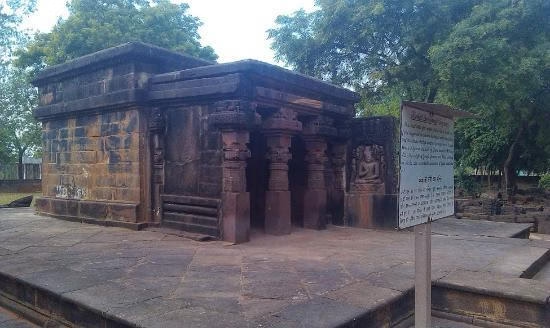
Nestled in the tranquil village of Tigawa in the Katni district of Madhya Pradesh, the Kankali Devi Temple stands as a timeless testament to devotion and ancient architectural grandeur. Known locally as the Tigawa Temple, this sacred site is dedicated to Maa Kali, a fierce manifestation of Goddess Durga. It is widely revered as one of the significant Shakti Peeths in the region, radiating powerful spiritual energy that has drawn devotees for centuries.
Phalaśruti: The Spiritual Benefits
Devotees visit the Kankali Devi Temple seeking liberation from malefic planetary influences and ancestral afflictions. It is believed that performing sincere prayers here helps in:
- Cleansing Ancestral Karma: Offering prayers for Pitru Dosh resolution.
- Removing Obstacles: Maa Kali is worshipped to destroy negative energies and barriers in one’s path.
- Navratri Blessings: During Chaitra and Sharad Navratri, the divine energy is at its peak, fulfilling the wishes of devotees.
Historical Origins & Scriptural Legend
The temple dates back to the early 5th century CE, during the illustrious Gupta Empire. It is one of the best-preserved examples of Gupta-era temple architecture, often referred to as the “Golden Age” of Indian civilization.
Scriptural and Local Legends
While specific scriptural references in the Puranas are often generalized, tradition holds that this site marks the spot where the divine presence of Shakti descended. The name “Kankali” refers to the ascetic form of Goddess Kali. According to local oral history (Sthala Purana), the temple was constructed under the patronage of Gupta rulers who were staunch devotees of Shakti.
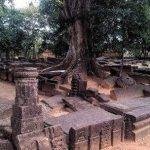
Historical Note: Alexander Cunningham, the founder of the Archaeological Survey of India (ASI), visited Tigawa in 1873. He documented the ruins of several smaller temples surrounding the main shrine, all constructed in the same ancient style, confirming the site’s historical importance.
Architectural Marvels
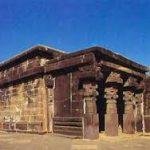
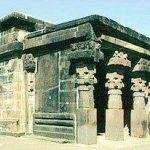
The Kankali Devi Temple is a masterpiece of Nagara style architecture, specifically the early Gupta variation known as the Diara style.
Vastu and Design Elements
- The Sanctum (Garbhagriha): The inner shrine is approximately 8 feet square, housing the idol of Maa Kali.
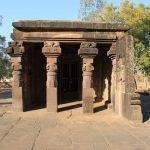
- The Mandapa: Originally an open portico with four pillars, it was later enclosed. The pillars feature typical Gupta order capitals topped with images of Ganga and Yamuna.
- The Shikhara: Unlike the towering spires of later temples, the shikhara here is modest and uncrowded, topped with an Amalaka (circular disk).
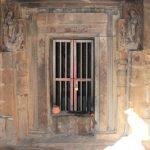
- Sculptural Details: The doorway architrave features seven square bosses, representing wooden beam ends in stone. Inside, an image of Lord Vishnu as Narasimha is also enshrined.
ASI Status: The site is protected by the Archaeological Survey of India, ensuring the preservation of its intricate carvings and structural integrity.
Darshan & Ritual Logistics
To ensure a smooth pilgrimage experience, we have compiled the essential timings and seva details for 2026.
Daily Timings
| Session | Timings | Duration |
|---|---|---|
| Morning Darshan | 06:00 AM – 12:00 PM | 6 Hours |
| Afternoon Break | 12:00 PM – 04:00 PM | 4 Hours |
| Evening Darshan | 04:00 PM – 08:00 PM | 4 Hours |
*Note: Timings may vary slightly during festivals.
Key Sevas & Online Booking
Devotees can book specific rituals such as Abhishekam (ritual bathing of the deity) and Archana (recitation of names). While the temple is ancient, modern facilities have been integrated.
- Online Booking: Available via the official Madhya Pradesh Temple Portal (mptemples.com). Select “Kankali Devi, Tigawa”.
- On-Site Booking: Available at the temple counter 1 hour before darshan opens.
Major Festivals 2026
- Chaitra Navratri: March 30 – April 7, 2026 (Peak crowd, special night-long jagrans).
- Sharad Navratri: September 21 – September 29, 2026 (Grand decorations and cultural programs).
- Kali Puja: October 21, 2026 (Coincides with Diwali).
Practical Visitor Guidance
Dress Code & Etiquette
Visitors are required to wear traditional attire. Men should wear dhoti or pants with a shirt, and women should wear saree, salwar kameez, or churidar. Avoid shorts and sleeveless tops to maintain the sanctity of the shrine.
Photography & Mobiles
Photography is strictly prohibited inside the sanctum. Mobile phones are allowed but must be switched to silent mode. There are no official locker facilities, so travel light.
Crowd Management & Best Time to Visit
- Best Hours: Weekday mornings (6:00 AM – 8:00 AM) offer the most peaceful darshan.
- Seasonal Advice: Summers (April–June) in Katni are hot; carry water and an umbrella. Winters (November–February) offer pleasant weather for travel.
Pilgrimage Connectivity
How to Reach Kankali Devi Temple
By Air: The nearest airport is Raja Bhoj Airport, Bhopal (approx. 200 km / 4 hours drive).
By Rail: The nearest railway junction is Katni Murwara (KTE). From Katni, Tigawa is approximately 50 km away via State Highway 19.
By Road: The temple is located off the Jabalpur-Nagpur Road (NH 45). Private taxis and buses are available from Katni and Jabalpur.
Nearby Sacred Sites
Enhance your pilgrimage circuit by visiting these nearby spiritual centers:
- Maihar Devi Temple: Famous for Sharda Devi, located about 90 km from Tigawa.
- Bhedaghat (Marble Rocks): A natural wonder and site of the Amarkantak temple complex (approx. 100 km).
- Bagh Caves: Ancient Buddhist rock-cut caves (approx. 70 km).
Frequently Asked Questions
1. Is there a VIP darshan entry available?
Yes, the temple administration allows a priority line for elderly citizens (above 70 years) and differently-abled devotees. For general VIP darshan, a prior permission letter from the district magistrate is required.
2. What is the significance of the tilted neck of Maa Kali’s statue?
As per local legend mentioned in the temple’s oral history, the neck of the idol appears slightly tilted, symbolizing the Goddess listening intently to the prayers of her devotees.
3. Is there a specific fee for photography inside the temple premises?
Photography outside the main sanctum is generally allowed for free. However, video recording requires a permit from the ASI office in Katni.
4. Are there accommodation facilities available near the temple?
Basic guesthouses and Dharamshalas are available in Tigawa. For better amenities, hotels in Katni city (40 km) or Jabalpur (70 km) are recommended.
5. Is the temple accessible by car?
Yes, the temple has a dedicated parking area for cars and buses, located about 200 meters from the shrine.
Photo Gallery
Explore the architectural beauty and spiritual aura of Kankali Devi Temple.
Contact Details
Official Address:
Kankali Devi Temple, Tigawa,
District: Katni, Madhya Pradesh, India.
Pin Code: 483451
Administrative Office Contact: +91-XXXX-XXXXXX (Available 10:00 AM – 5:00 PM)
Recent Posts

Shri Kaamkoteeshwar Mandir, Varanasi – History & Significance
In the heart of Kashi, the eternal city of Lord Shiva, where the Ganges flows with celestial grace, stands the Shri Kaamkoteeshwar Mandir. This sacred Sannidhi is not merely a temple but a profound spiritual bridge between the Northern…

ओ सांवरे तूने ही मुझको संभाला – Lyrics & Meaning
ओ सांवरे तूने ही मुझको संभाला – A Prayer to Shyam Origin & Spiritual Essence Why This Bhajan Resonates Devotees chant this when overwhelmed by life’s storms—the refrain ‘तूने ही मुझको संभाला’ is the soul’s sigh of relief: “You…

कथा ये है महाराज मेरे की – Lyrics & Meaning
कथा ये है महाराज मेरे की छत्रपति संभाजी महाराज – A Prayer to Chhatrapati Sambhaji Maharaj Origin & Spiritual Essence Why This Bhajan Resonates Devotees chant this when their spirit feels tested—its powerful refrain “महाराज मेरे” is a soul’s…

Rigveda Samhita Yathartha Anuvada (ऋग्वेद संहिता यथार्थ अनुवाद) – Complete Set with Anvayartha & Hindi/English Translation
The Rigveda is the oldest surviving scripture of humanity and the foundational text of Sanātana Dharma. For serious students, scholars, UPSC aspirants studying ancient Indian history, Sanskrit learners, and spiritual seekers, a precise and grammatically structured translation is indispensable.…

आना भी अकेला है जाना भी अकेला है – Lyrics & Meaning | BharatTemples
आना भी अकेला है जाना भी अकेला है – A Prayer to the Divine Witness Origin & Spiritual Essence Why This Bhajan Resonates Devotees turn to this bhajan in moments of deep reflection—when life’s attachments begin to ache. The…

माता शेरावाली के द्वार जो भी जाता है – Lyrics & Meaning
माता शेरावाली के द्वार जो भी जाता है – A Prayer to Maa Sherawali Origin & Spiritual Essence Why This Bhajan Resonates Devotees turn to this bhajan in times of fear or uncertainty—its promise that no one leaves Maa’s…

मार लेना सपणी उबार लेणा भवरा – Lyrics & Meaning
मार लेना सपणी उबार लेणा भवरा – A Prayer to the Divine Beloved Origin & Spiritual Essence Why This Bhajan Resonates Devotees chant this in moments of deep vulnerability—its cry of “मार लेना सपणी, उबार लेणा भवरा” is the…

हमें श्याम सुंदर भरोसा तुम्हारा – Lyrics & Meaning
हमें श्याम सुंदर भरोसा तुम्हारा – A Prayer to Shyam Sundar Origin & Spiritual Essence Why This Bhajan Resonates Devotees chant this when feeling alone—its refrain ‘de do sahara’ is the soul’s cry for divine support. Lyrics in Hindi…

Mere Satguru Ne Di Thi Davai Lyrics in Hindi & Meaning
Mere Satguru Ne Di Thi Davai: Invoking the Guru’s Liberating Wisdom This soul-stirring bhajan venerates the Satguru (True Spiritual Master) as the divine physician who dispenses the only remedy for life’s deepest sufferings. Composed by Sant Karmaveer Tufani, it…

Janm Diyo Thari Maa Dukh Dekhiyo Lyrics in Hindi & Meaning
जन्म दियो थारी माँ दुख देखियो (Maa’s Grief Upon Birthing You) This soul-stirring Chetavani Bhajan (admonitory hymn) is addressed to the Divine Mother (Maa) – a call for repentance when children forget their filial duties in the dark age…