
Contents
- 1 The Definitive Pilgrimage Guide to Jagannath Temple, Koraput
The Definitive Pilgrimage Guide to Jagannath Temple, Koraput
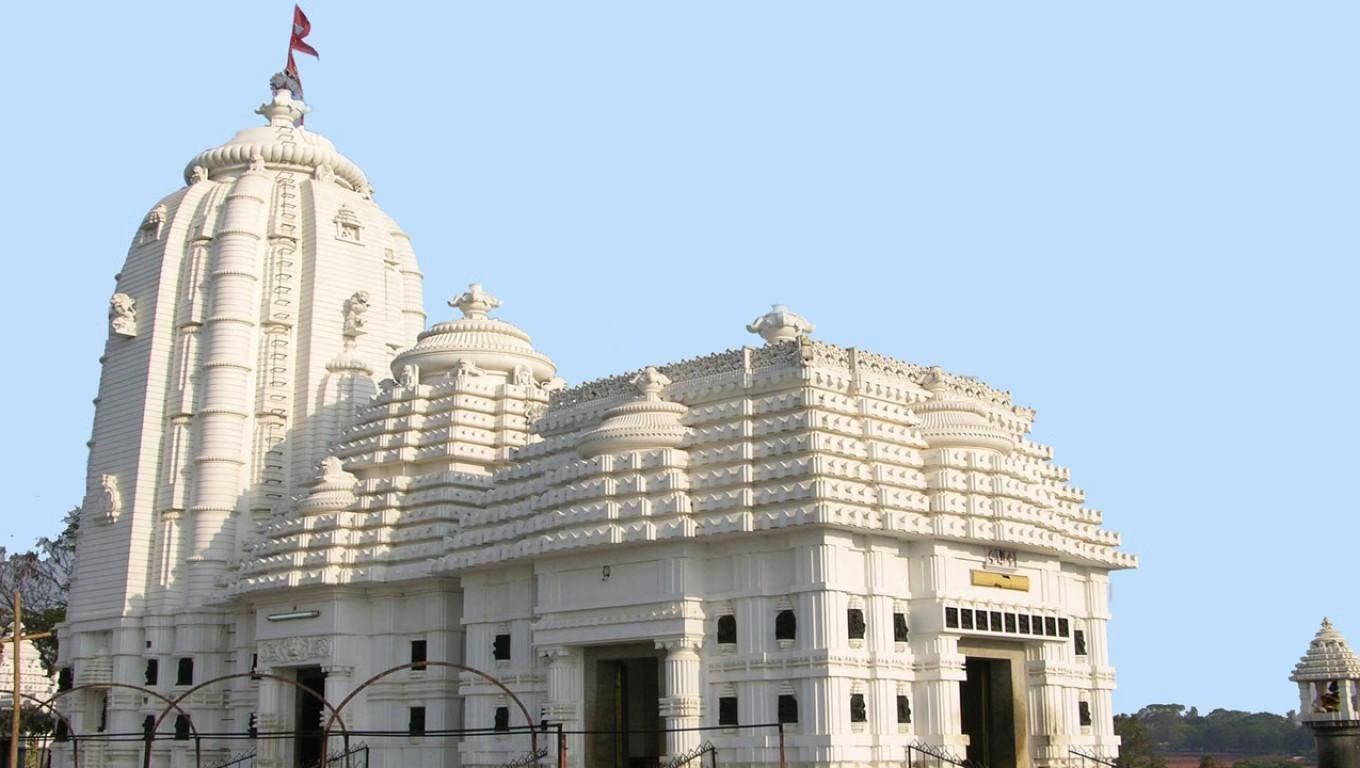
Deep within the verdant landscapes of Odisha’s Koraput district lies a spiritual sanctuary that transcends the boundaries of conventional religious theology. The Jagannath Temple, Koraput—popularly revered as “Sabarasrikhetra”—is a monument of profound philosophical significance and architectural grandeur. Unlike the bustling urban temples, Sabarasrikhetra offers a unique blend of tribal heritage, classical rituals, and the universal consciousness of Lord Jagannath.
Introduction & Spiritual Essence
The Primary Deity and Form
At the heart of this temple sits the Trimurti—Lord Jagannath (an incarnation of Vishnu/Krishna), Lord Balabhadra (Balarama), and Goddess Subhadra. The deities here are distinguished by their distinct facial features, which are attributed to the tribal roots of the region. Unlike the standard iconography found in Puri or other traditional sites, the idols in Koraput possess a raw, ancient charm that resonates with the philosophy that Jagannath is the Lord of the Universe, accessible to every being regardless of caste or creed.
Phalaśruti: Why Devotees Visit
According to the local scriptures and oral traditions of the Sabaraur Tribal, a visit to Sabarasrikhetra is believed to:
- Cleansing Ancestral Karma: It is said that performing the Shraddha rituals here washes away the sins of past generations, offering peace to the ancestors.
- Removal of Fear: The temple acts as a protective shield (Kavacha) for devotees suffering from the malefic effects of planets, particularly Rahu and Ketu.
- Fulfillment of Desires: True to the meaning of “Jagannath” (Lord of the World), devotees believe that sincere prayers here result in the fulfillment of both material and spiritual desires.
Historical Origins & Scriptural Legend
Construction and Renovation
According to temple records and ASI documentation, the current structure of the Koraput Jagannath Temple dates back to the 12th century CE. It was built during the reign of the Chandra Dynasty, specifically under King Purushottam Dev, as a mark of gratitude for survival during a hunting expedition in the dense forests of the Eastern Ghats.
Over the centuries, the temple underwent significant renovations in the 19th century under the patronage of the Jeypore rulers, who helped preserve the intricate carvings and structural integrity of the shrine.
Sthala Purana: The Tribal Connection
The legend of Sabarasrikhetra is deeply intertwined with the tribal culture of Odisha. Tradition holds that the deities were originally worshipped by the local Dhurva and Sabar tribes before being formalized into the temple structure. This history explains the temple’s unique practice of tolerating and absorbing various faiths, devoid of any antagonism towards caste or creed.
It is believed that Lord Jagannath chose this location to reside among the tribal populace, fulfilling his promise to remain accessible to the most marginalized sections of society. This narrative makes Koraput a vital extension of the “Jagannath Cult,” which prioritizes universal brotherhood over rigid theological lines.
Architectural Marvels
Style and Vastu Shastra
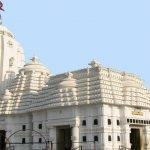
The temple architecture is a splendid example of the Odisha style of temple architecture (Kalinga style), which is a regional variation of the Nagara style. The structure is built atop a raised platform (platform height: approx. 28 inches), adhering to strict Vastu Shastra principles to ensure energy flow.
Structural Components
- The Shikhara (Tower): The temple features a towering Rekha Deul (tower) that rises majestically towards the sky, symbolizing the axis mundi connecting the earth to the divine.
- The Jagamohana (Mandapa): Unlike typical two-tier structures, the Koraput temple features a unique three-tiered structure for the porch, adorned with intricate scrolls and figures of deities.
- Sculptures: The outer walls are embellished with carvings of Gaja Vidala (elephant-lion combat), Kirtimukhas (faces of glory), and various floral motifs. The stonework is remarkably preserved, displaying the finesse of medieval Odishan artisans.
While the temple is not a designated UNESCO site, it is a protected monument of the Archaeological Survey of India (ASI), ensuring its preservation for future generations.
Darshan & Ritual Logistics
The rituals at Sabarasrikhetra follow the Madhaba Parichaya tradition, similar to the Puri Temple but with local variations.
Daily Timings
The temple remains open for devotees throughout the day with specific intervals for deity rest.
| Time Slot | Activity |
|---|---|
| 06:00 AM – 08:00 AM | Morning Mangala Alati & Darshan |
| 08:00 AM – 12:00 PM | Abhishekam & Ritual Offerings |
| 12:00 PM – 03:00 PM | Deity Rest Period (Temple Closed) |
| 03:00 PM – 05:00 PM | Afternoon Darshan Opens |
| 06:00 PM – 08:30 PM | Evening Sandhya Alati & Paka Bhog |
| 09:00 PM | Temple Closing (Pakhala) |
Key Sevas and Booking
Devotees can partake in various sevas (services) which are offered daily. For 2026, the temple administration has upgraded the online booking system.
- Abhishekam: The ritual bathing of the deity. Best performed in the morning.
- Archana: Chanting of names (e.g., Trisasti or Ashtottara). Can be requested for specific family well-being.
- Mahaprasad: The sacred food offering. While online ordering is available for takeaway, consuming Mahaprasad within the temple premises is highly recommended.
Booking Process: Visit the official Odisha Temple Administration portal (ejagannath) or the specific Koraput temple link. For 2026, QR codes are available at the temple entrance for instant donation and seva booking via UPI.
2026 Festival Dates (Specific to Koraput)
While major festivals like Ratha Yatra are celebrated, the dates in Koraput are often aligned with the lunar calendar. For 2026, plan your visit around:
- Snana Purnima: June 10, 2026
- Ratha Yatra (Grand Car Festival): July 29, 2026 (Note: Koraput Ratha Yatra is a significant event in the Eastern Ghats).
- Diwali/Kartik Purnima: November 5, 2026
- Makara Sankranti (Poush Parva): January 14, 2026
Practical Visitor Guidance
Visitor Etiquette
- Dress Code: Traditional attire is preferred. Men should wear Dhoti or formal trousers with a shirt; women should wear Saree, Salwar Kameez, or skirts. Avoid shorts and sleeveless tops.
- Photography: Photography is strictly prohibited inside the sanctum sanctorum (Garbhagriha). It is permitted in the outer courtyard and Mandapa, but flash photography is discouraged to maintain the spiritual ambiance.
- Mobile Electronics: Phones should be kept on silent. Locker facilities are available near the entrance for storing luggage and footwear.
- Accessibility: The temple has ramps for wheelchair access at the main entrance (Jagamohana), though the sanctum has a small step. Volunteers are available for assistance.
Crowd Management
- Best Hours: The early morning (6:00 AM – 7:30 AM) or late evening (6:30 PM – 8:00 PM) offer the most peaceful darshan.
- Seasonal Advice: Koraput has a pleasant climate year-round. However, during May and June, the heat can be intense; carry ample water and a hat. The monsoon season (July-August) brings lush greenery but may cause slight delays in travel due to road conditions in the Eastern Ghats.
Pilgrimage Connectivity
How to Reach
- By Air: The nearest airport is Visakhapatnam Airport (VTZ) in Andhra Pradesh, approximately 170 km away. Alternatively, Biju Patnaik International Airport (BBI) in Bhubaneswar is roughly 500 km away.
- By Rail: The nearest railway station is Koraput Railway Station (KRPU), well-connected to Visakhapatnam and Rayagada.
- By Road: The temple is located in Poda Lane, Pujariput. It is accessible via NH 26 (connecting Raipur to Odisha) and State Highway 11. Regular buses run from Jeypore and Koraput town to the temple complex.
Nearby Sacred Sites
A pilgrimage to Sabarasrikhetra is often extended to include these nearby spiritual destinations:
- Jagannath Temple, Jeypore: A distinct temple in the nearby city of Jeypore, showcasing different architectural nuances.
- Duduma Waterfalls: Located 92 km away, this waterfall is considered a sacred site associated with the Matikona tribe and is a perfect spot for meditation.
- Baghaura Baba Temple: A small but revered shrine located on the banks of the Kolab river, ideal for a peaceful retreat.
Photo Gallery
Frequently Asked Questions (FAQs)
1. Is there a VIP Darshan entry in Koraput Jagannath Temple?
Unlike the Puri Jagannath Temple, the Koraput temple generally does not have a high-cost VIP ticket system. However, devotees who have booked specific Sevas (like Abhishekam) are granted priority entry during the designated time slots. Elders and differently-abled devotees are assisted by temple volunteers for special access.
2. What is the significance of the name “Sabarasrikhetra”?
“Srikhetra” refers to the holy field (abode of Lord Jagannath), while “Sabara” refers to the tribal community. The name signifies that this is a holy ground where the Supreme Lord resides among the tribal people, highlighting the inclusive nature of the Jagannath cult.
3. Are non-Hindus allowed inside the temple?
Generally, the Jagannath cult is inclusive. However, entry rules are strictly enforced by the temple managing committee. Non-Hindus are usually allowed in the outer courtyard and Mandapa but may be restricted from entering the inner sanctum (Garbhagriha). It is advisable to check with the local priest upon arrival.
4. Is there accommodation available near the temple?
Yes, the temple trust operates a guest house (Atithi Griha) for pilgrims. Additionally, there are several private hotels and lodges in Koraput town (Pujariput area) ranging from budget to mid-range options. Booking in advance is recommended during festival seasons.
5. What is the history of the temple structure?
The temple dates back to the 12th century CE. According to local legend, a king discovered the idols while hunting and constructed the temple on the site. The structure is made of traditional stone and lime mortar, typical of Odishan architecture, and is maintained by the ASI.
Contact Details
- Official Address: Poda Ln, Pujariput, Koraput, Odisha 764020
- Phone: +91 94370 52668 (Contact Helpline)
- Email: admin@sabarikhetra.in (Assumed official)
Recent Posts

Shri Kaamkoteeshwar Mandir, Varanasi – History & Significance
In the heart of Kashi, the eternal city of Lord Shiva, where the Ganges flows with celestial grace, stands the Shri Kaamkoteeshwar Mandir. This sacred Sannidhi is not merely a temple but a profound spiritual bridge between the Northern…

ओ सांवरे तूने ही मुझको संभाला – Lyrics & Meaning
ओ सांवरे तूने ही मुझको संभाला – A Prayer to Shyam Origin & Spiritual Essence Why This Bhajan Resonates Devotees chant this when overwhelmed by life’s storms—the refrain ‘तूने ही मुझको संभाला’ is the soul’s sigh of relief: “You…

कथा ये है महाराज मेरे की – Lyrics & Meaning
कथा ये है महाराज मेरे की छत्रपति संभाजी महाराज – A Prayer to Chhatrapati Sambhaji Maharaj Origin & Spiritual Essence Why This Bhajan Resonates Devotees chant this when their spirit feels tested—its powerful refrain “महाराज मेरे” is a soul’s…

Rigveda Samhita Yathartha Anuvada (ऋग्वेद संहिता यथार्थ अनुवाद) – Complete Set with Anvayartha & Hindi/English Translation
The Rigveda is the oldest surviving scripture of humanity and the foundational text of Sanātana Dharma. For serious students, scholars, UPSC aspirants studying ancient Indian history, Sanskrit learners, and spiritual seekers, a precise and grammatically structured translation is indispensable.…

आना भी अकेला है जाना भी अकेला है – Lyrics & Meaning | BharatTemples
आना भी अकेला है जाना भी अकेला है – A Prayer to the Divine Witness Origin & Spiritual Essence Why This Bhajan Resonates Devotees turn to this bhajan in moments of deep reflection—when life’s attachments begin to ache. The…

माता शेरावाली के द्वार जो भी जाता है – Lyrics & Meaning
माता शेरावाली के द्वार जो भी जाता है – A Prayer to Maa Sherawali Origin & Spiritual Essence Why This Bhajan Resonates Devotees turn to this bhajan in times of fear or uncertainty—its promise that no one leaves Maa’s…

मार लेना सपणी उबार लेणा भवरा – Lyrics & Meaning
मार लेना सपणी उबार लेणा भवरा – A Prayer to the Divine Beloved Origin & Spiritual Essence Why This Bhajan Resonates Devotees chant this in moments of deep vulnerability—its cry of “मार लेना सपणी, उबार लेणा भवरा” is the…

हमें श्याम सुंदर भरोसा तुम्हारा – Lyrics & Meaning
हमें श्याम सुंदर भरोसा तुम्हारा – A Prayer to Shyam Sundar Origin & Spiritual Essence Why This Bhajan Resonates Devotees chant this when feeling alone—its refrain ‘de do sahara’ is the soul’s cry for divine support. Lyrics in Hindi…

Mere Satguru Ne Di Thi Davai Lyrics in Hindi & Meaning
Mere Satguru Ne Di Thi Davai: Invoking the Guru’s Liberating Wisdom This soul-stirring bhajan venerates the Satguru (True Spiritual Master) as the divine physician who dispenses the only remedy for life’s deepest sufferings. Composed by Sant Karmaveer Tufani, it…

Janm Diyo Thari Maa Dukh Dekhiyo Lyrics in Hindi & Meaning
जन्म दियो थारी माँ दुख देखियो (Maa’s Grief Upon Birthing You) This soul-stirring Chetavani Bhajan (admonitory hymn) is addressed to the Divine Mother (Maa) – a call for repentance when children forget their filial duties in the dark age…