

Contents
Introduction & Spiritual Essence
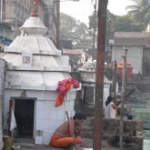
Standing serenely on the eastern embankment of the historic Bindusagar tank in Odisha, the Manibhadresvara Siva Temple is a profound spiritual sanctuary. In the heart of Bhubaneswar, this ancient shrine venerates Lord Siva in the form of a Swayambhu (self-manifested) Siva-lingam. Unlike modern constructions, the deity here is enshrined within a circular yoni pitha at the center of the sanctum, a characteristic feature of medieval Odishan devotion.
Devotees flock to this temple seeking Phalaśruti (spiritual merit) and relief from the cycle of Samsara. According to local traditions, worshiping the Manibhadresvara lingam is believed to cleanse ancestral karma and grant inner peace (Shanti). The name “Manibhadresvara” translates to the “Lord of the Jewel of Prosperity,” suggesting that sincere prayers here can attract spiritual wealth and stability.
Historical Origins & Scriptural Legend
According to temple records and historical surveys, the Manibhadresvara Siva Temple was constructed around the 14th Century A.D. While specific dynasty inscriptions are scarce, the architectural typology strongly associates it with the Ganga Dynasty era, which patronized the development of Ekamra Kshetra (ancient Bhubaneswar).
The Sthala Purana (local legend) binds this temple physically and spiritually to the colossal Lingaraja Temple nearby. Legend holds that the Shiva Lingam here was originally established to guard the eastern approach to the Bindusagar Tank, a water body considered as sacred as the ocean’s churning (Samudra Manthan). While the exact historical records regarding the builder remain partially untraceable due to the temple’s age, the structure has been preserved through centuries of local patronage and renovations by the Temple Trust Committee.
Architectural Marvels
The temple is a stellar example of Kalinga Architecture, specifically the Pidha Deul style. It faces north, an orientation that is unique and holds astrological significance in Vastu Shastra.
Structural Details
On plan, the temple features a Pidha Vimana (pyramidal roof over the sanctum) measuring 1.70 square meters. The structure stands on a low pista (plinth) with an elevation of 0.38 meters. The vertical elevation comprises three distinct parts:
- Bada: The rigid (vertical) wall section, divided into a Trianga Bada (three-fold divisions) measuring 1.26 meters in height. It consists of the Pabhaga (lower molding), Jangha (wall), and Baranda (bold cornice).
- Gandi: The spire portion, measuring 1.00 meters in height.
- Mastaka: The crowning element of the roof, measuring 0.16 meters in height.
The total height from the bottom to the top of the Mastaka is approximately 2.42 meters. The outer walls, though simpler than the nearby Bindu Sagar Temple, feature minimalistic carvings typical of the post-Somavamsi period, focusing on structural integrity and spiritual austerity rather than excessive ornamentation.
Darshan & Ritual Logistics
Visitors are advised to check the seasonal variations in temple timings. Below are the approximate daily darshan schedules.
Daily Timings (2026 Schedule)
| Session | Timing | Activity |
|---|---|---|
| Morning | 06:00 AM – 12:00 PM | Mangala Alati, Abhishekam, Regular Darshan |
| Evening | 04:00 PM – 08:30 PM | Sandhya Alati, Bhog Offering, Closing |
Key Sevas & Booking
To perform specific rituals, devotees can approach the temple office on-site. While digital infrastructure varies, most services for this specific shrine are managed via the Shree Lingaraj Temple Administration central system.
- Abhishekam: Ritual bathing of the Lingam (usually performed with milk, honey, and water).
- Archana: Recitation of hymns (typically done with Bilva leaves).
- Mahadeepa Darshan: The grand lamp lighting ceremony.
Note: Online booking availability may vary. Devotees are encouraged to visit the official Odisha Temple Administration portal or consult the on-site Pandas for real-time availability for the year 2026.
Major Festivals in 2026
The temple vibrates with energy during these specific dates:
- Shivaratri (March 6, 2026): The most significant celebration, featuring night-long chanting and special Alati.
- Car Festival (Ratha Yatra) of Lingaraj (March 26, 2026): While the main chariot is at Lingaraj, Manibhadresvara idols are often taken in a procession around Bindusagar.
- Nuakhai (August 17, 2026): A harvest festival celebrated with special offerings to the deity.
Practical Visitor Guidance
Dress Code & Etiquette
As this is an active place of worship, visitors must dress modestly. Traditional Indian attire is highly recommended. Men should remove shirts before entering the sanctum (though this is strictly enforced at Lingaraja, it is advised to carry a cloth to cover the upper body). Shorts and sleeveless tops are discouraged.
Photography & Safety
- Photography: Strictly prohibited inside the inner sanctum (Garbhagriha). External photography is permitted but avoid using flash during rituals.
- Mobile Lockers: There are no automated lockers specifically for this small temple, but the Lingaraj Temple complex nearby (5-minute walk) has secure storage facilities. It is advisable to travel light.
- Accessibility: The temple is located on a raised plinth. While there are steps, the surrounding Bindusagar embankment offers a leveled path for wheelchair users to view the exterior.
Crowd Management
The temple is relatively less crowded than Lingaraja except during Shivaratri.
- Best Time to Visit: 7:00 AM to 9:00 AM (morning calm) or 6:00 PM to 7:00 PM (evening Alati).
- Seasonal Advice: Bhubaneswar can get humid. In May and June, carry water and a handkerchief. During the monsoon (July-September), carry an umbrella as the approach roads may be slippery.
Pilgrimage Connectivity
How to Reach
The Manibhadresvara Temple is located in the Old Town (Purana Pahad) area of Bhubaneswar.
- By Air: The nearest airport is Biju Patnaik International Airport (BBI), approximately 4 km away (15 mins by cab).
- By Rail: Bhubaneswar Railway Station (BBS) is the major railhead, about 4 km from the temple. Auto-rickshaws and cabs are easily available.
- By Road: The temple is accessible via NH 16 (formerly NH 5). From Kedara-Gouri Square, take the branching road towards Lingaraja Temple. Parking is limited near the temple; it is best to park at the designated lots near the BMC Bhawani Mall or the Municipal parking near Lingaraja and walk.
Nearby Sacred Sites
Complete your pilgrimage circuit by visiting these nearby tirthas:
- Lingaraja Temple (0.5 km): The largest and most famous temple in Bhubaneswar. Non-Hindus are permitted for the outer courtyard.
- Bindusagar Lake (Adjacent): The temple sits on its eastern embankment. It is believed a dip here washes away sins.
- Mukteswar Temple (1.5 km): Known for its ornate archway (Torana) and intricate carvings, a gem of Kalinga architecture.
Frequently Asked Questions (FAQ)
1. What is the significance of the name “Manibhadresvara”?
The name translates to the “Lord of the Divine Jewel.” It signifies the deity’s power to remove poverty (material and spiritual) and bestow prosperity upon the devotee.
2. Is there a VIP Darshan entry available?
As a smaller shrine within the Lingaraja temple complex zone, there is no separate VIP ticketing system. However, early morning entry is usually unhurried. For special access during Shivaratri, one must contact the Shree Lingaraj Temple Trust office.
3. What materials are required for Abhishekam?
Typically, devotees offer milk, curd, honey, ghee, and sugar. Fresh water and Bilva leaves are essential. These can often be purchased from vendors near the temple entrance, but it is advisable to verify the quality.
4. Is the temple open for all religions?
Similar to the Lingaraja Temple, entry into the inner sanctum is generally restricted to Hindus. However, viewing the architecture and Bindusagar tank from the outside is accessible to all visitors.
5. What is the best way to avoid crowds?
Visit on a Tuesday or Wednesday morning (7 AM – 9 AM). Avoid Mondays, as they are particularly auspicious for Lord Siva, and the entire Old Town area can be crowded. Avoid visiting during major festivals unless you are prepared for heavy footfall.
Photo Gallery
How to Reach:
Contact Details
Official Address:
Manibhadresvara Siva Temple
Bindusagar Lake Embankment, Old Town
Bhubaneswar, Odisha, India
District: Khurda (Bhubaneswar)
Phone: Contact the Shree Lingaraj Temple Administration for specific inquiries, as this temple operates under their jurisdiction.
Disclaimer: Temple timings and Seva schedules are subject to change based on local rituals and government directives. Please verify with the official temple office before planning your visit in 2026.
Recent Posts

Shri Kaamkoteeshwar Mandir, Varanasi – History & Significance
In the heart of Kashi, the eternal city of Lord Shiva, where the Ganges flows with celestial grace, stands the Shri Kaamkoteeshwar Mandir. This sacred Sannidhi is not merely a temple but a profound spiritual bridge between the Northern…

ओ सांवरे तूने ही मुझको संभाला – Lyrics & Meaning
ओ सांवरे तूने ही मुझको संभाला – A Prayer to Shyam Origin & Spiritual Essence Why This Bhajan Resonates Devotees chant this when overwhelmed by life’s storms—the refrain ‘तूने ही मुझको संभाला’ is the soul’s sigh of relief: “You…

कथा ये है महाराज मेरे की – Lyrics & Meaning
कथा ये है महाराज मेरे की छत्रपति संभाजी महाराज – A Prayer to Chhatrapati Sambhaji Maharaj Origin & Spiritual Essence Why This Bhajan Resonates Devotees chant this when their spirit feels tested—its powerful refrain “महाराज मेरे” is a soul’s…

Rigveda Samhita Yathartha Anuvada (ऋग्वेद संहिता यथार्थ अनुवाद) – Complete Set with Anvayartha & Hindi/English Translation
The Rigveda is the oldest surviving scripture of humanity and the foundational text of Sanātana Dharma. For serious students, scholars, UPSC aspirants studying ancient Indian history, Sanskrit learners, and spiritual seekers, a precise and grammatically structured translation is indispensable.…

आना भी अकेला है जाना भी अकेला है – Lyrics & Meaning | BharatTemples
आना भी अकेला है जाना भी अकेला है – A Prayer to the Divine Witness Origin & Spiritual Essence Why This Bhajan Resonates Devotees turn to this bhajan in moments of deep reflection—when life’s attachments begin to ache. The…

माता शेरावाली के द्वार जो भी जाता है – Lyrics & Meaning
माता शेरावाली के द्वार जो भी जाता है – A Prayer to Maa Sherawali Origin & Spiritual Essence Why This Bhajan Resonates Devotees turn to this bhajan in times of fear or uncertainty—its promise that no one leaves Maa’s…

मार लेना सपणी उबार लेणा भवरा – Lyrics & Meaning
मार लेना सपणी उबार लेणा भवरा – A Prayer to the Divine Beloved Origin & Spiritual Essence Why This Bhajan Resonates Devotees chant this in moments of deep vulnerability—its cry of “मार लेना सपणी, उबार लेणा भवरा” is the…

हमें श्याम सुंदर भरोसा तुम्हारा – Lyrics & Meaning
हमें श्याम सुंदर भरोसा तुम्हारा – A Prayer to Shyam Sundar Origin & Spiritual Essence Why This Bhajan Resonates Devotees chant this when feeling alone—its refrain ‘de do sahara’ is the soul’s cry for divine support. Lyrics in Hindi…

Mere Satguru Ne Di Thi Davai Lyrics in Hindi & Meaning
Mere Satguru Ne Di Thi Davai: Invoking the Guru’s Liberating Wisdom This soul-stirring bhajan venerates the Satguru (True Spiritual Master) as the divine physician who dispenses the only remedy for life’s deepest sufferings. Composed by Sant Karmaveer Tufani, it…

Janm Diyo Thari Maa Dukh Dekhiyo Lyrics in Hindi & Meaning
जन्म दियो थारी माँ दुख देखियो (Maa’s Grief Upon Birthing You) This soul-stirring Chetavani Bhajan (admonitory hymn) is addressed to the Divine Mother (Maa) – a call for repentance when children forget their filial duties in the dark age…