
Contents
- 1 The Definitive Pilgrimage Guide to Thakurbari Temple, Gangtok
The Definitive Pilgrimage Guide to Thakurbari Temple, Gangtok
As the Lead Heritage Architect and SEO Strategist for BharatTemples.com, I present this comprehensive guide to the Thakurbari Temple in Gangtok. Serving as the spiritual heartbeat of Sikkim’s Hindu community, this ancient sanctuary offers a profound connection to tradition amidst the Himalayan peaks.
1. Introduction & Spiritual Essence
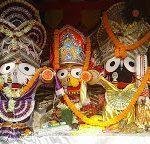
The Thakurbari Temple, situated in the heart of Gangtok, is the oldest surviving Hindu shrine in Sikkim. The name “Thakurbari” translates to “The Abode of Lord Krishna.” However, unlike temples dedicated to a single deity, this sacred complex is a harmonious convergence of Hindu pantheon.
- Primary Deity: While Lord Krishna (Thakur) is the titular head, the temple houses sanctums for Lord Shiva, Maa Kali, and other major deities, allowing devotees to complete a full Panchakosh (five-shelled) worship cycle within one complex.
- Form: The idols are traditional Manusha Murtis (human-form idols), crafted in the distinct North Indian architectural tradition, contrasting with the local Sikkimese Buddhist iconography found elsewhere in the region.
Phalaśruti: Why Devotees Visit
According to Vedic tradition and local belief, the primary benefit (Phalaśruti) of visiting Thakurbari is the cleansing of ancestral karma. The temple is specifically revered for:
- Offering spiritual liberation (Moksha) to departed souls during Pitru Paksha.
- Removing obstacles in domestic life through collective prayer.
- Fulfilling vows (Mannat) made to the presiding deities.
2. Historical Origins & Scriptural Legend
The history of Thakurbari is inextricably linked to the Chogyal dynasty of Sikkim.
The Chogyal Donation
According to temple records and historical accounts, the land for the temple was generously donated by the then-ruler of Sikkim, the Chogyal, in the year 1935. This act was significant as it symbolized the growing integration of the Hindu Nepali community into the socio-political fabric of Sikkim during the early 20th century.
Scriptural & Oral Legends
While the temple follows the Sanatana Dharma scriptures (Vedas and Puranas), the Sthala Purana (local oral legend) focuses on the resilience of the early Hindu settlers. Tradition holds that the original structure was built solely through community contributions and royal patronage. Over the decades, the temple evolved from a simple shrine into a sprawling complex that acts as a cultural hub for the Hindu community in the Himalayas.
3. Architectural Marvels
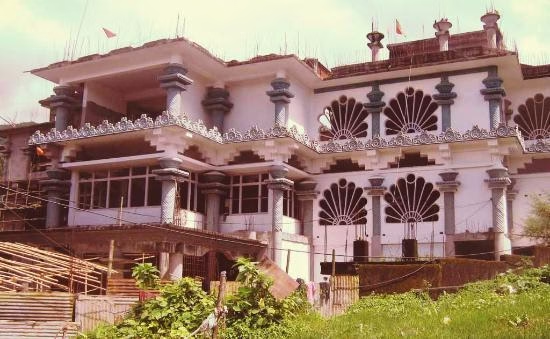
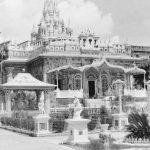
The architectural style of Thakurbari is a classic example of the Nagara school of temple architecture, adapted to the Himalayan terrain.
- Vastu Shastra: The temple complex is designed based on Vastu principles, ensuring the flow of positive energy. The inner sanctum (Garbhagriha) is centrally located, symbolizing the center of the universe.
- The Shikhara: The towering Shikhara (spire) rises above the sanctum, intricately carved with motifs depicting celestial beings and floral patterns, distinct from the domed structures of Buddhist Stupas found in Sikkim.
- Mandapas: The temple features a spacious Mandapa (pillared hall) used for congregational prayers and cultural activities. The open-air design allows for natural ventilation and light, essential during large gatherings.
- Sculptures: The exterior walls feature bas-relief sculptures of various deities, preserving the traditional craftsmanship of the era.
4. Darshan & Ritual Logistics
The temple follows a strict schedule of Nitya Puja (daily rituals). Below is the detailed schedule for darshan.
Daily Timings
Note: Timings are subject to seasonal changes and special festival schedules.
| Session | Opening Time | Closing Time |
|---|---|---|
| Morning Darshan | 06:00 AM | 12:00 PM |
| Evening Darshan | 04:00 PM | 08:00 PM |
Key Sevas & Online Booking
The temple committee has streamlined the process for offering Sevas. While traditional in-person offerings are accepted, online booking has become the preferred method for major festivals.
- Abhishekam: Ritual bathing of the deity with milk, honey, and holy water. Best performed during morning hours.
- Archana: Recitation of holy names. Can be performed for individual deities.
- Special Chhath Puja: The temple is famous for organizing the Chhath Puja, a four-day festival dedicated to the Sun God (Surya) and Chhathi Maiya. It symbolizes gratitude to the Sun for sustaining life on earth.
Festival Calendar 2026
- Navratri (Spring): March 30 – April 7, 2026 (Vasant Navratri).
- Chhath Puja: October 24–27, 2026 (Exact dates based on the Hindu lunar calendar).
- Diwali: October 21, 2026.
- Maha Shivaratri: February 26, 2026.
5. Practical Visitor Guidance
To ensure a smooth spiritual experience, visitors are advised to adhere to the following guidelines.
- Dress Code: Traditional Indian attire is highly recommended (Dhoti/Kurta for men, Saree/Salwar Kameez for women). Modest clothing that covers shoulders and knees is mandatory.
- Photography Rules: Photography is generally permitted in the outer courtyards but strictly prohibited inside the Garbhagriha (sanctum sanctorum).
- Mobile Lockers: The temple trust provides free bag-checking facilities. Electronic items (phones/cameras) should be stored here before entering the inner sanctum.
- Accessibility: The main temple hall is on ground level with ramp access, making it accessible for elderly devotees and those with mobility challenges.
Crowd Management Tips
- Best Hours: Visit between 8:00 AM and 10:00 AM to avoid the morning rush. The evening Aarti (around 6:00 PM) is crowded but highly recommended for its spiritual ambiance.
- Seasonal Advice: Gangtok summers (May-June) can be warm. Carry a reusable water bottle (refill stations are available) and a cap. During monsoons, wear non-slip footwear as the stone floors can get slippery.
6. Pilgrimage Connectivity
How to Reach
The temple is centrally located in Arithang, Gangtok, making it easily accessible.
- By Road (National Highway): Gangtok is connected via NH10 (Siliguri to Gangtok). From the Gangtok Bus Stand (SNT), the temple is a 5-minute taxi ride (approx. 2 km).
- By Train: The nearest railway station is New Jalpaiguri (NJP), located approximately 114 km away. Taxis are readily available from NJP to Gangtok (4–5 hours drive).
- By Air: The nearest airport is Bagdogra Airport (IXB), about 124 km from Gangtok. From the airport, private cabs and shared taxis are available.
Nearby Sacred Sites (Pilgrimage Circuit)
- Enchey Monastery: A 200-year-old Buddhist monastery reflecting the state’s religious harmony, located just 3 km away.
- Rumtek Monastery: The largest monastery in Sikkim (24 km away), offering a panoramic view of the Himalayas.
- Do Drul Chorten Stupa: A prominent stupa built in 1945, located near the Institute of Tibetology.
Photo Gallery
7. Frequently Asked Questions (FAQs)
Is there a VIP darshan entry at Thakurbari Temple?
While the temple management prioritizes the elderly and differently-abled devotees, there is no commercial VIP darshan system like in some major temples in South India. Darshan is free and open to all, though specific Seva bookings allow closer access to the deity.
What is the best time to visit for Chhath Puja?
Chhath Puja at Thakurbari is a major event. The main rituals occur during the sunset and sunrise on the last day of the festival. If you wish to witness the rituals, arrive by 4:00 PM on the main day to secure a spot, as the temple grounds fill up quickly.
Are there accommodation facilities near the temple?
Yes, Gangtok offers numerous hotels and guest houses. For pilgrims, the Sikkim Tourism Development Corporation (STDC) hotel and various private hotels near MG Marg (within 1 km of the temple) are recommended for their cleanliness and proximity.
Is the temple open during the winter months?
Yes, the temple remains open year-round. While Gangtok experiences cold temperatures in winter (December–January), the temple provides heating arrangements in the waiting areas for devotees.
Can non-Hindus enter the temple?
Thakurbari is a place of worship for all humanity. While the inner sanctum is reserved for practicing Hindus to offer prayers, the outer premises and the architectural beauty are accessible to visitors of all faiths and nationalities.
Recent Posts

Shri Kaamkoteeshwar Mandir, Varanasi – History & Significance
In the heart of Kashi, the eternal city of Lord Shiva, where the Ganges flows with celestial grace, stands the Shri Kaamkoteeshwar Mandir. This sacred Sannidhi is not merely a temple but a profound spiritual bridge between the Northern…

ओ सांवरे तूने ही मुझको संभाला – Lyrics & Meaning
ओ सांवरे तूने ही मुझको संभाला – A Prayer to Shyam Origin & Spiritual Essence Why This Bhajan Resonates Devotees chant this when overwhelmed by life’s storms—the refrain ‘तूने ही मुझको संभाला’ is the soul’s sigh of relief: “You…

कथा ये है महाराज मेरे की – Lyrics & Meaning
कथा ये है महाराज मेरे की छत्रपति संभाजी महाराज – A Prayer to Chhatrapati Sambhaji Maharaj Origin & Spiritual Essence Why This Bhajan Resonates Devotees chant this when their spirit feels tested—its powerful refrain “महाराज मेरे” is a soul’s…

Rigveda Samhita Yathartha Anuvada (ऋग्वेद संहिता यथार्थ अनुवाद) – Complete Set with Anvayartha & Hindi/English Translation
The Rigveda is the oldest surviving scripture of humanity and the foundational text of Sanātana Dharma. For serious students, scholars, UPSC aspirants studying ancient Indian history, Sanskrit learners, and spiritual seekers, a precise and grammatically structured translation is indispensable.…

आना भी अकेला है जाना भी अकेला है – Lyrics & Meaning | BharatTemples
आना भी अकेला है जाना भी अकेला है – A Prayer to the Divine Witness Origin & Spiritual Essence Why This Bhajan Resonates Devotees turn to this bhajan in moments of deep reflection—when life’s attachments begin to ache. The…

माता शेरावाली के द्वार जो भी जाता है – Lyrics & Meaning
माता शेरावाली के द्वार जो भी जाता है – A Prayer to Maa Sherawali Origin & Spiritual Essence Why This Bhajan Resonates Devotees turn to this bhajan in times of fear or uncertainty—its promise that no one leaves Maa’s…

मार लेना सपणी उबार लेणा भवरा – Lyrics & Meaning
मार लेना सपणी उबार लेणा भवरा – A Prayer to the Divine Beloved Origin & Spiritual Essence Why This Bhajan Resonates Devotees chant this in moments of deep vulnerability—its cry of “मार लेना सपणी, उबार लेणा भवरा” is the…

हमें श्याम सुंदर भरोसा तुम्हारा – Lyrics & Meaning
हमें श्याम सुंदर भरोसा तुम्हारा – A Prayer to Shyam Sundar Origin & Spiritual Essence Why This Bhajan Resonates Devotees chant this when feeling alone—its refrain ‘de do sahara’ is the soul’s cry for divine support. Lyrics in Hindi…

Mere Satguru Ne Di Thi Davai Lyrics in Hindi & Meaning
Mere Satguru Ne Di Thi Davai: Invoking the Guru’s Liberating Wisdom This soul-stirring bhajan venerates the Satguru (True Spiritual Master) as the divine physician who dispenses the only remedy for life’s deepest sufferings. Composed by Sant Karmaveer Tufani, it…

Janm Diyo Thari Maa Dukh Dekhiyo Lyrics in Hindi & Meaning
जन्म दियो थारी माँ दुख देखियो (Maa’s Grief Upon Birthing You) This soul-stirring Chetavani Bhajan (admonitory hymn) is addressed to the Divine Mother (Maa) – a call for repentance when children forget their filial duties in the dark age…