
Contents
- 1 Kandhaswamy Temple Vayalanallur: A Definitive Guide
- 1.1 Introduction & Spiritual Essence
- 1.2 Historical Origins & Scriptural Legend
- 1.3 Architectural Marvels
- 1.4 Darshan & Ritual Logistics
- 1.5 Practical Visitor Guidance
- 1.6 Pilgrimage Connectivity
- 1.7 Frequently Asked Questions (FAQ)
- 1.7.1 1. Is there a VIP darshan entry available at Vayalanallur Temple?
- 1.7.2 2. Can I find accommodation near the temple?
- 1.7.3 3. What is the significance of the inscription pillar outside?
- 1.7.4 4. Why is Lord Murugan not holding the Vel here?
- 1.7.5 5. Is non-vegetarian food allowed near the temple?
- 1.7.6 Contact Details
Kandhaswamy Temple Vayalanallur: A Definitive Guide
Nestled in the spiritual landscape of Thiruvallur District, the Kandhaswamy Temple in Vayalanallur stands as a silent sentinel of history. While many temples celebrate Lord Murugan as a warrior, this shrine preserves a rare theological marvel: the form of Brahma Shasta, the bestower of divine wisdom.
This 1,500-word guide serves as a spiritual roadmap for pilgrims, engineered for the modern devotee seeking both tradition and logistical clarity.
Introduction & Spiritual Essence
The Deity: Kandhaswamy as Brahma Shasta
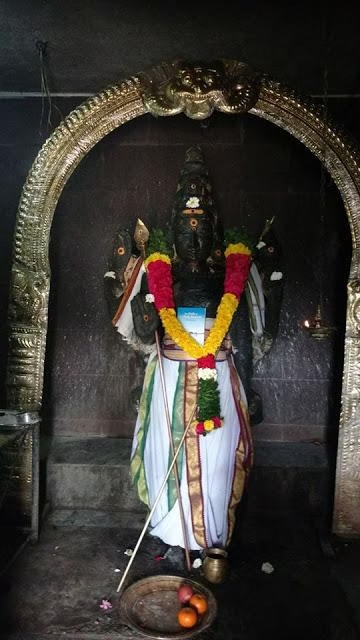
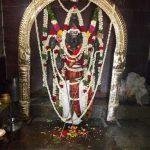
The primary deity, Kandhaswamy (an alternate name for Lord Murugan or Kartikeya), manifests here in a form rarely found in the Tamil Nadu temple circuit. He is revered as Brahma Shasta (also known as Gnana Skandha).
The Unique Iconography (Murti):
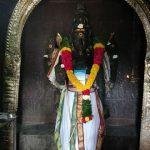
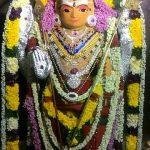
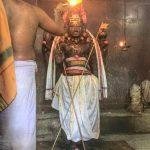
Unlike the warrior Murugan holding the Vel (spear), the idol in Vayalanallur stands approximately 7 feet tall in a majestic standing posture (Nindra Thirukkolam). He holds the Akshara Mala (rosary of knowledge) and the Kamandalu (water pot) in his upper arms—attributes typically associated with ascetics or sages. Notably, he is not accompanied by his consorts, Valli or Devasena, emphasizing his role as a solitary teacher of wisdom.
Phalaśruti: The Benefits of Visitation
Why do devotees undertake this pilgrimage? The temple records and local traditions suggest specific spiritual benefits:
“According to temple records, offering prayers here grants the devotee the wisdom of Brahma (Jnana) and the courage of Skanda (Valour).”
Specific Benefits:
- Cleansing Ancestral Karma: It is believed that performing Abhishekam here alleviates Pithru Dosha (ancestral afflictions).
- Educational Success: Students seek blessings here for clarity of thought and academic excellence.
- Resolution of Debates: As the Lord who subdued Brahma’s ego, devotees visit to resolve legal disputes and professional conflicts.
Historical Origins & Scriptural Legend
The Legend of Brahma Shasta
The Sthala Purana (local oral tradition) narrates a captivating episode from the Puranas. Brahma, the creator god, became overly arrogant regarding his role as the creator. Lord Murugan, testing Brahma’s knowledge, asked him the meaning of the primal sound “Om” (Pranava Mantra). Brahma failed to answer.
As punishment for neglecting his duties, Lord Murugan took over the responsibilities of creation for a brief period, embodying the form of Brahma Shasta—the teacher of Brahma. This form represents the convergence of creative power and supreme wisdom.
Archaeological & Dynastic History
Builders and Century:
The temple is deeply rooted in the 9th Century CE, belonging to the period of Aditya Chola I (also known as Parantaka Chola I). The architecture bears the hallmarks of the Early Chola style, indicating a sophisticated civilization that patronized arts and spirituality.
Decline and Preservation:
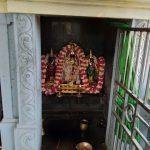
Unlike massive living temples, this shrine was partially destroyed over centuries. The original grandeur is now encapsulated within a modest, house-like structure. The current housing protects the ancient idol, which likely was part of a much larger complex centuries ago.
Epigraphical Evidence:
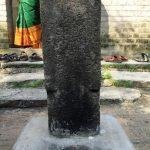
Outside the temple, you will find an inscription pillar and scattered slabs dating back to Aditya Chola I. These inscriptions document a land grant made by Gunakirti Nambadugan, the Kilan (local administrator) of Ayandampakkam. The grants were designated for Sribali (food offering) and daily services, confirming the temple’s continuous ritualistic lineage.
Architectural Marvels
Style and Layout
The temple features Dravidian Architecture, characterized by clean lines and structural simplicity typical of the 9th century. While it lacks the towering Gopurams (gateway towers) of later Vijayanagara or Nayak periods, the sanctity is preserved through the Garbhagriha (inner sanctum).
Notable Features
- The Sanctum Sanctorum: The deity is housed in a 10 x 6 feet room, creating an intimate darshan experience distinct from large crowds.
- Vastu Shastra Alignment: The temple follows traditional Vastu principles, facing east to greet the rising sun (Surya), symbolizing enlightenment.
- Sculptural Details: The pillars surrounding the sanctum depict motifs from the Chola era, though some have weathered over a millennium.
Status: While not currently a UNESCO World Heritage site, the temple is a protected heritage structure under the Tamil Nadu Hindu Religious and Charitable Endowments (HR&CE) Department, preserving these inscriptions for future generations.
Darshan & Ritual Logistics
Daily Timings
Pilgrims should note that this is a Sthala Kudam (treasure of the place) temple with specific opening hours. Note that temples often open slightly earlier or later depending on the season; these timings represent the standard schedule.
| Session | Timings | Notes |
|---|---|---|
| Morning Darshan | 6:00 AM – 11:00 AM | Includes Abhishekam hours |
| Afternoon Closure | 11:00 AM – 4:00 PM | Sanctum cleaning & rest |
| Evening Darshan | 4:00 PM – 8:00 PM | Deepa Aradhana |
Key Sevas (Rituals) & Online Booking
As of 2026, the Tamil Nadu HR&CE has digitized many bookings. However, for smaller temples like Vayalanallur, direct phone booking is often more reliable.
- Abhishekam: Performed with milk, honey, and sandalwood. Highly recommended for Brahma Shasta. Best time: 8:00 AM to 9:00 AM.
- Archana: Recitation of the deity’s names. Offerings typically include Moongdal (Paruppu) and jaggery.
- Special Homam: For students and professionals seeking career growth.
Booking Method:
While the temple has a phone number (+91 90031 54640), devotees can often book general sevas via the Tamil Nadu HR&CE Official App (search for “Vayalanallur Kandhaswamy Temple”). For complex rituals, calling the temple trustee directly is advised.
2026 Major Festival Calendar
Plan your visit around these auspicious dates to experience the temple at its vibrant peak:
- Thai Poosam (January/February): The most significant festival here. The temple is illuminated, and special processions (Ther) are conducted.
- Kanda Sashti (November/December): A 6-day festival culminating in the display of the Vel. Fasting and prayer are common.
- Kiruthigai (Monthly): Every Tuesday when the Moon is in Kiruthigai star, special abhishekams are held.
- Thaipusam 2026: Estimated date: February 11, 2026 (Subject to Tamil Calendar confirmation).
Practical Visitor Guidance
Rules & Etiquette
- Dress Code: Traditional attire is mandatory. Men should wear Dhoti or formal trousers with a shirt (no sleeveless vests). Women should wear saree, salwar kameez, or churidar.
- Photography: Strictly prohibited inside the sanctum sanctorum. Photography of the outer shrine and inscriptions is usually permitted with permission.
- Mobile Phones: Usage is discouraged inside the inner sanctum. While there are no formal lockers, devotees are expected to keep phones silent.
- Accessibility: The temple has stone steps at the entrance, which may pose a challenge for those with mobility issues. The inner sanctum is small and requires bending to enter.
Crowd Management & Seasonal Advice
Unlike the crowded temples of Chennai, Vayalanallur offers a peaceful atmosphere.
- Best Hours to Visit: Weekday mornings (Tuesday to Thursday) between 7:00 AM and 8:30 AM offer the most serene darshan.
- Seasonal Tips:
- Summer (May): Temperatures in Thiruvallur can exceed 38°C. Carry a water bottle and headgear.
- Monsoon (Nov-Dec): Carry an umbrella; the temple steps can become slippery.
Pilgrimage Connectivity
How to Reach Kandhaswamy Temple
The temple is strategically located near the Bangalore Highway, making it accessible from both Chennai and Thiruvallur.
- Nearest Airport: Chennai International Airport (MAA) – Approx. 30 km. Taxi/Cab availability is high.
- Nearest Railway Station:
- Pattabiram Railway Station: 6 km (Limited service).
- Chennai Central (MAS): 35 km (Major hub).
- By Road (NH/State Highway):
- Located on the Highway connecting Poonamallee to Thiruvallur (NH 205 Extension/Pattabiram Main Road).
- Bus Route: MTC Bus Route 54C (Poonamallee to Thandarai) stops at Vayalanallur.
- Driving Directions: From Chennai, take the NH48 towards Poonamallee. Take the divert towards Pattabiram/Vayalanallur. The temple is approximately 2 km from Kolappancheri bus stop.
Nearby Sacred Sites (Pilgrimage Circuit)
Combine your visit to Vayalanallur with these nearby spiritual centers:
- Shri Prasanna Venkateshwara Temple, Kolappancheri: Located just 2 km away. A beautiful hill temple dedicated to Lord Vishnu.
- Kumara Kottam, Kanchipuram: Approximately 40 km away. One of the few other temples where Lord Murugan is worshipped as Brahma Shasta.
- Thiruvallur Veeraraghava Swamy Temple: Located 25 km away. A major Divya Desam dedicated to Lord Vishnu, ideal for completing a Vaishnava-Saiva circuit in a single day.
Frequently Asked Questions (FAQ)
1. Is there a VIP darshan entry available at Vayalanallur Temple?
Given the temple’s intimate size and heritage status, there is no formal VIP protocol like in Tirupati. However, donors of significant temple services (Abhishekam sponsors) are usually granted priority entry during the ritual times.
2. Can I find accommodation near the temple?
There are no hotels immediately adjacent to the temple. For overnight stays, Poonamallee (7 km) or Thiruvallur (25 km) offer budget and mid-range hotels. Chennai suburbs are the best option for luxury accommodation.
3. What is the significance of the inscription pillar outside?
The pillar contains Tamil Brahmi (Vatteluttu) scripts dating back to the 9th century. It serves as legal proof of land grants made by Chola administrators to the temple, validating the temple’s antiquity over 1,100 years.
4. Why is Lord Murugan not holding the Vel here?
In his Brahma Shasta form, he is not a warrior but a Guru (teacher). He holds the Akshara Mala (beads of knowledge) and Kamandalu (water pot of ascetics) to signify that wisdom, not warfare, is the path to liberation in this shrine.
5. Is non-vegetarian food allowed near the temple?
Vayalanallur is a strictly vegetarian zone within a 1 km radius. As a mark of respect to the Brahma Shasta form, which requires purity, devotees are advised to consume only vegetarian food before visiting.




Contact Details
Kandhaswamy Temple
Vayalanallur – 600 072
Thiruvallur District, Tamil Nadu
Phone: +91 90031 54640
Disclaimer: Timings and festival dates are subject to change based on local temple committee decisions and astronomical calculations. Please call the temple office prior to your visit in 2026.
Recent Posts

Shri Kaamkoteeshwar Mandir, Varanasi – History & Significance
In the heart of Kashi, the eternal city of Lord Shiva, where the Ganges flows with celestial grace, stands the Shri Kaamkoteeshwar Mandir. This sacred Sannidhi is not merely a temple but a profound spiritual bridge between the Northern…

ओ सांवरे तूने ही मुझको संभाला – Lyrics & Meaning
ओ सांवरे तूने ही मुझको संभाला – A Prayer to Shyam Origin & Spiritual Essence Why This Bhajan Resonates Devotees chant this when overwhelmed by life’s storms—the refrain ‘तूने ही मुझको संभाला’ is the soul’s sigh of relief: “You…

कथा ये है महाराज मेरे की – Lyrics & Meaning
कथा ये है महाराज मेरे की छत्रपति संभाजी महाराज – A Prayer to Chhatrapati Sambhaji Maharaj Origin & Spiritual Essence Why This Bhajan Resonates Devotees chant this when their spirit feels tested—its powerful refrain “महाराज मेरे” is a soul’s…

Rigveda Samhita Yathartha Anuvada (ऋग्वेद संहिता यथार्थ अनुवाद) – Complete Set with Anvayartha & Hindi/English Translation
The Rigveda is the oldest surviving scripture of humanity and the foundational text of Sanātana Dharma. For serious students, scholars, UPSC aspirants studying ancient Indian history, Sanskrit learners, and spiritual seekers, a precise and grammatically structured translation is indispensable.…

आना भी अकेला है जाना भी अकेला है – Lyrics & Meaning | BharatTemples
आना भी अकेला है जाना भी अकेला है – A Prayer to the Divine Witness Origin & Spiritual Essence Why This Bhajan Resonates Devotees turn to this bhajan in moments of deep reflection—when life’s attachments begin to ache. The…

माता शेरावाली के द्वार जो भी जाता है – Lyrics & Meaning
माता शेरावाली के द्वार जो भी जाता है – A Prayer to Maa Sherawali Origin & Spiritual Essence Why This Bhajan Resonates Devotees turn to this bhajan in times of fear or uncertainty—its promise that no one leaves Maa’s…

मार लेना सपणी उबार लेणा भवरा – Lyrics & Meaning
मार लेना सपणी उबार लेणा भवरा – A Prayer to the Divine Beloved Origin & Spiritual Essence Why This Bhajan Resonates Devotees chant this in moments of deep vulnerability—its cry of “मार लेना सपणी, उबार लेणा भवरा” is the…

हमें श्याम सुंदर भरोसा तुम्हारा – Lyrics & Meaning
हमें श्याम सुंदर भरोसा तुम्हारा – A Prayer to Shyam Sundar Origin & Spiritual Essence Why This Bhajan Resonates Devotees chant this when feeling alone—its refrain ‘de do sahara’ is the soul’s cry for divine support. Lyrics in Hindi…

Mere Satguru Ne Di Thi Davai Lyrics in Hindi & Meaning
Mere Satguru Ne Di Thi Davai: Invoking the Guru’s Liberating Wisdom This soul-stirring bhajan venerates the Satguru (True Spiritual Master) as the divine physician who dispenses the only remedy for life’s deepest sufferings. Composed by Sant Karmaveer Tufani, it…

Janm Diyo Thari Maa Dukh Dekhiyo Lyrics in Hindi & Meaning
जन्म दियो थारी माँ दुख देखियो (Maa’s Grief Upon Birthing You) This soul-stirring Chetavani Bhajan (admonitory hymn) is addressed to the Divine Mother (Maa) – a call for repentance when children forget their filial duties in the dark age…