
Contents
- 1 Introduction & Spiritual Essence
- 2 Historical Origins & Scriptural Legend
- 3 Architectural Marvels
- 4 Darshan & Ritual Logistics
- 5 Practical Visitor Guidance
- 6 Pilgrimage Connectivity
- 7 Frequently Asked Questions (FAQ)
- 7.1 1. Is there a VIP Darshan entry at Sachidhanandheswarar Temple?
- 7.2 2. How do I perform online Seva booking?
- 7.3 3. Is there accommodation available near the temple?
- 7.4 4. What is the significance of the name “Sachidhanandheswarar”?
- 7.5 5. Can we perform housewarming (Griha Pravesh) blessings here?
- 8 Photo Gallery
- 9 How to Reach
Introduction & Spiritual Essence
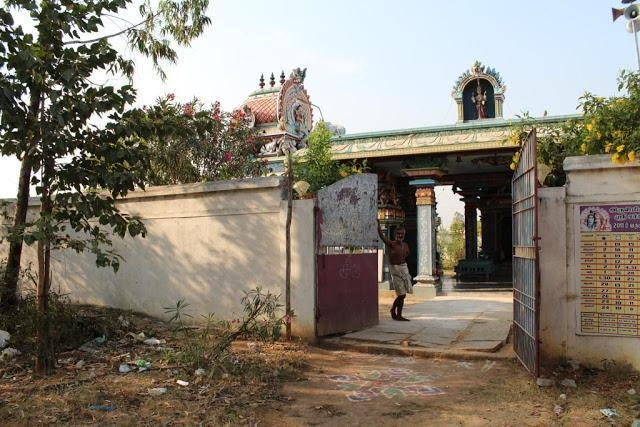
Nestled in the tranquil village of Pudhuvallur, Thiruvallur district, the Sachidhanandheswarar Temple stands as a beacon of spiritual solace and architectural grace. Dedicated to Lord Shiva, the presiding deity is worshipped as Sachidhanandheswarar (the embodiment of Truth, Consciousness, and Bliss). The temple offers a unique spiritual atmosphere that blends ancient Vedic traditions with a serene, modern setting, making it a haven for devotees seeking inner peace amidst the chaos of urban life.
The primary deity, a self-manifested (Swayambhu) Shiva Lingam, radiates a profound energy of tranquility. The consort, Goddess Yogambigai (an aspect of Parvati), enshrined in a separate sanctum, represents divine wisdom and grace.
Phalaśruti: The Benefits of Visiting
According to temple tradition and the spiritual significance of the location, devotees visit the Sachidhanandheswarar Temple to:
- Harmonize Planetary Effects: Lord Shiva here is known to pacify the malefic effects of planetary alignments, particularly for those under the influence of Kala Sarpa Dosha.
- Clear Ancestral Karma: Performing rituals here is believed to assist in the liberation (Moksha) of ancestors’ souls.
- Attain Mental Peace: The name “Sachidhanandam” itself points to the ultimate bliss found in true consciousness, helping devotees overcome stress and anxiety.
Historical Origins & Scriptural Legend
Unlike ancient rock-cut cave temples, the Sachidhanandheswarar Temple is a modern architectural marvel. While it lacks centuries of documented history, its origins are rooted in the revival of traditional temple construction techniques and the divine will of the local community.
Construction Timeline:
Construction of the temple complex began in the early 21st century and was completed over several years of dedicated effort. It was built adhering strictly to the Agama Shastra and Shilpa Shastras (ancient treatises on architecture and rituals).
Local Legend (Sthala Purana):
Tradition holds that the site in Pudhuvallur was a sacred grove where sages performed intense penance. The Swayambhu Lingam is said to have appeared from the earth naturally, signifying the presence of the divine without human alteration. The locals believe the temple was destined to be constructed here to maintain the spiritual vibration of the land, serving as a guardian deity for the village of Pudhuvallur.
Architectural Marvels
The temple is a brilliant example of contemporary Dravidian architecture infused with classic elements found in major temples of Tamil Nadu.
Vastu Shastra & Design
The layout follows strict Vastu Shastra principles, ensuring the flow of positive energy. The temple faces east, allowing the first rays of the sun to illuminate the Sanctum Sanctorum.
Structural Highlights
- The Gopuram: A tiered gateway tower adorned with intricate carvings of deities from the Hindu pantheon.
- Shikhara: The towering spire above the main shrine features detailed sculptural work of Dwarpalakas (gatekeepers) and divine motifs.
- Mandapas: The temple boasts a spacious Maha Mandapa (pillared hall) used for religious discourses and gatherings. The flooring is laid with polished granite, reflecting the light and keeping the hall cool.
- Inner Sanctums: The Garbhagriha (inner sanctum) of Sachidhanandheswarar is designed to amplify the resonance of Vedic chants, creating a meditative acoustic environment. The sanctum of Goddess Yogambigai features exquisitely carved pillars depicting the Ashta Lakshmis.
Darshan & Ritual Logistics
Visitors are encouraged to plan their visit around the daily rituals to experience the temple in its full spiritual vibrancy. While the temple is a modern construction, the adherence to ancient ritualistic timing is strict.
Daily Temple Timings (2026)
| Period | Timings |
|---|---|
| Morning | 6:00 AM – 12:00 PM |
| Evening | 4:00 PM – 8:30 PM |
Key Sevas & Offerings
To facilitate a seamless experience, the temple administration offers online booking for major rituals. Below is a guide to the most sought-after Sevas:
- Abhishekam (Sacred Bath): Performed with milk, honey, tender coconut, and sandalwood paste. It is recommended to book the Morning Abhishekam (7:00 AM – 8:00 AM) for a serene experience.
- Archana: Personalized offerings of flowers and mantras to the deity.
- Rudra Homam: A fire ritual for purification and removing obstacles, typically performed on full moon days.
2026 Major Festival Dates
Plan your pilgrimage around these grand celebrations:
- Maha Shivaratri: February 26, 2026 (Special midnight darshan and continuous chanting).
- Pradosham: Every Monday & Saturday (Check local lunar calendar; the temple is crowded during twilight hours).
- Arudra Darshanam: January 2026 (Celebration of Lord Nataraja’s cosmic dance).
- Navaratri: October 2026 (Special Alankaram for Goddess Yogambigai).
Practical Visitor Guidance
Ensuring a comfortable and respectful visit is paramount. Please adhere to the following guidelines:
Dress Code & Etiquette
- Attire: Traditional Indian wear (Dhoti for men, Saree/Churidar for women) is highly encouraged. Modest clothing covering shoulders and knees is mandatory.
- Photography: Photography is restricted inside the inner sanctum (Garbhagriha). However, non-flash photography is permitted in the outer precincts and mandapas.
- Mobile Phones: Please silence your phones. Designated locker facilities are available near the entrance to store electronics and leather items.
- Best Time to Visit: Weekday mornings (Tuesday and Friday) see fewer crowds than weekends.
- Seasonal Tips:
- Summer (May – July): Temperatures in Thiruvallur can be high. Carry a reusable water bottle; free water dispensers are available at the temple entrance.
- Monsoon (Nov – Dec): Light rain gear is advisable. The stone floors can be slippery; wear rubber-soled footwear.
- By Air: Chennai International Airport (MAA) is the nearest airport, approximately 39 km away. Taxis and App-based cabs (Uber/Ola) are readily available.
- By Rail: The nearest major railway junction is Thiruvallur (TWL) (approx. 19 km). Alternatively, Sevvapet Railway Station is about 10 km away.
- By Road:
- From Chennai Central: Take the NH48 (Chennai-Bangalore Highway) towards Poonamallee and divert via Thirumazhisai.
- From Thiruvallur: Take the State Highway towards Koppur and follow signboards to Pudhuvallur.
- Bus Transport: Buses bound for Koppur or Pudhuvallur from Thiruvallur bus stand are available at regular intervals.
- Vedapuriswarar Temple, Thiruvallur: A historic temple dedicated to Lord Shiva, located in the district headquarters.
- Thirumazhisai Divya Desam: A sacred Vishnu temple associated with the Alwar saints, just a short drive away.
- Koppur Venugopala Swamy Temple: Known for its unique architecture and located approximately 3.5 km from Pudhuvallur.
Crowd Management & Seasonal Advice
Pilgrimage Connectivity
The Sachidhanandheswarar Temple is located in Pudhuvallur, a village that offers a peaceful retreat while remaining accessible from major transit hubs.
How to Reach
Nearby Sacred Sites (Pilgrimage Circuit)
Expand your spiritual journey by visiting these nearby temples:
Frequently Asked Questions (FAQ)
1. Is there a VIP Darshan entry at Sachidhanandheswarar Temple?
Currently, the temple does not have a formal VIP quota. However, senior citizens and differently-abled devotees are provided priority access to the inner sanctum through a dedicated lane managed by the temple volunteers.
2. How do I perform online Seva booking?
While the temple is relatively new, many rituals can be coordinated through the local temple trust. For specific online requirements, devotees are advised to contact the temple office directly via the phone numbers listed on their official communications or visit during working hours for advance booking of Abhishekams.
3. Is there accommodation available near the temple?
The temple complex itself is a day-visit shrine and does not house a guesthouse. However, ample accommodation options are available in Thiruvallur (19 km away) and the suburbs of Chennai, ranging from budget lodges to star hotels.
4. What is the significance of the name “Sachidhanandheswarar”?
The name is a combination of three Sanskrit roots: Sat (Truth/Existence), Chit (Consciousness), and Ananda (Bliss). It signifies that the ultimate reality (Shiva) is the source of pure, unadulterated bliss.
5. Can we perform housewarming (Griha Pravesh) blessings here?
Yes, special homams for new beginnings are performed here. It is recommended to book the homam at least 15 days in advance to arrange for the required materials and priests.
Photo Gallery


How to Reach
Sachidhanandheswarar Temple is a Hindu Temple dedicated to Lord Shiva located at Pudhuvallur Village in Thiruvallur District of Tamilnadu. The Temple has been constructed recently. The Temple is situated in a beautiful and serene atmosphere. The Temple is located at about 3.5 Kms from Koppur, 5 Kms from Koppur School Bus Stop, 16 Kms from Thirumazhisai, 19 Kms from Thiruvallur, 10 Kms from Sevvapet Railway Station, 40 Kms from Chennai and 39 Kms from Chennai Airport.
Recent Posts

Shri Kaamkoteeshwar Mandir, Varanasi – History & Significance
In the heart of Kashi, the eternal city of Lord Shiva, where the Ganges flows with celestial grace, stands the Shri Kaamkoteeshwar Mandir. This sacred Sannidhi is not merely a temple but a profound spiritual bridge between the Northern…

ओ सांवरे तूने ही मुझको संभाला – Lyrics & Meaning
ओ सांवरे तूने ही मुझको संभाला – A Prayer to Shyam Origin & Spiritual Essence Why This Bhajan Resonates Devotees chant this when overwhelmed by life’s storms—the refrain ‘तूने ही मुझको संभाला’ is the soul’s sigh of relief: “You…

कथा ये है महाराज मेरे की – Lyrics & Meaning
कथा ये है महाराज मेरे की छत्रपति संभाजी महाराज – A Prayer to Chhatrapati Sambhaji Maharaj Origin & Spiritual Essence Why This Bhajan Resonates Devotees chant this when their spirit feels tested—its powerful refrain “महाराज मेरे” is a soul’s…

Rigveda Samhita Yathartha Anuvada (ऋग्वेद संहिता यथार्थ अनुवाद) – Complete Set with Anvayartha & Hindi/English Translation
The Rigveda is the oldest surviving scripture of humanity and the foundational text of Sanātana Dharma. For serious students, scholars, UPSC aspirants studying ancient Indian history, Sanskrit learners, and spiritual seekers, a precise and grammatically structured translation is indispensable.…

आना भी अकेला है जाना भी अकेला है – Lyrics & Meaning | BharatTemples
आना भी अकेला है जाना भी अकेला है – A Prayer to the Divine Witness Origin & Spiritual Essence Why This Bhajan Resonates Devotees turn to this bhajan in moments of deep reflection—when life’s attachments begin to ache. The…

माता शेरावाली के द्वार जो भी जाता है – Lyrics & Meaning
माता शेरावाली के द्वार जो भी जाता है – A Prayer to Maa Sherawali Origin & Spiritual Essence Why This Bhajan Resonates Devotees turn to this bhajan in times of fear or uncertainty—its promise that no one leaves Maa’s…

मार लेना सपणी उबार लेणा भवरा – Lyrics & Meaning
मार लेना सपणी उबार लेणा भवरा – A Prayer to the Divine Beloved Origin & Spiritual Essence Why This Bhajan Resonates Devotees chant this in moments of deep vulnerability—its cry of “मार लेना सपणी, उबार लेणा भवरा” is the…

हमें श्याम सुंदर भरोसा तुम्हारा – Lyrics & Meaning
हमें श्याम सुंदर भरोसा तुम्हारा – A Prayer to Shyam Sundar Origin & Spiritual Essence Why This Bhajan Resonates Devotees chant this when feeling alone—its refrain ‘de do sahara’ is the soul’s cry for divine support. Lyrics in Hindi…

Mere Satguru Ne Di Thi Davai Lyrics in Hindi & Meaning
Mere Satguru Ne Di Thi Davai: Invoking the Guru’s Liberating Wisdom This soul-stirring bhajan venerates the Satguru (True Spiritual Master) as the divine physician who dispenses the only remedy for life’s deepest sufferings. Composed by Sant Karmaveer Tufani, it…

Janm Diyo Thari Maa Dukh Dekhiyo Lyrics in Hindi & Meaning
जन्म दियो थारी माँ दुख देखियो (Maa’s Grief Upon Birthing You) This soul-stirring Chetavani Bhajan (admonitory hymn) is addressed to the Divine Mother (Maa) – a call for repentance when children forget their filial duties in the dark age…