
Contents
- 1 Pathala Lingeswarar Temple, Kakkalur, Thiruvallur
Pathala Lingeswarar Temple, Kakkalur, Thiruvallur
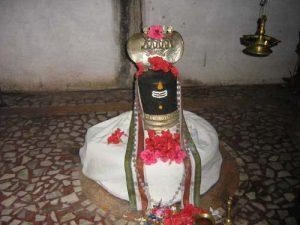
In the serene suburb of Kakkalur, Thiruvallur, lies a sacred sanctuary where the divine presence of Lord Shiva manifests through a unique celestial formation. The Pathala Lingeswarar Temple stands as a testament to ancient spiritual energy, revered for its “Swayambhu” (self-manifested) Lingam. This guide serves as a comprehensive resource for devotees and heritage enthusiasts seeking to understand the architectural magnificence, spiritual significance, and logistical details of visiting this holy shrine in 2026.
Unlike many temples where the deity is sculpted by human hands, the principal deity here is a natural geological formation, embodying the boundless nature of the Supreme Consciousness. It is a place where the veil between the earthly and the celestial grows thin, inviting pilgrims to experience inner stillness.
1. Introduction & Spiritual Essence
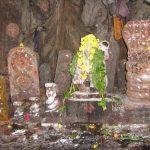
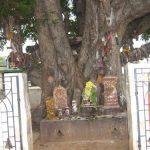
The temple is dedicated to Pathala Lingeswarar, a form of Lord Shiva residing in the “Netherworld” or the hidden layers of existence. The deity is a Swayambhu Murti, emerging naturally from the earth rather than being carved. This unique characteristic amplifies its potency as a “Karya Siddhi” bestower.
Phalaśruti: The Fruits of Worship
According to temple records and local belief, sincere worship at this shrine yields profound benefits:
- Cleansing Ancestral Karma: It is highly regarded for alleviating “Pitru Dosha” (ancestral afflictions), offering peace to the departed souls of the lineage.
- Removal of Obstacles: Devotees visit to remove hidden enemies (Vishnu Dosha) and unseen hurdles blocking their career and personal growth.
- Subterranean Blessings: As a “Pathala” Lingam, it is believed to connect the devotee to the foundational energies of the earth, providing grounding and mental stability.
The sanctity of this temple is often linked to the great sage Agastya Muni. Tradition holds that this site was a focal point for his penance, infusing the land with immense vibrational energy that persists to this day.
2. Historical Origins & Scriptural Legend
While official records of the exact construction date are sparse, the architectural language and oral traditions point to a legacy spanning centuries. The temple has undergone renovations to preserve its structural integrity, yet it retains the rustic charm of rural Tamil Nadu’s Dravidian heritage.
The Sthala Purana
Tradition holds that the Pathala Lingeswarar Lingam was discovered by the revered saint Agasthiyar. The legend suggests that while traversing the Deccan plateau, the sage felt the overwhelming cosmic energy of Shiva emanating from the ground. Upon meditating here, he found the natural Lingam emerging from the depths of the earth, representing the infinite spinal column of the universe.
The temple acts as a guardian for the region of Kakkalur, historically serving as a spiritual anchor for the local agricultural communities who viewed the Lord as the protector of the water tables—essential for life underground.
3. Architectural Marvels
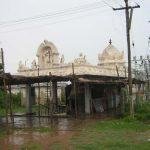
The temple follows the Dravidian style of architecture, characterized by its stepped pyramidal towers and enclosed courtyards. The layout is designed to guide the devotee from the chaotic external world into an ordered, sacred geometry.
Vastu and Structural Elements
- The Sanctum (Garbhagriha): The innermost shrine houses the Pathala Lingam. Unlike standard icons, the spire of the Lingam extends deep into the ground, symbolizing the connection to the netherworld (Patala).
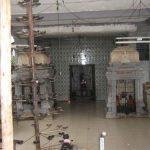
- The Mandapa: The pillared hall allows for circumambulation (Pradakshina). The pillars are etched with motifs of nature and divine guardians, reflecting the rustic artistry of the region.
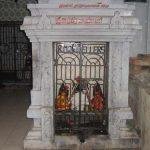
- Sub-Shrines: The complex includes shrines for Lord Ganesha and Murugan, completing the pantheon for a holistic worship experience.
While this specific temple may not carry an ASI or UNESCO designation, its value lies in its folk heritage and the preservation of local sculptural traditions.
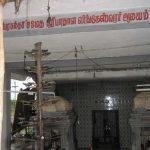
Image: The exterior gopuram and entrance of the Pathala Lingeswarar Temple in Kakkalur.
4. Darshan & Ritual Logistics
To ensure a smooth spiritual journey in 2026, devotees are advised to check the timings and book sevas in advance. The temple follows the standard Agama rituals dedicated to Lord Shiva.
Daily Temple Timings
| Session | Timing | Description |
|---|---|---|
| Morning | 6:00 AM – 12:00 PM | Ushatkala Puja to noon rituals. |
| Evening | 4:00 PM – 8:00 PM | Deeparadhana to night closing. |
Key Sevas & Booking
Devotees can perform several rituals to seek blessings. Online seva booking is facilitated through third-party platforms and local association portals, though direct booking at the temple counter remains an option.
- Abhishekam: Sacred bathing of the Lingam with water, milk, honey, and sandalwood paste.
- Archana: Chanting of names (e.g., Panchakshara Stotram).
- Rudra Homam: A fire ritual for purification and protection (typically performed on request or on Pournami).
2026 Festival Calendar
Mark your calendars for these major events when the temple is adorned with flowers and special rituals are conducted:
- Maha Shivaratri: February 26, 2026 (Thursday) – Night-long vigil and special Abhishekam.
- Pradosham: Bi-monthly event (13th lunar day). Key dates in 2026 include February 11, March 12, and November 24.
- Arudra Darshanam: January 8, 2026 (Wednesday) – Celebrating the cosmic dance of Shiva.
- Navaratri: October 2, 2026 – October 11, 2026 (Special decorations for the Goddess aspect).
5. Practical Visitor Guidance
Visiting the Pathala Lingeswarar Temple requires adherence to traditional protocols to maintain the sanctity of the space.
- Dress Code: Traditional attire is mandatory. Men should wear dhotis or pants with shirts; women should wear sarees, salwar kameez, or full-length skirts. Western casual wear (shorts, t-shirts) is strictly prohibited.
- Photography: Photography is generally restricted inside the sanctum sanctorum to preserve the spiritual atmosphere. However, exterior shots and architecture photography are often permitted.
- Mobile & Lockers: Mobile phones must be silenced. Some temples offer cloakroom facilities; however, carrying minimal luggage is advised for ease of movement.
- Accessibility: The temple is accessible for those with moderate physical fitness. The sanctum has a few steps. Wheelchair access may be limited to the outer mandapa depending on current infrastructure.
Crowd Management & Seasonal Advice
- Best Time to Visit: Early morning (6:00 AM – 8:00 AM) offers the most peaceful darshan.
- Seasonal Tips:
- Summer (May): Thiruvallur experiences high temperatures. Carry a water bottle and an umbrella.
- Monsoon (Nov-Jan): Light rains are common. Wear waterproof footwear as the temple premises may get slippery.
6. Pilgrimage Connectivity
Located in Kakkalur, the temple is well-connected via road and rail, making it an accessible spiritual stop for Chennai residents and tourists.
How to Reach
- By Road: Located just 3 km from Thiruvallur Bus Stand via the Chennai – Thiruvallur Main Road (SH-50/CH-50). From Chennai, take the NH-75 (Poonamallee High Road) leading to Thiruvallur.
- By Rail: The nearest railway station is Putlur (2.5 km) or Thiruvallur Railway Station (4 km). Frequent local trains connect Thiruvallur to Chennai Central and Beach stations.
- By Air: The nearest airport is Chennai International Airport (MAA), approximately 46 km away (approx. 1.5 hours drive).
Nearby Sacred Sites (The Thiruvallur Circuit)
To extend your pilgrimage, visit these nearby significant temples:
- Venkateswara Temple (Thiruvallur): A historic temple dedicated to Lord Vishnu (Venkateswara), located closer to the town center.
- Veera Anjaneyar Temple: Situated very close to the Pathala Lingeswarar Temple (within the Electricity Board premises), known for a towering standing idol of Hanuman.
- Paavas Kshetram (Karunguzhi): A riverside temple complex approximately 20 km away, ideal for a day trip.
7. Frequently Asked Questions (FAQ)
1. Is there a VIP or Special Darshan entry available?
Currently, the Pathala Lingeswarar Temple operates on a general darshan model. While there is no strict VIP ticket system like mega-temples, purchasing a seva ticket (Abhishekam or Archana) often allows for closer access to the deity. It is best to consult the temple executive officer for priority access during peak festival days.
2. How far is the temple from Chennai, and can it be done in a day?
Yes, the temple is approximately 45-50 km from Chennai (central). It makes for an ideal day trip. Most visitors combine the visit with the Venkateswara Temple in Thiruvallur, starting early in the morning and returning by evening.
3. What are the food options available?
The temple does not have a large community kitchen (Annadhanam) on a daily basis. However, small eateries and vegetarian restaurants are available in Kakkalur and the main Thiruvallur town (1.5 km away). Devotees are advised to carry water and light snacks.
4. Is the Pathala Lingeswarar Temple suitable for children and the elderly?
Yes, the temple is generally calm. However, the sanctum is compact. Carrying infants or managing strollers might be difficult inside the inner shrine. Elderly devotees can take vehicle assistance up to the entrance gates.
5. Can non-Hindus visit the temple?
Generally, temples in Tamil Nadu follow traditional customs where entry is primarily for those who profess the Hindu faith and adhere to the dress code and rituals. It is advisable to check with the local temple committee for any specific visitor policies in 2026.
Contact & Official Details
Pathala Lingeswarar Temple
Kakkalur, Thiruvallur District
Tamil Nadu, India
Note: As specific phone numbers for this local shrine may vary or be unlisted, it is recommended to contact the Thiruvallur District Religious Endowment Office for official inquiries.
Recent Posts

Shri Kaamkoteeshwar Mandir, Varanasi – History & Significance
In the heart of Kashi, the eternal city of Lord Shiva, where the Ganges flows with celestial grace, stands the Shri Kaamkoteeshwar Mandir. This sacred Sannidhi is not merely a temple but a profound spiritual bridge between the Northern…

ओ सांवरे तूने ही मुझको संभाला – Lyrics & Meaning
ओ सांवरे तूने ही मुझको संभाला – A Prayer to Shyam Origin & Spiritual Essence Why This Bhajan Resonates Devotees chant this when overwhelmed by life’s storms—the refrain ‘तूने ही मुझको संभाला’ is the soul’s sigh of relief: “You…

कथा ये है महाराज मेरे की – Lyrics & Meaning
कथा ये है महाराज मेरे की छत्रपति संभाजी महाराज – A Prayer to Chhatrapati Sambhaji Maharaj Origin & Spiritual Essence Why This Bhajan Resonates Devotees chant this when their spirit feels tested—its powerful refrain “महाराज मेरे” is a soul’s…

Rigveda Samhita Yathartha Anuvada (ऋग्वेद संहिता यथार्थ अनुवाद) – Complete Set with Anvayartha & Hindi/English Translation
The Rigveda is the oldest surviving scripture of humanity and the foundational text of Sanātana Dharma. For serious students, scholars, UPSC aspirants studying ancient Indian history, Sanskrit learners, and spiritual seekers, a precise and grammatically structured translation is indispensable.…

आना भी अकेला है जाना भी अकेला है – Lyrics & Meaning | BharatTemples
आना भी अकेला है जाना भी अकेला है – A Prayer to the Divine Witness Origin & Spiritual Essence Why This Bhajan Resonates Devotees turn to this bhajan in moments of deep reflection—when life’s attachments begin to ache. The…

माता शेरावाली के द्वार जो भी जाता है – Lyrics & Meaning
माता शेरावाली के द्वार जो भी जाता है – A Prayer to Maa Sherawali Origin & Spiritual Essence Why This Bhajan Resonates Devotees turn to this bhajan in times of fear or uncertainty—its promise that no one leaves Maa’s…

मार लेना सपणी उबार लेणा भवरा – Lyrics & Meaning
मार लेना सपणी उबार लेणा भवरा – A Prayer to the Divine Beloved Origin & Spiritual Essence Why This Bhajan Resonates Devotees chant this in moments of deep vulnerability—its cry of “मार लेना सपणी, उबार लेणा भवरा” is the…

हमें श्याम सुंदर भरोसा तुम्हारा – Lyrics & Meaning
हमें श्याम सुंदर भरोसा तुम्हारा – A Prayer to Shyam Sundar Origin & Spiritual Essence Why This Bhajan Resonates Devotees chant this when feeling alone—its refrain ‘de do sahara’ is the soul’s cry for divine support. Lyrics in Hindi…

Mere Satguru Ne Di Thi Davai Lyrics in Hindi & Meaning
Mere Satguru Ne Di Thi Davai: Invoking the Guru’s Liberating Wisdom This soul-stirring bhajan venerates the Satguru (True Spiritual Master) as the divine physician who dispenses the only remedy for life’s deepest sufferings. Composed by Sant Karmaveer Tufani, it…

Janm Diyo Thari Maa Dukh Dekhiyo Lyrics in Hindi & Meaning
जन्म दियो थारी माँ दुख देखियो (Maa’s Grief Upon Birthing You) This soul-stirring Chetavani Bhajan (admonitory hymn) is addressed to the Divine Mother (Maa) – a call for repentance when children forget their filial duties in the dark age…