
Contents
- 1 1. Introduction & Spiritual Essence
- 2 2. Historical Origins & Scriptural Legend
- 3 3. Architectural Marvels
- 4 4. Darshan & Ritual Logistics (2026 Guide)
- 5 5. Practical Visitor Guidance
- 6 6. Pilgrimage Connectivity
- 7 Photo Gallery
- 8 Frequently Asked Questions (FAQs)
- 9 7. Address & Contact Details
- 10 How to Reach:
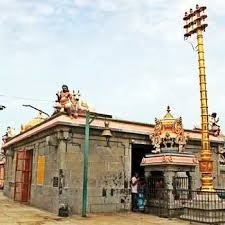
Hailed as one of the Devara Paadal Petra Shiva Sthalas, this ancient Shiva temple commands much respect from the devotees. It is counted among those few temples near Pondicherry where Lord Shiva is worshipped in the form of Mahakaleshwar. Believed to be built in the 7th century by King Kulothungan III, one of the rulers from the Chola dynasty, this shrine exhibits features reflecting the Ekadala style of architecture.
A peculiar aspect of this shrine is that here, you can see broken pieces of Shiva Linga woven together by copper threads. Located in picturesque surroundings, the temple complex includes a large water tank.
Coconut trees and banyan trees line the pathway leading to the temple and add to the tranquil ambiance.
1. Introduction & Spiritual Essence
The Irumbai Shiva Temple, locally revered as the Arulmigu Mahakaleshwar Temple, stands as a spiritual beacon in the serene village of Irumbai, near Pondicherry. Designated as a Paadal Petra Shiva Sthalam (one of the 275 temples revered by the Nayanars, the Saivite saints), this shrine holds profound significance in the Shaivite tradition.
Phalaśruti: The Divine Benefits
Devotees flock to this temple seeking the blessings of Lord Mahakaleshwar, the ruler of time and death. According to spiritual texts, worshipping the Shiva Lingam here is believed to:
- Cleanse Ancestral Karma: It is a powerful site for performing rites for ancestors, helping to liberate their souls from cycles of rebirth.
- Remedy Astrological Doshas: Particularly beneficial for those suffering from the ill effects of Kala Sarpa Dosha.
- Grant Longevity and Protection: As Mahakaleshwar, the Lord protects devotees from untimely death and illness.
2. Historical Origins & Scriptural Legend
The Chola Legacy
According to temple records and architectural analysis, the temple dates back to the 7th century CE. It was constructed under the patronage of King Kulothungan III, a prominent ruler of the Chola dynasty. The Cholas were renowned for their patronage of arts and temple architecture, and the Irumbai Temple stands as a testament to their devotion to Lord Shiva.
The Sthala Purana: The Legend of the Broken Lingam
Tradition holds a captivating local legend that gives the temple its unique character. The story centers on the Suyambu Lingam (self-manifested) that was accidentally broken by a local farmer while plowing his field. Realizing his grave error, the farmer prayed fervently. Lord Shiva, pleased by his devotion, appeared and instructed him to weave the broken pieces together using copper threads (Vadam). Thus, the presiding deity here is unique, appearing as a Lingam bound by threads, symbolizing the binding power of devotion over physical fragmentation.
3. Architectural Marvels
The temple is a classic example of Dravidian Architecture (specifically the Ekadala style), characterized by its solemn grandeur and intricate carvings.
Structural Highlights
- The Sanctum (Garbhagriha): The innermost shrine houses the Mahakaleshwar Lingam, enshrined in a square base.
- The Mandapas: The temple features a series of pillared halls (Mandapas) that serve as spaces for rituals and viewing the deity.
- The Sacred Tank: A large temple tank (Teertham) is located within the complex, essential for ritual purification before Darshan.
- Sculptures: The outer walls feature detailed carvings of deities, mythical creatures, and scenes from Hindu mythology.
4. Darshan & Ritual Logistics (2026 Guide)
Daily Darshan Timings
Please note that timings may vary slightly during festivals. It is advisable to check local listings before travel.
| Session | Timing | Activity |
|---|---|---|
| Morning | 6:00 AM – 12:00 PM | Abhishekam & General Darshan |
| Afternoon | 12:00 PM – 4:00 PM | Temple Closed |
| Evening | 4:00 PM – 8:00 PM | Dharsan & Pooja |
Key Sevas and Online Booking
To ensure a seamless experience, the temple administration facilitates online booking for major Sevas.
- Abhishekam: Performed with milk, honey, and sandalwood paste.
- Archana: Recitation of hymns in the devotee’s name.
- Rudrabhishekam: A powerful Vedic ritual typically performed on Mondays and Pradosham.
Booking Process: Visit the official Tamil Nadu Temple Board portal (HR&CE) or use trusted third-party platforms like MakeMyTrip or Saiprasad (often linked via the temple’s contact page) to book specific dates.
2026 Festival Calendar
Mark your calendars for these high-energy days:
- Maha Shivaratri: February 26, 2026 (Night-long vigil and special Abhishekam).
- Arudra Darshanam: January 5, 2026 (Celebrating the cosmic dance of Shiva).
- Pradosham: Occurs every 13th lunar day (Check monthly calendars).
- Navaratri: September 22 – October 1, 2026.
5. Practical Visitor Guidance
Code of Conduct & Essentials
- Dress Code: Traditional attire is mandatory. Men should wear dhotis or pants with shirts; women should wear sarees, salwar kameez, or churidars. Avoid shorts and sleeveless tops.
- Photography: Strictly prohibited inside the sanctum sanctorum. Photography in the outer corridors is permitted for personal use but not for commercial purposes without permission.
- Mobile Lockers: Security is strict regarding electronic items. Small lockers are available at the entrance for storing mobile phones and cameras.
- Accessibility: The temple has gravel pathways. Senior citizens can request a wheelchair assistance (contact the information desk at the entrance).
Crowd Management Strategy
- Best Time to Visit: Tuesday and Friday mornings (between 7 AM and 9 AM) are generally less crowded.
- Seasonal Advice:
– Summer (March–May): Temperatures in Pondicherry can soar. Carry a water bottle and wear a hat.
– Monsoon (October–December): Light rain is common; carry an umbrella.
6. Pilgrimage Connectivity
How to Reach Irumbai Temple
The temple is located in the Union Territory of Puducherry (Pondicherry), approximately 10 km from the city center.
- By Air: The nearest airport is Puducherry Airport (PNY), roughly 12 km away. Chennai International Airport (MAA) is the nearest major hub, 150 km away.
- By Rail: The nearest railway station is Puducherry Railway Station (on the Villupuram–Puducherry line).
- By Road: The temple is well-connected via NH 332. Auto-rickshaws and taxis are easily available from the city bus stand.
Nearby Sacred Sites (Pilgrimage Circuit)
- Varadaraja Perumal Temple (Villianur): Famous for the Ther Thiruvizha (Chariot festival). Located about 5 km from Irumbai.
- Manakula Vinayagar Temple: A historic Ganesha temple in the heart of Pondicherry, 9 km away.
- Shri Ganga Annapoorneswari Temple: Located in Chunnambar (backwaters area), known for its peaceful ambiance.
Photo Gallery
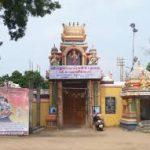
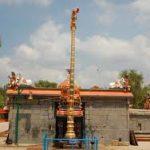
Frequently Asked Questions (FAQs)
1. Is there a VIP Darshan entry available?
Yes, the temple offers a Special Entry Darshan for a nominal fee (usually under ₹50). This allows devotees to bypass the general queue during non-peak hours. Tickets can be purchased at the counter or online.
2. Can I perform Abhishekam personally?
Generally, only the temple priests are allowed to perform Abhishekam inside the sanctum. However, devotees can purchase the materials (milk, Vibhuti) and hand them to the priest to perform the ritual on their behalf.
3. Is the Irumbai Temple open on Sundays?
Yes, the temple is open on Sundays. However, timings may vary slightly, and it is usually more crowded due to weekend visitors.
4. Are there accommodation facilities nearby?
While the temple itself does not have a guest house, there are several guest houses and hotels in and around Puducherry city center, ranging from budget lodges to luxury heritage resorts.
7. Address & Contact Details
Address:
Arulmigu Mahakaleshwar Temple,
Irumbai, Puducherry – 605110.
Contact Details:
Phone: +91-413-220-XXXX (Please contact the local temple office or the Puducherry HR&CE office for verified numbers).
How to Reach:
As mentioned in the connectivity section, the temple is accessible via NH 332. Private taxis and auto-rickshaws are the most convenient modes of transport from Puducherry city.
Recent Posts

Shri Kaamkoteeshwar Mandir, Varanasi – History & Significance
In the heart of Kashi, the eternal city of Lord Shiva, where the Ganges flows with celestial grace, stands the Shri Kaamkoteeshwar Mandir. This sacred Sannidhi is not merely a temple but a profound spiritual bridge between the Northern…

ओ सांवरे तूने ही मुझको संभाला – Lyrics & Meaning
ओ सांवरे तूने ही मुझको संभाला – A Prayer to Shyam Origin & Spiritual Essence Why This Bhajan Resonates Devotees chant this when overwhelmed by life’s storms—the refrain ‘तूने ही मुझको संभाला’ is the soul’s sigh of relief: “You…

कथा ये है महाराज मेरे की – Lyrics & Meaning
कथा ये है महाराज मेरे की छत्रपति संभाजी महाराज – A Prayer to Chhatrapati Sambhaji Maharaj Origin & Spiritual Essence Why This Bhajan Resonates Devotees chant this when their spirit feels tested—its powerful refrain “महाराज मेरे” is a soul’s…

Rigveda Samhita Yathartha Anuvada (ऋग्वेद संहिता यथार्थ अनुवाद) – Complete Set with Anvayartha & Hindi/English Translation
The Rigveda is the oldest surviving scripture of humanity and the foundational text of Sanātana Dharma. For serious students, scholars, UPSC aspirants studying ancient Indian history, Sanskrit learners, and spiritual seekers, a precise and grammatically structured translation is indispensable.…

आना भी अकेला है जाना भी अकेला है – Lyrics & Meaning | BharatTemples
आना भी अकेला है जाना भी अकेला है – A Prayer to the Divine Witness Origin & Spiritual Essence Why This Bhajan Resonates Devotees turn to this bhajan in moments of deep reflection—when life’s attachments begin to ache. The…

माता शेरावाली के द्वार जो भी जाता है – Lyrics & Meaning
माता शेरावाली के द्वार जो भी जाता है – A Prayer to Maa Sherawali Origin & Spiritual Essence Why This Bhajan Resonates Devotees turn to this bhajan in times of fear or uncertainty—its promise that no one leaves Maa’s…

मार लेना सपणी उबार लेणा भवरा – Lyrics & Meaning
मार लेना सपणी उबार लेणा भवरा – A Prayer to the Divine Beloved Origin & Spiritual Essence Why This Bhajan Resonates Devotees chant this in moments of deep vulnerability—its cry of “मार लेना सपणी, उबार लेणा भवरा” is the…

हमें श्याम सुंदर भरोसा तुम्हारा – Lyrics & Meaning
हमें श्याम सुंदर भरोसा तुम्हारा – A Prayer to Shyam Sundar Origin & Spiritual Essence Why This Bhajan Resonates Devotees chant this when feeling alone—its refrain ‘de do sahara’ is the soul’s cry for divine support. Lyrics in Hindi…

Mere Satguru Ne Di Thi Davai Lyrics in Hindi & Meaning
Mere Satguru Ne Di Thi Davai: Invoking the Guru’s Liberating Wisdom This soul-stirring bhajan venerates the Satguru (True Spiritual Master) as the divine physician who dispenses the only remedy for life’s deepest sufferings. Composed by Sant Karmaveer Tufani, it…

Janm Diyo Thari Maa Dukh Dekhiyo Lyrics in Hindi & Meaning
जन्म दियो थारी माँ दुख देखियो (Maa’s Grief Upon Birthing You) This soul-stirring Chetavani Bhajan (admonitory hymn) is addressed to the Divine Mother (Maa) – a call for repentance when children forget their filial duties in the dark age…