
Contents
- 1 Introduction & Spiritual Essence
- 2 Historical Origins & Scriptural Legend
- 3 Architectural Marvels
- 4 Darshan & Ritual Logistics
- 5 Practical Visitor Guidance
- 6 Pilgrimage Connectivity
- 6.1 How to Reach
- 6.2 Nearby Sacred Sites (Pilgrimage Circuit)
- 6.3 FAQs
- 6.4 Is there a VIP darshan entry at Immayilum Nanmai Tharuvar Temple?
- 6.5 What is the significance of the worshipped posture of Shiva here?
- 6.6 Can we perform Thirumanjanam (Abhishekam) ourselves?
- 6.7 Is the temple wheelchair accessible?
- 6.8 Where can I park my vehicle?
- 7 Contact Details
Introduction & Spiritual Essence
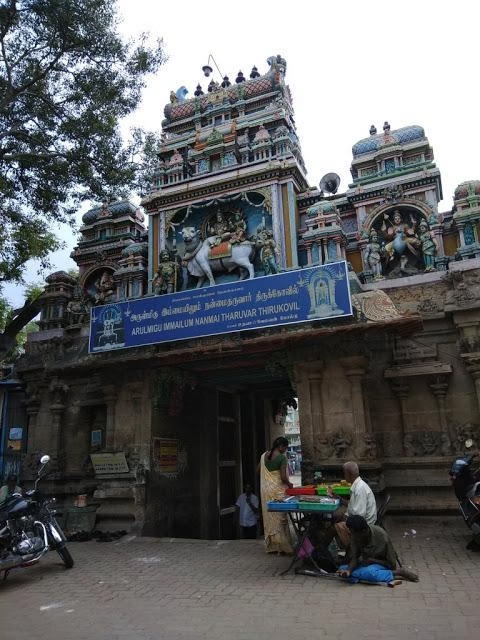
Nestled on the bustling West Masi Street, just a short walk from the famous Koodal Azhagar Temple, lies the Immayilum Nanmai Tharuvar Temple. This ancient sanctuary is one of the most spiritually significant sites in Madurai, revered as a Pancha Boodha Sthalam (representing the five elements). Here, the presiding deity, Immayilum Nanmai Tharuvar (a manifestation of Lord Shiva), represents the element of Sky (Akasha). The mother goddess is known as Naduvoor Nayaki or Mathiyapuri Nayaki.
Phalaśruti: The Boon of Relief
Devotees flock to this temple seeking immediate spiritual cleansing. While many believe the relief from sins committed in this birth manifests in future lives, tradition holds that Lord Immayilum Nanmai Tharuvar grants relief within this very birth. It is particularly potent for:
- Cleansing Ancestral Karma: Performing rituals here alleviates the suffering of ancestors.
- Resolution of Litigation: As the Lord who administered justice in mythological eras, he is worshipped for legal clarity and favorable outcomes.
- Marital Harmony: Couples worship the unique reliefs of Shiva and Shakti to strengthen their bond.
Historical Origins & Scriptural Legend
According to temple records and the Tiruvilayadal Puranam, this site dates back to the mythological era of Lord Shiva’s play (Leela) in Madurai. The temple is not just a structure of stone but a living testimony to the divine pastimes of the Lord.
The Myth of the Bangle Merchant
Tradition holds that this is the precise location where Lord Shiva incarnated as a bangle merchant to test the devotion of a young woman named Angarkali. Through this divine play, Shiva established the sanctity of the marital vow, a theme central to the Madurai Meenakshi temple complex.
The Coronation Ritual
A unique historical legend is associated with the coronation of Lord Sundareswarar (Meenakshi’s consort). As a rule, any ruler must perform Shiva Puja before assuming office. During the coronation of Shiva as the King of Madurai, he installed a Linga here to perform this essential worship. Consequently, during the annual coronation festival in the Meenakshi Temple, the processional deities visit Immayilum Nanmai Tharuvar Temple first.
Architectural Marvels
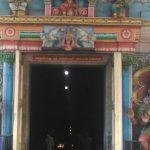
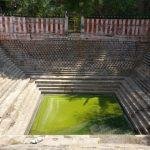
The temple is a classic example of Dravidian Architecture, characterized by its towering Gopurams (gateway towers) and intricate sculptures. As a Pancha Boodha Sthalam, the architecture is designed to represent the cosmic elements.
Unique Sculptural Rarity
The most striking architectural feature is found in the sanctum sanctorum (Garbhagriha). Unlike typical Shiva temples, the rear wall of the sanctum features a stone relief depicting Lord Shiva and Mother Parvathi worshipping the Lingam. This rare iconography represents the supreme divine couple paying obeisance to the cosmic phallus, symbolizing that even the gods bow to the eternal truth.
Dravidian Elements
The temple features the traditional Vimana (tower above the sanctum) with tiered Kutas and Salas. The Mandapas (pillared halls) are designed according to Vastu Shastra, allowing for smooth movement of devotees and perfect acoustics for Vedic chants.
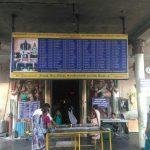
Darshan & Ritual Logistics
The temple follows standard Agamic traditions with specific rituals dedicated to the element of Akasha (Sky).
Daily Timings (2026 Season)
| Darshan Session | Timings |
|---|---|
| Morning Opening | 6:00 AM |
| Morning Abhishekam | 6:30 AM – 8:00 AM |
| Afternoon Closure | 12:00 PM – 4:00 PM |
| Evening Opening | 4:00 PM |
| Night Closing | 8:00 PM |
Key Sevas & Online Booking
While the temple is managed by the HR&CE department of Tamil Nadu, specific archanas can be offered at the counter. For major festivals, checking the HR&CE official portal is recommended.
- Abhishekam: Performed with milk, honey, and sandalwood paste.
- Archana: Special Archana in the name of the devotee (Athma Shanthi).
- Deepa Aradhana: The ritualistic waving of lamps, believed to be performed by Shiva himself for the devotee.
2026 Festival Calendar
- March (Panguni): Arudra Darshanam (Lord Shiva’s cosmic dance). Expect high footfall.
- January (Thai): Thiruvadhirai (Celebrated with special Abhishekam).
- October/November (Aippasi/Karthigai): Karthigai Deepam (Festival of Lights).
Practical Visitor Guidance
Madurai is a year-round destination, but the climate dictates the experience.
Dress Code & Etiquette
- Attire: Traditional Indian dress is preferred. Men should wear dhotis or trousers with shirts; women should wear sarees, salwar kameez, or long skirts.
- Photography: Strictly prohibited inside the inner sanctum. Photography is allowed in the outer corridors.
- Mobile Phones: Photography is restricted. While there may not be a formal locker system due to the temple’s size, it is advisable to leave valuables at your hotel or use the secure lockers available at the nearby Koodal Azhagar Temple.
Crowd Management & Seasonal Advice
- Best Time to Visit: The temple is crowded during Mondays and festival days. For a peaceful darshan, visit between 10:00 AM and 11:30 AM on weekdays.
- Summer (March-May): Madurai becomes hot (up to 40°C). Carry a water bottle and a head covering. The lines move faster in the morning.
- Monsoon (October-December): The weather is pleasant, making it ideal for walking around the temple streets.
Pilgrimage Connectivity
Located in the heart of Madurai, the temple is highly accessible.
How to Reach
- By Air: Madurai International Airport (IXM) is 12 km away. Taxis and airport buses are readily available.
- By Rail: Madurai Junction (MDU) is just 1 km from the temple. It is a pleasant walk or a 5-minute auto-rickshaw ride.
- By Road: The temple is near West Masi Street. The main bus terminus (Mattuthavani) is 7 km away. Autos are easily available from all parts of the city.
Nearby Sacred Sites (Pilgrimage Circuit)
- Koodal Azhagar Temple (200 meters): Dedicated to Lord Vishnu, famous for its three postures of the deity (Standing, Sitting, Sleeping).
- Meenakshi Amman Temple (1 km): The epicenter of Madurai spirituality.
- Thiruparankundram Murugan Temple (7 km): One of the six abodes of Lord Murugan, carved out of a massive rock.
FAQs
Is there a VIP darshan entry at Immayilum Nanmai Tharuvar Temple?
Given the temple’s size and management by the HR&CE department, there isn’t a formal VIP entry system like in larger shrines. However, visiting during non-peak hours (afternoon) offers a quick and serene darshan.
What is the significance of the worshipped posture of Shiva here?
The relief of Shiva and Shakti worshipping the Lingam is unique. It symbolizes that even the divine couple submits to the formless absolute (Shiva Lingam). It signifies the removal of ego and the importance of devotion.
Can we perform Thirumanjanam (Abhishekam) ourselves?
Generally, only temple priests are allowed to perform Abhishekam in the inner sanctum. Devotees can offer materials (milk, flowers) which the priests will use for the ritual on their behalf.
Is the temple wheelchair accessible?
As an ancient heritage structure, the temple has stone steps. However, the main sanctum is approachable via a slope in the outer prahara (circumambulation path). It is advisable to contact the temple office (+91 452 6522 950) for assistance if mobility is an issue.
Where can I park my vehicle?
West Masi Street is a busy market area with restricted parking. Public parking is available near the Periyar Bus Stand (300 meters) or the Complex Bus Stand (400 meters). It is best to take an auto-rickshaw or taxi to the entrance.
Contact Details
Immayilum Nanmai Tharuvar Temple
West Masi Street,
Madurai – 625 001,
Madurai District
Phone: +91 452 6522 950
Mobile: +91 94434 55311 / 93451 55311 / 92446 55311
Recent Posts

Shri Kaamkoteeshwar Mandir, Varanasi – History & Significance
In the heart of Kashi, the eternal city of Lord Shiva, where the Ganges flows with celestial grace, stands the Shri Kaamkoteeshwar Mandir. This sacred Sannidhi is not merely a temple but a profound spiritual bridge between the Northern…

ओ सांवरे तूने ही मुझको संभाला – Lyrics & Meaning
ओ सांवरे तूने ही मुझको संभाला – A Prayer to Shyam Origin & Spiritual Essence Why This Bhajan Resonates Devotees chant this when overwhelmed by life’s storms—the refrain ‘तूने ही मुझको संभाला’ is the soul’s sigh of relief: “You…

कथा ये है महाराज मेरे की – Lyrics & Meaning
कथा ये है महाराज मेरे की छत्रपति संभाजी महाराज – A Prayer to Chhatrapati Sambhaji Maharaj Origin & Spiritual Essence Why This Bhajan Resonates Devotees chant this when their spirit feels tested—its powerful refrain “महाराज मेरे” is a soul’s…

Rigveda Samhita Yathartha Anuvada (ऋग्वेद संहिता यथार्थ अनुवाद) – Complete Set with Anvayartha & Hindi/English Translation
The Rigveda is the oldest surviving scripture of humanity and the foundational text of Sanātana Dharma. For serious students, scholars, UPSC aspirants studying ancient Indian history, Sanskrit learners, and spiritual seekers, a precise and grammatically structured translation is indispensable.…

आना भी अकेला है जाना भी अकेला है – Lyrics & Meaning | BharatTemples
आना भी अकेला है जाना भी अकेला है – A Prayer to the Divine Witness Origin & Spiritual Essence Why This Bhajan Resonates Devotees turn to this bhajan in moments of deep reflection—when life’s attachments begin to ache. The…

माता शेरावाली के द्वार जो भी जाता है – Lyrics & Meaning
माता शेरावाली के द्वार जो भी जाता है – A Prayer to Maa Sherawali Origin & Spiritual Essence Why This Bhajan Resonates Devotees turn to this bhajan in times of fear or uncertainty—its promise that no one leaves Maa’s…

मार लेना सपणी उबार लेणा भवरा – Lyrics & Meaning
मार लेना सपणी उबार लेणा भवरा – A Prayer to the Divine Beloved Origin & Spiritual Essence Why This Bhajan Resonates Devotees chant this in moments of deep vulnerability—its cry of “मार लेना सपणी, उबार लेणा भवरा” is the…

हमें श्याम सुंदर भरोसा तुम्हारा – Lyrics & Meaning
हमें श्याम सुंदर भरोसा तुम्हारा – A Prayer to Shyam Sundar Origin & Spiritual Essence Why This Bhajan Resonates Devotees chant this when feeling alone—its refrain ‘de do sahara’ is the soul’s cry for divine support. Lyrics in Hindi…

Mere Satguru Ne Di Thi Davai Lyrics in Hindi & Meaning
Mere Satguru Ne Di Thi Davai: Invoking the Guru’s Liberating Wisdom This soul-stirring bhajan venerates the Satguru (True Spiritual Master) as the divine physician who dispenses the only remedy for life’s deepest sufferings. Composed by Sant Karmaveer Tufani, it…

Janm Diyo Thari Maa Dukh Dekhiyo Lyrics in Hindi & Meaning
जन्म दियो थारी माँ दुख देखियो (Maa’s Grief Upon Birthing You) This soul-stirring Chetavani Bhajan (admonitory hymn) is addressed to the Divine Mother (Maa) – a call for repentance when children forget their filial duties in the dark age…