Egathamman Temple, Kadambathur: History, Timings & Pilgrimage Guide
Receive daily temple updates, divine darshan, and morning bhajans directly on WhatsApp.
Contents
- 1 Introduction & Spiritual Essence
- 2 Historical Origins & Scriptural Legend
- 3 Architectural Marvels
- 4 Darshan & Ritual Logistics
- 5 Practical Visitor Guidance
- 6 Pilgrimage Connectivity
- 7 Frequently Asked Questions (FAQ)
Introduction & Spiritual Essence
Nestled in the serene village of Kadambathur in the Thiruvallur district of Tamil Nadu, the Egathamman Temple stands as a beacon of faith and ancestral grace. This ancient shrine is dedicated to the divine feminine in the form of Egathamman, a powerful manifestation of Goddess Parvati. The name “Egathamman” translates to “The Mother of Egolessness,” signifying the deity’s role in helping devotees transcend their individual egos and merge into the universal consciousness.
Phalaśruti: The Divine Benefit
Devotees visit this sacred site to seek blessings for mental clarity, family harmony, and the resolution of prolonged legal and personal disputes. According to temple lore, offering sincere prayers here is believed to cleanse ancestral karma, removing obstacles passed down through generations. It is particularly revered for granting Santhi (peace) and Sakthi (energy), making it a vital stop for those on a spiritual quest for liberation (Moksha).
Historical Origins & Scriptural Legend
While specific historical records regarding the exact century of construction are sparse, the Egathamman Temple, Kadambathur exhibits architectural elements typical of the late Chola or early Vijayanagara period. Tradition holds that the temple was originally built by local chieftains who were ardent devotees of the Mother Goddess.
Scriptural Legend
According to local Stala Purana (oral history), the temple enshrines a Swayambhu (self-manifested) idol of the Goddess. Legend narrates that a holy sage meditating in this forest (Kadambam means a cluster of Kadamba trees) was blessed with a divine vision of the Goddess emerging from the earth to vanquish the arrogance of a local demon. The site is considered a “Sakthi Peetham” energy spot, where the divine presence is intensely palpable.
📖 Related: Hariharapakkam Shiva Temple History and Darshan Timings | Kanchipuram
Renovations over the centuries have preserved the sanctity of the inner sanctum while restoring the outer walls, ensuring that the temple remains a functional hub of Bhakti (devotion) for modern pilgrims.
Architectural Marvels
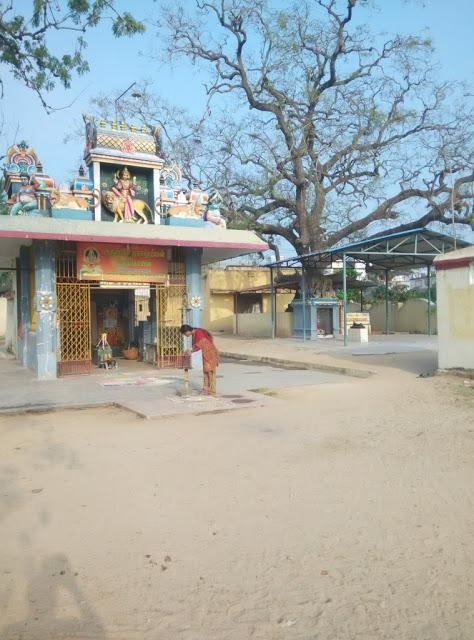
The temple is a classic example of Dravidian Architecture, characterized by its towering Gopuram (gateway tower) and intricate sculptural details. The structure is aligned with the principles of Vastu Shastra, ensuring a harmonious flow of energy.
- The Sanctum (Garbhagriha): The inner sanctum houses the main deity, Egathamman, facing east. The idol is depicted with four arms, holding the Chakra and Shankha, symbolizing the protection of the universe.
- Mandapas: The temple features a spacious Maha Mandapa (main hall) with pillars carved with depictions of deities and floral motifs. The ceiling features beautiful frescoes that have been preserved over time.
- Sculpture: Unlike later Nayak-era temples, the carvings here focus on simplicity and divine expression rather than excessive ornamentation.
While not listed as a UNESCO heritage site, the temple is a protected monument under the oversight of local Archaeological Survey of India (ASI) guidelines due to its historical significance.
Darshan & Ritual Logistics
Visiting the Egathamman Temple requires an understanding of the daily rituals to maximize your spiritual experience. The atmosphere is vibrant during Abhishekam (ritual bathing of the deity).
Daily Timings
Please note that timings may vary slightly during festival seasons.
| Session | Timing | Activity |
|---|---|---|
| Morning | 6:00 AM – 12:00 PM | Morning Abhishekam, Archana |
| Afternoon | 12:00 PM – 4:00 PM | Temple Rest / Cleaning |
| Evening | 4:00 PM – 8:00 PM | Deeparadhana, Iraikkai Pooja |
Key Sevas & Online Booking
Devotees can book specific Sevas. While online infrastructure varies by season, bookings are generally handled through the temple executive officer or local coordination committees. For 2026, devotees are advised to check the official Tamil Nadu Hindu Religious & Charitable Endowments (HR&CE) website for real-time updates.
- Abhishekam: Performed on Tuesdays and Fridays.
- Archana: Available throughout open hours.
- Special Deeparadhana: Performed during sunset.
📖 Related: Pachaimalai Subramanya Swamy Temple: History, Darshan Timings & Guide
2026 Festival Dates
- Navaratri: October 2 – October 11, 2026 (Major celebrations for Egathamman).
- Deepavali: November 1, 2026 (Special Oil Bath Abhishekam).
- Pongal: January 14, 2026 (Community offering).
- Monthly Pradosham: 15th and 30th of every month (Tuesdays).
Practical Visitor Guidance
To ensure a smooth visit, please adhere to the following guidelines:
- Dress Code: Traditional attire is mandatory. Men should wear Veshti (dhoti) or trousers with a shirt; women should wear saree, salwar kameez, or half-saree. Avoid shorts and sleeveless tops.
- Photography: Photography is strictly prohibited inside the sanctum sanctorum. Photography of the outer premises may be allowed with permission from temple authorities.
- Mobile & Lockers: Electronic devices must be switched off. While there are no automated lockers, a shoe-keeping facility is available at the entrance.
- Accessibility: The temple has stone steps leading to the entrance. It may not be fully wheelchair accessible due to the age of the structure.
- Crowd Management: The best time for a peaceful darshan is on weekday mornings (6:30 AM – 8:00 AM). Avoid weekends and festival days if you prefer a less crowded experience. Summers (May) are extremely hot; carry a water bottle and umbrella.
Pilgrimage Connectivity
Located in the Kanchipuram-Thiruvallur religious circuit, the temple is well-connected by road and rail.
How to Reach
- Nearest Railway Station: Kadambathur Railway Station (located just 750 meters from the temple) is the most convenient stop. It lies on the Chennai Beach – Arakkonam suburban line.
- Nearest Bus Stand: Kadambathur Bus Stand (1 km) connects to Thiruvallur and Chennai.
- By Road: From Chennai, take NH 48 towards Poonamallee, then proceed via the Thiruvallur highway. The drive takes approximately 1 hour 15 minutes. The temple is well-signposted from the Kadambathur village center.
- Nearest Airport: Chennai International Airport (MAA) is approximately 58 km away.
📖 Related: Dwaraka Krishnan Temple, Suchindrum: History, Timings & Complete Guide
Nearby Sacred Sites (Pilgrimage Circuit)
Enhance your spiritual journey by visiting these nearby temples:
- Thiruvallur Veeraraghava Swamy Temple: Located 9 km away, this is a major Vaishnavite temple dedicated to Lord Rama as a healer.
- Thiruvalangadu Vadaranyeswarar Temple: Located 13 km away, one of the seven ‘Sapta Vanga’ temples dedicated to Lord Shiva.
2016-02-18, Egathamman Temple, Kadambathur, Thiruvallur
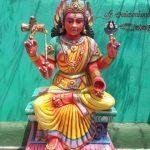
2017-07-30, Egathamman Temple, Kadambathur, Thiruvallur
2016-02-18 (1), Egathamman Temple, Kadambathur, Thiruvallur
Frequently Asked Questions (FAQ)
1. Is there a VIP darshan entry at Egathamman Temple?
Currently, the Egathamman Temple operates on a general darshan basis to maintain equality among devotees. However, special tickets for “First Darshan” during festivals are available at the counter on a first-come, first-served basis.
2. What is the significance of the name “Egathamman”?
The name implies the removal of the ego (Ahamkara). Devotees believe that the Goddess helps dissolve the false sense of self, leading to true spiritual realization and peace.
3. Are there accommodation facilities available near the temple?
Kadambathur is a small village with limited lodges. For comfortable stay options, pilgrims are advised to stay in Thiruvallur (9 km away) or in Chennai, which offers a wide range of hotels. The temple trust may offer basic rooms for pilgrims during major festivals; inquire with the temple executive officer.
4. What is the history of the temple?
While the exact construction date is lost to time, oral history suggests the temple dates back several centuries, built by local chieftains. The architecture strongly reflects the Dravidian style, prevalent in Tamil Nadu post the Chola era.
5. Is Prasadam available?
Yes, daily noon Prasadam is distributed to devotees. It typically consists of Pongal, Sundal, and fruit offerings. During special occasions, larger community meals are served.