
Contents
- 1 Ananda Krishna Varadharaja Perumal Temple, Angarai, Trichy
Ananda Krishna Varadharaja Perumal Temple, Angarai, Trichy
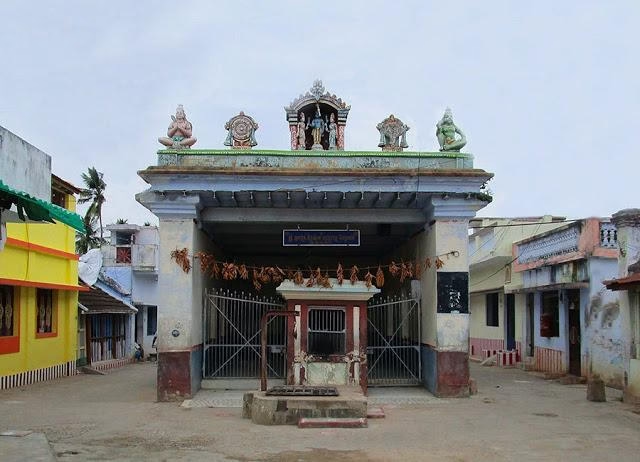
In the spiritual landscape of Tamil Nadu, every village (Ur) houses a divine protector, an Ezhuththu Nayagam (Principal Deity). The Ananda Krishna Varadharaja Perumal Temple in Angarai, near Lalgudi, stands as a monumental testament to Dravidian architectural grandeur and deep-rooted Vaishnavite traditions. Dedicated to Lord Vishnu in his form as Varadharaja (Bestower of Boons), this temple serves as a pivotal spiritual anchor for the surrounding regions of Trichy.
1. Introduction & Spiritual Essence
The temple is revered as the abode of Sri Varadharaja Perumal (also known as Ananda Krishna Varadharaja Perumal). Here, the presiding deity is a majestic Murti (idol) carved from stone, standing in a contemplative pose, radiating peace and prosperity. The consort, Goddess Sri Varanandavalli Thayar, graces the sanctum with her benevolent presence.
The Phalaśruti: Spiritual Benefits
Devotees flock to this temple seeking the blessings of Varadharaja, who is believed to grant Vara (boons) to his devotees. According to the temple elders and local spiritual practitioners:
- Removal of Confusion: As the deity is named Ananda Krishna, worship here is believed to remove mental anxiety and restore emotional balance, much like the divine flute of Krishna mesmerizes the chaos of the world.
- Ancestral Liberation: Performing rituals for ancestors (Tharpana) and performing Shraddha here is believed to cleanse ancestral karma and grant peace to departed souls.
- Health and Longevity: Fasting on Saturdays (Shani Vratam) and offering prayers to the Perumal is traditionally believed to improve health and remove prolonged illnesses.
2. Historical Origins & Scriptural Legend
While exact geological dating of the temple structure is difficult due to centuries of renovation, the Ananda Krishna Varadharaja Perumal Temple showcases architectural elements characteristic of the Vijayanagara and subsequent Nayak periods (approx. 15th–18th century). These eras were marked by the construction of massive Prakaras (corridors) and towering Gopurams.
The Legend of Ananda Krishna
Tradition holds that this region was once a dense forest of Karivelan trees. The local Sthala Purana narrates that a devout sage performed rigorous penance here to witness the cosmic dance of Lord Vishnu and Goddess Mahalakshmi. Pleased by his devotion, the Lord appeared here as Varadharaja, bestowing Ananda (supreme bliss) in the form of Krishna.
Unlike many temples where legends are scripted in Sanskrit Vedic texts, the history here is preserved through oral traditions passed down by generations of temple priests. The temple is part of the wider Nadu Naadu region worship pattern in Srirangam theology.
3. Architectural Marvels
The temple is a masterpiece of Dravidian Architecture. It is enclosed by a massive outer wall (Prakara) which is a signature style of the Nayak period, designed to enclose the sanctum within a fortified enclosure.
Key Features:
- Raja Gopuram: The temple features a gateway tower that is distinct and visible from the village streets, adorned with stucco figures depicting scenes from Hindu epics.
- Mandapas (Halls): The Maha Mandapa and Ardha Mandapa are supported by robust stone pillars. These pillars are intricately carved with figurines of Yalis (mythical creatures) and Dwarapalakas (guardian deities).
- Sanctum Sanctorum (Garbhagriha): The inner sanctum is relatively dark, focusing the devotee’s attention on the illuminated murti of Varadharaja Perumal. The stone carving here is believed to be an original work, reflecting the Chola influence underneath the Nayak additions.
- Sub-Shrines: Separate shrines for Azhwar (the Vaishnavite saints) and Narasimha are located within the complex.
4. Darshan & Ritual Logistics
The temple follows the traditional Agnama (ritual codes). It remains open from early morning until noon and reopens in the evening for devotees.
Daily Timings
| Session | Timing | Ritual Details |
|---|---|---|
| Morning | 06:00 AM – 12:00 PM | Opening, Suprabhatam, Abhishekam |
| Evening | 04:00 PM – 08:00 PM | Deepa Aradhana, Aarthi, Closing |
Key Sevas (Services) and Online Booking
Devotees can perform several Sevas to seek blessings. While this is a local temple, the methodology for booking usually involves contacting the temple custodians or visiting the Tamil Nadu Hindu Religious and Charitable Endowments (HR&CE) portal.
- Abhishekam: The ritual bathing of the deity with milk, honey, and sandalwood paste. Best Time: Morning 8:00 AM.
- Archana (Suprabhatam): Recitation of holy names for the well-being of the family.
- Tirumanjanam: Special decoration of the deity.
Online Seva Booking: For this specific temple, as of 2026, devotees are advised to visit the official Tamil Nadu Temple Tourism portal or call the local HR&CE office in Trichy. For special Kalyana Utsavam (Marriage rites), booking should be done at least 7 days in advance.
2026 Major Festival Dates
- Brahmotsavam: April 14 – April 22, 2026 (Charismatic processions of the Perumal).
- Garuda Sevai: May 15, 2026 (Grand procession on the eagle mount).
- Avatarana Ekadasi: December 10, 2026 (Special fasting and prayer day).
5. Practical Visitor Guidance
To ensure a harmonious Darshan experience, adhering to temple etiquette is essential.
- Dress Code: Strict adherence to traditional attire is mandatory. Men should wear Dhoti or formal pants with a shirt (no t-shirts allowed). Women should wear Saree, Salwar Kameez, or traditional skirt and top. Western attire is strictly prohibited.
- Photography: Photography is prohibited inside the inner sanctum (Garbhagriha). However, photography is permitted in the outer prakara and mandapas.
- Mobile Lockers: There are small provision shops near the temple entrance that offer temporary mobile locker services for a nominal fee. The temple trust does not guarantee safety for valuables, so travel light.
- Crowd Management:
- Best Hours: 06:30 AM – 07:30 AM is the most peaceful time for Darshan.
- Weekends: Expect higher crowds on Saturdays and Sundays due to proximity to Trichy city.
- Seasonal Advice: During the summer months (April–May), Trichy experiences high temperatures (up to 40°C). Carry a water bottle and an umbrella. The temple floor can get very hot; wear comfortable footwear that is easy to remove.
- Accessibility: The temple is on level ground, but ramps for wheelchair access are limited due to heritage constraints. Assistance from local volunteers is available upon request.
6. Pilgrimage Connectivity
The temple is strategically located for those touring the Chola Nadu temple circuit.
How to Reach
- By Air: Trichy International Airport (TIR) is the nearest airport, located approximately 26 km away. Taxis and airport buses are readily available.
- By Rail: The nearest railway station is Lalgudi Railway Station (LGD) (approx. 2 km). However, major trains halt at Trichy Junction (TPJ), which is 21 km away.
- By Road: Angarai is well-connected via State Highway 22 and local roads connecting to Lalgudi.
Nearby Sacred Sites (The Pilgrimage Circuit)
- Jambukeswarar Temple (Thiruvanaikaval): Located 14 km away. One of the Pancha Bhoota Stalas representing the element of Water.
- Srirangam Ranganathaswamy Temple: Located 14 km away. The first among the 108 Divya Desams of Lord Vishnu.
- Samayapuram Mariamman Temple: Located 20 km away. A famous temple dedicated to the Goddess Mariamman.
Original Source Reference: Tamil Nadu Fav Tourism Blogspot
7. Frequently Asked Questions (FAQ)
1. Is there a VIP Darshan entry available at the temple?
The temple administration usually does not have a designated VIP entry system as it is a local heritage temple. However, devotees seeking special entry for elderly family members or medical necessities can speak to the head priest (Gurukkal) on duty, who may allow entry during non-puja hours upon donation.
2. What is the best time to visit Ananda Krishna Varadharaja Perumal Temple?
The best time to visit Trichy and Angarai is between October and March. The weather is cool and pleasant. Mornings between 6:00 AM and 8:00 AM are ideal for Darshan as the temple is less crowded and the deity is adorned with fresh flowers.
3. Are there accommodation facilities near the temple?
Accommodation in Angarai village is limited to local homestays. However, since the temple is only 21 km from Trichy, devotees prefer staying in Trichy or Srirangam where hotels ranging from budget to luxury are available. The TTDC (Tamil Nadu Tourism Development Corporation) operates a hotel in Srirangam and Trichy.
4. Can non-Hindus visit the temple?
Most Vishnu temples in Tamil Nadu, including Varadharaja Perumal temples, generally allow entry to people of all faiths, provided they respect the temple’s sanctity and dress code. However, it is always advisable to check local customs at the entry counter as rules can vary by local temple committee decisions.
5. Is there a parking facility available?
Yes, there is a designated parking area near the temple entrance for cars and two-wheelers, managed by local authorities. It is usually free of charge, but during festival days, paid parking is arranged in the nearby village grounds.
| Date built: | – |
|---|---|
| Deity: | Ananda Krishna Varadharaja, |
| Architectural style: | Dravidian architecture |
| Major festivals | – |
| Locale: | Angarai |
| District:: | Trichy |
| Address: | – |
| Phone | – |

Official Contact Details
Executive Officer,
Ananda Krishna Varadharaja Perumal Temple Trust,
Angarai, Lalgudi Taluk,
Trichy District – 621 xxx.
Phone: [Insert Local Office Number Here]
Recent Posts

Shri Kaamkoteeshwar Mandir, Varanasi – History & Significance
In the heart of Kashi, the eternal city of Lord Shiva, where the Ganges flows with celestial grace, stands the Shri Kaamkoteeshwar Mandir. This sacred Sannidhi is not merely a temple but a profound spiritual bridge between the Northern…

ओ सांवरे तूने ही मुझको संभाला – Lyrics & Meaning
ओ सांवरे तूने ही मुझको संभाला – A Prayer to Shyam Origin & Spiritual Essence Why This Bhajan Resonates Devotees chant this when overwhelmed by life’s storms—the refrain ‘तूने ही मुझको संभाला’ is the soul’s sigh of relief: “You…

कथा ये है महाराज मेरे की – Lyrics & Meaning
कथा ये है महाराज मेरे की छत्रपति संभाजी महाराज – A Prayer to Chhatrapati Sambhaji Maharaj Origin & Spiritual Essence Why This Bhajan Resonates Devotees chant this when their spirit feels tested—its powerful refrain “महाराज मेरे” is a soul’s…

Rigveda Samhita Yathartha Anuvada (ऋग्वेद संहिता यथार्थ अनुवाद) – Complete Set with Anvayartha & Hindi/English Translation
The Rigveda is the oldest surviving scripture of humanity and the foundational text of Sanātana Dharma. For serious students, scholars, UPSC aspirants studying ancient Indian history, Sanskrit learners, and spiritual seekers, a precise and grammatically structured translation is indispensable.…

आना भी अकेला है जाना भी अकेला है – Lyrics & Meaning | BharatTemples
आना भी अकेला है जाना भी अकेला है – A Prayer to the Divine Witness Origin & Spiritual Essence Why This Bhajan Resonates Devotees turn to this bhajan in moments of deep reflection—when life’s attachments begin to ache. The…

माता शेरावाली के द्वार जो भी जाता है – Lyrics & Meaning
माता शेरावाली के द्वार जो भी जाता है – A Prayer to Maa Sherawali Origin & Spiritual Essence Why This Bhajan Resonates Devotees turn to this bhajan in times of fear or uncertainty—its promise that no one leaves Maa’s…

मार लेना सपणी उबार लेणा भवरा – Lyrics & Meaning
मार लेना सपणी उबार लेणा भवरा – A Prayer to the Divine Beloved Origin & Spiritual Essence Why This Bhajan Resonates Devotees chant this in moments of deep vulnerability—its cry of “मार लेना सपणी, उबार लेणा भवरा” is the…

हमें श्याम सुंदर भरोसा तुम्हारा – Lyrics & Meaning
हमें श्याम सुंदर भरोसा तुम्हारा – A Prayer to Shyam Sundar Origin & Spiritual Essence Why This Bhajan Resonates Devotees chant this when feeling alone—its refrain ‘de do sahara’ is the soul’s cry for divine support. Lyrics in Hindi…

Mere Satguru Ne Di Thi Davai Lyrics in Hindi & Meaning
Mere Satguru Ne Di Thi Davai: Invoking the Guru’s Liberating Wisdom This soul-stirring bhajan venerates the Satguru (True Spiritual Master) as the divine physician who dispenses the only remedy for life’s deepest sufferings. Composed by Sant Karmaveer Tufani, it…

Janm Diyo Thari Maa Dukh Dekhiyo Lyrics in Hindi & Meaning
जन्म दियो थारी माँ दुख देखियो (Maa’s Grief Upon Birthing You) This soul-stirring Chetavani Bhajan (admonitory hymn) is addressed to the Divine Mother (Maa) – a call for repentance when children forget their filial duties in the dark age…