Thirumoolanathar Temple, Poovalur: History, Darshan Timings & Guide
Receive daily temple updates, divine darshan, and morning bhajans directly on WhatsApp.
Contents
- 1 Thirumoolanathar Temple: The Resurrection of Manmatha
Thirumoolanathar Temple: The Resurrection of Manmatha
Thirumoolanathar Temple, Poovalur, nestled on the banks of the River Kollidam (ancient Phalguni) in the Trichy district, stands as a monumental testament to the intersection of cosmic mythology and architectural grandeur. Dedicated to Lord Shiva in the form of Thirumoolanathar (also revered as Gnanapureeswarar) and the Mother Goddess Kumkuma Soundara Nayaki, this temple is a sacred site where the boundaries of desire, destruction, and liberation dissolve.
Introduction & Spiritual Essence
The primary deity is a Swayambhu (self-manifested) Lingam. The temple is renowned for its profound spiritual energy rooted in the legend of Manmatha (Cupid/God of Desire). Devotees flock here to worship Thirumoolanathar, the supreme healer who resurrected Manmatha, burning away the ashes of ego and lust to restore cosmic balance.
Phalaśruti (Spiritual Benefit): It is believed that worshipping here is equivalent to performing rituals at the holy Gaya. Those with pending Pitru Dosham (ancestral obligations) find relief here, as the temple is associated with the Pinda Pradhanam ritual, ensuring salvation for ancestors.
The Theertham (holy water) is the Panguni Theertham, and the Sthala Vriksham (sacred tree) is the Bilva (Vilvam) tree.
Historical Origins & Scriptural Legend
While the exact date of construction is not explicitly recorded in stone inscriptions, the temple follows the traditional Pallava and Chola stylistic influences, dating back over a millennium. The structure has undergone significant renovations by later Nayak rulers.
📖 Related: Kariamanicka Perumal Temple, Pakkam: History, Timings & Complete Guide
The Legend of Resurrection
According to the Sthala Purana (local oral tradition), the temple is the site of a cosmic miracle:
- The Burning of Manmatha: When Shiva was in deep meditation, the Devas feared the rising Asura powers. They sent Manmatha to awaken Shiva with his flower arrows of desire. Enraged by the disturbance, Shiva opened his third eye and burned Manmatha to ashes.
- Rathi’s Boon: Grief-stricken, Manmatha’s consort, Rathi Devi, performed severe penance at Poovalur. Pleased by her devotion, Lord Shiva resurrected Manmatha.
- Origin of the Name: It is believed Manmatha released his flower arrows (Poo in Tamil) from this village, leading to its name Poovalur. The site is also called Manmathapuram.
Gnanapureeswarar: The Bestower of Knowledge
Tradition holds that the Saptha Rishis (Seven Sages) worshipped the Lord here to gain divine knowledge (Gnana). Hence, the presiding deity is also called Gnanapureeswarar.
The Gaya Equivalent
Legend narrates that a Sage, unable to travel to Gaya (Bihar) to perform Shraddha for his ancestors, prayed to Shiva here. The Lord kicked the ground, causing the Phalguni River to flow forth. Thus, performing rituals here holds the same merit as the pilgrimage to Gaya.
Architectural Marvels
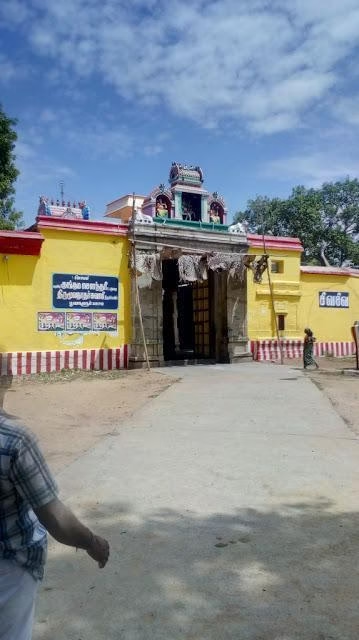
The temple showcases the evolution of Dravidian Architecture, characterized by towering gateways (Gopurams) and intricate sculptural details.
Structural Highlights
- The Sanctum (Garbhagriha): The presiding deity, Thirumoolanathar, faces East. The Lingam is unique in its self-manifested form.
- Mandapas: The temple features spacious Mandapas (halls) with stone pillars. Look for the Nandi Mandapam which aligns perfectly with the deity.
- Sculptures: The pillars depict various avatars of Shiva and scenes from the Manmatha Leela. The outer walls feature niches housing deities typical of the Nayak period.
Visual Documentation
poovalur-tirumoolanadar-1-1024×560, Thirumoolanathar Temple, Poovalur, Trichy
2017-06-21 (1), Thirumoolanathar Temple, Poovalur, Trichy
poovalur-tirumoolanadar-3, Thirumoolanathar Temple, Poovalur, Trichy
Poovalur_MoolanathaTemple (7), Thirumoolanathar Temple, Poovalur, Trichy
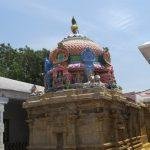
Poovalur_MoolanathaTemple (14), Thirumoolanathar Temple, Poovalur, Trichy

IMG_20170716_075127, Thirumoolanathar Temple, Poovalur, Trichy
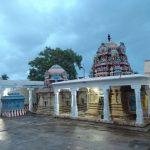
2017-08-ghj18, Thirumoolanathar Temple, Poovalur, Trichy
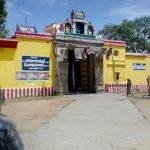
2017-06-21 (4), Thirumoolanathar Temple, Poovalur, Trichy
Preservation Status: While not a UNESCO site, the temple is protected by the Hindu Religious and Charitable Endowments (HR&CE) Department of Tamil Nadu. The use of the Bilva tree and the Panguni Theertham adheres to ancient Vastu Shastra principles, positioning the water body to the north of the sanctum.
📖 Related: Chitra Radha Vallabha Perumal Temple: History, Darshan Timings & Guide
Darshan & Ritual Logistics (2026 Update)
To facilitate a smooth pilgrimage, devotees can book sevas online. The temple follows traditional Agama rituals.
Daily Temple Timings
| Session | Timing |
|---|---|
| Morning Darshan | 06:00 AM – 12:00 PM |
| Afternoon Break | 12:00 PM – 04:00 PM |
| Evening Darshan | 04:00 PM – 08:00 PM |
| Pooja/Abhishekam | Specific slots vary (Check online) |
Key Sevas & Booking
Devotees can perform Abhishekam (anointing the deity with milk, honey, etc.) and Archana (recitation of names).
- Online Booking: Visit the official Tamil Nadu HR&CE portal (tamilnadutemples.org) or the specific listing for Thirumoolanathar Temple.
- Abhishekam Timings: Generally performed during the morning session (7:30 AM – 10:30 AM).
Major Festivals in 2026
- Pradosham: Occurring twice monthly (13th and 28th days of the lunar cycle). Special Abhishekam is performed.
- Arudra Darshan: Celebrated in December/January (Margazhi month), focusing on the cosmic dance of Shiva.
- Maha Shivaratri: February 26, 2026. A night-long vigil is held with continuous chanting.
- Panguni Uthiram: March/April 2026. The temple’s primary festival, coinciding with the flow of the Panguni Theertham.
Practical Visitor Guidance
Dress Code & Etiquette
- Attire: Traditional wear is recommended. Men should wear dhotis or trousers with shirts; women should wear sarees or salwars.
- Photography: Generally prohibited inside the inner sanctum (Garbhagriha). Flash photography is restricted to preserve the ancient murals.
- Electronic Devices: Mobile phones should be silenced. Dedicated lockers are available near the entrance for bags and electronics.
Crowd Management & Best Times to Visit
- Best Time: Weekday mornings (Tuesday and Friday are highly auspicious).
- Seasonal Advice:
- Summer (May-June): Trichy temperatures soar. Carry a water bottle and a head covering.
- Monsoon (Oct-Dec): The river Kollidam may be high; approach the temple with caution.
- Accessibility: The temple complex has steps leading to the sanctum. While not fully wheelchair accessible due to heritage constraints, assistance is usually available from temple staff.
Pilgrimage Connectivity
How to Reach
Address: Poovalur, Trichy District, Tamil Nadu.
- By Road: The temple is situated on the Trichy – Ariyalur Road (SH 26/SH 71). It is approximately 25 km from Trichy Central Bus Stand.
- By Rail:
- Lalgudi Railway Station: 4 km (Approx.)
- Trichy Junction: 29 km
- By Air: Tiruchirappalli International Airport (TRZ) is the nearest airport, located about 30 km away.
📖 Related: Pachai Varana Perumal Temple: History, Timings & Complete Guide
Nearby Sacred Sites (Pilgrimage Circuit)
Extend your spiritual journey by visiting these nearby temples:
- Azhiyar Temple (4 km): Dedicated to Lord Shiva as Veerattaneswarar, one of the 8 Veerattanam sites.
- Lalgudi Nadhi Ulagalantha Perumal Temple (3 km): A rare Vishnu temple where the deity is in the form of Trivikrama (dwarf).
- Mannachanallur Temple: Known for its unique architectural style and ancient inscriptions.
Frequently Asked Questions (FAQs)
1. Is there a VIP Darshan entry at Thirumoolanathar Temple?
Yes, the temple offers a special darshan facility for senior citizens and differently-abled devotees. However, unlike large pilgrimage centers like Tirupati, there is no specific paid VIP ticket system; entry is generally based on seniority or special permission from the temple executive officer.
2. How do I book Seva or Pooja online?
You can book standard Poojas (like Archana) through the Tamil Nadu HR&CE official website. For special Abhishekams, it is advisable to contact the temple office 24 hours in advance to arrange materials and priests.
3. What is the significance of the ‘Panguni Theertham’?
The Panguni Theertham is the temple tank located near the temple. It is believed that Sage Parashartha created this water body. Taking a dip here is considered purifying and equivalent to bathing in the Ganges, especially during the Panguni Uthiram festival.
4. Can we perform Rudra Abhishekam for ancestors?
Absolutely. Given the temple’s legend regarding Gaya and ancestor salvation (Pitru Tarpanam), performing Rudra Abhishekam here is highly recommended for those seeking peace for their ancestral lineage.
5. Are there accommodation facilities available nearby?
While the temple itself does not have a guesthouse, Poovalur is a small town with basic lodges. For better accommodation options, devotees usually stay in Trichy (25 km) which offers a wide range of hotels and cottages (Chola Residency, SRM Hotel, etc.).