

Contents
Introduction & Spiritual Essence
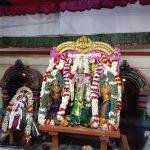
Bala Subramanya Swamy Temple in Pakasalai, Thiruvallur district, stands as a testament to the eternal glory of Lord Murugan. Dedicated primarily to Bala Subramanya (the youthful form of Murugan), this shrine is unique in its iconography. Unlike many temples where the deity is flanked by consorts Valli and Deivanai, here Lord Muruga graces as Brahma Sastha—the teacher of Lord Brahma. This form represents supreme knowledge and the power to subdue ego, making the temple a significant spiritual destination for devotees seeking wisdom and liberation.
Phalaśruti (Spiritual Benefits): Devotees flock to this temple primarily to seek relief from chronic health issues and to cleanse ancestral karma. The temple is renowned for fulfilling the prayers of those who perform the 48-day Ghee Lamp Abhishekam. According to local belief, sincere devotion during this period results in miraculous healing. Furthermore, worshipping the Sakthi Vel (the divine spear of Murugan) during the annual Brahmotsavam is believed to eradicate deep-rooted life obstacles.
Historical Origins & Scriptural Legend
While the exact century of the original structure is not recorded in stone inscriptions, temple records indicate a history spanning centuries, rooted in the Dravidian legacy of the region. The temple began as a single granite sanctum and was later expanded to include Mandapas and circumambulatory paths.
The Legend of Brahma Sastha
According to the Sthala Purana associated with this shrine, Lord Brahma once grew arrogant regarding his role as the creator of the universe. To humble him, Lord Muruga appeared as Brahma Sastha and challenged Brahma to explain the meaning of the Pranava Mantra (Om). When Brahma failed, Muruga imprisoned him and temporarily assumed the role of creation, acquiring the symbols of Brahma: the Akshara Mala (rosary of letters) and the Kamandalu (water pot). This form symbolizes that knowledge precedes creation.
The Mystery of Pathiri Ayya
Tradition holds that during the British Raj, a local collector resting by the Kusasthalai River spotted the deity from afar. Mistaking the idol holding the rosary and water pot for a local priest (known as a “Padhiri” or “Pathiri” in the region), he approached the shrine. It is believed that Lord Muruga manifested as a priest to guide the officer that night, leading to the deity being affectionately called Pathiri Ayya. To this day, the temple fosters communal harmony, with Christians joining Hindus during the Aadi Kiruthigai festival to break coconuts in gratitude.
Architectural Marvels
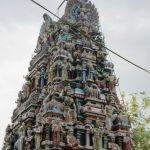
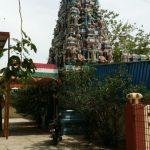
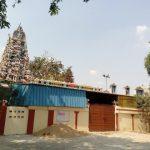
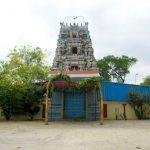
The Bala Subramanya Swamy Temple follows the classic Dravidian architectural style. The structure emphasizes the sanctity of the Vastu Shastra principles, with the temple situated between the Cooum and Kusasthalai rivers, considered highly auspicious.
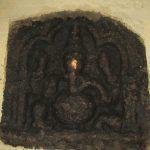
- Sanctum Sanctorum (Garbhagriha): The central deity, Brahma Sastha, stands over 5.5 feet tall, carved from granite. He holds the Akshara Mala and Kamandalu in his rear arms, while his right hand displays the Abhaya Mudra (gesture of fearlessness) and his left hand rests on his waist.
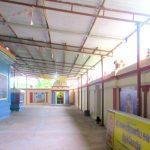
- Mandapas: The temple features extended Mandapas (halls) designed for circumambulation (Pradakshina), allowing devotees to perform rituals comfortably.
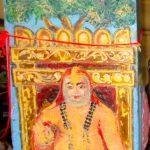
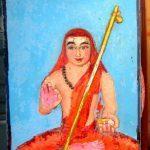
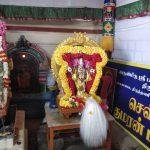
- Shrines: Aside from the main deity, there are dedicated shrines for Saint Arunagirinathar, Pamban Swamigal, Chidambaram Swamigal, and Kumara Gurubarar, honoring the rich lineage of Murugan devotees.
The temple was recently consecrated (Kumbhabhishekam), giving the stone structures a pristine, vibrant appearance that highlights the intricate carvings of the Dravidian style.
Darshan & Ritual Logistics
The temple follows a standard daily schedule, opening twice a day to accommodate devotees. Below are the daily timings and major festivals for 2026.
Daily Timings
| Session | Timings |
|---|---|
| Morning Darshan | 07:30 AM – 11:00 AM |
| Afternoon Break | 11:00 AM – 04:30 PM |
| Evening Darshan | 04:30 PM – 07:00 PM |
| Note: Timings may vary during festival days. Please contact the temple office. | |
Key Sevas & Online Booking
Devotees can book specific Sevas. While direct online booking via the official temple portal is currently under development, you can contact the temple office at +91 91765 29893 for advance booking. Standard Sevas include:
- Abhishekam: Ritual bathing of the deity with milk, honey, and sandalwood paste.
- Archana: Recitation of names accompanied by flower offerings.
- 48-Day Ghee Lamp Lighting: A specific vow for health recovery (requires physical presence or priest assistance).
- 108 Anga Pradakshinam: Circumambulation of the temple (usually performed upon vow fulfillment).
2026 Festival Calendar (Tentative)
- Thaipusam: January 2026 (Tamil Month Thai)
- Skanda Shashti: May/June 2026 (Tamil Month Vaikasi)
- Aadi Kiruthigai: July/August 2026 (Tamil Month Aadi) – Significant festival for Pathiri Ayya.
- Brahmotsavam (Annual Festival): February/March 2026 (Tamil Month Maasi) – Features the special Sakthi Vel Pooja.
Practical Visitor Guidance
To ensure a smooth darshan experience at Pakasalai, please adhere to the following guidelines:
- Dress Code: Traditional attire is mandatory. Men should wear Dhotis or pants with shirts; women should wear Sarees, Salwar Kameez, or long skirts. Avoid shorts and t-shirts.
- Photography & Mobiles: Photography is generally restricted inside the sanctum sanctorum. It is advisable to switch off mobile phones during darshan.
- Crowd Management:
- Best Time to Visit: Weekday mornings (7:30 AM – 9:00 AM) experience the least crowd.
- Seasonal Advice: During summer (April–June), temperatures in Thiruvallur can exceed 35°C. Carry a water bottle and an umbrella. The evening slots (4:30 PM onwards) are cooler and preferable.
- Accessibility: The temple is accessible to senior citizens, but footwear must be removed at the designated stand outside the main gate.
Pilgrimage Connectivity
How to Reach Pakasalai
The Bala Subramanya Swamy Temple is located in Pakasalai village, approximately 60–65 km from Chennai.
- By Air: The nearest airport is Chennai International Airport (MAA), roughly 60 km away.
- By Rail: The closest railway station is Manavur (approx. 5 km). Auto-rickshaws and share autos are readily available from the station to the temple. Alternatively, Thiruvallur Railway Station is 18 km away.
- By Road:
- From Chennai: Take NH40 or NH48 towards Sriperumbudur/Thiruvallur.
- From Thiruvallur: Head towards Kadambathur/Pakasalai via the State Highway.
- Distance from Major Hubs:
- Chennai: 61 km
- Thiruvallur: 18 km
- Kadambathur: 11 km
Nearby Sacred Sites
Expand your pilgrimage itinerary by visiting these nearby temples:
- Kadambathur Prasanna Venkateshwara Temple: Located 11 km away, famous for its healing properties.
- Thiruvallur Veeraraghava Swamy Temple: A major Divya Desam located 18 km away, dedicated to Lord Vishnu as the healer.
- Poondi Murugan Temple: Situated near Thiruvallur, this is another prominent shrine dedicated to Lord Murugan in the region.
Frequently Asked Questions (FAQ)
1. Is there a VIP darshan entry available?
Currently, the temple does not have a formal VIP ticket system. Darshan is based on first-come, first-served. However, donors who contribute significantly to temple activities may be granted priority entry upon prior arrangement with the temple administration.
2. Can non-Hindus visit the temple?
While the Bala Subramanya Swamy Temple is a Hindu place of worship, the legend of Pathiri Ayya suggests a history of inclusivity. However, visitors are expected to respect Hindu customs and traditions upon entering the premises.
3. Is accommodation available near the temple?
There are no major hotels within Pakasalai. It is recommended to stay in Thiruvallur (18 km) or Sriperumbudur (35 km), where various lodges and hotels are available. For pilgrim stays, Dharmashalas are available in Thiruvallur.
4. What is the significance of the Kusasthalai River here?
The temple is located on the banks of the Kusasthalai River. This river is referenced in Puranas like the Matsya Purana. A unique geographical feature here is that the river flows from South to North (Uttara Vahini), which is considered highly auspicious for attaining Moksha (liberation).
5. How do I perform the 48-day lamp lighting ritual remotely?
Devotees unable to travel can contact the temple priest (+91 91765 29893). The priest can perform the lamp lighting on your behalf for the stipulated 48 days. Once you recover or complete your vow, you must visit the temple in person to perform the 108 circumambulations.

Recent Posts

Shri Kaamkoteeshwar Mandir, Varanasi – History & Significance
In the heart of Kashi, the eternal city of Lord Shiva, where the Ganges flows with celestial grace, stands the Shri Kaamkoteeshwar Mandir. This sacred Sannidhi is not merely a temple but a profound spiritual bridge between the Northern…

ओ सांवरे तूने ही मुझको संभाला – Lyrics & Meaning
ओ सांवरे तूने ही मुझको संभाला – A Prayer to Shyam Origin & Spiritual Essence Why This Bhajan Resonates Devotees chant this when overwhelmed by life’s storms—the refrain ‘तूने ही मुझको संभाला’ is the soul’s sigh of relief: “You…

कथा ये है महाराज मेरे की – Lyrics & Meaning
कथा ये है महाराज मेरे की छत्रपति संभाजी महाराज – A Prayer to Chhatrapati Sambhaji Maharaj Origin & Spiritual Essence Why This Bhajan Resonates Devotees chant this when their spirit feels tested—its powerful refrain “महाराज मेरे” is a soul’s…

Rigveda Samhita Yathartha Anuvada (ऋग्वेद संहिता यथार्थ अनुवाद) – Complete Set with Anvayartha & Hindi/English Translation
The Rigveda is the oldest surviving scripture of humanity and the foundational text of Sanātana Dharma. For serious students, scholars, UPSC aspirants studying ancient Indian history, Sanskrit learners, and spiritual seekers, a precise and grammatically structured translation is indispensable.…

आना भी अकेला है जाना भी अकेला है – Lyrics & Meaning | BharatTemples
आना भी अकेला है जाना भी अकेला है – A Prayer to the Divine Witness Origin & Spiritual Essence Why This Bhajan Resonates Devotees turn to this bhajan in moments of deep reflection—when life’s attachments begin to ache. The…

माता शेरावाली के द्वार जो भी जाता है – Lyrics & Meaning
माता शेरावाली के द्वार जो भी जाता है – A Prayer to Maa Sherawali Origin & Spiritual Essence Why This Bhajan Resonates Devotees turn to this bhajan in times of fear or uncertainty—its promise that no one leaves Maa’s…

मार लेना सपणी उबार लेणा भवरा – Lyrics & Meaning
मार लेना सपणी उबार लेणा भवरा – A Prayer to the Divine Beloved Origin & Spiritual Essence Why This Bhajan Resonates Devotees chant this in moments of deep vulnerability—its cry of “मार लेना सपणी, उबार लेणा भवरा” is the…

हमें श्याम सुंदर भरोसा तुम्हारा – Lyrics & Meaning
हमें श्याम सुंदर भरोसा तुम्हारा – A Prayer to Shyam Sundar Origin & Spiritual Essence Why This Bhajan Resonates Devotees chant this when feeling alone—its refrain ‘de do sahara’ is the soul’s cry for divine support. Lyrics in Hindi…

Mere Satguru Ne Di Thi Davai Lyrics in Hindi & Meaning
Mere Satguru Ne Di Thi Davai: Invoking the Guru’s Liberating Wisdom This soul-stirring bhajan venerates the Satguru (True Spiritual Master) as the divine physician who dispenses the only remedy for life’s deepest sufferings. Composed by Sant Karmaveer Tufani, it…

Janm Diyo Thari Maa Dukh Dekhiyo Lyrics in Hindi & Meaning
जन्म दियो थारी माँ दुख देखियो (Maa’s Grief Upon Birthing You) This soul-stirring Chetavani Bhajan (admonitory hymn) is addressed to the Divine Mother (Maa) – a call for repentance when children forget their filial duties in the dark age…