

Contents
Introduction & Spiritual Essence
Nestled in the historic precincts of Poonamallee, a suburb of Chennai, the Vaitheeswarar Temple stands as a beacon of healing and spiritual rectitude. While distinct in its location, it shares a sacred resonance with the famous Vaitheeswaran Koil near Kumbakonam, serving as a vital Parihara Sthalam (remedial shrine) for devotees seeking relief from planetary afflictions.
Deity and Phalaśruti
The primary deity is Vaitheeswarar (the Divine Physician), an aspect of Lord Shiva, represented as a Swayambhu (self-manifested) Lingam. The consort, Thaiyal Nayagi (also referred to as Angarakayani), stands by his side, symbolizing the nurturing care required for healing.
Phalaśruti (Spiritual Benefits): Devotees flock to this temple to mitigate the malefic effects of Chevvai (Mars), also known as Angaraka. According to temple lore and devotee experiences, specific benefits include:
- Remediation of Chevvai Dhosham: Essential for overcoming obstacles in marriage and career stability.
- Healing Ailments: As the name implies, Vaitheeswarar is the “Lord of Physicians.” Devotees believe the positive vibrations here assist in curing chronic illnesses.
- Childlessness: Couples seeking progeny perform specific prayers to Angaraka and the presiding deity.
Historical Origins & Scriptural Legend
The temple is situated in Puvirinthamallee, an ancient village name meaning “place of blooming jasmine,” which was later anglicized to Poonamallee. It is often referred to as Uthara Vaitheeswaran Koil (Northern Vaitheeswaran Temple).
The Legend of Angaraka
According to the Sthala Purana, the planet Mars (Angaraka) suffered from a debilitating illness and was cursed by other deities. Seeking redemption, Angaraka performed intense Tapas (penance) here. Lord Shiva, pleased by his devotion, appeared as Vaitheeswarar to cure the planet’s afflictions. Thus, the temple holds immense astrological significance as a shrine where the malefic influence of Mars is pacified.
Historical Timeline
While the specific dates of original construction are not fully documented in recent records, the architecture suggests a lineage dating back to the medieval Chola or early Vijayanagara periods, typical of Tamil Nadu’s temple landscape. The temple has undergone significant renovations over the centuries, maintaining its sanctity and structural integrity.
Architectural Marvels
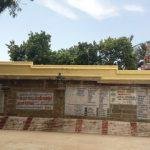
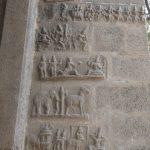
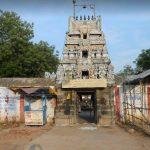
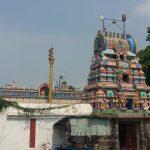
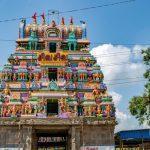
The temple showcases the grandeur of Dravidian Architecture, characterized by towering gateways (Gopurams) and intricate sculptural work.
Sanctum and Design
The Garbhagriha (sanctum sanctorum) houses the Swayambhu Lingam, which is slightly elongated and faces east. The shrine of the mother goddess, Thaiyal Nayagi, is located to the south of the main sanctum, a standard layout in Shaivite temples. The Mandapa (hall) features robust pillars adorned with carvings of deities and mythical creatures.
Though not a UNESCO site, the temple represents the vernacular heritage of Tamil Nadu’s temple architecture. The Vimana (tower over the sanctum) is modest yet elegant, following the Dravidian style distinct from the Nagara style of the North.


Darshan & Ritual Logistics (2026 Season)
Planning your visit requires attention to specific timings and ritual schedules. The temple follows traditional Tamil Nadu Agama rules for daily worship.
Daily Opening Hours
| Session | Timing |
|---|---|
| Morning | 06:00 AM – 12:30 PM |
| Evening | 05:00 PM – 08:30 PM |
Key Sevas and Online Booking
While traditional Archana can be performed at the counter, modern pilgrims prefer booking services in advance. Although the temple is locally managed, devotees often use regional portals or visit in person for:
- Abhishekam: Ritual bathing of the deity (usually performed in early morning hours).
- Angaraka Homam: Special fire ritual for Mars, highly recommended on Tuesdays.
- Archana: Offering of flowers and sacred leaves (Vilva).
Note: For specific online booking links for 2026, it is advisable to check the official Tamil Nadu HR&CE website or local temple trusts as dedicated portals are updated seasonally.
2026 Festival Calendar
- Maasi Surya Pooja (Feb/March 2026): This is the premier event. From the 21st to the 25th of the Tamil month Maasi, solar rays directly fall on the main deity around 6:00 AM.
- Tuesday Pujas: Every Tuesday in Maasi sees massive crowds for Chevvai Dosham remediation.
- Pradosham: Occurring every 13th/14th lunar day, significant for Shiva worship.
Practical Visitor Guidance
To ensure a serene darshan experience at Vaitheeswarar Temple, Poonamallee, adhere to the following guidelines.
Etiquette and Rules
- Dress Code: Traditional Indian attire (Dhoti/Shirt for men; Saree/Salwar Kameez for women) is mandatory. Western clothing is discouraged.
- Photography: Strictly prohibited inside the Garbhagriha (sanctum). Mobile photography is allowed in the outer Prakaram (corridor).
- Mobile Lockers: The temple generally provides basic storage facilities for electronic devices, but it is advised to travel light.
- Accessibility: The temple premises have steps; wheelchair access may be limited to the outer corridors.
Crowd Management & Seasons
- Best Hours: 6:00 AM – 7:00 AM (early morning) or 7:00 PM – 8:00 PM (evening) for a peaceful Darshan.
- Summer (April–June): Chennai heat is intense. Carry a reusable water bottle and a wet towel. The temple trust often provides Mandurai (water service).
- Monsoon (Oct–Dec): Poonamallee roads can be waterlogged; plan travel accordingly.
Pilgrimage Connectivity
The temple is strategically located on the Chennai-Bangalore highway, making it easily accessible from central Chennai.
How to Reach
- Nearest Airport: Chennai International Airport (MAA) is approximately 15 km away.
- Railway Stations: Guindy (15 km) and Chennai Central (21 km).
- Bus Connectivity: The Poonamallee Bus Depot is just 750 meters away. All buses heading towards Sriperumbudur or Poonamallee from Koyambedu (CMBT) stop here.
- Driving Directions: From Chennai Central, take the NH48 (Chennai-Bangalore Highway). Branch off left at Saveetha Dental College towards Mount Poonamallee Road. Take a right into Poonamallee town; the temple is near the Bus Stand.
Nearby Sacred Sites (Pilgrimage Circuit)
Combine your visit with these nearby spiritual destinations:
- Mangadu Kamakshi Amman Temple (10 km): A powerful Shakti shrine where Goddess Parvati performed penance.
- Kundrathur Murugan Temple (8 km): Located on a hill, this temple is renowned for its strict vegetarian-only policy and serene atmosphere.
- Porur Ramalingeswarar Temple (7 km): A historic Shiva temple known for its unique architectural features and large tank.
Is there a VIP darshan entry?
Yes, the temple offers special darshan options for elderly devotees (above 65 years) and those with disabilities. A nominal fee may apply for special entry passes, which can be purchased at the temple counter.
What is the significance of Angaraka Dosham?
Angaraka Dosham occurs when Mars is ill-placed in a person’s astrological chart, causing delays in marriage, financial instability, and health issues. Offering prayers at Vaitheeswarar Temple is believed to nullify these negative effects.
Are non-Hindus allowed inside?
Generally, entry is restricted to Hindus only. However, policies may vary for foreigners interested in cultural heritage; it is best to consult the temple administration.
What food options are available?
There are small eateries around Poonamallee bus stand serving South Indian vegetarian meals. The temple may offer Prasadam (holy offering) during noon; inquire at the information desk.
Contact Details
For queries regarding rituals or temple maintenance:
- Location: Poonamallee, Chennai, Tamil Nadu.
- Phone: Please contact the local HR&CE office for the most current contact number as specific landlines may change.
Recent Posts

Shri Kaamkoteeshwar Mandir, Varanasi – History & Significance
In the heart of Kashi, the eternal city of Lord Shiva, where the Ganges flows with celestial grace, stands the Shri Kaamkoteeshwar Mandir. This sacred Sannidhi is not merely a temple but a profound spiritual bridge between the Northern…

ओ सांवरे तूने ही मुझको संभाला – Lyrics & Meaning
ओ सांवरे तूने ही मुझको संभाला – A Prayer to Shyam Origin & Spiritual Essence Why This Bhajan Resonates Devotees chant this when overwhelmed by life’s storms—the refrain ‘तूने ही मुझको संभाला’ is the soul’s sigh of relief: “You…

कथा ये है महाराज मेरे की – Lyrics & Meaning
कथा ये है महाराज मेरे की छत्रपति संभाजी महाराज – A Prayer to Chhatrapati Sambhaji Maharaj Origin & Spiritual Essence Why This Bhajan Resonates Devotees chant this when their spirit feels tested—its powerful refrain “महाराज मेरे” is a soul’s…

Rigveda Samhita Yathartha Anuvada (ऋग्वेद संहिता यथार्थ अनुवाद) – Complete Set with Anvayartha & Hindi/English Translation
The Rigveda is the oldest surviving scripture of humanity and the foundational text of Sanātana Dharma. For serious students, scholars, UPSC aspirants studying ancient Indian history, Sanskrit learners, and spiritual seekers, a precise and grammatically structured translation is indispensable.…

आना भी अकेला है जाना भी अकेला है – Lyrics & Meaning | BharatTemples
आना भी अकेला है जाना भी अकेला है – A Prayer to the Divine Witness Origin & Spiritual Essence Why This Bhajan Resonates Devotees turn to this bhajan in moments of deep reflection—when life’s attachments begin to ache. The…

माता शेरावाली के द्वार जो भी जाता है – Lyrics & Meaning
माता शेरावाली के द्वार जो भी जाता है – A Prayer to Maa Sherawali Origin & Spiritual Essence Why This Bhajan Resonates Devotees turn to this bhajan in times of fear or uncertainty—its promise that no one leaves Maa’s…

मार लेना सपणी उबार लेणा भवरा – Lyrics & Meaning
मार लेना सपणी उबार लेणा भवरा – A Prayer to the Divine Beloved Origin & Spiritual Essence Why This Bhajan Resonates Devotees chant this in moments of deep vulnerability—its cry of “मार लेना सपणी, उबार लेणा भवरा” is the…

हमें श्याम सुंदर भरोसा तुम्हारा – Lyrics & Meaning
हमें श्याम सुंदर भरोसा तुम्हारा – A Prayer to Shyam Sundar Origin & Spiritual Essence Why This Bhajan Resonates Devotees chant this when feeling alone—its refrain ‘de do sahara’ is the soul’s cry for divine support. Lyrics in Hindi…

Mere Satguru Ne Di Thi Davai Lyrics in Hindi & Meaning
Mere Satguru Ne Di Thi Davai: Invoking the Guru’s Liberating Wisdom This soul-stirring bhajan venerates the Satguru (True Spiritual Master) as the divine physician who dispenses the only remedy for life’s deepest sufferings. Composed by Sant Karmaveer Tufani, it…

Janm Diyo Thari Maa Dukh Dekhiyo Lyrics in Hindi & Meaning
जन्म दियो थारी माँ दुख देखियो (Maa’s Grief Upon Birthing You) This soul-stirring Chetavani Bhajan (admonitory hymn) is addressed to the Divine Mother (Maa) – a call for repentance when children forget their filial duties in the dark age…