
Contents
Introduction & Spiritual Essence: The Domain of Sukran
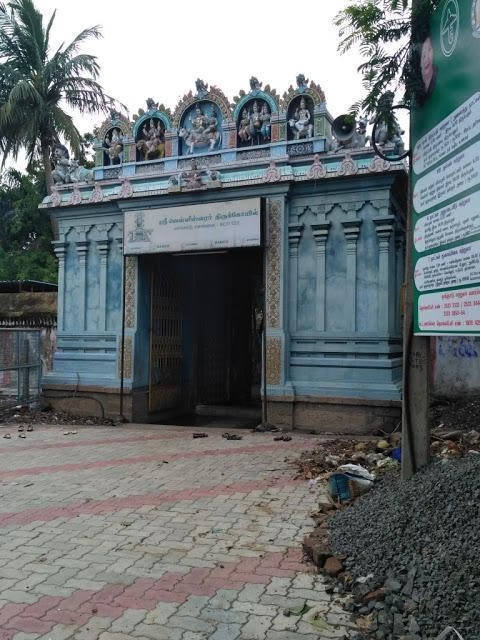
Nestled in the spiritual vicinity of Mangadu, a locale steeped in the legends of Goddess Kamakshi, stands the Velleeswarar Temple. While often overshadowed by its more prominent neighbor, this shrine holds a unique place in the pantheon of Chennai’s Navagraha temples. The primary deity, Lord Velleeswarar, is a manifestation of Shiva revered as the presiding deity for the planet Venus (Sukra). Unlike most Shiva temples, the consort of the Lord is not enshrined here in a separate sanctum; instead, she is worshipped as Kamakshi in the nearby Mangadu Kamakshi Amman Temple.
Phalaśruti: Devotees flock to this sacred site to seek the blessings of Lord Sukra. As per astrological and scriptural traditions, worshipping Velleeswarar is believed to bring wealth, prosperity, strong familial bonds, vehicles, fame, and elevated social status. It is particularly auspicious for those suffering from the malefic effects of Venus in their horoscope. The temple is part of a triad of temples in Mangadu—alongside Kamakshi Amman and Sri Vaikunda Perumal—interconnected by a singular historical narrative.
Historical Origins & Scriptural Legend
Sthala Purana: The history of Velleeswarar Temple is inseparable from the legend of Goddess Parvathi and Lord Sukra. Tradition holds that Goddess Parvathi, having playfully covered Lord Shiva’s eyes (causing darkness to envelop the universe), was cursed to descend to Earth. She performed intense penance here in Mangadu, standing on one leg amidst a fiery pit.
Simultaneously, the celestial sage and planet Venus, Sukra, was performing penance to regain the eye he lost when he blocked Lord Vishnu from granting three feet of land to King Mahabali. Lord Shiva, pleased by Sukra’s devotion, appeared before him first—even before granting darshan to Parvathi—to honor the precedence of a devotee over his own consort. The Lord granted Sukra his vision and remained here at his request to protect his devotees, taking the form of Sukreeswarar or Velleeswarar.
Architectural Period: While specific inscriptions regarding the founding dynasty are sparse in the provided records, the temple architecture suggests a classic Dravidian style prevalent during the medieval Chola or Vijayanagara periods. The structure is managed by the HRCE Department of Tamil Nadu, ensuring the preservation of its heritage. The temple is identified as Sukran Sthalam within the cluster of Navagraha temples in Thondai Mandalam.
Architectural Marvels & Vastu
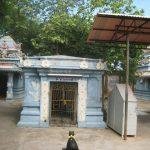
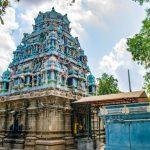
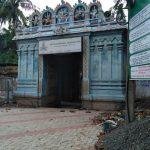
The Velleeswarar Temple is a mid-sized sanctuary spread over 2 acres. It exemplifies Dravidian architecture characterized by its pyramidal towers (Vimana) and enclosures.
Key Features:
- The Vimanam: The roof above the sanctum (Griha) features intricate carvings typical of South Indian temple art, dedicated to Lord Shiva.
- Mandapas: The temple features pillared halls (Mandapas) used for rituals and festivals. The layout follows traditional Vastu Shastra principles, aligning the temple axis with the cardinal directions.
- Sculptures: While the outer walls are relatively modest, the inner sanctum is adorned with sculptures depicting the legend of Lord Sukra and the associated mythology of Mangadu.
Although it does not hold an individual UNESCO listing, the temple is a vital part of the heritage landscape of Kanchipuram District. The temple’s sanctity is amplified by its proximity to the Kamakshi Amman Temple, creating a spiritual complex that draws pilgrims from across South India.
Darshan & Ritual Logistics
The temple maintains a regular schedule of rituals, allowing devotees ample time for darshan. Special attention is given to Fridays, the day dedicated to Planet Venus (Sukra).
Daily Temple Timings
The following table outlines the standard opening hours. However, timings may vary slightly during festivals or specific rituals.
| Session | Timing |
|---|---|
| Morning | 6:30 AM – 1:00 PM |
| Evening | 4:30 PM – 9:00 PM |
Key Sevas & Offerings
- Abhishekam: Performed with sacred water and milk. Devotees often perform special Abhishekam for Lord Velleeswarar.
- Archana: Chanting of the Lord’s names. Fridays are ideal for this ritual dedicated to Sukra.
- Naivedyam (Offerings): A unique offering is Mochai Payaru (White Field Beans), a pulse associated with the planet Venus. Offering this is believed to please Lord Sukra.
Online Seva Booking (2026 Guide)
Currently, the temple is managed by the HRCE department, and bookings for major Sevas are generally handled directly at the temple counter. However, for 2026, pilgrims are advised to check the official Tamil Nadu HRCE portal or the Temples & Tourists (TN) mobile app for the possibility of booking special Abhishekams or Archana slots online. This helps in avoiding peak crowds.
2026 Major Festival Dates
- Shivaratri: February 26, 2026
- Arudra Darshan: January 8, 2026 (Date varies based on Tamil Calendar)
- Deepavali: October 21, 2026
- Fridays: Weekly worship day for Sukra.
Practical Visitor Guidance
To ensure a serene pilgrimage experience at Velleeswarar Temple, please adhere to the following guidelines:
- Dress Code: Traditional attire is mandatory. Men should wear dhotis or trousers with a shirt; women should wear sarees, churidars, or full-length dresses. Avoid shorts and sleeveless tops.
- Photography: Photography is generally permitted in the outer corridors but is strictly prohibited inside the inner sanctum (Garbhagriha).
- Mobile Lockers: The temple may provide basic storage facilities for electronic items. It is advisable to carry only essential cash and ID cards.
- Crowd Management:
- Best Time to Visit: Mornings between 8:00 AM and 10:00 AM are usually less crowded. Avoid weekends if possible.
- Seasonal Advice: Chennai experiences high humidity in May and June. Carry a water bottle, an umbrella, and wear breathable fabrics. Monsoon (November) brings pleasant weather but requires rain gear.
Pilgrimage Connectivity
How to Reach
By Road: Mangadu is located off the Chennai-Bangalore Highway (NH48). From Chennai city, take Mount Poonamallee Road, turn left at the Kumanancharavadi junction to reach Mangadu. The temple is 700 meters from the Mangadu Bus Stop.
Nearest Airport: Chennai International Airport (Meenambakkam) is approximately 17 km away.
Nearest Railway Stations:
- Chennai Central Railway Station: 22 km
- Tambaram Railway Station: 18 km
- Guindy Railway Station: 14 km
Nearby Sacred Sites (The Mangadu Circuit)
- Mangadu Kamakshi Amman Temple: Located just 500 meters away. This is the principal temple of Mangadu where Goddess Parvathi is worshipped. It is the culmination of the pilgrimage cycle involving Velleeswarar.
- Sri Vaikunda Perumal Temple: Another of the three principal temples in Mangadu, dedicated to Lord Vishnu, completing the triad of deities in the area.
- Sri Kailasanathar Temple (Gerugambakkam): Located a short drive away, offering another ancient Shiva shrine for devotees.
Frequently Asked Questions
1. Is there a VIP or Special Darshan entry?
Yes, the temple management offers special darshan tickets during peak hours or festivals. However, during regular days, general darshan is usually swift due to manageable crowd sizes.
Yes, Velleeswarar Temple is widely recognized as the Sukran Sthalam (Venus temple) among the Navagraha temples located in and around Chennai (Thondai Mandalam).
3. Why is there no separate sanctum for the Goddess here?
According to the temple’s history and legend, Goddess Parvathi (Kamakshi) is present in a separate, dedicated temple just 500 meters away. It is believed that devotees must visit both the Velleeswarar and Kamakshi temples to complete the spiritual circuit.
4. Can we perform Shradh or Tarpanam rituals here?
While this temple is primarily known for Navagraha worship and Shiva Abhishekam, specific rituals for ancestors are usually conducted in temples dedicated to this purpose (like Gaya or Rameswaram). However, for general blessings for ancestors, one can perform Archana.
5. Is parking available?
There is limited parking space near the temple, mainly along the streets. It is recommended to use public transport or the Chennai MTC buses that frequently ply the route.
Contact Details
Velleeswarar Temple,
Mangadu – 602 101,
Chennai, Kanchipuram District
Phone: +91 44 2627 2053 / 2649 5883
Mobile: +91 94444 61383
Recent Posts

Shri Kaamkoteeshwar Mandir, Varanasi – History & Significance
In the heart of Kashi, the eternal city of Lord Shiva, where the Ganges flows with celestial grace, stands the Shri Kaamkoteeshwar Mandir. This sacred Sannidhi is not merely a temple but a profound spiritual bridge between the Northern…

ओ सांवरे तूने ही मुझको संभाला – Lyrics & Meaning
ओ सांवरे तूने ही मुझको संभाला – A Prayer to Shyam Origin & Spiritual Essence Why This Bhajan Resonates Devotees chant this when overwhelmed by life’s storms—the refrain ‘तूने ही मुझको संभाला’ is the soul’s sigh of relief: “You…

कथा ये है महाराज मेरे की – Lyrics & Meaning
कथा ये है महाराज मेरे की छत्रपति संभाजी महाराज – A Prayer to Chhatrapati Sambhaji Maharaj Origin & Spiritual Essence Why This Bhajan Resonates Devotees chant this when their spirit feels tested—its powerful refrain “महाराज मेरे” is a soul’s…

Rigveda Samhita Yathartha Anuvada (ऋग्वेद संहिता यथार्थ अनुवाद) – Complete Set with Anvayartha & Hindi/English Translation
The Rigveda is the oldest surviving scripture of humanity and the foundational text of Sanātana Dharma. For serious students, scholars, UPSC aspirants studying ancient Indian history, Sanskrit learners, and spiritual seekers, a precise and grammatically structured translation is indispensable.…

आना भी अकेला है जाना भी अकेला है – Lyrics & Meaning | BharatTemples
आना भी अकेला है जाना भी अकेला है – A Prayer to the Divine Witness Origin & Spiritual Essence Why This Bhajan Resonates Devotees turn to this bhajan in moments of deep reflection—when life’s attachments begin to ache. The…

माता शेरावाली के द्वार जो भी जाता है – Lyrics & Meaning
माता शेरावाली के द्वार जो भी जाता है – A Prayer to Maa Sherawali Origin & Spiritual Essence Why This Bhajan Resonates Devotees turn to this bhajan in times of fear or uncertainty—its promise that no one leaves Maa’s…

मार लेना सपणी उबार लेणा भवरा – Lyrics & Meaning
मार लेना सपणी उबार लेणा भवरा – A Prayer to the Divine Beloved Origin & Spiritual Essence Why This Bhajan Resonates Devotees chant this in moments of deep vulnerability—its cry of “मार लेना सपणी, उबार लेणा भवरा” is the…

हमें श्याम सुंदर भरोसा तुम्हारा – Lyrics & Meaning
हमें श्याम सुंदर भरोसा तुम्हारा – A Prayer to Shyam Sundar Origin & Spiritual Essence Why This Bhajan Resonates Devotees chant this when feeling alone—its refrain ‘de do sahara’ is the soul’s cry for divine support. Lyrics in Hindi…

Mere Satguru Ne Di Thi Davai Lyrics in Hindi & Meaning
Mere Satguru Ne Di Thi Davai: Invoking the Guru’s Liberating Wisdom This soul-stirring bhajan venerates the Satguru (True Spiritual Master) as the divine physician who dispenses the only remedy for life’s deepest sufferings. Composed by Sant Karmaveer Tufani, it…

Janm Diyo Thari Maa Dukh Dekhiyo Lyrics in Hindi & Meaning
जन्म दियो थारी माँ दुख देखियो (Maa’s Grief Upon Birthing You) This soul-stirring Chetavani Bhajan (admonitory hymn) is addressed to the Divine Mother (Maa) – a call for repentance when children forget their filial duties in the dark age…