
Contents
- 1 Introduction & Spiritual Essence: The Divine Protection of Samayapurathal
- 2 Historical Origins & Scriptural Legend
- 3 Architectural Marvels
- 4 Darshan & Ritual Logistics
- 5 Practical Visitor Guidance
- 6 Pilgrimage Connectivity
- 7 Frequently Asked Questions (FAQs)
- 7.1 Is there a VIP Darshan or Special Entry available?
- 7.2 Can we perform Abhishekam to the main deity (Clay Idol)?
- 7.3 What is the significance of offering Salt and Jaggery?
- 7.4 Is the temple accessible for senior citizens and differently-abled visitors?
- 7.5 Are non-Hindus allowed inside the temple?
- 7.6 Where can I stay in Samayapuram or Trichy?
- 7.7 What is the “Coloroon” mentioned in the Thai Poosam festival?
Introduction & Spiritual Essence: The Divine Protection of Samayapurathal
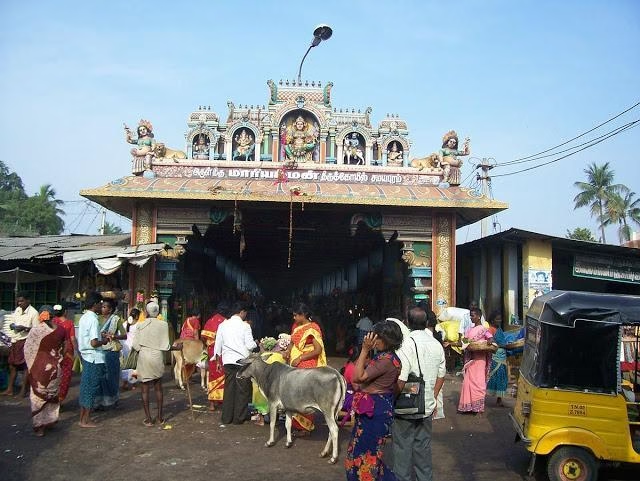
Deep within the spiritual heart of Tamil Nadu lies one of the most powerful centers of devotion: the Samayapuram Mariamman Temple. Dedicated to Goddess Shakthi in her fierce and benevolent form as Mariamman, this shrine is revered as the “Second Wealthiest Temple” in the state, surpassed only by Palani Dandayudhapani Swamy.
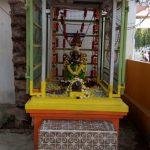
The presiding deity, Samayapuram Mariamman, is considered a Swayambhu (self-manifested) idol made of clay (val savor). Unlike typical stone sculptures, this form speaks to the raw, earthy energy of the goddess. She is worshipped as the protector who cures diseases, particularly smallpox and chickenpox, and ensures the prosperity of her devotees.
Phalaśruti: The Benefits of Devotion
Devotees believe that visiting Samayapurathal brings immense protection (Kaappal). The temple is renowned for cleansing ancestral karma and healing physical ailments. A popular belief is that “Samayapurathal will protect her devotees in times of need.” It is often said that Mariamman cures diseases that defy modern medicine, acting as the ultimate physician.
Historical Origins & Scriptural Legend
The history of Samayapuram is shrouded in the mists of mythology and medieval chronicles. While the exact date of the temple’s construction is difficult to pinpoint, it is widely believed to have been built by the Vijayanagara rulers in the 18th century.
The Legend of the Swayambhu Murti
According to local tradition and temple records, the deity was originally enshrined in the Sri Ranganathaswamy Temple in Srirangam. It is believed that the Pundit (priest) serving the deity experienced severe health issues, which were interpreted as a sign of the goddess’s immense energy residing in stone. Consequently, the idol was moved to the banks of the Kaveri river. To protect the idol from environmental elements, villagers placed it beneath a Neem tree in Samayapuram, which was then a dense jungle.
The Vijayanagara Connection
Tradition holds that the rulers of the Vijayanagara Empire, while camping in the Trichy region during a military campaign, sought the blessings of the local deity. Upon their victory, they constructed the first structural temple around the Swayambhu idol. Another legend states that during the invasion of Muslim rulers, the idol was moved for safety. When the soldiers stopped near a canal, the idol miraculously disappeared and reappeared in a bush of Neem trees at Samayapuram, prompting the construction of the current shrine.
The temple also holds a unique association with Emperor Dasaratha (of Ramayana fame), who is said to have visited this site to worship Mariamman.
Architectural Marvels
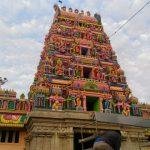
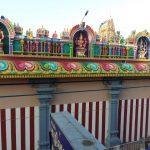
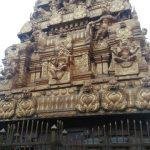
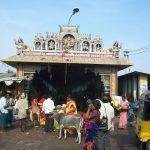
The temple exemplifies the Dravidian style of architecture. A distinctive feature of this temple is that the inner sanctum (where the clay idol resides) is not built in the typical Tamil Nadu temple style. Instead, the Sanctum Sanctorum (Garbhagriha) is rectangular, reflecting the architecture of the Karnataka region, likely due to the influence of the Vijayanagara empire and the proximity to Chamundi (Chamundeeswari) of Mysore.
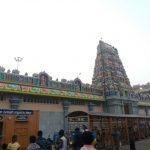
The temple complex features three Prakarams (enclosures) and a large Deepasthambam (lamp post). The main deity is accompanied by a small stone replica, which is used for daily Abhishekam rituals to protect the original clay idol from water erosion. The Shikharam (tower) above the sanctum is capped with gold (Vimana), signifying the goddess’s high status.
Darshan & Ritual Logistics
Devotees visit on Sundays, Tuesdays, and Fridays in large numbers, as these days are considered highly auspicious for Mariamman.
Daily Temple Timings (2026 Schedule)
The temple generally remains open from early morning until late evening.
| Pooja / Timing | Morning Slot | Evening Slot |
|---|---|---|
| Temple Open | 5:00 AM | 4:00 PM |
| Ushat Kaalam | 6:00 AM | – |
| Kaala Santhi | 8:00 AM | – |
| Uchi Kaalam | 12:00 PM | – |
| Sayaratchai (1st) | – | 6:00 PM |
| Sayaratchai (2nd) | – | 8:00 PM |
| Closing Time | 11:00 AM | 9:00 PM |
Key Sevas and Online Booking
Popular offerings include Abhishekam (sacred bath), Archana (chanting of names), and the offering of Thali (Mangal Sutra) by women seeking marital bliss.
Online Seva Booking:
The Hindu Religious and Charitable Endowment (HR&CE) department manages the official portal for bookings. Devotees can book special darshan, archana, and Abhishekam through the TTD Online or the official Tamil Nadu HR&CE website.
2026 Major Festival Dates:
- Thai Poosam Festival: January 2026 (Celebrated for 11 days. Includes the Theppam (float) festival and Theerthavari at the Cauvery river).
- Poochoridal (Flower Sprinkling) Festival: February–March 2026 (Masi/Panguni Month). Occurs on Sundays. Goddess adopts a fast (cooked food not offered) for 28 days.
- Chithirai Ther Thiruvizha (Chariot Festival): April 2026. The grand chariot pulling takes place on the Tuesday of the Tamil month Chithirai.
- Navarathri: September–October 2026 (Purattasi Month).
Practical Visitor Guidance
To ensure a peaceful Darshan, adhering to the following guidelines is essential:
- Dress Code: Traditional attire is mandatory. Men should wear Dhoti or trousers with a shirt; women should wear Saree, Salwar Kameez, or similar traditional wear.
- Photography: Photography is strictly prohibited inside the inner sanctum and the sanctum sanctorum. Mobile phones should be switched to silent mode.
- Crowd Management: The temple sees massive footfall on Tuesdays and Fridays. The best time to visit is Wednesday to Monday mornings or weekdays other than Friday/Tuesday.
- Seasonal Advice: During the summer months (April–May), carry water bottles and an umbrella, as queues extend outside the temple premises.
- Lockers: Metal detectors and bag checks are mandatory. Coin-operated lockers are available near the entrance for valuables.
Pilgrimage Connectivity
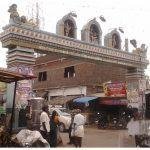
Samayapuram is strategically located on the Trichy–Chennai Highway, making it easily accessible.
How to Reach
- By Air: The nearest airport is Trichy International Airport (TRZ), approximately 21 km away.
- By Rail: The nearest railway junction is Trichy Junction (TNR), about 20 km from the temple. Auto-rickshaws and city buses are readily available.
- By Road: The temple is located directly on NH-45 (Trichy–Chennai Highway). It is 12 km from Srirangam and 16 km from Trichy Central Bus Stand. Dedicated bus services (SAMAYAPURAM Special) operate frequently from Trichy Chathiram and Central Bus Stand.
Nearby Sacred Sites (Pilgrimage Circuit)
Expand your spiritual journey by visiting these nearby temples:
- Adhi Mariamman Temple: Located just 1.5 km away, this is the “Mother of Mariamman” temple, visited first by many pilgrims.
- Jambukeswarar Temple (Thiruvanaikaval): One of the Pancha Bhoota Stalas (10 km away), dedicated to Lord Shiva as the element of water.
- Sri Ranganathaswamy Temple (Srirangam): One of the largest functioning temple complexes in the world (11 km away).


Frequently Asked Questions (FAQs)
Is there a VIP Darshan or Special Entry available?
Yes, the temple offers Special Entry Darshan tickets. These can be purchased at the counter near the temple entrance or booked online via the Tamil Nadu HR&CE website. This allows devotees to skip the general queue, especially during festival days.
Can we perform Abhishekam to the main deity (Clay Idol)?
No, the Swayambhu clay idol is extremely delicate. Abhishekam is performed only to the small stone replica kept in front of the main deity. The main deity is worshipped with dry offerings like flowers, vibhuti, and sandalwood paste.
What is the significance of offering Salt and Jaggery?
Offering salt represents the removal of bitterness and diseases from life, while jaggery symbolizes the sweetness of health and prosperity. These are the most common offerings made by devotees seeking cures for ailments.
Is the temple accessible for senior citizens and differently-abled visitors?
While the inner sanctum is accessible via ramps, the crowds during festivals can make movement difficult. Wheelchairs are available upon request at the entrance office. It is advisable to visit on weekdays for better accessibility.
Are non-Hindus allowed inside the temple?
Like most traditional Hindu temples in Tamil Nadu, entry is generally restricted to Hindus. However, policies can vary; it is best to check with the temple administration office upon arrival.
Where can I stay in Samayapuram or Trichy?
There are limited lodges in Samayapuram managed by the HR&CE. For better accommodation options, it is recommended to stay in Trichy or Srirangam, where numerous hotels and guesthouses are available ranging from budget to luxury.
What is the “Coloroon” mentioned in the Thai Poosam festival?
The “Coloroon” refers to the North Cauvery river near Srirangam. During Thai Poosam, the idol is taken in a procession to this specific spot for the Theerthavari (holy bath), where the goddess is honored with gifts from Lord Sriranganatha.
Recent Posts

Shri Kaamkoteeshwar Mandir, Varanasi – History & Significance
In the heart of Kashi, the eternal city of Lord Shiva, where the Ganges flows with celestial grace, stands the Shri Kaamkoteeshwar Mandir. This sacred Sannidhi is not merely a temple but a profound spiritual bridge between the Northern…

ओ सांवरे तूने ही मुझको संभाला – Lyrics & Meaning
ओ सांवरे तूने ही मुझको संभाला – A Prayer to Shyam Origin & Spiritual Essence Why This Bhajan Resonates Devotees chant this when overwhelmed by life’s storms—the refrain ‘तूने ही मुझको संभाला’ is the soul’s sigh of relief: “You…

कथा ये है महाराज मेरे की – Lyrics & Meaning
कथा ये है महाराज मेरे की छत्रपति संभाजी महाराज – A Prayer to Chhatrapati Sambhaji Maharaj Origin & Spiritual Essence Why This Bhajan Resonates Devotees chant this when their spirit feels tested—its powerful refrain “महाराज मेरे” is a soul’s…

Rigveda Samhita Yathartha Anuvada (ऋग्वेद संहिता यथार्थ अनुवाद) – Complete Set with Anvayartha & Hindi/English Translation
The Rigveda is the oldest surviving scripture of humanity and the foundational text of Sanātana Dharma. For serious students, scholars, UPSC aspirants studying ancient Indian history, Sanskrit learners, and spiritual seekers, a precise and grammatically structured translation is indispensable.…

आना भी अकेला है जाना भी अकेला है – Lyrics & Meaning | BharatTemples
आना भी अकेला है जाना भी अकेला है – A Prayer to the Divine Witness Origin & Spiritual Essence Why This Bhajan Resonates Devotees turn to this bhajan in moments of deep reflection—when life’s attachments begin to ache. The…

माता शेरावाली के द्वार जो भी जाता है – Lyrics & Meaning
माता शेरावाली के द्वार जो भी जाता है – A Prayer to Maa Sherawali Origin & Spiritual Essence Why This Bhajan Resonates Devotees turn to this bhajan in times of fear or uncertainty—its promise that no one leaves Maa’s…

मार लेना सपणी उबार लेणा भवरा – Lyrics & Meaning
मार लेना सपणी उबार लेणा भवरा – A Prayer to the Divine Beloved Origin & Spiritual Essence Why This Bhajan Resonates Devotees chant this in moments of deep vulnerability—its cry of “मार लेना सपणी, उबार लेणा भवरा” is the…

हमें श्याम सुंदर भरोसा तुम्हारा – Lyrics & Meaning
हमें श्याम सुंदर भरोसा तुम्हारा – A Prayer to Shyam Sundar Origin & Spiritual Essence Why This Bhajan Resonates Devotees chant this when feeling alone—its refrain ‘de do sahara’ is the soul’s cry for divine support. Lyrics in Hindi…

Mere Satguru Ne Di Thi Davai Lyrics in Hindi & Meaning
Mere Satguru Ne Di Thi Davai: Invoking the Guru’s Liberating Wisdom This soul-stirring bhajan venerates the Satguru (True Spiritual Master) as the divine physician who dispenses the only remedy for life’s deepest sufferings. Composed by Sant Karmaveer Tufani, it…

Janm Diyo Thari Maa Dukh Dekhiyo Lyrics in Hindi & Meaning
जन्म दियो थारी माँ दुख देखियो (Maa’s Grief Upon Birthing You) This soul-stirring Chetavani Bhajan (admonitory hymn) is addressed to the Divine Mother (Maa) – a call for repentance when children forget their filial duties in the dark age…