
Contents
Introduction & Spiritual Essence
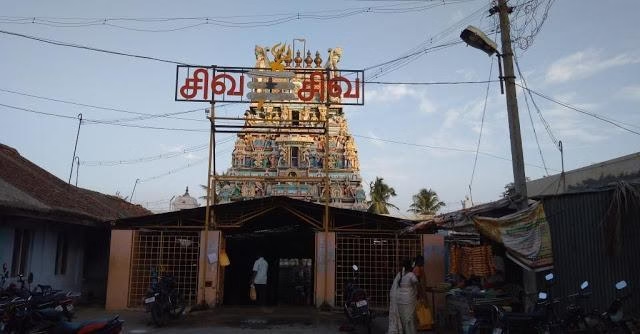
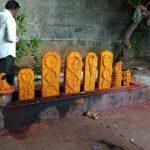
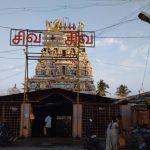
Amidst the bustling streets of Ambur in the Vellore district lies the sacred Nageswarar Temple, a revered sanctuary dedicated to Lord Shiva. Known locally as the Ambur Nageswarar Temple, this ancient structure is a potent Parihara Sthalam—a shrine dedicated to remedial worship. The primary deity, Nageswarar, is a Swayambhu Lingam (self-manifested), representing the Lord as the serpentine protector.
Here, Lord Shiva is worshipped specifically to alleviate Naga Dosham (afflictions caused by planetary influences of Rahu and Ketu) and to neutralize the ill effects of black magic or unresolved ancestral karma. Devotees believe that offering prayers here brings mental peace, removes obstacles in marriage and career, and protects against snake bites and fear.
Phalaśruti: Why Visit?
According to local devotees and scriptural tradition, the Phalaśruti (benefits of worship) of visiting Nageswarar Temple includes:
- Remedial Astrology: Specifically for Rahu Kethu Pariharam, aiding those with Sarpa Dosha in their horoscopes.
- Ancestral Liberation: Performing rituals here is believed to cleanse Pitra Dosha, ensuring peace for departed ancestors.
- Health & Vitality: As the Lord of Snakes (Naga), he governs the life force (Kundalini) and protects devotees from venomous threats and chronic ailments.
Historical Origins & Scriptural Legend
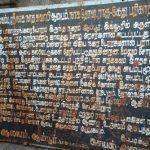
While specific inscriptions regarding the exact date of construction are currently being cataloged by the Archaeological Survey of India, the architecture suggests a lineage dating back to the Vijayanagara or early Medieval Chola periods, common for Dravidian temples in the Vellore region. The temple stands as a testament to the patronage of local chieftains who governed the North Arcot region.
The Sthala Purana
Tradition holds that this land was once a dense forest inhabited by a fierce serpent. Lord Shiva appeared here to pacify the serpent, transforming into the Nageswarar Lingam. The local legend speaks of a devotee who, suffering from the curses of a serpent, received a divine vision here. The Lord declared that this spot would serve as a shield for all beings suffering from Naga Dosham. Consequently, the temple became a beacon for those seeking relief from planetary and ancestral afflictions.
Architectural Marvels
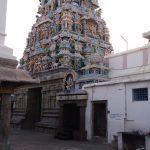
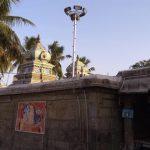
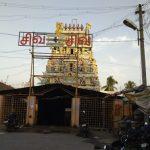
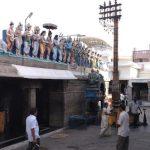
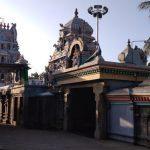
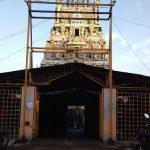
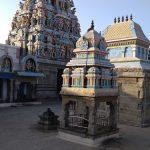
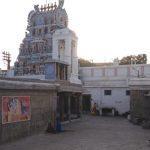
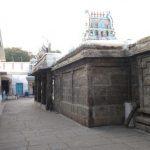
The Nageswarar Temple showcases the grandeur of Dravidian Architecture. The structure is designed according to the principles of Vastu Shastra, aligning the energies of the earth with the cosmic order.
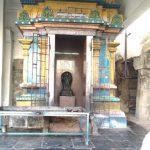
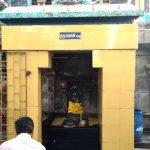
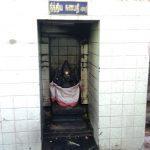
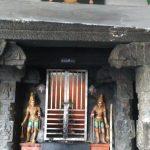
- The Sanctum (Garbhagriha): The inner shrine houses the Swayambhu Lingam, which is slightly inclined, a unique feature attracting pilgrims.
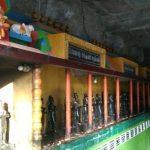
- The Mandapas: The temple features a series of pillared halls (Mandapas) with exquisitely carved columns. These pillars depict scenes from Hindu mythology and geometric motifs typical of South Indian temple art.
- Sculptural Details: Unlike many modern structures, the base of the temple (Adhisthana) features intricate carvings that have withstood the test of time, showcasing the artistic mastery of the era.
- The Sacred Tank: The temple complex includes a Pushkarani (temple tank), essential for ritual purification before entering the sanctum.
Darshan & Ritual Logistics
Devotees can participate in daily rituals to seek the blessings of Lord Nageswarar. The atmosphere is particularly vibrant during Pradosham and Pournami (Full Moon).
Daily Timings
Based on current operational hours (as of 2026), the temple follows a strict schedule to accommodate devotees.
| Session | Opening Time | Closing Time |
|---|---|---|
| Morning | 06:30 AM | 12:00 PM |
| Evening | 05:30 PM | 09:00 PM |
Key Sevas & Online Booking
While traditional in-person bookings are available, the online seva booking system (via official Tamil Nadu temple portals) allows devotees to reserve slots for special rituals:
- Abhishekam: Ritual bathing of the Lingam with water, milk, and honey. Best performed on Mondays.
- Archana: Recitation of the 108 names of Shiva.
- Rahu-Ketu Parihara Puja: A specific 45-minute ritual performed by Vedic priests to mitigate astrological afflictions.
- Sarabaeshwarar Puja: Special worship for protection from evils.
2026 Festival Dates
Plan your visit around these major celebrations:
- Maha Shivaratri: February 26, 2026 (Special night-long vigils).
- Pradosham: Monthly (13th lunar day) – highly recommended for Naga Dosham remediation.
- Aadi Perukku: July 28, 2026 – Water offering festival.
- Deepavali: October 21, 2026 – Special lighting and oil abhishekam.
Practical Visitor Guidance
To ensure a smooth pilgrimage experience, please adhere to the following guidelines:
Code of Conduct & Dress Code
- Attire: Traditional wear is encouraged. Men should wear dhotis or trousers with shirts; women should wear sarees or salwar kameez. Avoid shorts and sleeveless tops.
- Photography: Photography is generally restricted inside the inner sanctum (Garbhagriha). Please seek permission from temple authorities for the outer premises.
- Mobile Phones: Electronic devices should be kept on silent. Some sections may require phones to be deposited in lockers before entering the sanctum.
Crowd Management & Accessibility
- Best Hours to Visit: The Morning session (6:30 AM – 8:00 AM) offers the calmest atmosphere for meditation. Evenings see a spike due to Pradosham rituals.
- Seasonal Advice: Ambur experiences high temperatures in May. Carry water bottles and wear open footwear, as the stone floors can become hot.
- Accessibility: The temple is accessible for senior citizens via a ramp at the main entrance. However, the inner sanctum requires climbing stairs.
Pilgrimage Connectivity
How to Reach Nageswarar Temple
The temple is strategically located in the heart of Ambur Town, making it easily accessible via road and rail.
- By Air: The nearest airport is Chennai International Airport (MAA), approximately 177 km away. Taxis are available for the 3.5-hour drive.
- By Rail: Ambur Railway Station is the closest point, located just 1.2 km from the temple (a 15-minute walk or short auto-rickshaw ride).
- By Road: Ambur is well-connected via NH 75 (formerly NH 48) and NH 79.
Distances from nearby hubs:
• Vellore: 52 km
• Vaniyambadi: 18 km
• Chennai: 188 km
• Tirupattur: 38 km
Nearby Sacred Sites
Enhance your pilgrimage by visiting these nearby temples:
- Jain Temple, Jamadarpatti: Located near Vaniyambadi (18 km), known for its serene environment and ancient Jain sculptures.
- Shri Kalleshwaraswamy Temple, Chennasamudram: Located near Gudiyattam (approx. 30 km), an ancient Shiva temple with unique architectural styles.
- Elagiri Hills: Located 44 km away, a scenic hill station with a Murugan temple, perfect for a spiritual retreat after the temple visit.
Frequently Asked Questions (FAQs)
Is there a VIP darshan entry?
Currently, the Nageswarar Temple, Ambur does not have a dedicated VIP entry lane. Darshan is granted on a first-come, first-served basis. However, devotees who book specific Sevas (like Abhishekam) are given priority access during the ritual time.
What is the best time to perform Rahu Kethu Pariharam?
It is highly recommended to perform Rahu Kethu Pariharam on Amavasya (New Moon day), Pournami (Full Moon day), or during the Rahu Kalam period. Tuesdays and Fridays are considered auspicious for Naga worship.
Are there accommodation facilities available?
While the temple complex itself is a day-visitor site, Ambur town has several lodges and guest houses. For better amenities, devotees often stay in Vellore (52 km away), which offers a wide range of hotels and Tamil Nadu Tourism Development Corporation (TTDC) lodges.
What are the temple contact details?
For specific queries regarding rituals or timings, please contact the local temple office at Ambur. The address is: Nageswarar Temple, Ambur, Vellore District, Tamil Nadu. (Contact phone number updates are maintained by the local administration).
Is non-vegetarian food allowed near the temple?
No, the temple area is strictly vegetarian. Devotees are advised to consume only vegetarian food (Sattvic diet) before and after darshan to maintain the sanctity of the pilgrimage.















Recent Posts

Shri Kaamkoteeshwar Mandir, Varanasi – History & Significance
In the heart of Kashi, the eternal city of Lord Shiva, where the Ganges flows with celestial grace, stands the Shri Kaamkoteeshwar Mandir. This sacred Sannidhi is not merely a temple but a profound spiritual bridge between the Northern…

ओ सांवरे तूने ही मुझको संभाला – Lyrics & Meaning
ओ सांवरे तूने ही मुझको संभाला – A Prayer to Shyam Origin & Spiritual Essence Why This Bhajan Resonates Devotees chant this when overwhelmed by life’s storms—the refrain ‘तूने ही मुझको संभाला’ is the soul’s sigh of relief: “You…

कथा ये है महाराज मेरे की – Lyrics & Meaning
कथा ये है महाराज मेरे की छत्रपति संभाजी महाराज – A Prayer to Chhatrapati Sambhaji Maharaj Origin & Spiritual Essence Why This Bhajan Resonates Devotees chant this when their spirit feels tested—its powerful refrain “महाराज मेरे” is a soul’s…

Rigveda Samhita Yathartha Anuvada (ऋग्वेद संहिता यथार्थ अनुवाद) – Complete Set with Anvayartha & Hindi/English Translation
The Rigveda is the oldest surviving scripture of humanity and the foundational text of Sanātana Dharma. For serious students, scholars, UPSC aspirants studying ancient Indian history, Sanskrit learners, and spiritual seekers, a precise and grammatically structured translation is indispensable.…

आना भी अकेला है जाना भी अकेला है – Lyrics & Meaning | BharatTemples
आना भी अकेला है जाना भी अकेला है – A Prayer to the Divine Witness Origin & Spiritual Essence Why This Bhajan Resonates Devotees turn to this bhajan in moments of deep reflection—when life’s attachments begin to ache. The…

माता शेरावाली के द्वार जो भी जाता है – Lyrics & Meaning
माता शेरावाली के द्वार जो भी जाता है – A Prayer to Maa Sherawali Origin & Spiritual Essence Why This Bhajan Resonates Devotees turn to this bhajan in times of fear or uncertainty—its promise that no one leaves Maa’s…

मार लेना सपणी उबार लेणा भवरा – Lyrics & Meaning
मार लेना सपणी उबार लेणा भवरा – A Prayer to the Divine Beloved Origin & Spiritual Essence Why This Bhajan Resonates Devotees chant this in moments of deep vulnerability—its cry of “मार लेना सपणी, उबार लेणा भवरा” is the…

हमें श्याम सुंदर भरोसा तुम्हारा – Lyrics & Meaning
हमें श्याम सुंदर भरोसा तुम्हारा – A Prayer to Shyam Sundar Origin & Spiritual Essence Why This Bhajan Resonates Devotees chant this when feeling alone—its refrain ‘de do sahara’ is the soul’s cry for divine support. Lyrics in Hindi…

Mere Satguru Ne Di Thi Davai Lyrics in Hindi & Meaning
Mere Satguru Ne Di Thi Davai: Invoking the Guru’s Liberating Wisdom This soul-stirring bhajan venerates the Satguru (True Spiritual Master) as the divine physician who dispenses the only remedy for life’s deepest sufferings. Composed by Sant Karmaveer Tufani, it…

Janm Diyo Thari Maa Dukh Dekhiyo Lyrics in Hindi & Meaning
जन्म दियो थारी माँ दुख देखियो (Maa’s Grief Upon Birthing You) This soul-stirring Chetavani Bhajan (admonitory hymn) is addressed to the Divine Mother (Maa) – a call for repentance when children forget their filial duties in the dark age…