

Contents
- 1 Introduction & Spiritual Essence
- 2 Historical Origins & Scriptural Legend
- 3 Architectural Marvels
- 4 Darshan & Ritual Logistics
- 5 Practical Visitor Guidance
- 6 Pilgrimage Connectivity
- 7 Frequently Asked Questions (FAQ)
- 7.1 1. What is the historical significance of the name “Pakshirajapuram”?
- 7.2 2. Is there a VIP darshan entry available at Mathusoothana Perumal Temple?
- 7.3 3. What is the best way to perform online seva booking?
- 7.4 4. Are there accommodation facilities near the temple?
- 7.5 5. Why is the deity called Mathusoothana or Madhusudhana?
- 7.6 6. What is the significance of the mural paintings here?
Introduction & Spiritual Essence
Nestled in the serene village of Parakkai in the Kanyakumari district of Tamil Nadu, the Mathusoothana Perumal Temple stands as a testament to ancient Dravidian heritage and deep-rooted spiritual lore. Often referred to locally as the Pakshirajapuram temple, this shrine is dedicated to Lord Vishnu in his form as Mathusoothana Perumal (also identified as Madhusudhana Perumal). The term “Madhusudhana” translates to “Slayer of the demon Madhu,” referring to a specific chapter in the Puranas where Lord Vishnu vanquished chaotic forces to restore cosmic order.
For the devotee, this temple is not merely a structural marvel but a locus of healing and ancestral liberation. The Phalaśruti (spiritual benefits) of visiting Mathusoothana Perumal Temple is profoundly significant. It is believed that offering prayers here aids in cleansing Pitru Dosha (ancestral karma) and brings relief from chronic ailments. The presiding deity, in his reclining posture, offers a sense of calm and assurance to pilgrims seeking the removal of obstacles (Vighna Nivarana) and the blessings of a peaceful life.
Historical Origins & Scriptural Legend
The Legend of Pakshirajapuram
The temple’s history is woven tightly with its local legends, most notably the tale of Pakshirajapuram (The King of Birds).
According to oral tradition and temple records, a master sculptor and ardent devotee carved a wooden image of Garuda (the eagle mount of Lord Vishnu) in the holy city of Kanchipuram. Animating the image using the strict tenets of Shilpa Shastra (the science of sculpture), the Garuda figure suddenly came to life and flew southward, guided by spiritual instinct.
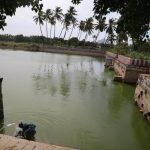
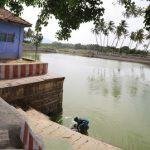
Upon reaching Parakkai village, the bird descended into the temple tank for a purifying dip, exclaiming in joy, “Kandaen Kulam” (I have seen the tank). As it circled the sanctum sanctorum to perform a Pradakshina (circumambulation), an artisan renovating a pillar within the temple spotted the divine bird. Mistaking it for a threat, the artisan threw a chisel, striking the Garuda’s wing. The bird fell to the ground, crying out “Madhusudhana!” (O Slayer of Madhu, referring to the Lord).
Realizing the sanctity of the creature, the villagers carved a stone image of the Garuda on the spot where it fell. The village was subsequently named Pakshirajapuram in honor of this event. The temple itself was established to commemorate the divine presence of Lord Vishnu in the form of Mathusoothana Perumal.
Historical Timeline
While exact dating records for the foundational structure are scarce in public archives, the architectural style suggests a lineage stretching back over a millennium, likely constructed during the Pandya or early Chera dynasty periods, later renovated by the rulers of the Travancore kingdom. The temple is revered in the Divya Prabandham, the collection of hymns sung by the Alvar saints, solidifying its status as a Divya Desam (holy abode of Vishnu).
Architectural Marvels
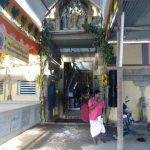
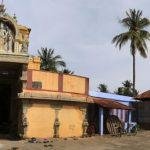
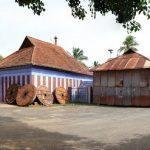
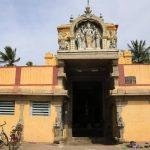
The Mathusoothana Perumal Temple is a classic example of Dravidian Architecture. Unlike the towering Nagara shikharas of the North, this temple emphasizes horizontal expansion and intricate carvings.
Key Architectural Features:
- The Sanctum Sanctorum (Garbhagriha): The temple follows the Agamic standards of construction. The deity is enshrined in a reclining posture (Anantasayi), facing east.
- Mural Paintings: As noted in the temple’s lore, the inner walls are adorned with centuries-old mural paintings depicting scenes from the Bhagavata Purana and the Ramayana. These murals are significant for their use of natural pigments and traditional Kerala-Tamil painting styles.
- Vastu Shastra: The temple layout adheres to Vastu Shastra, ensuring the flow of positive energy. The Gopuram (gateway tower) is modest yet richly sculpted, typical of Kanyakumari region temples where the focus remains on the sanctity of the inner shrines rather than height.
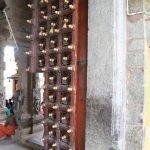
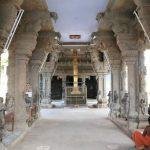
- Unique Stone Art: The pillar mandapas feature exquisite carvings of Dwarapalakas (guardian deities) and floral motifs, showcasing the pinnacle of stone craftsmanship.
Note: The temple is a protected heritage site under the purview of the Hindu Religious and Charitable Endowments (HR&CE) Department of Tamil Nadu.
Darshan & Ritual Logistics
Devotees visiting Mathusoothana Perumal Temple can participate in various rituals that have been preserved for generations. The atmosphere is generally tranquil, allowing for a meditative darshan experience.
Daily Timings
Timings are subject to change during festivals. Based on standard HR&CE schedules for this region:
| Session | Timings | Activity |
|---|---|---|
| Morning | 06:00 AM – 12:00 PM | Ushatkala Puja, Abhishekam |
| Afternoon | 12:00 PM – 04:30 PM | Temple Closure |
| Evening | 04:30 PM – 08:30 PM | Deeparadhana, Harivarasanam |
Seva (Rituals) & Booking
The temple offers several Sevas. While online booking for smaller temples in Kanyakumari district is often managed directly at the temple counter, larger festivals utilize digital platforms.
- Abhishekam: Performed with milk, honey, and sandalwood paste. Best time: Morning 8:00 AM.
- Archana: Recitation of holy names for personal well-being. Available throughout opening hours.
- Tirumanjanam: Ceremonial bathing of the utsava idol.
Booking: For specific rituals, devotees are advised to contact the temple office directly via phone or check the Tamil Nadu Tourism portal for updated links to the HR&CE online booking system.
2026 Festival Calendar
Assuming the current year is 2026, here are the projected dates for major festivals:
- Pavitrotsavam (Purification Festival): Likely in August 2026 (Based on Adi month calculations).
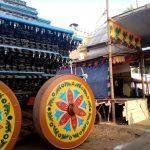
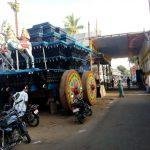
- Brahmotsavam: A grand 10-day festival usually held in the month of November 2026. The chariot procession (Ther) is a highlight.
- Vaikuntha Ekadashi: January 2, 2026. Special opening of the “Gajendra Moksha” gate.
- Rama Navami: April 6, 2026. Special Archana and distribution of sacred food (Prasadam).
Practical Visitor Guidance
Code of Conduct & Essentials
To maintain the sanctity of this heritage site, the following guidelines are strictly observed:
- Dress Code: Traditional attire is mandatory. Men must wear Dhoti or formal trousers with a shirt; women must wear Saree, Salwar Kameez, or long skirts. Avoid jeans and shorts.
- Photography: Photography is strictly prohibited inside the sanctum sanctorum and the inner prakaram (corridor) containing murals. General courtyard photography may be allowed at the discretion of the temple authorities.
- Mobile Phones: Usage is discouraged inside the temple premises. Free mobile lockers are usually available near the entrance for devotees to store their devices and footwear.
- Accessibility: The temple is compact. While the main sanctum requires climbing a few steps, the outer corridors are accessible to elderly devotees with assistance. Wheelchair accessibility is limited due to the ancient nature of the structure.
Crowd Management & Seasonal Tips
- Best Hours: Visit early morning (6:30 AM – 7:30 AM) or late evening (6:00 PM – 7:30 PM) to avoid school tour groups and weekend rushes.
- Seasonal Advice:
- Summer (May – June): Kanyakumari experiences high humidity. Carry a water bottle and wear head coverings.
- Monsoon (October – December): Heavy rains are common. Carry an umbrella and wear non-slip footwear.
Pilgrimage Connectivity
Parakkai is strategically located between the holy town of Kanyakumari and Nagercoil, making it an essential stop in the Kanyakumari temple circuit.
How to Reach
- By Air: The nearest airport is Trivandrum International Airport (TRV), located approximately 93 km away. Taxis and buses are readily available from the airport to Nagercoil/Kanyakumari.
- By Rail: The nearest major railway junction is Nagercoil Junction (NCJ), about 9 km from the temple. Auto-rickshaws are the most convenient mode of transport from the station.
- By Road: Parakkai is well-connected via NH 66 (formerly NH 47). It is located approximately 3.5 km from Suchindram and 15 km from Kanyakumari. Regular state-run buses ply between Nagercoil, Kanyakumari, and Suchindram.
Nearby Sacred Sites (The Kanyakumari Circuit)
To maximize your pilgrimage, consider visiting these nearby holy shrines:
- Suchindram Thanumalayan Temple: Located just 3.5 km away. Famous for its single stone monolith of Hanuman and musical pillars.
- Kumari Amman Temple: The iconic temple at the southernmost tip of India, dedicated to Goddess Kanyakumari (15 km away).
- Sree Padmanabhaswamy Temple: Located in Thiruvananthapuram (approx. 93 km), this is one of the wealthiest and most ancient Vishnu temples in the world.
Frequently Asked Questions (FAQ)
1. What is the historical significance of the name “Pakshirajapuram”?
The name derives from the legend of Garuda (the King of Birds), who was struck by a chisel while circling the temple. The spot where he fell is marked by a stone image, cementing the village’s association with the divine eagle.
2. Is there a VIP darshan entry available at Mathusoothana Perumal Temple?
As a smaller heritage temple compared to the massive Sri Ranganathaswamy Temple, there are no “VIP” passes. However, devotees can perform special Archana or Abhishekam to get closer access to the deity during rituals.
3. What is the best way to perform online seva booking?
For the Mathusoothana Perumal Temple, direct online booking might not be available due to its smaller scale. It is recommended to visit the HR&CE (Hindu Religious and Charitable Endowments) official website of Tamil Nadu or call the temple office directly to check current availability for special pujas.
4. Are there accommodation facilities near the temple?
While the temple itself does not have guesthouses, the nearby town of Nagercoil offers numerous lodges and budget hotels. For a spiritual experience, guest houses in Kanyakumari managed by the state government are a popular choice.
5. Why is the deity called Mathusoothana or Madhusudhana?
The name refers to Lord Vishnu’s avatar where he slew the demon Madhu. This form symbolizes the destruction of evil and the restoration of righteousness (Dharma).
6. What is the significance of the mural paintings here?
The murals are rare examples of Dravidian art that have survived centuries. They serve as a visual narrative of Hindu scriptures for devotees who may not read Sanskrit texts, preserving oral traditions through art.
Recent Posts

Shri Kaamkoteeshwar Mandir, Varanasi – History & Significance
In the heart of Kashi, the eternal city of Lord Shiva, where the Ganges flows with celestial grace, stands the Shri Kaamkoteeshwar Mandir. This sacred Sannidhi is not merely a temple but a profound spiritual bridge between the Northern…

ओ सांवरे तूने ही मुझको संभाला – Lyrics & Meaning
ओ सांवरे तूने ही मुझको संभाला – A Prayer to Shyam Origin & Spiritual Essence Why This Bhajan Resonates Devotees chant this when overwhelmed by life’s storms—the refrain ‘तूने ही मुझको संभाला’ is the soul’s sigh of relief: “You…

कथा ये है महाराज मेरे की – Lyrics & Meaning
कथा ये है महाराज मेरे की छत्रपति संभाजी महाराज – A Prayer to Chhatrapati Sambhaji Maharaj Origin & Spiritual Essence Why This Bhajan Resonates Devotees chant this when their spirit feels tested—its powerful refrain “महाराज मेरे” is a soul’s…

Rigveda Samhita Yathartha Anuvada (ऋग्वेद संहिता यथार्थ अनुवाद) – Complete Set with Anvayartha & Hindi/English Translation
The Rigveda is the oldest surviving scripture of humanity and the foundational text of Sanātana Dharma. For serious students, scholars, UPSC aspirants studying ancient Indian history, Sanskrit learners, and spiritual seekers, a precise and grammatically structured translation is indispensable.…

आना भी अकेला है जाना भी अकेला है – Lyrics & Meaning | BharatTemples
आना भी अकेला है जाना भी अकेला है – A Prayer to the Divine Witness Origin & Spiritual Essence Why This Bhajan Resonates Devotees turn to this bhajan in moments of deep reflection—when life’s attachments begin to ache. The…

माता शेरावाली के द्वार जो भी जाता है – Lyrics & Meaning
माता शेरावाली के द्वार जो भी जाता है – A Prayer to Maa Sherawali Origin & Spiritual Essence Why This Bhajan Resonates Devotees turn to this bhajan in times of fear or uncertainty—its promise that no one leaves Maa’s…

मार लेना सपणी उबार लेणा भवरा – Lyrics & Meaning
मार लेना सपणी उबार लेणा भवरा – A Prayer to the Divine Beloved Origin & Spiritual Essence Why This Bhajan Resonates Devotees chant this in moments of deep vulnerability—its cry of “मार लेना सपणी, उबार लेणा भवरा” is the…

हमें श्याम सुंदर भरोसा तुम्हारा – Lyrics & Meaning
हमें श्याम सुंदर भरोसा तुम्हारा – A Prayer to Shyam Sundar Origin & Spiritual Essence Why This Bhajan Resonates Devotees chant this when feeling alone—its refrain ‘de do sahara’ is the soul’s cry for divine support. Lyrics in Hindi…

Mere Satguru Ne Di Thi Davai Lyrics in Hindi & Meaning
Mere Satguru Ne Di Thi Davai: Invoking the Guru’s Liberating Wisdom This soul-stirring bhajan venerates the Satguru (True Spiritual Master) as the divine physician who dispenses the only remedy for life’s deepest sufferings. Composed by Sant Karmaveer Tufani, it…

Janm Diyo Thari Maa Dukh Dekhiyo Lyrics in Hindi & Meaning
जन्म दियो थारी माँ दुख देखियो (Maa’s Grief Upon Birthing You) This soul-stirring Chetavani Bhajan (admonitory hymn) is addressed to the Divine Mother (Maa) – a call for repentance when children forget their filial duties in the dark age…