

Contents
Introduction & Spiritual Essence: The Abode of Varadaraja
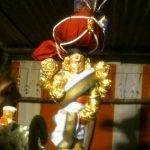
The Varadaraja Perumal Temple in Kudavasal is a radiant beacon of Vaishnavism nestled in the heart of the Thiruvarur district. Dedicated to Lord Varadaraja Perumal (an avatar of Lord Vishnu), this temple is a quintessential example of spiritual resilience and architectural heritage. Unlike many modern structures, the temple is believed to be a Swayambhu (self-manifested) shrine, where the deity emerged naturally from the earth.
Phalaśruti: The Boon of Visitation
Why do devotees flock to Kudavasal? The scriptures suggest that praying to Varadaraja Perumal here offers relief from Pitru Dosha (ancestral afflictions). Devotees believe that offering prayers here cleanses ancestral karma and ensures the spiritual elevation of departed souls. The temple is particularly renowned for granting the boon of progeny (Santanaprapti) and removing obstacles in education and career.
Historical Origins & Scriptural Legend
Chola Dynasty Patronage
According to temple records and structural analysis, the temple is estimated to have been constructed in the late 9th century CE during the zenith of the Great Chola Dynasty. While specific inscriptions are currently under archival study by the Archaeological Survey of India (ASI), the temple stands as a testament to the Chola kings’ devotion to Vishnu.
Revival in the 21st Century
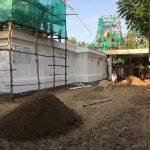
Following centuries of neglect and environmental wear, the temple faced near-abandonment. However, through the collective efforts of devotees and the local trust, a major restoration project was undertaken and completed in 2006. This revival restored the temple to its former glory, allowing the Vaikasana Agama traditions to resume fully.
The Legend of the Golden Lizard
Local folklore in Kudavasal speaks of a legend unique to this site. Tradition holds that Lord Varadaraja appeared in a dream to a local villager, revealing a buried idol near a large banyan tree. When excavated, the idol was found with a golden lizard inscribed on the base, symbolizing protection from all sins (akin to the legend of the Kurma Avatara). This Swayambhu murti is the central focus of worship today.
Architectural Marvels
Dravidian Stylistic Grandeur
The temple showcases a pristine blend of Dravidian architectural styles, primarily attributed to the Chola era but influenced by later Nayak additions. The sanctum sanctorum (Garbhagriha) is oriented according to Vastu Shastra principles, facing the East.
Key Structural Elements
- The Rajagopuram: A modest yet intricate tower that welcomes devotees, adorned with stucco figures depicting stories from the Puranas.
- The Mandapas: The temple features several pillared halls (Mandapas). The ceiling of the Ardha Mandapa features carved brackets showing celestial dancers (Apsaras) in various poses.
- Sculptural Details: Look for the detailed friezes of Yalis (mythical lion-like creatures) guarding the pillars, a hallmark of Chola craftsmanship.
Darshan & Ritual Logistics
Visiting the Varadaraja Perumal Temple requires understanding the daily rhythms of worship. The temple follows strict Agamic traditions.
Daily Darshan Timings
Below is the standard schedule. Please verify during festivals or special occasions.
| Session | Timing | Details |
|---|---|---|
| Morning Darshan | 06:00 AM – 12:00 PM | Includes Vishwaroopa Darshan and Abhishekam rituals. |
| Afternoon Break | 12:00 PM – 04:00 PM | Temple remains closed for Deity rest. |
| Evening Darshan | 04:00 PM – 08:00 PM | Includes Sayarakshai (evening rituals) and Thirumanjanam. |
| Closing Time | 08:00 PM | Sampradayam and closing rituals. |
Key Sevas & Online Booking
The temple trust facilitates several sevas. While online booking is primarily managed through the official Tamil Nadu Temple Trust portals (currently under digitization for Kudavasal), devotees can book at the counter.
- Suprabhatam: 6:30 AM (Chanting of auspicious verses).
- Abhishekam: Performed with milk, honey, and sandalwood paste.
- Archana: Offering of flowers and chant of the deity’s 108 names.
- Astothram: Recitation of 108 names of Lord Varadaraja.
Festivals in 2026
- Maha Shivaratri: February 26, 2026 (Observed with Vishnu-Shiva harmony rituals).
- Panguni Uthiram: March–April 2026 (A major festival for Perumal temples in Tamil Nadu).
- Vaikuntha Ekadashi: December 31, 2026 (The most significant Vishnu festival; expect heavy crowds).
Practical Visitor Guidance
To ensure a spiritually fulfilling experience, adhere to the following guidelines:
- Dress Code: Traditional attire is mandatory. Men should wear Dhoti or Pants with a formal Shirt; Women should wear Saree, Salwar Kameez, or Churidar. Avoid shorts and t-shirts.
- Photography: Photography is strictly prohibited inside the Garbhagriha (Sanctum Sanctorum). It is permitted in the outer prakarams (corridors) with discretion.
- Footwear & Lockers: Shoes must be removed at the designated racks outside the temple entrance. Mobile phone lockers are available at the ticket counter for a nominal fee.
- Accessibility: The temple features stone steps at the entrance. While wheelchair access to the inner sanctum is limited due to the heritage nature of the structure, ramps are available in the outer courtyards.
Crowd Management Tips
Best Hours: The ideal time for peaceful darshan is between 7:00 AM and 9:00 AM, or post-5:00 PM on weekdays.
Seasonal Advice: Summers (April–June) in Thiruvarur are humid. Carry a water bottle and a wet cloth. Monsoons (October–December) are pleasant, but check local road conditions before travel.
Pilgrimage Connectivity
How to Reach
The temple is strategically located on the Kumbakonam–Tiruvarur route.
- By Road: Kudavasal is well-connected via State Highway 213 (SH 213). It is located 23 km from Thiruvarur, 20 km from Kumbakonam, and approximately 110 km from Trichy (Tiruchirappalli).
- By Train: The nearest major railway junction is Kumbakonam (20 km) or Thiruvarur (23 km). From there, local taxis and buses are available to Kudavasal.
- By Air: The nearest airport is Trichy International Airport (TRZ), located about 115 km away.
Nearby Sacred Sites
Expand your pilgrimage by visiting these nearby temples:
- Thirucherai Saranathan Temple: Located just 4 km away, known as the temple of ‘Venkateswara’ of the Chola region.
- Kumbakonam Adhi Kumbeswarar Temple: A major Shiva temple 20 km away, famous for the Mahamaham festival.
- Nachiyar Koil (Sripuranthan): 9 km away, dedicated to Goddess Alarmelmangai Thayar.
Frequently Asked Questions (FAQ)
1. Is there a VIP Darshan entry available?
Yes, the temple trust offers a special darshan ticket (Rs. 50 – Rs. 100) for devotees who wish to bypass the general queue during peak hours. Tickets can be purchased at the temple counter.
2. Are there food facilities available?
Currently, a small annadhanam (free meal) counter operates during noon hours. However, for full meals, devotees usually travel to Kumbakonam or Thiruvarur, where multi-cuisine restaurants are available.
3. What is the best time of year to visit Kudavasal?
The months of November to February offer the most pleasant weather for travel in Tamil Nadu. Avoid peak summer unless you are prepared for high humidity.
4. Is the temple open during Eclipse?
Like most Vishnu temples in Tamil Nadu, the temple remains closed during Surya Grahan (Solar Eclipse) and Chandra Grahan (Lunar Eclipse) as per Agamic rules.
5. Can I offer milk Abhishekam myself?
Typically, the temple priests (Oduvars) perform the Abhishekam. Devotees can sponsor the Abhishekam, but physical entry into the sanctum is restricted to trained priests only.

Contact Details
For inquiries regarding special pujas or timings, please contact the temple administration directly:
Varadaraja Perumal Temple Trust
Kudavasal, Thiruvarur District
Tamil Nadu, India
Recent Posts

Shri Kaamkoteeshwar Mandir, Varanasi – History & Significance
In the heart of Kashi, the eternal city of Lord Shiva, where the Ganges flows with celestial grace, stands the Shri Kaamkoteeshwar Mandir. This sacred Sannidhi is not merely a temple but a profound spiritual bridge between the Northern…

ओ सांवरे तूने ही मुझको संभाला – Lyrics & Meaning
ओ सांवरे तूने ही मुझको संभाला – A Prayer to Shyam Origin & Spiritual Essence Why This Bhajan Resonates Devotees chant this when overwhelmed by life’s storms—the refrain ‘तूने ही मुझको संभाला’ is the soul’s sigh of relief: “You…

कथा ये है महाराज मेरे की – Lyrics & Meaning
कथा ये है महाराज मेरे की छत्रपति संभाजी महाराज – A Prayer to Chhatrapati Sambhaji Maharaj Origin & Spiritual Essence Why This Bhajan Resonates Devotees chant this when their spirit feels tested—its powerful refrain “महाराज मेरे” is a soul’s…

Rigveda Samhita Yathartha Anuvada (ऋग्वेद संहिता यथार्थ अनुवाद) – Complete Set with Anvayartha & Hindi/English Translation
The Rigveda is the oldest surviving scripture of humanity and the foundational text of Sanātana Dharma. For serious students, scholars, UPSC aspirants studying ancient Indian history, Sanskrit learners, and spiritual seekers, a precise and grammatically structured translation is indispensable.…

आना भी अकेला है जाना भी अकेला है – Lyrics & Meaning | BharatTemples
आना भी अकेला है जाना भी अकेला है – A Prayer to the Divine Witness Origin & Spiritual Essence Why This Bhajan Resonates Devotees turn to this bhajan in moments of deep reflection—when life’s attachments begin to ache. The…

माता शेरावाली के द्वार जो भी जाता है – Lyrics & Meaning
माता शेरावाली के द्वार जो भी जाता है – A Prayer to Maa Sherawali Origin & Spiritual Essence Why This Bhajan Resonates Devotees turn to this bhajan in times of fear or uncertainty—its promise that no one leaves Maa’s…

मार लेना सपणी उबार लेणा भवरा – Lyrics & Meaning
मार लेना सपणी उबार लेणा भवरा – A Prayer to the Divine Beloved Origin & Spiritual Essence Why This Bhajan Resonates Devotees chant this in moments of deep vulnerability—its cry of “मार लेना सपणी, उबार लेणा भवरा” is the…

हमें श्याम सुंदर भरोसा तुम्हारा – Lyrics & Meaning
हमें श्याम सुंदर भरोसा तुम्हारा – A Prayer to Shyam Sundar Origin & Spiritual Essence Why This Bhajan Resonates Devotees chant this when feeling alone—its refrain ‘de do sahara’ is the soul’s cry for divine support. Lyrics in Hindi…

Mere Satguru Ne Di Thi Davai Lyrics in Hindi & Meaning
Mere Satguru Ne Di Thi Davai: Invoking the Guru’s Liberating Wisdom This soul-stirring bhajan venerates the Satguru (True Spiritual Master) as the divine physician who dispenses the only remedy for life’s deepest sufferings. Composed by Sant Karmaveer Tufani, it…

Janm Diyo Thari Maa Dukh Dekhiyo Lyrics in Hindi & Meaning
जन्म दियो थारी माँ दुख देखियो (Maa’s Grief Upon Birthing You) This soul-stirring Chetavani Bhajan (admonitory hymn) is addressed to the Divine Mother (Maa) – a call for repentance when children forget their filial duties in the dark age…