
Contents
Introduction & Spiritual Essence
In the sacred landscape of Kanchipuram, often termed the “City of Temples,” lies the Ottiampakkam Otteeswarar Temple, a haven of spiritual tranquility. Dedicated to Lord Shiva, this ancient shrine is a testament to Dravidian architectural grandeur and devotional fervor. The primary deity, Otteeswarar (a form of Shiva), is worshipped as the “Lord of the Sacred Yagna,” while the consort, Mangalambikai, embodies auspiciousness.
Phalaśruti: The Boon of Visitation
Devotees flock to this temple seeking relief from pitru dosha (ancestral afflictions) and blessings for marital harmony. Legend holds that worshipping Otteeswarar on a full moon day cleanses negative karma and grants spiritual liberation (Moksha). The presence of a unique Kubera Lingam facing south signifies blessings of prosperity and wealth, making this a potent site for holistic well-being.
Historical Origins & Scriptural Legend
While precise inscriptions regarding the founding dynasty are elusive, the temple dates back several centuries, deeply embedded in the region’s Pallava and Chola architectural influences. Tradition holds that the name “Otteeswarar” derives from the Sanskrit word Yajna (Sacrifice), suggesting the site was once a venue for great Vedic rituals performed by ancient sages.
According to the Sthala Purana (local oral legend), Lord Shiva manifested here as a giant, self-existent (Swayambhu) Lingam to bless the Devas and Rishis who were performing a Yajna. The name “Ottiampakkam” itself is believed to be a linguistic evolution of ancient Tamil nomenclature describing the village’s geographical layout. Though temple records do not specify a builder, the structural elements suggest contributions from the Vijayanagara era patrons who were instrumental in restoring many Kanchipuram shrines.
Architectural Marvels
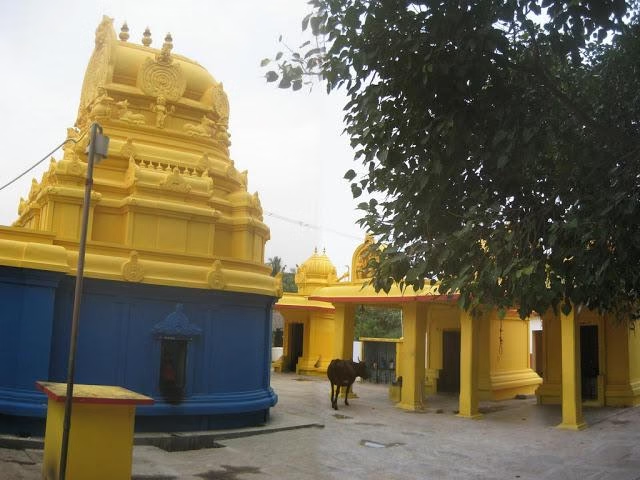
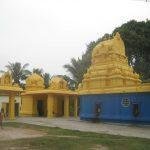
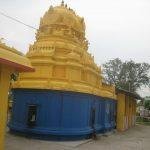
The Otteeswarar Temple is a masterpiece of Dravidian architecture. The temple complex is designed according to Vastu Shastra principles, ensuring positive energy flow.
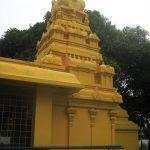
- The Vimanam: The sanctum sanctorum (Moolavar Vimanam) features a Gajabrushta (elephant-back) type roof structure, distinct to certain Pallava-era constructions.
- Koshtam (Niches): Surrounding the sanctum are exquisite niches housing:
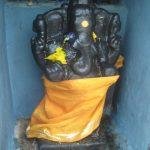
- Narthana Vinayagar (Dancing Ganesha)
- Dhakshinamoorthy (Guru of the South)
- Lingothbhavar (Shiva emerging from the Lingam)
- Brahma and Durgai
- The Sannadhis: The outer prakaram (corridor) houses shrines for Valli Devasena Sametha Subramaniyar, Kaalabairavar, and the Navagrahas (nine planets), which are crucial for astrological remedial measures.
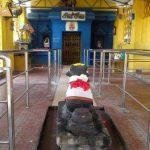
The presiding deity, Otteeswarar, is a giant Lingam radiating charm and grandeur. The goddess, Mangalambikai, stands in a majestic south-facing posture.
Darshan & Ritual Logistics
The temple follows traditional Agama rituals. Regular Poojas and Abhishekams are conducted by the resident priests. As of 2026, the temple management has streamlined the process for devotees wishing to offer Sevas.
Daily Timings
| Session | Timings |
|---|---|
| Morning Darshan | 06:00 AM – 11:00 AM |
| Afternoon Closure | 11:00 AM – 04:00 PM |
| Evening Darshan | 04:00 PM – 08:00 PM |
Key Sevas & Online Booking
Devotees can book specific Sevas directly through the official Tamil Nadu Temple Authority portal.
- Abhishekam: Performed on Mondays and Pradosham.
- Archana: Daily recitation of Shiva Sahasranamam.
- Rudra Homam: Special Vedic fire ritual.
- Online Booking: Visit temples.tn.gov.in and search for “Ottiampakkam Otteeswarar.” (Note: Booking opens 30 days in advance).
2026 Major Festivals
- Arudra Darshanam: January 10, 2026 (Celebrating Nataraja).
- Maha Shivaratri: February 26, 2026 (Night-long vigil).
- Aadi Perukku: August 2, 2026 (River rituals).
- Karthigai Deepam: November 5, 2026 (Lighting of lamps).
Practical Visitor Guidance
To ensure a peaceful Darshan experience at Ottiampakkam:
- Dress Code: Traditional attire is recommended (Dhoti/Saree). Avoid shorts or sleeveless tops.
- Photography: Strictly prohibited inside the inner sanctum. Photography in the outer prakaram is permitted, provided no devotees are disturbed.
- Mobile Lockers: A small locker facility is available near the entrance for electronic devices, though mobile usage is discouraged within the temple premises.
- Crowd Management:
- Best Hours: Weekday mornings (7:00 AM – 9:00 AM) are least crowded.
- Seasonal Advice: Kanchipuram summers (April–June) are intense. Carry a water bottle and an umbrella. Monsoon (Nov–Dec) offers a pleasant atmosphere but check for rain alerts.
Pilgrimage Connectivity
Ottiampakkam is a serene village on the outskirts of Kanchipuram, well-connected to the OMR (Old Mahabalipuram Road).
How to Reach
- By Road: The temple is located near the Thalambur four-way junction, intersecting the OMR and the Siruseri-Medavakkam road. It is approximately 15 km from Sholinganallur.
- Bus Routes:
- 51K: Tambaram East
- E51: High Court
- M51B/C/D: Saidapet / T.Nagar
- Route via Velachery: Several town buses ply through Velachery Main Road.
- Nearest Railway Station: Kanchipuram Railway Station (12 km).
- Nearest Airport: Chennai International Airport (MAA) via GST Road and OMR (approx. 45 mins).
Nearby Sacred Sites
- Ulagalantha Perumal Temple: Located in Kanchipuram, dedicated to Vamana Avatar of Vishnu.
- Ekambareswarar Temple: One of the Pancha Bhoota Stalas (Earth element), just a short drive away.
- Varadaraja Perumal Temple: Famous for its golden lizard sculptures and architectural splendor.
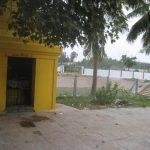
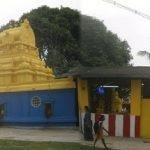
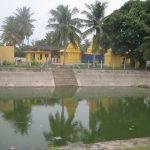
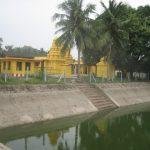
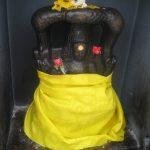
Photo Gallery
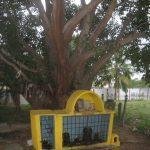
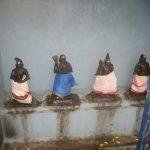
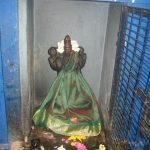
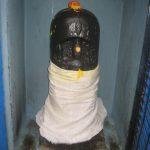



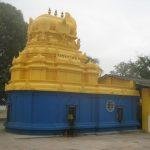

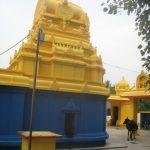
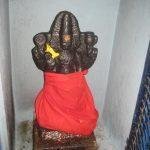
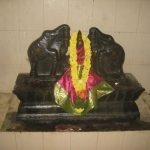


Frequently Asked Questions (FAQs)
1. Is there a VIP darshan entry at Otteeswarar Temple?
While the temple does not have a formal “VIP” quota like the major Tirupati shrine, priority is given to elderly devotees and those with special needs. For large groups or specific rituals, it is advisable to contact the temple administration in advance.
2. What is the significance of the Kubera Lingam here?
The temple features a unique south-facing Kubera Lingam. In Vedic tradition, Kubera is the treasurer of the gods. Worshipping this specific Lingam is believed to remove financial obstacles and attract prosperity.
3. Are non-Hindus allowed inside?
Like most ancient Shiva temples in Tamil Nadu, entry is generally restricted to Hindus. However, it is best to check with the local priests or administration regarding specific policies.
4. Is accommodation available near the temple?
Ottiampakkam is a small village with limited lodging. For comfortable stay options, it is recommended to book accommodation in Kanchipuram city (10-15 mins drive) or along the OMR corridor (Siruseri/Siruseri IT Park).
5. When is the temple pond open?
The temple pond (Theertham) is maintained neatly and is generally accessible during darshan hours. However, swimming or bathing is strictly prohibited unless sanctioned during specific festival rituals.
Recent Posts

Shri Kaamkoteeshwar Mandir, Varanasi – History & Significance
In the heart of Kashi, the eternal city of Lord Shiva, where the Ganges flows with celestial grace, stands the Shri Kaamkoteeshwar Mandir. This sacred Sannidhi is not merely a temple but a profound spiritual bridge between the Northern…

ओ सांवरे तूने ही मुझको संभाला – Lyrics & Meaning
ओ सांवरे तूने ही मुझको संभाला – A Prayer to Shyam Origin & Spiritual Essence Why This Bhajan Resonates Devotees chant this when overwhelmed by life’s storms—the refrain ‘तूने ही मुझको संभाला’ is the soul’s sigh of relief: “You…

कथा ये है महाराज मेरे की – Lyrics & Meaning
कथा ये है महाराज मेरे की छत्रपति संभाजी महाराज – A Prayer to Chhatrapati Sambhaji Maharaj Origin & Spiritual Essence Why This Bhajan Resonates Devotees chant this when their spirit feels tested—its powerful refrain “महाराज मेरे” is a soul’s…

Rigveda Samhita Yathartha Anuvada (ऋग्वेद संहिता यथार्थ अनुवाद) – Complete Set with Anvayartha & Hindi/English Translation
The Rigveda is the oldest surviving scripture of humanity and the foundational text of Sanātana Dharma. For serious students, scholars, UPSC aspirants studying ancient Indian history, Sanskrit learners, and spiritual seekers, a precise and grammatically structured translation is indispensable.…

आना भी अकेला है जाना भी अकेला है – Lyrics & Meaning | BharatTemples
आना भी अकेला है जाना भी अकेला है – A Prayer to the Divine Witness Origin & Spiritual Essence Why This Bhajan Resonates Devotees turn to this bhajan in moments of deep reflection—when life’s attachments begin to ache. The…

माता शेरावाली के द्वार जो भी जाता है – Lyrics & Meaning
माता शेरावाली के द्वार जो भी जाता है – A Prayer to Maa Sherawali Origin & Spiritual Essence Why This Bhajan Resonates Devotees turn to this bhajan in times of fear or uncertainty—its promise that no one leaves Maa’s…

मार लेना सपणी उबार लेणा भवरा – Lyrics & Meaning
मार लेना सपणी उबार लेणा भवरा – A Prayer to the Divine Beloved Origin & Spiritual Essence Why This Bhajan Resonates Devotees chant this in moments of deep vulnerability—its cry of “मार लेना सपणी, उबार लेणा भवरा” is the…

हमें श्याम सुंदर भरोसा तुम्हारा – Lyrics & Meaning
हमें श्याम सुंदर भरोसा तुम्हारा – A Prayer to Shyam Sundar Origin & Spiritual Essence Why This Bhajan Resonates Devotees chant this when feeling alone—its refrain ‘de do sahara’ is the soul’s cry for divine support. Lyrics in Hindi…

Mere Satguru Ne Di Thi Davai Lyrics in Hindi & Meaning
Mere Satguru Ne Di Thi Davai: Invoking the Guru’s Liberating Wisdom This soul-stirring bhajan venerates the Satguru (True Spiritual Master) as the divine physician who dispenses the only remedy for life’s deepest sufferings. Composed by Sant Karmaveer Tufani, it…

Janm Diyo Thari Maa Dukh Dekhiyo Lyrics in Hindi & Meaning
जन्म दियो थारी माँ दुख देखियो (Maa’s Grief Upon Birthing You) This soul-stirring Chetavani Bhajan (admonitory hymn) is addressed to the Divine Mother (Maa) – a call for repentance when children forget their filial duties in the dark age…