
Contents
- 1 The Definitive Pilgrimage Guide: Kalyana Ranganatha Perumal Temple, Kolathur
The Definitive Pilgrimage Guide: Kalyana Ranganatha Perumal Temple, Kolathur
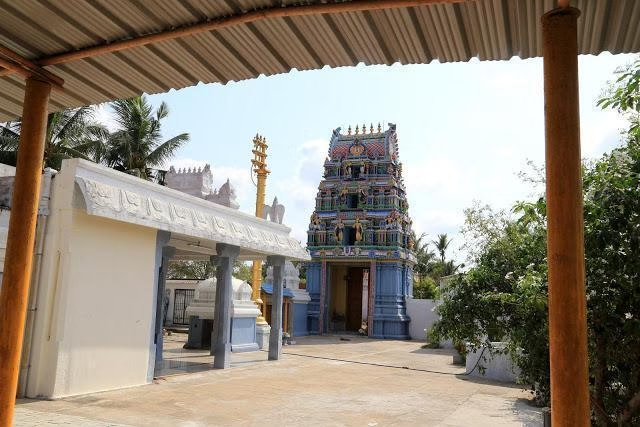
Welcome to the sacred precincts of the Kalyana Ranganatha Perumal Temple in Kolathur, Kanchipuram. As a heritage architect and spiritual guide, I invite you to explore this magnificent Dravidian sanctuary where Lord Vishnu blesses devotees as the “Celestial Bridegroom.” This guide is engineered for the modern pilgrim seeking both logistical clarity and devotional depth.
1. Introduction & Spiritual Essence
The primary deity of this temple is Kalyana Ranganatha Perumal (a form of Lord Vishnu), seated in a serene posture bestowing blessings upon devotees. His consort, Ranganayaki Thayar (Goddess Lakshmi), stands by his side.
Why Visit? (Phalaśruti)
According to temple records and local faith, visiting this shrine offers profound spiritual benefits. It is specifically renowned for:
- Remedial Astrological Benefits: Devotees perform rituals here to mitigate the adverse effects of planetary transits, particularly related to Rahu and Ketu.
- Cleansing Ancestral Karma: It is a powerful site for performing Tharpanam and rituals dedicated to ancestors, ensuring peace for their souls.
- Marital Harmony: As the “Kalyana” (wedding) form of Vishnu, the temple is frequented by those seeking early marriage or resolution to marital discord.
2. Historical Origins & Scriptural Legend
While the specific prasasti (inscription) dating the temple’s construction is being authenticated by local archaeologists, the temple’s lineage is deeply rooted in the Bhagavata Purana and local Sthala Purana.
The Legend of the Golden Lotus
Tradition holds that the temple at Kolathur is linked to the greater Ranganatha mythology of Srirangam. Legend says that while Lord Vishnu was resting on the serpent Adisesha, a lotus flower dropped from his hand. This golden lotus sprouted here, making the ground sacred. This led to the manifestation of Kalyana Ranganatha Perumal—the Lord in his form awaiting his divine wedding ceremony.
Architectural Patrons
The temple showcases the typical Dravidian style prevalent during the later periods of the Vijayanagara Empire (circa 15th–16th centuries), which heavily influenced temple architecture in Tamil Nadu through the Nayak rulers. Though specific donor inscriptions are pending transcription, the construction techniques align with the Nayak period.
3. Architectural Marvels
The Kalyana Ranganatha Perumal Temple is a classic example of the Dravida style of Vastu Shastra. The structure is designed to align the movement of the sun with the sanctum sanctorum, ensuring natural light illuminates the idol during specific equinoxes.
Key Structural Elements
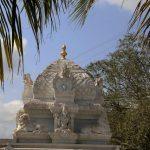
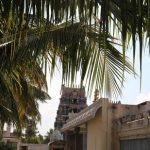
- Rajagopuram (Main Tower): Rising majestically, the Rajagopuram is oriented towards the East. It is adorned with intricate stucco work depicting scenes from the Ramayana and Dasavatara (ten incarnations of Vishnu).
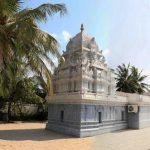
- Vimanam: The roof of the sanctum sanctorum (Vimana) is plated with gold foil, reflecting the sacred geometry associated with Shilpa Shastra.
- Mandapas: The temple features a pillared Mandapa (hall) with monolithic pillars. These pillars feature Yalis (mythical creatures) and musical pillars that emit specific notes when tapped, a hallmark of Dravidian acoustic engineering.
- Sanctum Sanctorum: The inner sanctum houses Kalyana Ranganatha Perumal in a standing posture, flanked by Sridevi and Bhudevi. The idol is revered as a Swayambhu (self-manifested) form.
4. Darshan & Ritual Logistics
Planning your visit requires attention to the temple’s ritual cycle. The priests perform the daily Pooja according to the Pancharatra Agama texts.
Daily Timings
| Session | Timings | Details |
|---|---|---|
| Morning | 06:00 AM – 12:00 PM | Includes Viswaroopam, Abhishekam, and Alankaram. |
| Afternoon | 12:00 PM – 04:00 PM | Temple closed for midday rest. |
| Evening | 04:00 PM – 08:00 PM | Deeparadhana, Thiruveedhi Purappadu (procession). |
Key Sevas & Online Booking
Devotees can book the following services online via the Tamil Nadu Government’s temple portal or directly at the temple counter:
- Abhishekam: Ritual bathing of the deity (usually performed on Ekadashi days).
- Archana: Personalized chanting of names (can be booked for family well-being).
- Kalyana Utsavam: A special wedding ceremony reenactment for the deity (Requires prior booking).
Note: As of 2026, all bookings are handled digitally via the TTDC portal.
2026 Festival Calendar (Tentative)
- Vaikuntha Ekadashi: January 2, 2026 (A major event at all Vishnu temples).
- Garuda Sevai: May 15, 2026 (Procession of the deity on Garuda vahana).
- Rama Navami: April 2, 2026 (Birthday of Lord Rama).
- Panguni Uthiram: March 20, 2026 (Celestial wedding festival).
5. Practical Visitor Guidance
To ensure a respectful and seamless experience, please adhere to the following guidelines.
Code of Conduct
- Dress Code: Traditional attire is mandatory. Men must wear Veshti (dhoti) or trousers with a shirt; women must wear Saree or Salwar Kameez. Avoid shorts and sleeveless tops.
- Photography: Photography is strictly prohibited inside the sanctum sanctorum. Flash photography is banned in the inner prakaram (corridor) to preserve the sanctity and the aging frescoes.
- Electronics: Mobile phones must be switched to silent mode. Lockers are available near the entrance for valuables.
Crowd Management Strategy
Best Hours to Visit: The ideal time for Darshan is between 6:00 AM and 7:30 AM during the morning session, or after 5:30 PM when the evening Deeparadhana is performed.
Seasonal Advice: During the summer months (April–June), the Kanchipuram region experiences high humidity. Carry a reusable water bottle and a hand fan. The temple Mandapa offers a cool respite during the peak afternoon heat.
6. Pilgrimage Connectivity
The temple is strategically located near the industrial hub of Chennai, yet retains a serene village atmosphere.
How to Reach
- Nearest Airport: Chennai International Airport (MAA) is approximately 30 km away.
- Nearest Railway Station: Kanchipuram Railway Station (15 km) or Chennai Beach Station (connected via suburban rail to Mambakkam).
- Road Transport: The temple is located 1.5 km from the Mambakkam Junction on the Vandalur-Kelambakkam Highway (State Highway 58). It connects directly to the Grand Southern Trunk Road (NH 32).
Nearby Sacred Sites (Pilgrimage Circuit)
- Ekambareswarar Temple (Kanchipuram): Located 16 km away, one of the Pancha Bhoota Stalam temples dedicated to Lord Shiva.
- Varadaraja Perumal Temple (Kanchipuram): 14 km away, a UNESCO tentative site known for its lizard sculptures.
- Melakottaiyur Narasimha Temple: A historic cave temple nearby, adding to the spiritual heritage of the region.
7. Frequently Asked Questions (FAQ)
1. Is there a VIP Darshan entry available?
Yes, the temple administration offers a special entry darshan for elderly citizens (above 65 years) and differently-abled devotees. VIP tickets can be purchased at the counter, subject to availability.
2. What is the significance of the term “Kalyana Ranganatha”?
“Kalyana” refers to the celestial wedding of Vishnu and Lakshmi. “Ranganatha” is the Lord of Srirangam. Thus, this form represents Lord Vishnu in his regal and benevolent state, often sought for blessings in matrimony.
3. Is the temple accessible for those with mobility issues?
While the temple follows traditional Dravidian architecture involving steps, the outer corridors are accessible via a ramp. However, access to the inner sanctum requires climbing a small flight of stairs.
4. Are prasadam and meals available?
Yes, the temple trust serves Anna Daanam (free food) to all devotees on Sundays and festival days. Additionally, a small canteen serves paid meals daily between 11:30 AM and 2:00 PM.
5. What is the parking situation?
Designated parking is available for two-wheelers and cars near the main entrance. During festivals, additional parking is arranged in the nearby village grounds.
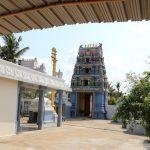
Photo Gallery
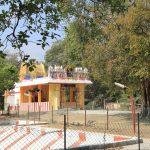
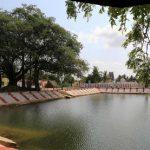
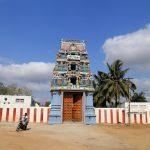
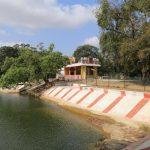
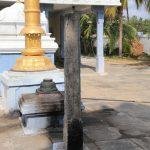
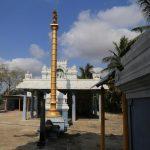
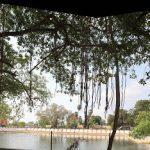
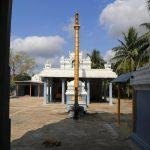
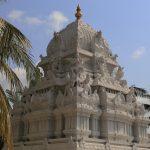
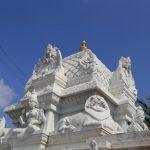
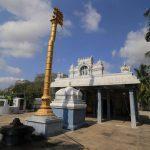
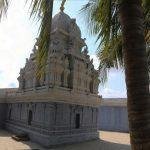
Address & Contact
Kalyana Ranganatha Perumal Temple
Kolathur, Kanchipuram District
Tamil Nadu, India
Phone: Available upon request from the Kanchipuram Temple Trust Office
Nearest Landmark: Mambakkam Junction, Vandalur-Kelambakkam Highway
Recent Posts

Shri Kaamkoteeshwar Mandir, Varanasi – History & Significance
In the heart of Kashi, the eternal city of Lord Shiva, where the Ganges flows with celestial grace, stands the Shri Kaamkoteeshwar Mandir. This sacred Sannidhi is not merely a temple but a profound spiritual bridge between the Northern…

ओ सांवरे तूने ही मुझको संभाला – Lyrics & Meaning
ओ सांवरे तूने ही मुझको संभाला – A Prayer to Shyam Origin & Spiritual Essence Why This Bhajan Resonates Devotees chant this when overwhelmed by life’s storms—the refrain ‘तूने ही मुझको संभाला’ is the soul’s sigh of relief: “You…

कथा ये है महाराज मेरे की – Lyrics & Meaning
कथा ये है महाराज मेरे की छत्रपति संभाजी महाराज – A Prayer to Chhatrapati Sambhaji Maharaj Origin & Spiritual Essence Why This Bhajan Resonates Devotees chant this when their spirit feels tested—its powerful refrain “महाराज मेरे” is a soul’s…

Rigveda Samhita Yathartha Anuvada (ऋग्वेद संहिता यथार्थ अनुवाद) – Complete Set with Anvayartha & Hindi/English Translation
The Rigveda is the oldest surviving scripture of humanity and the foundational text of Sanātana Dharma. For serious students, scholars, UPSC aspirants studying ancient Indian history, Sanskrit learners, and spiritual seekers, a precise and grammatically structured translation is indispensable.…

आना भी अकेला है जाना भी अकेला है – Lyrics & Meaning | BharatTemples
आना भी अकेला है जाना भी अकेला है – A Prayer to the Divine Witness Origin & Spiritual Essence Why This Bhajan Resonates Devotees turn to this bhajan in moments of deep reflection—when life’s attachments begin to ache. The…

माता शेरावाली के द्वार जो भी जाता है – Lyrics & Meaning
माता शेरावाली के द्वार जो भी जाता है – A Prayer to Maa Sherawali Origin & Spiritual Essence Why This Bhajan Resonates Devotees turn to this bhajan in times of fear or uncertainty—its promise that no one leaves Maa’s…

मार लेना सपणी उबार लेणा भवरा – Lyrics & Meaning
मार लेना सपणी उबार लेणा भवरा – A Prayer to the Divine Beloved Origin & Spiritual Essence Why This Bhajan Resonates Devotees chant this in moments of deep vulnerability—its cry of “मार लेना सपणी, उबार लेणा भवरा” is the…

हमें श्याम सुंदर भरोसा तुम्हारा – Lyrics & Meaning
हमें श्याम सुंदर भरोसा तुम्हारा – A Prayer to Shyam Sundar Origin & Spiritual Essence Why This Bhajan Resonates Devotees chant this when feeling alone—its refrain ‘de do sahara’ is the soul’s cry for divine support. Lyrics in Hindi…

Mere Satguru Ne Di Thi Davai Lyrics in Hindi & Meaning
Mere Satguru Ne Di Thi Davai: Invoking the Guru’s Liberating Wisdom This soul-stirring bhajan venerates the Satguru (True Spiritual Master) as the divine physician who dispenses the only remedy for life’s deepest sufferings. Composed by Sant Karmaveer Tufani, it…

Janm Diyo Thari Maa Dukh Dekhiyo Lyrics in Hindi & Meaning
जन्म दियो थारी माँ दुख देखियो (Maa’s Grief Upon Birthing You) This soul-stirring Chetavani Bhajan (admonitory hymn) is addressed to the Divine Mother (Maa) – a call for repentance when children forget their filial duties in the dark age…