
Contents
- 1 The Eternal Abode of Bhagiratha: A Definitive Guide to Bhagirateshwar Temple, Varanasi
The Eternal Abode of Bhagiratha: A Definitive Guide to Bhagirateshwar Temple, Varanasi
Varanasi (Kashi) is a city where every stone whispers a hymn and every alley holds a legend. Among the thousands of sacred shrines in this spiritual capital of the world, the Bhagirateshwar Temple stands as a profound testament to devotion, penance, and the liberating power of sacred waters. Located in the heart of the old city, this temple is not merely a structure of stone but a living spiritual ecosystem dedicated to Lord Shiva in his form as the Adhipati (Lord) of Bhagiratha.
1. Introduction & Spiritual Essence
Bhagirateshwar is a revered epithet of Lord Shiva, directly linked to the legendary King Bhagiratha. In the spiritual hierarchy of Kashi, this shrine holds a unique position as the granter of Moksha (liberation) specifically for one’s ancestors.
- Primary Deity: Lord Shiva (as Bhagirateshwar).
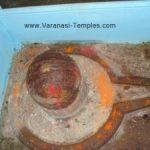
- Form: Swayambhu (Self-manifested) Lingam.
- Location: Varanasi, Uttar Pradesh, India.
Phalaśruti: The Spiritual Benefits
According to the Kashi Khand of the Skanda Purana, the spiritual merit of visiting this temple is unparalleled for those seeking to pacify ancestral afflictions. It is believed that:
By worshipping Bhagirateshwar, a devotee is cleansed of all sins, howsoever heinous they may be. The temple is intrinsically linked to the Bhagirath Teerth (a sacred pond), and performing rituals here for forefathers liberates their souls from the cycle of rebirth.
Devotees visit primarily to resolve Pitru Dosha (ancestral imbalances) and to attain the spiritual merit equivalent to bathing in the celestial Ganga—sourced from the tap of Bhagiratha’s penance.
2. Historical Origins & Scriptural Legend
The history of Bhagirateshwar is woven into the very fabric of Kashi’s mythology.
The Legend of Bhagiratha
Tradition holds that King Bhagiratha performed severe austerities to bring the River Ganga down to earth to wash away the ashes of his 60,000 ancestors (the sons of King Sagara), thereby granting them salvation. Upon Ganga’s descent, Bhagiratha worshipped Lord Shiva at this very spot to receive the divine waters. The temple marks the site where Lord Shiva, pleased by Bhagiratha’s devotion, agreed to hold the torrential force of Ganga in his matted locks to prevent the earth from shattering.
Scriptural References
The Kashi Khand (Chapter 61) explicitly narrates the dialogue where Lord Vishnu recounts the importance of this location to Sage Bindu. It states:
“Devotees should bathe in Bhagirath Teerth and perform rituals for their forefathers. They should then worship Bhagiratheshwar nearby. By performing these rites, one is cleansed of all sins.”
While the original Bhagirath Teerth is no longer in physical existence, the energy of that water is believed to permeate the soil of this shrine, making it a potent Tirtha (crossing place) between the physical and spiritual realms.
3. Architectural Marvels
The Bhagirateshwar Temple is a fine example of the Dravidian architectural style, adapted to the narrow bylanes of Varanasi. Unlike the towering Nagara style prevalent in North India, Dravidian architecture emphasizes pyramidal towers and horizontal layers.The shrine features a modest but powerful Shikhara (spire) adorned with intricate carvings that depict various forms of Shiva and scenes from Puranic lore. The sanctum sanctorum (Garbhagriha) is designed according to Vastu Shastra principles, ensuring that the energy flows inward toward the Swayambhu Lingam. The inner walls are often inscribed with verses from the Vedas, creating a visual and auditory (if recited) connection to ancient wisdom.
4. Darshan & Ritual Logistics
To facilitate a smooth spiritual experience, we have compiled the current darshan timings and seva details. Note that Varanasi temple timings can vary slightly during festival seasons.
Daily Timings
| Session | Timing | Activity |
|---|---|---|
| Morning | 05:00 AM – 12:00 PM | Mangala Aarti, Shringar Darshan |
| Afternoon | 12:00 PM – 04:00 PM | Temple Cleaning & Rest Period |
| Evening | 04:00 PM – 09:00 PM | Sandhya Aarti, Bhandara |
Key Sevas and Online Booking
Due to the intimate nature of this shrine, major Sevas are often performed in conjunction with the larger Kashi Vishwanath Temple complex. However, specific rituals for ancestors can be arranged:
- Abhishekam: Ritual bathing of the Lingam with water, milk, and honey.
- Rudrabhishek: Special Vedic chanting for ancestral peace.
- Pind Daan: Offerings to ancestors (typically performed at nearby ghats but spiritually linked here).
Online Booking: While this specific temple does not have a standalone app, most rituals can be booked via the Kashi Vishwanath Temple (KVT) official portal or the UP Tourism Portal. It is advisable to book Rudrabhishek slots 15–30 days in advance, especially for the 2026 pilgrimage season.
Major Festivals in 2026
- Maha Shivaratri (Feb 26, 2026): The temple remains open 24 hours; special Jagran and Havan are conducted.
- Kartik Purnima (Nov 5, 2026): Dev Deepawali; the temple is illuminated with thousands of earthen lamps.
- Shravan Maas (July – Aug 2026): Mondays during this month see massive footfall; Alankar Darshan is highly recommended.
5. Practical Visitor Guidance
Navigating the lanes of Varanasi requires preparation. Here is what you need to know to ensure a respectful and hassle-free visit.
Rules & Etiquette
- Dress Code: Traditional attire is encouraged. Men should wear dhotis or full-length trousers/shirts; women should wear sarees or salwar kameez with dupattas. Western wear like shorts or sleeveless tops is generally frowned upon in this specific shrine.
- Photography: Strictly prohibited inside the Garbhagriha (main sanctum). Photography in the outer courtyard is permitted, but please respect the privacy of other devotees.
- Mobile Lockers: Due to the narrow lanes, large bags are not allowed. There are public lockers available near the Vishwanath Gali entrance, but carrying minimal luggage is best.
- Accessibility: The lanes are ancient and uneven. They are not wheelchair friendly. Wear comfortable, flat footwear that is easy to remove.
Crowd Management Strategy
- Best Hours: 6:00 AM – 8:00 AM (early morning) or 7:00 PM – 8:30 PM (evening Aarti).
- Seasonal Advice:
- May – June (Summer): Temperatures exceed 40°C. Carry a water bottle and a wet towel. The stone floors retain heat.
- Dec – Jan (Winter): Mornings are foggy. Dress in layers. Woolens are necessary.
6. Pilgrimage Connectivity
Bhagirateshwar Temple is deeply embedded in the spiritual geography of Varanasi, making it accessible via multiple routes.
How to Reach
- By Air: Lal Bahadur Shastri International Airport (LBSJ) is approximately 25 km away. Taxis and airport shuttles are available to Dashashwamedh Ghat (approx. 30-40 mins).
- By Rail: Varanasi Junction (BSB) is about 5–7 km from the temple. Auto-rickshaws can take you to Chowk, from where you must walk.
- By Road (NH Connection): Varanasi is connected via NH-19 (formerly NH-2) and NH-35. Driving to the city outskirts is easy, but entering the old city by car is restricted (Restricted Traffic Zone).
Local Access Route
The temple is located at Ck.11/11, near Brahmanal in the house of Devanand Chaturvedi.
- From Chowk: Walk through the bustling markets toward Brahmanal. Look for the stone slab inscribed with “Dewan Bal Mukund Lane.” The temple is located on the perpendicular path.
- From the Ganges: Take a boat to Manikarnika Ghat. Climb the steps leading up to the city, walking through the iconic bylanes to reach Brahmanal.
Nearby Sacred Sites (Pilgrimage Circuit)
Extend your spiritual journey by visiting these nearby shrines:
- Kashi Vishwanath Temple (Jyotirlinga): Just a short walk away (approx. 10-15 minutes). The epicenter of Kashi.
- Manikarnika Ghat: The holiest cremation ground in Varanasi. Witnessing the Agni (fire) here is believed to break the cycle of birth and death.
- Durga Temple (Monkey Temple): Located approx. 2 km away in Durgakund. Famous for its vibrant red color and Durga Puja celebrations.
7. Frequently Asked Questions (FAQs)
Is there a VIP darshan entry at Bhagirateshwar Temple?
Given the temple’s location in a narrow lane and its modest size, there is no dedicated VIP gate. However, devotees carrying tickets for Kashi Vishwanath VIP Darshan often receive priority access in the surrounding cluster of temples.
Can I perform Pitru Dosha remedies here?
Yes. This temple is specifically significant for Pitru Tarpan. It is highly recommended to consult a local Vedic priest (Purohit) who can perform the rituals in Sanskrit following the strict scriptural guidelines mentioned in the Kashi Khand.
What are the exact contact details for the temple?
As this is a heritage shrine often managed by a family trust or local priests, there is no centralized “official” phone number. For administrative inquiries regarding the broader Kashi temple circuit, visitors can contact the Kashi Vishwanath Temple Administration or the Varanasi District Administration portal.
Is photography allowed inside the sanctum?
No. To maintain the sanctity of the Garbhagriha and respect the deity, photography is strictly prohibited inside the inner sanctum. Mobile phones should be kept silent or switched off.
What is the best way to avoid crowds?
Visiting on a weekday (Tuesday to Friday) is preferable to weekends. During the Shravan month (July-August), crowds peak on Mondays; it is best to visit early morning (before 7 AM) if traveling during this time.
Disclaimer: While every effort is made to ensure accuracy, temple timings and rituals are subject to change based on local Hindu calendar adjustments and administrative notices. Please verify locally before planning your visit.
Recent Posts

Shri Kaamkoteeshwar Mandir, Varanasi – History & Significance
In the heart of Kashi, the eternal city of Lord Shiva, where the Ganges flows with celestial grace, stands the Shri Kaamkoteeshwar Mandir. This sacred Sannidhi is not merely a temple but a profound spiritual bridge between the Northern…

ओ सांवरे तूने ही मुझको संभाला – Lyrics & Meaning
ओ सांवरे तूने ही मुझको संभाला – A Prayer to Shyam Origin & Spiritual Essence Why This Bhajan Resonates Devotees chant this when overwhelmed by life’s storms—the refrain ‘तूने ही मुझको संभाला’ is the soul’s sigh of relief: “You…

कथा ये है महाराज मेरे की – Lyrics & Meaning
कथा ये है महाराज मेरे की छत्रपति संभाजी महाराज – A Prayer to Chhatrapati Sambhaji Maharaj Origin & Spiritual Essence Why This Bhajan Resonates Devotees chant this when their spirit feels tested—its powerful refrain “महाराज मेरे” is a soul’s…

Rigveda Samhita Yathartha Anuvada (ऋग्वेद संहिता यथार्थ अनुवाद) – Complete Set with Anvayartha & Hindi/English Translation
The Rigveda is the oldest surviving scripture of humanity and the foundational text of Sanātana Dharma. For serious students, scholars, UPSC aspirants studying ancient Indian history, Sanskrit learners, and spiritual seekers, a precise and grammatically structured translation is indispensable.…

आना भी अकेला है जाना भी अकेला है – Lyrics & Meaning | BharatTemples
आना भी अकेला है जाना भी अकेला है – A Prayer to the Divine Witness Origin & Spiritual Essence Why This Bhajan Resonates Devotees turn to this bhajan in moments of deep reflection—when life’s attachments begin to ache. The…

माता शेरावाली के द्वार जो भी जाता है – Lyrics & Meaning
माता शेरावाली के द्वार जो भी जाता है – A Prayer to Maa Sherawali Origin & Spiritual Essence Why This Bhajan Resonates Devotees turn to this bhajan in times of fear or uncertainty—its promise that no one leaves Maa’s…

मार लेना सपणी उबार लेणा भवरा – Lyrics & Meaning
मार लेना सपणी उबार लेणा भवरा – A Prayer to the Divine Beloved Origin & Spiritual Essence Why This Bhajan Resonates Devotees chant this in moments of deep vulnerability—its cry of “मार लेना सपणी, उबार लेणा भवरा” is the…

हमें श्याम सुंदर भरोसा तुम्हारा – Lyrics & Meaning
हमें श्याम सुंदर भरोसा तुम्हारा – A Prayer to Shyam Sundar Origin & Spiritual Essence Why This Bhajan Resonates Devotees chant this when feeling alone—its refrain ‘de do sahara’ is the soul’s cry for divine support. Lyrics in Hindi…

Mere Satguru Ne Di Thi Davai Lyrics in Hindi & Meaning
Mere Satguru Ne Di Thi Davai: Invoking the Guru’s Liberating Wisdom This soul-stirring bhajan venerates the Satguru (True Spiritual Master) as the divine physician who dispenses the only remedy for life’s deepest sufferings. Composed by Sant Karmaveer Tufani, it…

Janm Diyo Thari Maa Dukh Dekhiyo Lyrics in Hindi & Meaning
जन्म दियो थारी माँ दुख देखियो (Maa’s Grief Upon Birthing You) This soul-stirring Chetavani Bhajan (admonitory hymn) is addressed to the Divine Mother (Maa) – a call for repentance when children forget their filial duties in the dark age…