
Contents
- 1 Definitive Pilgrimage Guide: Aadhi Kesava Perumal Temple, Kadukkaloor
- 1.1 Introduction & Spiritual Essence
- 1.2 Historical Origins & Scriptural Legend
- 1.3 Architectural Marvels
- 1.4 Darshan & Ritual Logistics
- 1.5 Practical Visitor Guidance
- 1.6 Pilgrimage Connectivity
- 1.7 Photo Gallery
- 1.8 Frequently Asked Questions (FAQs)
- 1.8.1 1. Is there a VIP Darshan entry at Aadhi Kesava Perumal Temple?
- 1.8.2 2. Can I book accommodation at the temple?
- 1.8.3 3. What is the historical significance of the name ‘Aadhi’ Kesava?
- 1.8.4 4. Is the temple accessible for disabled devotees?
- 1.8.5 5. What are the best months to visit Kadukkaloor?
- 1.8.6 6. Is there a dress code for the temple tank (Surya Theertham)?
Definitive Pilgrimage Guide: Aadhi Kesava Perumal Temple, Kadukkaloor
Nestled amidst the serene agrarian landscapes of the Kanchipuram district, the Aadhi Kesava Perumal Temple, Kadukkaloor, Kanchipuram stands as a testament to Dravidian architectural grandeur and unwavering spiritual devotion. Believed to be approximately 400 years old, this 51st Divya Desam (hallowed Vaishnavite shrine) is located 10 km from the historic shores of ECR. It is a sanctuary where the cosmic cycle of time meets the eternal grace of Lord Vishnu.
Introduction & Spiritual Essence
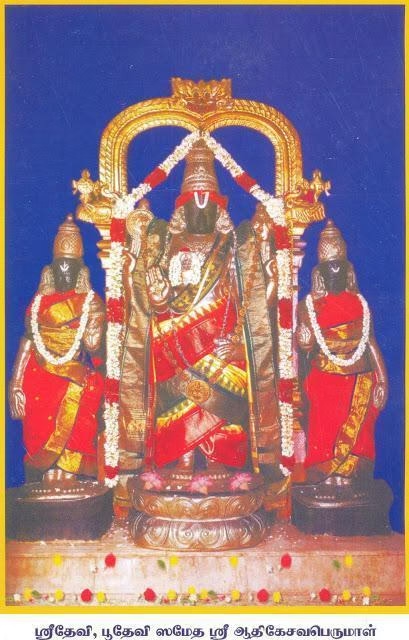
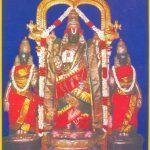
At the heart of this temple lies the presiding deity, Aadhi Kesava Perumal (also revered as Aadhikesava Perumal). He stands in a majestic Majestic posture facing East, radiating an aura of antiquity and profound power. The consort deity is Sri Ambujavalli Thayar (the Goddess born of the lotus).
Phalaśruti: The Boon of Visitation
Devotees flock to Kadukkaloor seeking spiritual liberation and material prosperity. According to ancient oral traditions, the Phalaśruti (benefits) of offering prayers here are multifaceted:
- Resolution of Ancestral Karmas: It is believed that performing Tarpanam or offering prayers here helps cleanse negative ancestral debts.
- Removal of Rohini Dosha: Devotees facing delays in marriage or unresolved marital discord find solace here.
- Womb Protection (Garbharaksha): The temple tank, known as Surya Theertham, is said to possess healing properties for those seeking progeny blessings.
Historical Origins & Scriptural Legend
Architectural Legacy
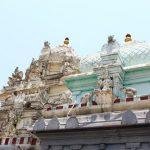
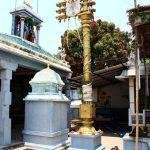
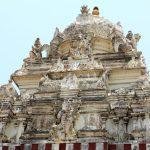
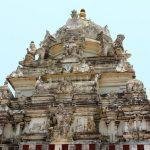
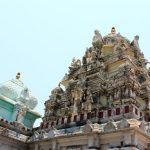
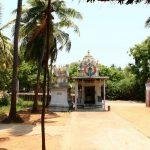
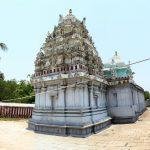
While exact inscriptions regarding the founding dynasty are still being deciphered by the Archaeological Survey of India (ASI), temple records suggest the main structures were commissioned during the late Vijayanagara era (approx. 16th–17th century). The layout strictly adheres to the Agamas, with a grand Rajagopuram welcoming pilgrims into a spacious Prakaram (courtyard).
The Sthala Purana (Local Legend)
The name Aadhi Kesava signifies the “Primordial” form of Vishnu. Local legends narrate that this site was once a dense forest of Lotus (Ambuja) flowers. Devi Lakshmi, the consort of Vishnu, is said to have worshipped the Lord here in the form of a vast lotus bloom. Hence, the Goddess is named Ambujavalli. It is also noted that priests of the famed Tirumala Tirupati Devasthanams trace their ancestral roots to this very village, attributing a sacred link to the Venkateswara temple.
Architectural Marvels
Dravidian Style & Vastu Shastra
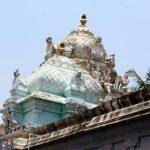
The temple exemplifies the Dravidian style of architecture. The Vastu layout is centered around the Garbhagriha (Sanctum Sanctorum) with a towering Raja Gopuram that signals the sacred axis.
Notable Sculptures and Features
Inside the Prakaram (corridor), visitors can observe unique artistic features:
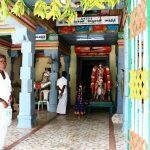
- The Zodiac Ceiling: The false ceiling is adorned with intricate paintings and carvings representing the 12 Rashis (Zodiac signs), allowing devotees to offer prayers to their specific celestial sign.
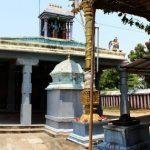
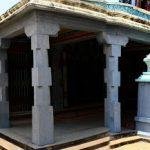
- Stone Sculptures: Distinctive carvings of the Tortoise, Snake, Monkey, and Elephant are embedded in the pillars, representing the harmony of nature (Pancha Bhoota) within the temple.
- Sanctum Architecture: The sanctum of Aadhi Kesava Perumal is large and features the Lord adorned with full-level decorations (Thirumalappachi), visible from the main door.
Adjacent to the temple is the Surya Theertham (temple tank), which is notably large and often full of water, reflecting the purity of the spiritual environment.
Darshan & Ritual Logistics
The temple follows the traditional Tamil Nadu Hindu Religious and Charitable Endowments (HR&CE) board schedule. The current timings for 2026 are as follows:
Daily Timings
| Pooja / Session | Timing |
|---|---|
| Morning Darshan | 06:00 AM – 12:00 PM |
| Mid-day Recess | 12:00 PM – 04:00 PM |
| Evening Darshan | 04:00 PM – 08:00 PM |
Key Sevas (Services)
While the temple complex is open year-round, specific Sevas can be booked. However, for Kadukkaloor, many bookings are currently handled directly at the temple counter or via the local administration.
- Thiruvaradhanam: Daily morning ritual (Direct entry).
- Abhishekam: Available on special days (Pournami/Amavasai).
Note: Online seva booking for this specific 400-year-old temple is currently limited via the official HR&CE portal; however, devotees can contact the Devasthanam directly using the numbers provided below. - Archana: Available for Ambujavalli Thayar and Aadhi Kesava Perumal.
2026 Festival Calendar
Mark your calendars for these major festivities in 2026:
- Pavitrothsavam: July 15–17, 2026
- Garuda Sevai (Aadi Festival): August 10, 2026 (Large chariot procession)
- Vaikuntha Ekadashi: January 3, 2026
- Brahmotsavam: December 5–12, 2026 (Chithirai month)
Practical Visitor Guidance
Dress Code & Etiquette
To maintain the sanctity of this heritage site, traditional attire is strictly encouraged. Men should wear dhotis or formal trousers with shirts; women should wear sarees, salwar kameez, or formal skirts. Western casual wear such as shorts and sleeveless tops is not permitted inside the inner sanctum.
Facilities
- Photography: Strictly prohibited inside the Sanctum Sanctorum. Allowed in the outer Prakaram for personal use.
- Mobile Lockers: There is a cloakroom facility near the entrance for storing footwear and bags. Electronic gadgets are discouraged during Darshan.
- Accessibility: The temple has stone steps at the entrance. Elders may request assistance from the temple staff for wheelchair access in the outer courtyard, though the inner sanctum is a narrow passage.
Crowd Management
The temple sees peak crowds during weekends and festival days.
Best time to visit: Tuesday and Friday mornings between 7:00 AM and 8:30 AM for a peaceful Darshan.
Seasonal Advice: During the humid months of May and June, carry a bottle of water and a hand fan. The temple tank is shaded and offers a cool breeze during evenings.
Pilgrimage Connectivity
How to Reach
By Road: The temple is located in Kadukkaloor village, accessible via the ECR (East Coast Road) connecting Chennai and Pondicherry.
- From Chennai: Drive 70 km along ECR. Take a left turn toward Kadukkaloor near Choonambedu (past the Midway restaurant).
- Public Transport: Buses heading to Pondicherry from Chennai (Koyambedu CBT) drop passengers at Kadappakkam (70 km from Chennai). From Kadappakkam, take an auto-rickshaw (approx. 10 km) to the temple.
By Rail: The nearest railway junction is Kanchipuram (20 km away) or Melmaruvathur.
By Air: Chennai International Airport (MAA) is the nearest airport, approximately 85 km away.
Nearby Sacred Sites
Enhance your pilgrimage circuit by visiting these nearby temples:
- Alamparai Fort & Temple: A historic site located just 5 km away, featuring a 17th-century fortress.
- Madurantakam Temple: Dedicated to Lord Rama (approx. 20 km away), famous for its large temple tank.
- Ashtalakshmi Temple, Kanchipuram: Located 25 km away, dedicated to the Goddess of Wealth.
Photo Gallery





Frequently Asked Questions (FAQs)
1. Is there a VIP Darshan entry at Aadhi Kesava Perumal Temple?
Yes, the temple management allows a ‘Special Darshan’ entry, particularly for senior citizens and differently-abled devotees. This queue is generally shorter than the general public queue. However, it is not a commercial VIP ticket system like Tirupati; it is based on necessity and seniority.
2. Can I book accommodation at the temple?
The temple does not have a dedicated rest house (Choultry) on-site for overnight stays. However, pilgrims can find lodges and guest houses in the nearby town of Kanchipuram (20 km away) or budget hotels along the ECR. It is recommended to book hotels in Kanchipuram in advance during festival seasons.
3. What is the historical significance of the name ‘Aadhi’ Kesava?
The term ‘Aadhi’ refers to the ‘First’ or ‘Original’ aspect. In this context, it signifies that the Lord is the primordial cause of the universe, predating even the Vedic rituals. It distinguishes this form from later consecrated Vishnu idols.
4. Is the temple accessible for disabled devotees?
While the sanctum has a high threshold (sill), the outer Prakaram and the Mandapa are spacious and flat. Staff members are generally helpful in assisting devotees in wheelchairs for a closer view of the deity. It is advisable to call ahead (+91 98653 14072) if specific assistance is required.
5. What are the best months to visit Kadukkaloor?
November to February offers the most pleasant weather. Avoid the peak summer months of April and May due to the lack of air conditioning inside the ancient stone corridors. The monsoon months (October–November) bring out the beauty of the temple tank but can be humid.
6. Is there a dress code for the temple tank (Surya Theertham)?
While the temple tank is accessible, ritual bathing is not mandatory for entry. If you wish to perform ritual cleansing in the tank, please bring a change of clothes. Bathing in the tank is not guarded, so it is done at the pilgrim’s own discretion.
Recent Posts

ओ सांवरे तूने ही मुझको संभाला – Lyrics & Meaning
ओ सांवरे तूने ही मुझको संभाला – A Prayer to Shyam Origin & Spiritual Essence Why This Bhajan Resonates Devotees chant this when overwhelmed by life’s storms—the refrain ‘तूने ही मुझको संभाला’ is the soul’s sigh of relief: “You…

कथा ये है महाराज मेरे की – Lyrics & Meaning
कथा ये है महाराज मेरे की छत्रपति संभाजी महाराज – A Prayer to Chhatrapati Sambhaji Maharaj Origin & Spiritual Essence Why This Bhajan Resonates Devotees chant this when their spirit feels tested—its powerful refrain “महाराज मेरे” is a soul’s…

Rigveda Samhita Yathartha Anuvada (ऋग्वेद संहिता यथार्थ अनुवाद) – Complete Set with Anvayartha & Hindi/English Translation
The Rigveda is the oldest surviving scripture of humanity and the foundational text of Sanātana Dharma. For serious students, scholars, UPSC aspirants studying ancient Indian history, Sanskrit learners, and spiritual seekers, a precise and grammatically structured translation is indispensable.…

आना भी अकेला है जाना भी अकेला है – Lyrics & Meaning | BharatTemples
आना भी अकेला है जाना भी अकेला है – A Prayer to the Divine Witness Origin & Spiritual Essence Why This Bhajan Resonates Devotees turn to this bhajan in moments of deep reflection—when life’s attachments begin to ache. The…

माता शेरावाली के द्वार जो भी जाता है – Lyrics & Meaning
माता शेरावाली के द्वार जो भी जाता है – A Prayer to Maa Sherawali Origin & Spiritual Essence Why This Bhajan Resonates Devotees turn to this bhajan in times of fear or uncertainty—its promise that no one leaves Maa’s…

मार लेना सपणी उबार लेणा भवरा – Lyrics & Meaning
मार लेना सपणी उबार लेणा भवरा – A Prayer to the Divine Beloved Origin & Spiritual Essence Why This Bhajan Resonates Devotees chant this in moments of deep vulnerability—its cry of “मार लेना सपणी, उबार लेणा भवरा” is the…

हमें श्याम सुंदर भरोसा तुम्हारा – Lyrics & Meaning
हमें श्याम सुंदर भरोसा तुम्हारा – A Prayer to Shyam Sundar Origin & Spiritual Essence Why This Bhajan Resonates Devotees chant this when feeling alone—its refrain ‘de do sahara’ is the soul’s cry for divine support. Lyrics in Hindi…

Mere Satguru Ne Di Thi Davai Lyrics in Hindi & Meaning
Mere Satguru Ne Di Thi Davai: Invoking the Guru’s Liberating Wisdom This soul-stirring bhajan venerates the Satguru (True Spiritual Master) as the divine physician who dispenses the only remedy for life’s deepest sufferings. Composed by Sant Karmaveer Tufani, it…

Janm Diyo Thari Maa Dukh Dekhiyo Lyrics in Hindi & Meaning
जन्म दियो थारी माँ दुख देखियो (Maa’s Grief Upon Birthing You) This soul-stirring Chetavani Bhajan (admonitory hymn) is addressed to the Divine Mother (Maa) – a call for repentance when children forget their filial duties in the dark age…
Bhadi Sabha Mein Thane Manaun Lyrics in Hindi & Meaning
Bhadi Sabha Mein Thane Manaun: Invoking the Spear-Wielding Mother Mata Bhawani (श्री ज्वाला भवानी), the fiery manifestation of Shakti worshipped as the Protector of Dharma in Her Dhaulagarh sanctum. Origin & Spiritual Essence Composed in Rajasthani folk tradition by…