
Contents
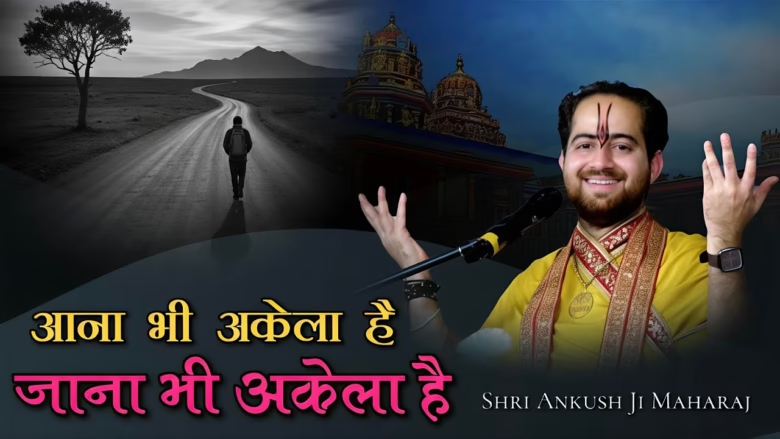
आना भी अकेला है जाना भी अकेला है – A Prayer to the Divine Witness
Origin & Spiritual Essence
- Composer/Tradition: This bhajan flows from the timeless oral tradition of the Divine Witness devotion.
- Phalaśruti: Sung to awaken detachment, soften the heart, and remind the soul of its true home beyond illusion.
Why This Bhajan Resonates
Devotees turn to this bhajan in moments of deep reflection—when life’s attachments begin to ache. The refrain “आना भी अकेला है, जाना भी अकेला है” is a mirror: it reveals how we arrive alone and depart alone, urging us to loosen our grip on माया and seek the One who never leaves.
Lyrics in Hindi (Devanagari)
प्राणी मोह में फंसा है,
चार दिन का मेला है,
आना भी अकेला है,
जाना भी अकेला है।।
कोड़ी कोड़ी माया जोड़ी,
इसका क्या ठिकाना है,
माटी का शरीर तेरा,
माटी हो जाना है,
मोह में फंसा है प्राणी,
चार दिन का मेला है,
आना भी अकेला हैं,
जाना भी अकेला है।।
जितना भी कमाया तूने,
यही रह जाएगा,
गाड़ी धन दौलत तेरे,
साथ नहीं जाएगा,
मोह में फंसा है प्राणी,
चार दिन का मेला है,
आना भी अकेला हैं,
जाना भी अकेला है।।
मोह में फंसा है प्राणी,
चार दिन का मेला है,
आना भी अकेला है,
जाना भी अकेला है।।
स्वर – श्री अंकुश जी महाराज।
प्रेषक – ओमप्रकाश पांचाल उज्जैन मध्य प्रदेश।
9926652202
Simple English Meaning (Bhava-Focused)
The soul is caught in the web of attachment. Life is just a brief fair—four fleeting days. We come alone, and we leave alone. This truth is gently repeated to awaken wisdom.
Every coin earned, every illusion built—where will it go? Nothing remains. The body is made of dust, and to dust it shall return. This reminder isn’t meant to sadden, but to free us from false ownership.
All the wealth, the riches, the grand carriages—we cannot take them with us. Only our karma and smarana (remembrance of God) accompany the soul. The bhajan lovingly urges us to invest in what truly lasts: devotion.
In the end, the refrain returns like a soft bell tolling at dusk: we arrive alone, we depart alone. But in between, we can choose to walk hand-in-hand with the Divine. That companionship transforms solitude into sacred stillness.
When & How to Chant
- Ideal time: Evening or during moments of introspection, especially during Shravan or Karthik months.
- Simple offerings: A pinch of raw sugar, a silent prayer, or lighting a mustard oil lamp.
- Repetition: Chant 11 times for clarity; 27 times to release attachment; 108 times with a mala for deep surrender.
Cultural Legacy
This bhajan is lovingly sung in homes and satsangs across India.
Devotees Ask (FAQs)
Yes. This bhajan isn’t about rejecting life, but seeing it clearly. Chant it to live with greater love and less greed.
To remind us that only the soul and God are constant. Relationships are sacred, but temporary. This truth helps us love without clinging.
It is often sung during last rites, but also in daily reflection. It’s not about death—it’s about living wisely.
Yes, in simple terms: life is short, be kind, and remember God. Share it as a gentle lullaby of truth.
By dissolving illusion, the heart turns naturally to the Eternal. Detachment fuels deeper devotion.
🎬 Watch This Bhajan
Recent Posts

माता शेरावाली के द्वार जो भी जाता है – Lyrics & Meaning
माता शेरावाली के द्वार जो भी जाता है – A Prayer to Maa Sherawali Origin & Spiritual Essence Why This Bhajan Resonates Devotees turn to this bhajan in times of fear or uncertainty—its promise that no one leaves Maa’s…

मार लेना सपणी उबार लेणा भवरा – Lyrics & Meaning
मार लेना सपणी उबार लेणा भवरा – A Prayer to the Divine Beloved Origin & Spiritual Essence Why This Bhajan Resonates Devotees chant this in moments of deep vulnerability—its cry of “मार लेना सपणी, उबार लेणा भवरा” is the…

हमें श्याम सुंदर भरोसा तुम्हारा – Lyrics & Meaning
हमें श्याम सुंदर भरोसा तुम्हारा – A Prayer to Shyam Sundar Origin & Spiritual Essence Why This Bhajan Resonates Devotees chant this when feeling alone—its refrain ‘de do sahara’ is the soul’s cry for divine support. Lyrics in Hindi…

Mere Satguru Ne Di Thi Davai Lyrics in Hindi & Meaning
Mere Satguru Ne Di Thi Davai: Invoking the Guru’s Liberating Wisdom This soul-stirring bhajan venerates the Satguru (True Spiritual Master) as the divine physician who dispenses the only remedy for life’s deepest sufferings. Composed by Sant Karmaveer Tufani, it…

Janm Diyo Thari Maa Dukh Dekhiyo Lyrics in Hindi & Meaning
जन्म दियो थारी माँ दुख देखियो (Maa’s Grief Upon Birthing You) This soul-stirring Chetavani Bhajan (admonitory hymn) is addressed to the Divine Mother (Maa) – a call for repentance when children forget their filial duties in the dark age…
Bhadi Sabha Mein Thane Manaun Lyrics in Hindi & Meaning
Bhadi Sabha Mein Thane Manaun: Invoking the Spear-Wielding Mother Mata Bhawani (श्री ज्वाला भवानी), the fiery manifestation of Shakti worshipped as the Protector of Dharma in Her Dhaulagarh sanctum. Origin & Spiritual Essence Composed in Rajasthani folk tradition by…
श्याम सुन्दरवा छोटे छोटे कनुवा Lyrics & Meaning
श्याम सुन्दरवा छोटे छोटे कनुवा (Shyam Sundarva Chhote Chhote Kanuva) is a heartfelt invocation to Lord Krishna in his most enchanting form—Shyam Sundar (the dark, beautiful one). This bhajan is a plea for the divine child Kanha to grace…
Maat Meri Chintapurni Lyrics in Hindi & Meaning
Maat Meri Chintapurni is a heartfelt devotional prayer dedicated to Maa Chintapurni, a form of the Divine Mother. She is revered as the remover of worries and the granter of wishes, especially venerated in the Himalayan region of Himachal…
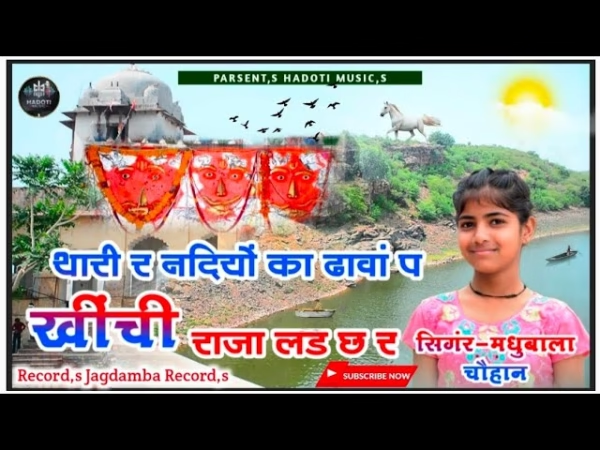
थारी रे नदियां का ढावा पे खीची राजा Lyrics & Meaning
खीची राजा का अद्भुत युद्ध: एक शौर्य गाथा यह भजन एक पौराणिक या ऐतिहासिक शूरवीर राजा की वीरता का वर्णन करता है, जो प्रायः गुजराती लोक संस्कृति में लोककथाओं का हिस्सा है। इसकी रचना दुर्गेश कटारा ने की है…
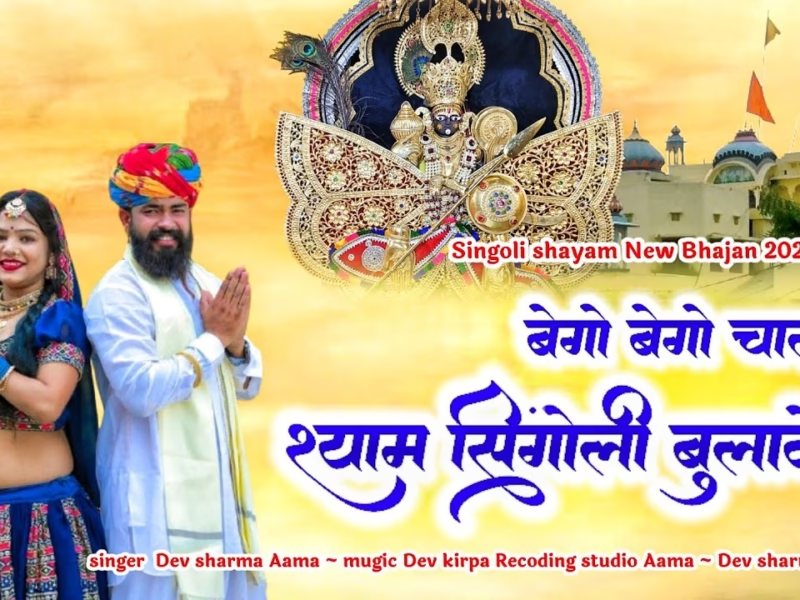
बेगो बेगो चाल श्याम सिंगोली बुलावे रे Lyrics in Hindi & Meaning
Bhajan Title & Deity This bhajan, बेगो बेगो चाल श्याम सिंगोली बुलावे रे, is dedicated to Lord Shyam, a revered form of Lord Krishna. Origin & Spiritual Essence The composer of this bhajan is not specified, but it is…