Ambalapuzha Sri Krishna Temple History and Darshan Timings: Definitive Guide
Receive daily temple updates, divine darshan, and morning bhajans directly on WhatsApp.
Contents
- 1 Introduction & Spiritual Essence
- 2 Historical Origins & Scriptural Legend
- 3 Architectural Marvels
- 4 Darshan & Ritual Logistics (2026 Schedule)
- 5 Practical Visitor Guidance
- 6 Pilgrimage Connectivity
Introduction & Spiritual Essence
Located in the serene backwaters of Alappuzha (Alleppey), the Ambalapuzha Sri Krishna Temple stands as a timeless beacon of devotion to Lord Vishnu. Known locally as the Mathura of Kerala, this sacred sanctuary is dedicated to Lord Krishna in the form of Parthasarathy—the charioteer of Arjuna in the epic Mahabharata. Unlike the typical depiction of the infant Krishna (Unnikrishnan), the primary deity here is a standing form with a whip in the right hand and a conch in the left, symbolizing the control of the material world and the call to spiritual duty.
Phalaśruti (Spiritual Benefits): Devotees believe that a visit to Ambalapuzha cleanses ancestral karma and bestows mental clarity. The temple is renowned for its ability to satisfy the most profound hunger—not just physical, but spiritual. The act of partaking in the temple’s famous offering is said to invoke the grace of Lord Guruvayurappan, removing obstacles and granting inner peace.
Historical Origins & Scriptural Legend
The Founding: The temple was constructed in the 17th century by the ruler of the Chembakasserry Kingdom, King Devanarayana. The architecture and rituals were established during this era, preserving the ancient Vedic traditions of Kerala.
The Legend of Tipu Sultan & Guruvayurappan: One of the most profound historical narratives associated with this temple is its role as a sanctuary. During the late 18th century, when Tipu Sultan threatened the sanctity of the Guruvayur Temple, the presiding deity of Guruvayur, Sri Guruvayurappan, was secretly moved to Ambalapuzha for safety. For a period of 12 years, this temple served as the dwelling place for that deity. Tradition holds that even today, Lord Guruvayurappan remains so captivated by the Palpayasam (milk pudding) offered here that He visits spiritually during the Naivedya (offering) times to relish it.
According to temple records: The deity of Lord Krishna at Ambalapuzha is considered a Swayambhu (self-manifested) form, radiating an aura of intense compassion and historical resilience.
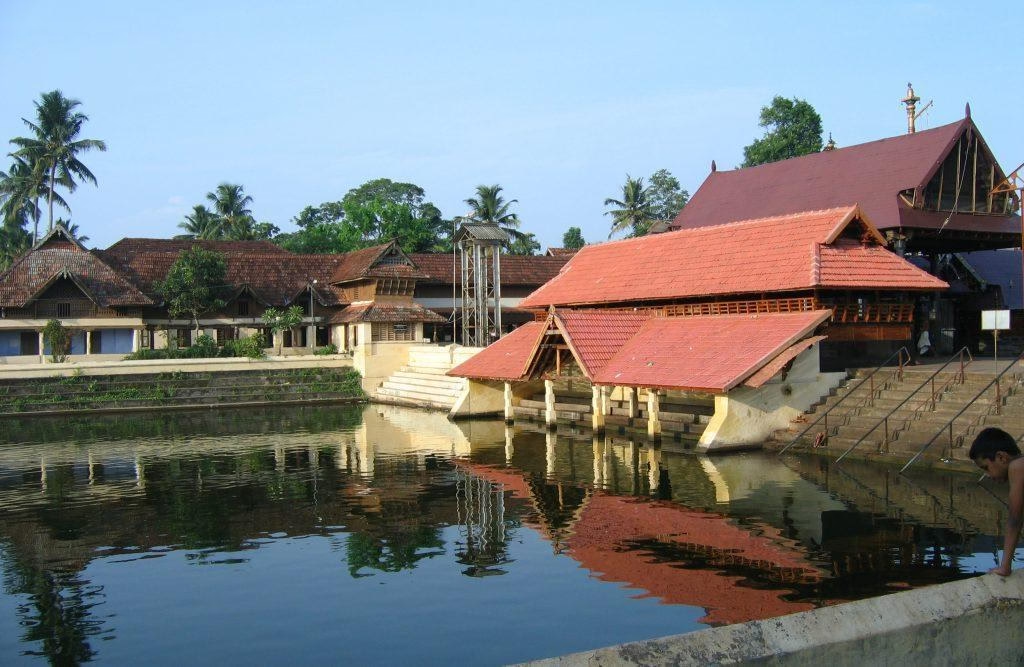
Ambalapuzha Sri Krishna Temple, Alapuzha, Kerala
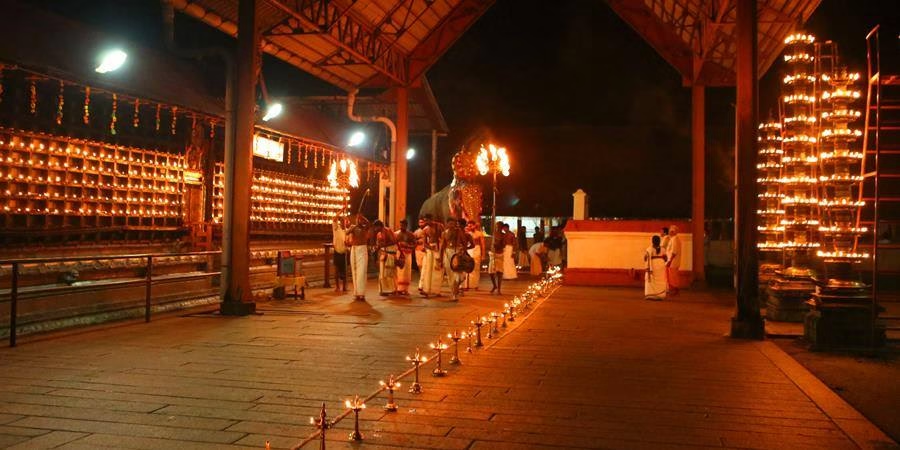
Ambalapuzha Sri Krishna Temple, Alapuzha, Kerala
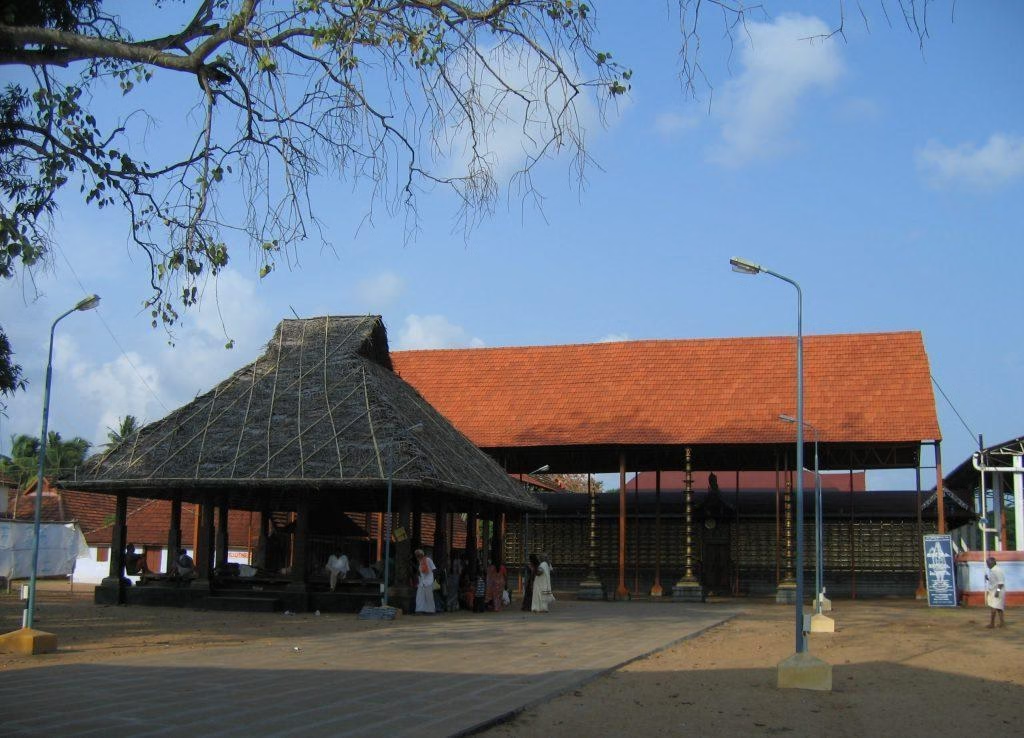
Ambalapuzha Sri Krishna Temple, Alapuzha, Kerala
Architectural Marvels
The temple is a quintessential example of traditional Kerala Temple Architecture (Vastu Shastra), distinct from the Nagara or Dravida styles found in mainland India.
📖 Related: Narration of the story of Rama (Chapter 31)
Key Architectural Elements:
- The Sreekovil (Sanctum): Designed with a circular base and conical roof, typical of Kerala style, ensuring the sanctity of the inner sanctum remains undisturbed by external elements.
- The Mandapas: The temple features spacious Nalambalam (corridors) and a Natya Mandapam (dance hall) where classical art forms like Koothu and Koodiyattam are performed during festivals.
- The Gopuram: Unlike the towering gateways of Tamil Nadu, the Gopuram here is more subdued, focusing on the aesthetic harmony with the surrounding lush greenery and water bodies.
- Sculptures: The wooden carvings and stone sculptures depict scenes from the Puranas, with a special focus on the playful and benevolent aspects of Lord Krishna.
Darshan & Ritual Logistics (2026 Schedule)
The temple follows the strict Muranti (cleaning) rituals common in Kerala. It is essential to note that the temple closes for a brief period during the midday heat.
Daily Timings
| Session | Timings |
|---|---|
| Morning Darshan | 5:30 AM – 12:00 PM |
| Afternoon Closure | 12:00 PM – 4:00 PM |
| Evening Darshan | 4:00 PM – 8:30 PM |
Key Sevas and Offerings
- Palpayasam: The legendary milk rice pudding. It can be offered to the deity and purchased from the temple counter for devotees.
- Archana: Recitation of the holy names of the Lord. Can be performed on behalf of the family.
- Unniyappam Offering: A sweet delicacy offered during the evening prayer.
Online Seva Booking: While the temple largely functions on traditional protocols, administrative updates and festival bookings are managed via the Kerala Tourism Devaswom Board portal. For 2026, visitors are advised to register for special Sevas at least 48 hours in advance during festival seasons.
📖 Related: Yajnavalkya Upanishad
2026 Festival Dates
- Champakulam Moolam: June 24, 2026 (Major boat race festival associated with the temple).
- Sree Krishna Jayanthi: September 14, 2026 (Elaborate processions and cultural programs).
- Annual Festival (Utsavam): December 25, 2026 – January 4, 2027.
Practical Visitor Guidance
To ensure a respectful and smooth darshan experience, adhere to the following guidelines:
- Dress Code: Traditional attire is mandatory. Men must wear Mundu or dhoti (no pants/shorts). Women should wear sarees, sets, or full-length traditional skirts and blouses.
- Photography & Mobiles: Photography is strictly prohibited inside the sanctum sanctorum. Mobile phones must be switched off or kept in silent mode. Lockers are available near the entrance to store electronic devices.
- Crowd Management:
- Best Time to Visit: Weekday mornings between 6:00 AM and 8:00 AM.
- Seasonal Advice: Alappuzha experiences heavy monsoons in July and August. Carry a sturdy umbrella and raincoat. In May, the humidity is high; carry water and wear light cotton clothes.
- Accessibility: The temple complex is generally flat, but there are steps leading to the Sreekovil. Volunteers are available to assist elderly devotees.
Pilgrimage Connectivity
The temple is strategically located in the heart of Alappuzha, making it accessible via all major modes of transport.
How to Reach
- By Air: The nearest airport is Cochin International Airport (COK), approximately 80 km away. From there, hire a taxi to Alappuzha (approx. 2 hours).
- By Rail: The Alappuzha Railway Station is the closest railhead, located just 3 km from the temple. Auto-rickshaws are readily available.
- By Road: The temple is situated on the NH 66 (formerly NH 47). It connects directly to Thiruvananthapuram and Kochi. The internal road connects to the Alappuzha – Changanassery State Highway.
📖 Related: Dattatreya Upanishad
Nearby Sacred Sites
Extend your pilgrimage circuit with these nearby destinations:
- Krishnapuram Palace: Located 5 km away, famous for the Gajendra Moksham mural painting.
- Mannarasala Sree Nagaraja Temple: A 30 km drive, this is the premier serpent shrine in Kerala.
- Karunakapuram Sree Krishna Temple: A historic temple 15 km away, adding to the regional spiritual significance.
Frequently Asked Questions (FAQ)
1. Is there a VIP darshan entry available?
Yes, the temple facilitates a quick darshan for elderly devotees and those with physical disabilities. While there isn’t a commercialized VIP ticket system like in Tirupati, a donation receipt (cash or online) for specific Sevas often allows for easier access during peak hours.
2. Can I carry outside food inside the temple?
No. Outside food and water bottles are not permitted inside the temple complex. However, the temple canteen serves vegetarian meals and the famous Palpayasam.
3. What is the significance of the whip in Lord Krishna’s hand?
As Parthasarathy, Lord Krishna holds the whip to drive the chariot of Arjuna. In this specific iconography, it represents the driving away of ignorance (Antha karma) and the impetus to move forward in the path of Dharma.
4. Are credit cards accepted for offerings?
The temple administration is modernizing. Cash is preferred for small donations, but the official counter for purchasing Prasadam and large Seva bookings generally accepts UPI and credit/debit cards.
5. What is the history of the temple’s mural paintings?
The temple houses a rich collection of Kerala murals, primarily depicting the Harivamsham and scenes from the life of Krishna. These were restored in the 19th century and are considered masterpieces of Vedic art.