
Contents
Introduction & Spiritual Essence: The Eternal Lord of Kanchipuram
Anadhi Rushreswarar Temple, nestled in the ancient holy city of Kanchipuram, stands as a profound testament to the eternal nature of Lord Shiva. As the presiding deity, Anadhi Rushreswarar (meaning “The Lord who is without beginning”), the temple embodies the concept of Anadi—the timeless aspect of the Divine. In the vibrant spiritual tapestry of Tamil Nadu, where Shiva is revered as the Supreme Consciousness, this temple offers a sanctuary for devotees seeking liberation from the cycle of time and karma.
Phalaśruti: Why Devotees Visit
Devotees flock to Anadhi Rushreswarar Temple primarily to perform rites for ancestral peace and to remove obstacles caused by planetary afflictions. The temple is particularly renowned for:
- Cleansing Ancestral Karma: Performing rituals here is believed to liberate ancestors from Pitru Dosha (ancestral curses).
- Overcoming Time-Related Anxiety: As the “Lord of the Beginningless,” worshipping here grants mental clarity and removes the fear of the unknown future.
- Marital Harmony: Couples visit to seek blessings for a long and united life, mirroring the eternal union of Shiva and Parvati.
Historical Origins & Scriptural Legend
While the exact date of construction remains elusive in modern records, the architectural style firmly places the Anadhi Rushreswarar Temple in the era of the Pallava Dynasty (6th–9th centuries CE), who were the patrons of Kanchipuram’s spiritual and architectural grandeur. Later contributions by the Chola and Vijayanagara rulers are evident in the temple’s vimana and mandapa structures.
Scriptural References & Sthala Purana
According to local tradition and temple records, Kanchipuram is one of the Pancha Bhoota Stalas (Five Element Shiva Temples), representing the element of Prithvi (Earth). While the Ekambareswarar Temple is the primary representative of Earth, the Anadhi Rushreswarar Temple is deeply connected to the Varaha Purana, which extols the glory of Kanchipuram’s countless shrines.
Local Legend: Tradition holds that this specific shrine was established by a sage who realized the “Beginningless” nature of Shiva while meditating on the banks of the Vegavathi River. It is said that Lord Brahma worshipped Anadhi Rushreswarar here to understand the origin of creation.
Architectural Marvels
The temple is a classic example of Dravidian Architecture, characterized by its stepped pyramid towers (Vimana) and spacious courtyards.
- Vimana (Shikhara): The sanctum sanctorum (Garbhagriha) features a Dravidian-style Vimana with tiered projections. The stupi (finial) atop the tower is typically bronze or gold-plated, catching the sunlight and signifying the radiance of the Divine.
- Mandapas: The temple features a pillared Mandapa (hall) with intricately carved columns. These pillars often depict scenes from Hindu epics and mythical beasts (Yali), showcasing the finesse of Pallava artistry.
- Sculptures: The outer walls feature niches housing various deities. The Somaskanda panel (Shiva, Parvati, and Skanda) is a notable feature in the inner sanctum, aligning with the temple’s focus on the cosmic family.
Darshan & Ritual Logistics
To ensure a seamless spiritual experience, devotees can plan their visit based on the daily schedule. Below are the standard timings; however, it is advisable to confirm locally during festivals.
| Session | Timing | Activity |
|---|---|---|
| Morning | 6:00 AM – 12:00 PM | Abhishekam, Morning Darshan |
| Afternoon | 12:00 PM – 4:00 PM | Temple Closure (Rest Period) |
| Evening | 4:00 PM – 8:30 PM | Deeparadhana, Evening Darshan |
Key Sevas & Online Booking
Devotees can book specific rituals to enhance their spiritual merit. For the year 2026, the following Sevas are recommended:
- Abhishekam (Sacred Bathing): Performed with milk, honey, and sandalwood paste. Ideal for health and purification.
- Archana (Flower Offering): A personalized prayer chanting the deity’s 108 names.
- Kalabhairava Homam: Specifically performed to remove fear and legal obstacles.
Online Booking: While physical tickets are available at the temple counter, devotees are encouraged to use the Tamil Nadu Temple Online Portal (often integrated with the HRCE department) for advance booking.
2026 Major Festival Dates
- Shivratri: February 26, 2026 (Night-long vigil and special Abhishekam).
- Pradosham: 14th and 29th March, 2026 (Twilight worship dedicated to Nataraja).
- Aadi Perukku: July 29, 2026 (Celebrating the Vegavathi River).
- Karthigai Deepam: November 14, 2026 (Lighting of the Sacred Lamp).
Practical Visitor Guidance
To maintain the sanctity of the temple and ensure a safe visit, please adhere to the following guidelines:
- Dress Code: Traditional attire is mandatory. Men should wear Dhoti or trousers with a shirt; women should wear Saree, Salwar Kameez, or long skirts. Shorts and sleeveless tops are strictly prohibited.
- Photography: Photography is strictly prohibited inside the Garbhagriha (sanctum). Permission is required from temple authorities for photography in the outer courtyards.
- Mobile Lockers: Small electronic devices (phones/watches) may need to be deposited at the counter before entering the inner sanctum. Bags are subject to security checks.
- Accessibility: The temple complex involves walking on stone floors. Wheelchair access is limited to the outer mandapas; the sanctum is accessible via a small flight of steps.
Crowd Management & Seasonal Advice
Kanchipuram experiences heavy footfall during weekends and festival days.
- Best Hours: Weekday mornings between 7:00 AM and 9:00 AM offer the quietest darshan experience.
- Seasonal Tips:
- Summer (May–June): Temperatures soar above 40°C. Carry a water bottle and an umbrella. Cool apricot (Kura) or sugarcane juice is available nearby.
- Monsoon (October–November): Carry a raincoat. The temple courtyard can become slippery.
Pilgrimage Connectivity
Anadhi Rushreswarar Temple is located within Kanchipuram town, making it highly accessible.
How to Reach
- By Air: The nearest airport is Chennai International Airport (MAA), approximately 70 km away. From there, take a taxi or bus via NH 48.
- By Rail: Kanchipuram Railway Station is the closest stop. It connects to Chennai Egmore via the suburban network.
- By Road: Located off the Grand Southern Trunk Road (NH 48). Buses are frequent from Chennai CBT (Covai Bus Terminal) and Tirupathi.
Nearby Sacred Sites (Pilgrimage Circuit)
Kanchipuram is known as the “City of Temples.” Combine your visit to Anadhi Rushreswarar with these nearby shrines:
- Ekambareswarar Temple: The largest temple in Kanchipuram, dedicated to Shiva as the Lord of the Earth (approx. 2 km away).
- Kamakshi Amman Temple: A vital Shakti Peetham dedicated to Goddess Parvati (approx. 1.5 km away).
- Varadaraja Perumal Temple: A magnificent Vishnu temple showcasing the fusion of Pallava and Chola styles (approx. 3 km away).
Frequently Asked Questions (FAQ)
1. Is there a VIP Darshan entry available?
Yes, the temple administration offers a “Special Darshan” ticket (usually priced nominally) which allows devotees to bypass the general queue during peak hours. This can be purchased at the temple counter upon arrival.
2. Can I perform rituals for my ancestors here?
Absolutely. Anadhi Rushreswarar Temple is considered potent for Tharpanam (ancestor rituals). It is best performed on Amavasya (New Moon) days or during the Mahalaya period in October.
3. Are there accommodation facilities near the temple?
Kanchipuram offers numerous Dharamshalas (pilgrim rest houses) and hotels. For budget stays, the Tamil Nadu Tourism Development Corporation (TTDC) lodge is a reliable option. Advanced booking is recommended during festivals.
4. What is the best time to visit Kanchipuram weather-wise?
The ideal time to visit is between October and March. The weather is pleasant, making it comfortable to walk between the multiple temples in the complex.
5. Is non-vegetarian food allowed inside the temple premises?
No. The temple follows strict vegetarian customs. Consuming non-vegetarian food or alcohol inside the temple premises is strictly forbidden. However, the city of Kanchipuram is famous for its vegetarian cuisine (Kanchipuram Idli), available nearby.
Photo Gallery
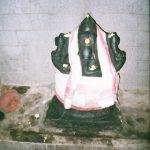
Visuals of the Dravidian architecture and the serene sanctum.


Recent Posts

Mere Satguru Ne Di Thi Davai Lyrics in Hindi & Meaning
Mere Satguru Ne Di Thi Davai: Invoking the Guru’s Liberating Wisdom This soul-stirring bhajan venerates the Satguru (True Spiritual Master) as the divine physician who dispenses the only remedy for life’s deepest sufferings. Composed by Sant Karmaveer Tufani, it…

Janm Diyo Thari Maa Dukh Dekhiyo Lyrics in Hindi & Meaning
जन्म दियो थारी माँ दुख देखियो (Maa’s Grief Upon Birthing You) This soul-stirring Chetavani Bhajan (admonitory hymn) is addressed to the Divine Mother (Maa) – a call for repentance when children forget their filial duties in the dark age…
Bhadi Sabha Mein Thane Manaun Lyrics in Hindi & Meaning
Bhadi Sabha Mein Thane Manaun: Invoking the Spear-Wielding Mother Mata Bhawani (श्री ज्वाला भवानी), the fiery manifestation of Shakti worshipped as the Protector of Dharma in Her Dhaulagarh sanctum. Origin & Spiritual Essence Composed in Rajasthani folk tradition by…
श्याम सुन्दरवा छोटे छोटे कनुवा Lyrics & Meaning
श्याम सुन्दरवा छोटे छोटे कनुवा (Shyam Sundarva Chhote Chhote Kanuva) is a heartfelt invocation to Lord Krishna in his most enchanting form—Shyam Sundar (the dark, beautiful one). This bhajan is a plea for the divine child Kanha to grace…
Maat Meri Chintapurni Lyrics in Hindi & Meaning
Maat Meri Chintapurni is a heartfelt devotional prayer dedicated to Maa Chintapurni, a form of the Divine Mother. She is revered as the remover of worries and the granter of wishes, especially venerated in the Himalayan region of Himachal…
थारी रे नदियां का ढावा पे खीची राजा Lyrics & Meaning
खीची राजा का अद्भुत युद्ध: एक शौर्य गाथा यह भजन एक पौराणिक या ऐतिहासिक शूरवीर राजा की वीरता का वर्णन करता है, जो प्रायः गुजराती लोक संस्कृति में लोककथाओं का हिस्सा है। इसकी रचना दुर्गेश कटारा ने की है…
बेगो बेगो चाल श्याम सिंगोली बुलावे रे Lyrics in Hindi & Meaning
Bhajan Title & Deity This bhajan, बेगो बेगो चाल श्याम सिंगोली बुलावे रे, is dedicated to Lord Shyam, a revered form of Lord Krishna. Origin & Spiritual Essence The composer of this bhajan is not specified, but it is…
सिंगोली रा श्याम पधारो Lyrics in Hindi & Meaning
सिंगोली रा श्याम पधारो Bhajan & Deity This sacred bhajan, सिंगोली रा श्याम पधारो, is dedicated to Lord Shyam, a revered deity in the Hindu tradition. The composer of this bhajan is Dev Sharma Aama. Origin & Spiritual Significance…

हंसकर पार्वती शिव जी ने वचन सुनावती जी Lyrics in Hindi & Meaning
हंसकर पार्वती शिव जी ने वचन सुनावती जी – A Devotional Bhajan Origin & Spiritual Significance This beautiful bhajan, हंसकर पार्वती शिव जी ने वचन सुनावती जी, is a heartfelt devotion to Lord Shiva and Goddess Parvati, embodying the…

ज्ञान सतगुरु समझायो ए Lyrics in Hindi & Meaning
This bhajan, ज्ञान सतगुरु समझायो ए, is dedicated to the revered deity, Shyam, and is a testament to the transformative power of spiritual guidance. The composer of this bhajan is unknown, but it is deeply rooted in the Rajasthani…