

Contents
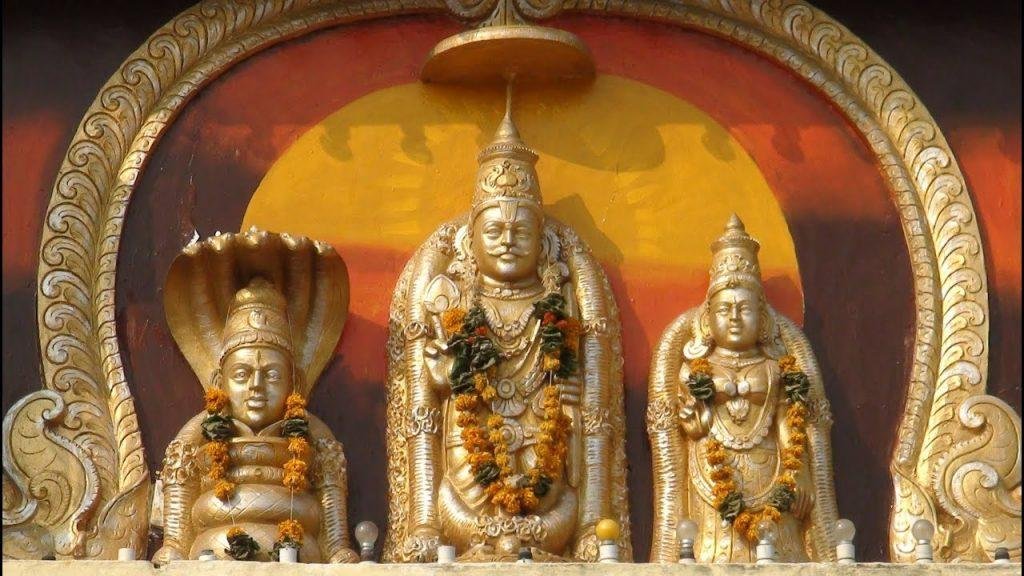
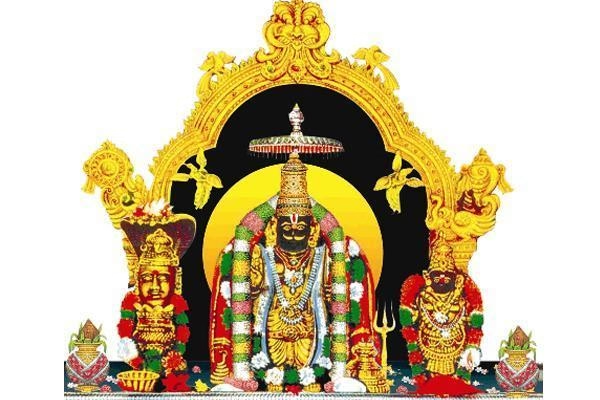
Nestled atop the sacred hill of Ratnagiri in the East Godavari district of Andhra Pradesh, the Annavaram Satyanarayana Temple stands as a beacon of devotion and spiritual fulfillment. This temple is dedicated to Veera Venkata Satyanarayana Swamy, a specific and powerful manifestation of Lord Vishnu (Maha Vishnu). Unlike traditional murtis, the deity here is worshipped in a unique form encompassing the trimurtis: Lord Vishnu occupies the central sanctum, Lord Brahma is seated on a lotus emerging from Vishnu’s navel, and Lord Shiva is placed atop Vishnu’s head, symbolizing the unity of the divine trinity.
The very name “Annavaram” translates to “the bestower of food and prosperity,” and the temple is renowned globally for its association with the Satyanarayana Vratam. Devotees undertake this ritual to cleanse ancestral karma and invite auspiciousness into their lives. It is believed that offering prayers here ensures the removal of sins, granting of longevity (Ayush), and the fulfillment of righteous desires (Manokamana). The Phalaśruti (spiritual benefits) of visiting this temple includes the attainment of wealth, health, and ultimate liberation (Moksha).
Historical Origins & Scriptural Legend
The Legend of Ratnagiri
According to the Sthala Purana (local legend), the divine sage Narada visited Lord Vishnu in Vaikuntham and questioned the hierarchy of the deities. To resolve the cosmic conflict, Lord Vishnu revealed his true form as the protector of the universe, manifesting at this very hill. The hill itself is named Ratnagiri (Jewel Hill) because it is said to resemble a gem, and the village at its base was named Annavaram by the local populace to signify the divine grace of nourishment.
Historical Timeline
While the spiritual roots are ancient, the current temple structure has a significant historical footprint. According to temple records, the temple was significantly developed and consolidated during the Raja of Padmanabham era in the late 19th century. The family of the Zamindars of Annavaram played a pivotal role in the maintenance and religious administration of the temple. The temple trust was formally established in 1957 to manage the massive influx of pilgrims, transforming it into a “Dharmic Station” for the devotees traveling through Andhra Pradesh.
Architectural Marvels
The temple is a masterpiece of Dravidian architecture, reflecting the grandeur of the Vijayanagara and subsequent Nayaka architectural styles. The Vastu Shastra principles governing the layout ensure a flow of positive energy from the base of the hill to the sanctum sanctorum.
Structural Highlights
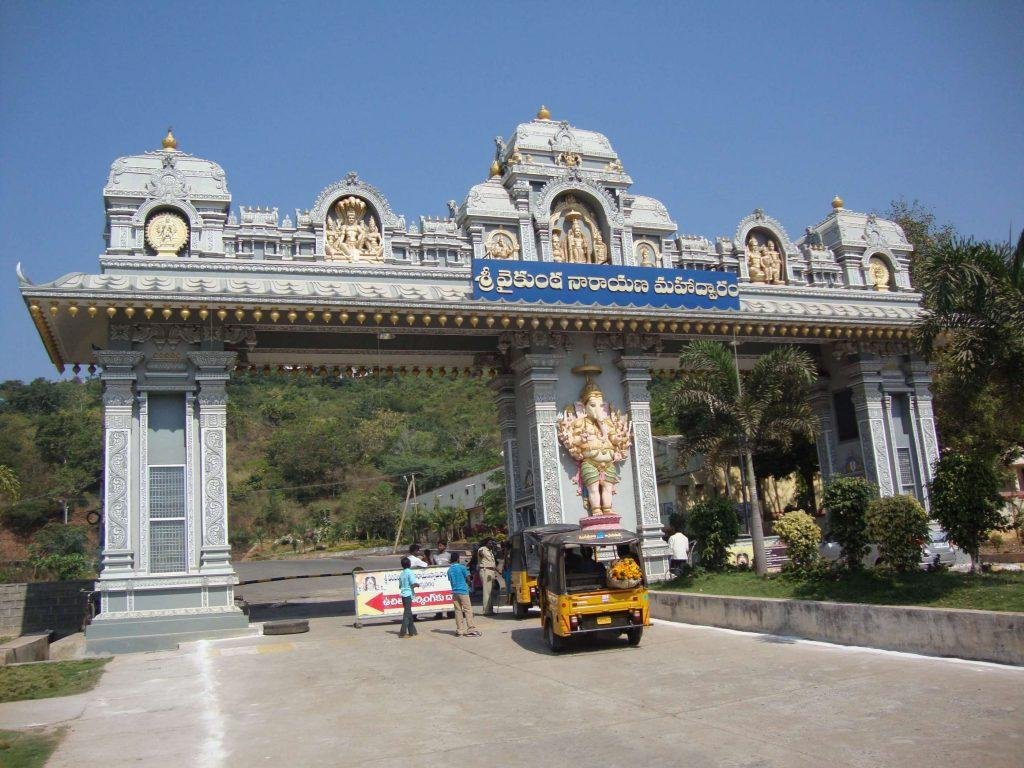
- The Shikhara (Dome): The main temple dome is adorned with intricate carvings and gold plating, visible from miles away. The towering Gopuram (gateway tower) marks the entrance to the temple complex.
- Mandapas: The temple features spacious pillared halls (Mandapas) with exquisite sculptures depicting scenes from the Ramayana and Mahabharata, as well as floral motifs and divine figures.
- The Sanctum: The inner sanctum (Garbhagriha) is designed to allow a circular path (Pradakshina) for devotees, facilitating a complete circumambulation of the deity.
Heritage Status: While not a UNESCO World Heritage site, the temple is maintained under the auspices of the Tirumala Tirupati Devasthanams (TTD) supervision and the local temple trust, ensuring the preservation of its architectural integrity.
Darshan & Ritual Logistics (2026)
Planning your visit requires adherence to the temple’s strict schedule to ensure a serene experience. As of 2026, the temple has streamlined digital bookings for all major rituals.
Daily Timings
| Session | Timings | Activity |
|---|---|---|
| Morning | 5:30 AM – 12:00 PM | Morning Suprabhatam, Abhishekam, and General Darshan |
| Afternoon | 12:00 PM – 4:00 PM | Temple remains closed (Sanctum Sanctorum) |
| Evening | 4:00 PM – 8:30 PM | Evening Darshan, Naivedyam, and Ekantha Seva |
Key Sevas and 2026 Festivals
Online Seva Booking: Pilgrims are encouraged to book Seva, Accommodation, and Special Entry Darshan via the official TTD portal or the temple trust website to avoid queues.
- Satyanarayana Vratam: This is the primary ritual. It is performed every full moon (Pournami) and on auspicious days like Ekadashi.
- Abhishekam: Performed daily in the morning hours. Booking in advance is mandatory for this ritual.
- Archana: Can be performed by individuals or families at any time during darshan hours.
Major Festivals in 2026
Visiting during these festivals offers a heightened spiritual atmosphere:
- Ugadi (Telugu New Year): March 28, 2026 – Special Alankaram and Vedic recitations.
- Sri Rama Navami: April 6, 2026 – Grand procession of Lord Rama.
- Annual Brahmotsavam: July 2026 (Dates subject to Telugu Calendar) – The most important festival lasting 7 days, featuring the Rathotsavam (Chariot procession).
- Vyasa Pournami: July 13, 2026 – Dedicated to the sage Vyasa, involving special Vratams.
- Vijaya Dashami (Dussehra): October 1, 2026.
- Karthika Pournami: November 15, 2026 – Thousands of lamps are lit in the temple premises.
Practical Visitor Guidance
Code of Conduct & Essentials
- Dress Code: Traditional attire is mandatory. Men should wear dhotis or trousers with shirts; women should wear sarees, half-sarees, or salwar kameez. Western wear is prohibited inside the sanctum.
- Photography: Strictly prohibited inside the main sanctum and the inner circumambulatory path. Photography is allowed in the outer courtyards and Mandapas.
- Mobile Lockers: Free mobile and belongings deposit facilities are available at the entrance. Electronic items are not permitted inside the inner temple premises.
- Accessibility: The temple has ramp access for wheelchairs up to the first level, but the inner sanctum involves stairs. Annavaram town is generally flat, but the hill climb requires assistance for differently-abled pilgrims.
Crowd Management & Seasonal Advice
To ensure a peaceful darshan:
- Best Hours: The least crowded times are immediately after opening (5:30 AM) and during the afternoon closure period (outside the temple), or late evening (after 7:00 PM).
- Summer (May – June): Temperatures in East Godavari can exceed 40°C. Carry a water bottle, wear a hat, and use the free water kiosks provided by the trust.
- Monsoon (July – September): The region receives heavy rainfall. Carry an umbrella or raincoat. The hill paths can be slippery; use the handrails.
Pilgrimage Connectivity
Annavaram is strategically located on the NH-16 (formerly NH-5), connecting Kolkata to Chennai, making it highly accessible.
- By Air: The nearest airport is Visakhapatnam International Airport (VTZ), approximately 100 km away (a 2.5-hour drive). Rajahmundry Airport is also an option (approx. 65 km).
- By Rail: Annavaram has its own railway station, which is well-connected to major cities like Vijayawada, Visakhapatnam, and Hyderabad. Major express trains halt here.
- By Road: APSRTC runs frequent bus services from major hubs like Kakinada, Rajahmundry, and Vijayawada. Private taxis are available from the railway station to the hill base.
Nearby Sacred Sites (Pilgrimage Circuit)
Enhance your spiritual journey by visiting these nearby temples:
- Draksharama: Located about 25 km away, this is one of the five Pancharama Kshetras dedicated to Lord Shiva (Bhimeswara Swamy).
- Pithapuram: Famous for the Sri Kukkuteswara Swamy Temple (also a Pancharama) and the Madhava Gaudiya Math.
- Samarlakota: Home to the Yedupulala Temple and another significant Pancharama site, Ksheerarama (Ksheerarama Swamy Temple).
Frequently Asked Questions (FAQ)
Yes, the temple trust offers a Special Entry Darshan (Seegra Darshan) for a nominal fee. This allows pilgrims to bypass the general queue. Tickets can be booked online or at the counter near the temple entrance. Special arrangements are also made for senior citizens and physically challenged devotees.
The hill is named Ratnagiri because it is believed to be shaped like a precious gem emerging from the sea. Historically, it is also associated with the legendary gem ‘Syamantaka’ mentioned in the Srimad Bhagavatam, which Lord Krishna retrieved.
While the Vratam can be performed any day, Pournami (Full Moon) is the most auspicious day for this ritual. During Pournami, the temple conducts mass Vratams where devotees can register and participate in the collective prayers led by Vedic priests.
Yes, the Annavaram Temple Trust manages choultries and guest houses at the foothills and on the hill. They offer rooms ranging from dormitories to suites. Booking is available online via the official TTD or temple website. Private hotels are also available in Annavaram town.
No, the temple follows a strict schedule. The inner sanctum is closed in the afternoon (12:00 PM to 4:00 PM) for ritual cleaning and deity rest. The outer premises remain open, but main darshan is restricted to the listed timings.
Disclaimer: Temple timings and festival dates are subject to change based on the Telugu Panchangam and local administrative guidelines. Please verify specific dates for 2026 closer to your travel time.
Photo Gallery
Contact Details
Address: Annavaram Town Rd, East Godavari District, Annavaram, Andhra Pradesh 533406
Phone: 08519813124
Recent Posts

आना भी अकेला है जाना भी अकेला है – Lyrics & Meaning | BharatTemples
आना भी अकेला है जाना भी अकेला है – A Prayer to the Divine Witness Origin & Spiritual Essence Why This Bhajan Resonates Devotees turn to this bhajan in moments of deep reflection—when life’s attachments begin to ache. The…

माता शेरावाली के द्वार जो भी जाता है – Lyrics & Meaning
माता शेरावाली के द्वार जो भी जाता है – A Prayer to Maa Sherawali Origin & Spiritual Essence Why This Bhajan Resonates Devotees turn to this bhajan in times of fear or uncertainty—its promise that no one leaves Maa’s…

मार लेना सपणी उबार लेणा भवरा – Lyrics & Meaning
मार लेना सपणी उबार लेणा भवरा – A Prayer to the Divine Beloved Origin & Spiritual Essence Why This Bhajan Resonates Devotees chant this in moments of deep vulnerability—its cry of “मार लेना सपणी, उबार लेणा भवरा” is the…

हमें श्याम सुंदर भरोसा तुम्हारा – Lyrics & Meaning
हमें श्याम सुंदर भरोसा तुम्हारा – A Prayer to Shyam Sundar Origin & Spiritual Essence Why This Bhajan Resonates Devotees chant this when feeling alone—its refrain ‘de do sahara’ is the soul’s cry for divine support. Lyrics in Hindi…

Mere Satguru Ne Di Thi Davai Lyrics in Hindi & Meaning
Mere Satguru Ne Di Thi Davai: Invoking the Guru’s Liberating Wisdom This soul-stirring bhajan venerates the Satguru (True Spiritual Master) as the divine physician who dispenses the only remedy for life’s deepest sufferings. Composed by Sant Karmaveer Tufani, it…

Janm Diyo Thari Maa Dukh Dekhiyo Lyrics in Hindi & Meaning
जन्म दियो थारी माँ दुख देखियो (Maa’s Grief Upon Birthing You) This soul-stirring Chetavani Bhajan (admonitory hymn) is addressed to the Divine Mother (Maa) – a call for repentance when children forget their filial duties in the dark age…
Bhadi Sabha Mein Thane Manaun Lyrics in Hindi & Meaning
Bhadi Sabha Mein Thane Manaun: Invoking the Spear-Wielding Mother Mata Bhawani (श्री ज्वाला भवानी), the fiery manifestation of Shakti worshipped as the Protector of Dharma in Her Dhaulagarh sanctum. Origin & Spiritual Essence Composed in Rajasthani folk tradition by…
श्याम सुन्दरवा छोटे छोटे कनुवा Lyrics & Meaning
श्याम सुन्दरवा छोटे छोटे कनुवा (Shyam Sundarva Chhote Chhote Kanuva) is a heartfelt invocation to Lord Krishna in his most enchanting form—Shyam Sundar (the dark, beautiful one). This bhajan is a plea for the divine child Kanha to grace…
Maat Meri Chintapurni Lyrics in Hindi & Meaning
Maat Meri Chintapurni is a heartfelt devotional prayer dedicated to Maa Chintapurni, a form of the Divine Mother. She is revered as the remover of worries and the granter of wishes, especially venerated in the Himalayan region of Himachal…
थारी रे नदियां का ढावा पे खीची राजा Lyrics & Meaning
खीची राजा का अद्भुत युद्ध: एक शौर्य गाथा यह भजन एक पौराणिक या ऐतिहासिक शूरवीर राजा की वीरता का वर्णन करता है, जो प्रायः गुजराती लोक संस्कृति में लोककथाओं का हिस्सा है। इसकी रचना दुर्गेश कटारा ने की है…