
Contents
Introduction & Spiritual Essence
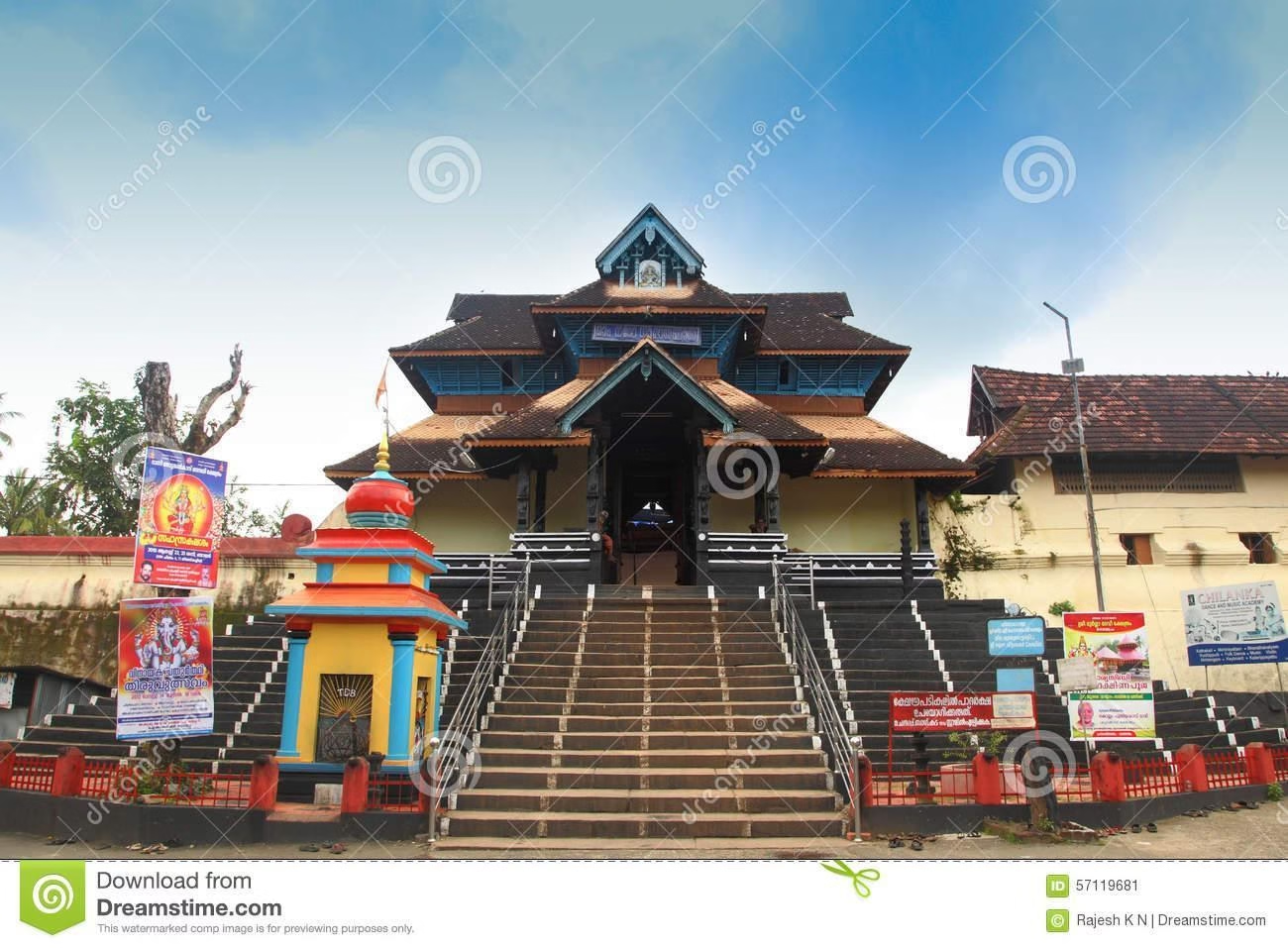
The Aranmula Parthasarathy Temple stands as one of the holiest Divya Desams (108 abodes of Vishnu) in Kerala, revered by the Azhwar saints. While the presiding deity is Vishnu, he is worshipped here in the form of Parthasarathy—meaning “The Charioteer of Arjuna”—referring to Lord Krishna’s role in the epic Mahabharata. Locally, this form is also known as Kannadi Arjuna (Mirror-clad Arjuna).
Phalaśruti (Spiritual Benefits): Devotees visit this temple seeking blessings for spiritual strength and the removal of ancestral karma. According to tradition, performing the Annaprashana (first feeding ceremony for infants) here ensures a life free from the pangs of poverty. The temple is particularly renowned for granting wisdom and the ability to overcome life’s internal battles.
| Date built: | – |
|---|---|
| Deity: | – |
| Architectural style: | – |
| Major festivals | – |
| Locale: | Aranmula |
| District:: | Pathanamthitta |
| Address: | Mavelikkara – Chengannur – Kozhenchery Rd, Mallapuzhassery, Kerala 689533 |
| Phone | 04682212170 |
Historical Origins & Scriptural Legend
The history of the Aranmula Parthasarathy Temple is deeply intertwined with the Chengannur region of Kerala and the epic Mahabharata. It is believed to be built during the era of the Chera Kings, though the exact century is a matter of debate between temple inscriptions and puranic traditions.
The Mahabharata Connection
According to the Sthala Purana (local legend), the five Pandava brothers visited the banks of the River Pamba after their exile. Each brother installed a shrine to Lord Vishnu; Aranmula is believed to have been established by Prince Arjuna. The name “Aranmula” itself has two legendary etymologies:
- Bamboo Origin: The image of the deity was transported to this site on a raft constructed from six pieces of bamboo (Arin-Mula).
- Land Near the River: Derived from the Malayalam words Arin-Villai, signifying a piece of land situated near the river.
Scriptural References
The temple is glorified in the Divya Prabandha, the early medieval Tamil canon of the Azhwar saints (6th–9th centuries AD). While the temple is dedicated to Vishnu, the iconography here depicts a unique moment in the Mahabharata war: On the ninth day of the battle, Bheeshma fought with such ferocity that Lord Krishna, driving Arjuna’s chariot, broke his vow of non-violence to protect his devotee. The presiding deity here holds the Sudarshana Chakra (discus), representing this act of divine intervention.
Tradition holds that the temple was renovated and expanded by the Rulers of Travancore in the 18th and 19th centuries. The Thanka Anki (golden attire) donated by the King of Travancore for Ayyappan of Sabarimala is stored here during the off-season.
Architectural Marvels
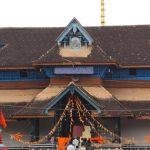
The Aranmula Parthasarathy Temple is a masterpiece of Kerala Temple Architecture, distinct from the towering Nagara or Dravida styles found in North and Central India. The temple faces East and follows strict Vastu Shastra principles.
Structural Design
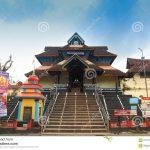
Gopuram and Walls: The temple is enclosed by a rectangular wall known as Kshetra-Madilluka, pierced by gateways (Gopurams). The Eastern Gopuram is accessed by a flight of 18 steps, while the Northern Gopuram opens onto the Pampa River with 57 steps. The wooden walls and laterite blocks are characteristic of the region.
Sreekovil (Sanctum Sanctorum): The central shrine is circular, built with granite at the base and laterite superstructure. The roof is a conical structure made of terracotta tiles supported internally by a wooden framework. The lower half of the shrine is divided into the basement, wall (Bhithi), and entablature (Prasthara), while the upper half consists of the neck (Griva) and the crowning Kalasam (made of copper).
Namaskara Mandapa: Located between the Nallambalam (pillared halls) and the sanctum, this raised square platform with a pyramidal roof is where ritual offerings are made. The Thevrapura (kitchen) for preparing the deity’s food is situated to the left of this platform.
Wood Carvings and Paintings: The roof pillars feature lavish wood and stucco carvings depicting stories from the Ramayana and Mahabharata. The temple walls house paintings dating back to the early 18th century. Unique to this temple is the presence of an external shutter that protects the inner sanctum from heavy monsoon rains.
Deity Iconography
The image of the deity, Parthasarathy, is approximately 6 feet tall. He is depicted in the Vishvarupa (Cosmic Form) that Krishna revealed to Arjuna. Uniquely, he holds the discus (Chakra) and a conch, with a bow and arrow placed beside him (though sometimes depicted with a sword and shield), symbolizing his role as the protector.
Darshan & Ritual Logistics
Administered by the Travancore Devaswom Board, the temple follows a strict daily schedule. Below are the standard timings; however, minor variations may occur during festival seasons.
| Darshan Session | Timings |
|---|---|
| Morning Darshan | 04:00 AM – 11:00 AM |
| Evening Darshan | 05:00 PM – 08:00 PM |
| Sree Bali (Dhara) | 05:30 PM |
| Athazha Seva (Closing) | 07:45 PM |
Key Sevas & Online Booking
Devotees can offer specific services to the deity. As of 2026, most sevas can be booked via the Travancore Devaswom Board portal.
- Ushakaala Seva: Early morning offering (2:00 AM – 3:00 AM). Requires prior booking.
- Morning Abhishekam: Performed after 4:00 AM. Includes ritual bathing of the deity.
- Archana: Recitation of holy names. Can be done individually or in groups.
- Athazha Seva (Night Offering): The final ritual of the day where the deity is put to rest.
- Vazhipadu: General offerings like payasam, rice, and ghee lamps. Available at the counter.
Online Portal: Visit the official Travancore Devaswom Board website to book specific sevas and view the live queue status.
2026 Major Festivals
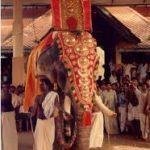
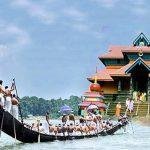
- Onam: August 29, 2026. This is the highlight of the year, featuring the famous Vallam Kali (Snake Boat Race) in the Pampa River. The temple is decorated extensively, and processions are held with the idols of the Pandavas.
- Ashtami Rohini (Sri Krishna Jayanthi): September 5, 2026. Special Abhishekam and cultural programs.
- Annual Festival (Utsavam): Typically held in December/January. The Thanka Anki (golden attire) is taken in procession.
Practical Visitor Guidance
To ensure a respectful and smooth darshan experience, adhering to local customs is advised.
Rules & Regulations
- Dress Code: Strict traditional attire is mandatory. Men should wear Mundu/Veshti (dhoti) without shirts (upper cloth allowed) or formal trousers/shirts. Women should wear saree, half-saree, or churidar with dupatta. Avoid jeans and t-shirts.
- Photography: Photography is strictly prohibited inside the inner sanctum (Sreekovil) and the Nallambalam. It is permitted in the outer corridors only with permission.
- Mobile Phones: Electronic devices should be switched off or kept in silent mode. Lockers are available near the entrance for valuables.
- Accessibility: The temple has steps (18 at the East Gopuram). Senior citizens and differently-abled devotees can avail wheelchair facilities or assistance from the Devaswom staff at the entrance.
Crowd Management
- Best Time to Visit: For a peaceful darshan, visit between 8:00 AM and 11:00 AM on weekdays. Avoid weekends and public holidays.
- Seasonal Advice:
- Summer (March–May): Temperatures can rise above 35°C. Carry a water bottle and use the shaded corridors while waiting.
- Monsoon (June–September): Heavy rainfall is expected. The outer precincts may become slippery; wear waterproof footwear with good grip.
Pilgrimage Connectivity
Aranmula is well-connected to major hubs in Kerala, making it accessible for pilgrims visiting the temple and the Sabarimala route.
How to Reach
- By Air: The nearest airport is Trivandrum International Airport (TRV), approximately 120 km away (approx. 3.5 hours drive). Taxis and buses are available from the airport.
- By Rail: The closest railway station is Chengannur (CNGR), located about 20 km from the temple. Chengannur is a major junction on the Southern Railway line, well-connected to cities like Kochi, Thiruvananthapuram, and Chennai.
- By Road: The temple is located on the Mavelikkara – Chengannur – Kozhenchery Road. State Highway 1 connects Aranmula to Pathanamthitta and other major towns. Frequent KSRTC buses and private taxis operate from Chengannur, Pathanamthitta, and Kozhenchery.
Nearby Sacred Sites
Aranmula is part of the Chengannur Temple Circuit (Pancha Pandava Temples). Extend your pilgrimage to these nearby shrines:
- Thrichittatt Maha Vishnu Temple (Chengannur): Believed to be built by Yudhishthira, just 10 km away.
- Thiruvanvandoor Mahavishnu Temple: Built by Nakula, located approximately 15 km from Aranmula.
- Pamba River (Manimala): The river flowing behind the temple is considered sacred for purification rituals, similar to the Ganga.
Photo Gallery
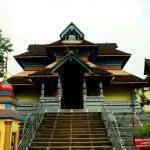
Frequently Asked Questions (FAQ)
1. Is there a VIP darshan entry available?
Yes, the temple offers a Special Darshan pass for senior citizens, pregnant women, and differently-abled devotees. For other VIP entries, you may contact the Devaswom Office at Chengannur or book specific seva tickets (like Ushakaala or Abhishekam) which allow priority access during the ritual time.
2. What is the significance of the Aranmula Mirror?
The Aranmula Kannadi (mirror) is a unique metal alloy mirror crafted in this village. It is believed that the lost technique of making high-quality metal mirrors was recovered here. The king of Travancore donated a crown made of this metal to the deity. Unlike glass mirrors, these are made of metal and are considered auspicious gifts.
3. Is non-vegetarian food allowed near the temple?
As with all Vishnu temples, the temple premises and the immediate surroundings (within 500 meters) are strictly vegetarian zones. Alcohol and smoking are prohibited.
4. How is Aranmula connected to Sabarimala?
Aranmula is a crucial stop on the Thiruvabharanam procession route. The sacred jewels of Lord Ayyappa (Sabarimala) travel from Pandalam to Sabarimala, and they stop at Aranmula Parthasarathy Temple for darshan. The Thanka Anki (golden attire) is also stored here and taken to Sabarimala during the Mandala season.
5. Can we book accommodation near the temple?
While the temple itself does not have a large guest house, there are several private lodges and homestays in Aranmula and nearby Kozhenchery. The Travancore Devaswom Board also runs lodges (Yatra Nivas) in nearby Pathanamthitta and Chengannur, which are recommended for pilgrims.
Contact Details
For inquiries or specific rituals, please contact the administrative office.
- Address: Mallapuzhassery, Aranmula, Kerala 689533
- Phone: 0468 221 2170
- Managing Authority: Travancore Devaswom Board
Official Address: The Executive Officer, Aranmula Parthasarathy Temple, Aranmula P.O., Pathanamthitta Dist., Kerala.
Recent Posts

Shri Kaamkoteeshwar Mandir, Varanasi – History & Significance
In the heart of Kashi, the eternal city of Lord Shiva, where the Ganges flows with celestial grace, stands the Shri Kaamkoteeshwar Mandir. This sacred Sannidhi is not merely a temple but a profound spiritual bridge between the Northern…

ओ सांवरे तूने ही मुझको संभाला – Lyrics & Meaning
ओ सांवरे तूने ही मुझको संभाला – A Prayer to Shyam Origin & Spiritual Essence Why This Bhajan Resonates Devotees chant this when overwhelmed by life’s storms—the refrain ‘तूने ही मुझको संभाला’ is the soul’s sigh of relief: “You…

कथा ये है महाराज मेरे की – Lyrics & Meaning
कथा ये है महाराज मेरे की छत्रपति संभाजी महाराज – A Prayer to Chhatrapati Sambhaji Maharaj Origin & Spiritual Essence Why This Bhajan Resonates Devotees chant this when their spirit feels tested—its powerful refrain “महाराज मेरे” is a soul’s…

Rigveda Samhita Yathartha Anuvada (ऋग्वेद संहिता यथार्थ अनुवाद) – Complete Set with Anvayartha & Hindi/English Translation
The Rigveda is the oldest surviving scripture of humanity and the foundational text of Sanātana Dharma. For serious students, scholars, UPSC aspirants studying ancient Indian history, Sanskrit learners, and spiritual seekers, a precise and grammatically structured translation is indispensable.…

आना भी अकेला है जाना भी अकेला है – Lyrics & Meaning | BharatTemples
आना भी अकेला है जाना भी अकेला है – A Prayer to the Divine Witness Origin & Spiritual Essence Why This Bhajan Resonates Devotees turn to this bhajan in moments of deep reflection—when life’s attachments begin to ache. The…

माता शेरावाली के द्वार जो भी जाता है – Lyrics & Meaning
माता शेरावाली के द्वार जो भी जाता है – A Prayer to Maa Sherawali Origin & Spiritual Essence Why This Bhajan Resonates Devotees turn to this bhajan in times of fear or uncertainty—its promise that no one leaves Maa’s…

मार लेना सपणी उबार लेणा भवरा – Lyrics & Meaning
मार लेना सपणी उबार लेणा भवरा – A Prayer to the Divine Beloved Origin & Spiritual Essence Why This Bhajan Resonates Devotees chant this in moments of deep vulnerability—its cry of “मार लेना सपणी, उबार लेणा भवरा” is the…

हमें श्याम सुंदर भरोसा तुम्हारा – Lyrics & Meaning
हमें श्याम सुंदर भरोसा तुम्हारा – A Prayer to Shyam Sundar Origin & Spiritual Essence Why This Bhajan Resonates Devotees chant this when feeling alone—its refrain ‘de do sahara’ is the soul’s cry for divine support. Lyrics in Hindi…

Mere Satguru Ne Di Thi Davai Lyrics in Hindi & Meaning
Mere Satguru Ne Di Thi Davai: Invoking the Guru’s Liberating Wisdom This soul-stirring bhajan venerates the Satguru (True Spiritual Master) as the divine physician who dispenses the only remedy for life’s deepest sufferings. Composed by Sant Karmaveer Tufani, it…

Janm Diyo Thari Maa Dukh Dekhiyo Lyrics in Hindi & Meaning
जन्म दियो थारी माँ दुख देखियो (Maa’s Grief Upon Birthing You) This soul-stirring Chetavani Bhajan (admonitory hymn) is addressed to the Divine Mother (Maa) – a call for repentance when children forget their filial duties in the dark age…