
Contents
Introduction & Spiritual Essence
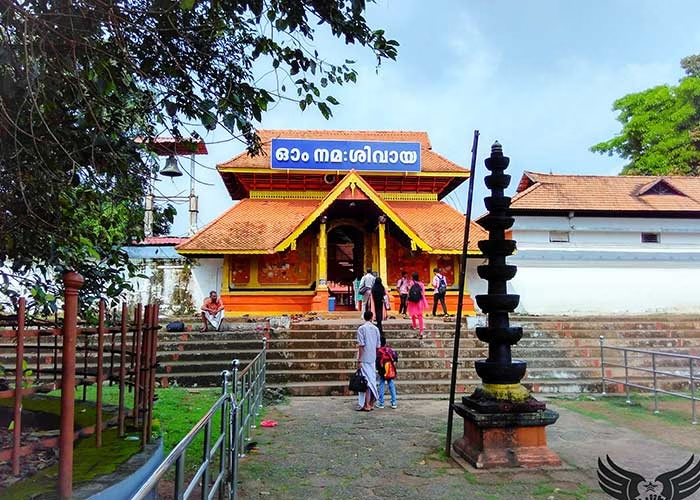
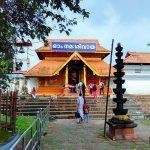
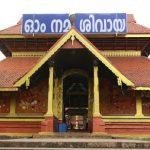
Thirunakkara Sree Mahadevar Temple is a majestic spiritual beacon situated on the hillock known as Nakkara Kunnu in the heart of Kottayam, Kerala. This temple is not merely a religious structure but a cornerstone of Thekkumkoor heritage. The primary deity here is Lord Shiva, worshipped in the form of a Swayambhu (self-manifested) Shiva Lingam. The deity is locally revered as Thirunakkara Thevar. To the left of the main Lingam stands a small idol of Goddess Parvathy.
Phalaśruti (Spiritual Benefits):
According to devotees, the blessings of Thirunakkara Thevar bring solace to the mind and strength to the soul. It is believed that a pilgrimage here helps in:
- Cleansing Ancestral Karma: Performing Abhishekam for the ancestors here is considered highly meritorious.
- Mental Peace: The Swayambhu nature of the Lingam is said to radiate intense meditative energy, aiding in stress relief.
- Removal of Obstacles: Devotees visit to remove blockages in life (Vighna Nasham), seeking the grace of Lord Shiva.
Historical Origins & Scriptural Legend
The history of Thirunakkara Mahadevar Temple is deeply entwined with the royal lineage of central Kerala.
The Builder:
Tradition holds that the temple was constructed approximately 500 years ago (mid-16th century) by the Thekkumkoor Raja, who ruled from Thalikkotta. The royal family considered the deity their Paradevatha (tutelary deity).
The Legend of the Swayambhu Lingam:
According to local oral traditions (Sthala Purana), an aging Thekkumkoor King was a devout worshipper of Lord Vadakkunathan in Thrissur. However, unable to travel due to age, the King fell into despair. Legend states that Lord Shiva appeared in the King’s dreams, promising to accompany him to Kottayam.
The King subsequently met a Brahmin priest from the Pereparambu family in Vaikom. Together, they discovered a miraculous Shiva Linga at a place called Samiyar Madam on the Nakkara Hill. It is widely believed that the great sage Parashurama himself installed this idol millennia ago, making it a Swayambhu manifestation.
Architectural Marvels
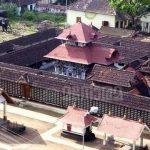
The temple is a quintessential example of traditional Kerala Temple Architecture and adheres to the strict principles of Vastu Shastra.
Structural Details:
- Naduventhu Style: The temple is built in the Naduventhu (central) style, ensuring the sanctum is aligned perfectly.
- The Nakkara Kunnu: The temple sits atop a rocky hillock, providing a panoramic view of the Kottayam town.
- Koothambalam: One of the largest Koothambalams (ritual performance spaces) in Kerala is located in the southeast corner. It is a masterpiece of woodwork, hosting Kathakali and Velakali performances during festivals.
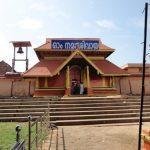
- Kodimaram & Balikkalpura: The eastern entrance features a 42-foot Kodimaram (flagstaff) installed in 1960, standing majestically before the Balikkalpura (sacrificial altar).
Notable Shrines & Sculptures:
- Ayyappa & Ganesha: Located near the southeast entrance.
- Naga Pratishtas: Sacred serpent idols located near the shrines.
- Brahmarakshas: Located in the northeast section, this shrine is unique, representing the soul of a priest believed to have been assassinated within the temple premises.
- Murals: The temple walls feature vibrant murals depicting scenes from Hindu mythology, preserved carefully over centuries.
Darshan & Ritual Logistics (2026 Update)
To ensure a smooth spiritual experience, devotees should plan their visit according to the temple timings and festival schedules.
Daily Timings
| Session | Timings |
|---|---|
| Morning Darshan | 04:00 AM – 11:30 AM |
| Afternoon Break | 11:30 AM – 04:00 PM |
| Evening Darshan | 04:00 PM – 08:30 PM |
| Ucha Pooja (Noon Prayer) | 12:00 PM – 01:00 PM |
*Note: Timings may vary slightly during festivals. Please check the official website before travel.*
Key Sevas & Online Booking
Devotees can book Abhishekam (ritual bathing of the deity) and Archana (recitation of names) through the temple’s official portal. Major Sevas include:
- Udayasthamana Pooja: Full-day prayer ritual.
- Rudrabhishekam: Special Abhishekam for Lord Shiva.
- Thulabharam: Offering items equal to the weight of the devotee.
2026 Major Festival Dates
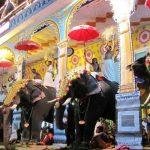
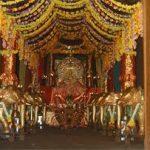
The temple is famous for its ten-day annual festivals.
- Painkuni Festival: March 14 – March 23, 2026 (Malayalam Month: Meenam). This coincides with the Aries zodiac transit and features grand processions.
- Aani Festival: June 15 – June 24, 2026 (Malayalam Month: Midhunam).
- Alpasi Festival: October 24 – November 2, 2026 (Malayalam Month: Thulam). This is the post-harvest festival celebrated with great fervor.
Practical Visitor Guidance
As Thirunakkara Temple is located in a busy part of Kottayam, adhering to local guidelines is essential.
Dress Code:
Strict adherence to traditional attire is required. Men must wear Mundu (dhoti) or trousers, and shirts are mandatory (remove them before entering the sanctum). Women should wear sarees, salwar kameez, or full-length skirts. Western clothing is strictly prohibited.
Photography & Electronics:
Photography is strictly prohibited inside the sanctum and inner courtyard. Mobile phones should be switched to silent mode. Lockers are available near the entrance for storing bags and electronic devices.
Crowd Management:
- Best Time to Visit: Early mornings (4:00 AM – 6:00 AM) are ideal for a peaceful Darshan. Evenings (4:00 PM – 6:00 PM) see moderate crowds.
- Seasonal Advice: During the hot months (April–May), the granite floors can be burning hot; it is advisable to wear thick-soled sandals. Carry a water bottle, as the climb to the hill involves steps.
Pilgrimage Connectivity
The temple is centrally located, making it highly accessible.
How to Reach
- By Air: Cochin International Airport (COK) is the nearest airport, located approximately 64 km away (approx. 1.5 to 2 hours drive via NH85).
- By Rail: Kottayam Railway Station is just 2 km away from the temple. Auto-rickshaws and taxis are readily available.
- By Road: The temple is situated on Temple Road, off the Kottayam – Changanassery Main Road (State Highway 1). It connects well with NH85 (formerly NH220).
Nearby Sacred Sites
Complete your pilgrimage circuit by visiting:
- St. Mary’s Orthodox Church (Kottayam Cheriapalli): Located less than 2 km away, known for its Persian architecture.
- Vaikom Mahadeva Temple: One of the oldest Shiva temples in Kerala (approx. 30 km away).
- Ettumanoor Mahadeva Temple: Famous for its murals and the golden lizard statue (approx. 11 km away).
Frequently Asked Questions (FAQ)
1. Is there a VIP or special darshan entry?
Yes, the temple offers special entry tickets for devotees who wish to bypass the general queue. Tickets can be purchased at the counter near the temple office, subject to availability.
2. Can I perform Thulabharam at the temple?
Absolutely. Thulabharam is a significant ritual here. It is advisable to book the materials (sugar, rice, jaggery) in advance through the temple administration or bring them yourself.
3. Is the temple accessible for the elderly and disabled?
While the main sanctum requires climbing steps, the temple committee has made provisions for wheelchairs up to a certain point. However, for full access, assistance from family members is recommended.
4. What is the best time to visit for avoiding crowds?
Weekdays are generally less crowded than weekends. For the most serene experience, visit between 4:00 AM and 6:00 AM on any day of the week.
5. Are there accommodation facilities near the temple?
Kottayam town offers a wide range of hotels and guest houses. However, there are no specific guest houses attached to the temple complex. It is recommended to book accommodation in advance during festival seasons.
Photo Gallery
Recent Posts

Shri Kaamkoteeshwar Mandir, Varanasi – History & Significance
In the heart of Kashi, the eternal city of Lord Shiva, where the Ganges flows with celestial grace, stands the Shri Kaamkoteeshwar Mandir. This sacred Sannidhi is not merely a temple but a profound spiritual bridge between the Northern…

ओ सांवरे तूने ही मुझको संभाला – Lyrics & Meaning
ओ सांवरे तूने ही मुझको संभाला – A Prayer to Shyam Origin & Spiritual Essence Why This Bhajan Resonates Devotees chant this when overwhelmed by life’s storms—the refrain ‘तूने ही मुझको संभाला’ is the soul’s sigh of relief: “You…

कथा ये है महाराज मेरे की – Lyrics & Meaning
कथा ये है महाराज मेरे की छत्रपति संभाजी महाराज – A Prayer to Chhatrapati Sambhaji Maharaj Origin & Spiritual Essence Why This Bhajan Resonates Devotees chant this when their spirit feels tested—its powerful refrain “महाराज मेरे” is a soul’s…

Rigveda Samhita Yathartha Anuvada (ऋग्वेद संहिता यथार्थ अनुवाद) – Complete Set with Anvayartha & Hindi/English Translation
The Rigveda is the oldest surviving scripture of humanity and the foundational text of Sanātana Dharma. For serious students, scholars, UPSC aspirants studying ancient Indian history, Sanskrit learners, and spiritual seekers, a precise and grammatically structured translation is indispensable.…

आना भी अकेला है जाना भी अकेला है – Lyrics & Meaning | BharatTemples
आना भी अकेला है जाना भी अकेला है – A Prayer to the Divine Witness Origin & Spiritual Essence Why This Bhajan Resonates Devotees turn to this bhajan in moments of deep reflection—when life’s attachments begin to ache. The…

माता शेरावाली के द्वार जो भी जाता है – Lyrics & Meaning
माता शेरावाली के द्वार जो भी जाता है – A Prayer to Maa Sherawali Origin & Spiritual Essence Why This Bhajan Resonates Devotees turn to this bhajan in times of fear or uncertainty—its promise that no one leaves Maa’s…

मार लेना सपणी उबार लेणा भवरा – Lyrics & Meaning
मार लेना सपणी उबार लेणा भवरा – A Prayer to the Divine Beloved Origin & Spiritual Essence Why This Bhajan Resonates Devotees chant this in moments of deep vulnerability—its cry of “मार लेना सपणी, उबार लेणा भवरा” is the…

हमें श्याम सुंदर भरोसा तुम्हारा – Lyrics & Meaning
हमें श्याम सुंदर भरोसा तुम्हारा – A Prayer to Shyam Sundar Origin & Spiritual Essence Why This Bhajan Resonates Devotees chant this when feeling alone—its refrain ‘de do sahara’ is the soul’s cry for divine support. Lyrics in Hindi…

Mere Satguru Ne Di Thi Davai Lyrics in Hindi & Meaning
Mere Satguru Ne Di Thi Davai: Invoking the Guru’s Liberating Wisdom This soul-stirring bhajan venerates the Satguru (True Spiritual Master) as the divine physician who dispenses the only remedy for life’s deepest sufferings. Composed by Sant Karmaveer Tufani, it…

Janm Diyo Thari Maa Dukh Dekhiyo Lyrics in Hindi & Meaning
जन्म दियो थारी माँ दुख देखियो (Maa’s Grief Upon Birthing You) This soul-stirring Chetavani Bhajan (admonitory hymn) is addressed to the Divine Mother (Maa) – a call for repentance when children forget their filial duties in the dark age…