

Contents
Introduction & Spiritual Essence
Steeped in antiquity and spiritual grandeur, the Arattupuzha Temple, situated in the serene village of Arattupuzha near Thrissur, Kerala, stands as a monumental testament to Dravidian heritage. Known primarily as the Sree Sastha Temple, this shrine is revered as the abode of the divine manifestation of Guru Vasishta, the spiritual preceptor of Lord Rama. The temple is administered by the Cochin Devaswom Board and holds the distinction of hosting the Devamela, considered the world’s second-oldest festival.
Phalaśruti: The Divine Benefits
Devotees flock to Arattupuzha seeking the blessings of Lord Sastha, who is revered as a guardian deity protecting against adversity and granting longevity. The primary spiritual significance lies in the cleansing of ancestral karma. It is believed that offering prayers here washes away sins and brings prosperity to the family lineage. The presiding deity, Lord Ayyappa (in the form of Sastha), embodies the virtues of detachment and wisdom, making this temple a pivotal site for spiritual rejuvenation.
Historical Origins & Scriptural Legend
The antiquity of the Arattupuzha Temple dates back an astonishing 3,000 years, making it one of the oldest surviving shrines in Kerala. According to temple records and local folklore, the temple originated from the divine penance of Guru Vasishta, who meditated on the banks of the Karuvannur River.
The Legend of Devamela
Tradition holds that Lord Vasishta established a shrine to protect the region from natural calamities. The most significant scriptural reference is the local Sthala Purana, which narrates the story of the annual Devamela. Legend states that during the festival season, deities from all neighboring villages journey to Arattupuzha to pay homage to Lord Sastha. This assemblage is not merely a ritual but a divine convergence, representing the unity of the celestial pantheon under the leadership of the Guru.
Architectural Marvels
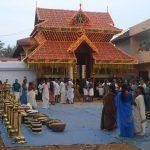
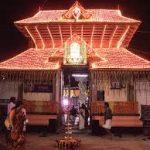
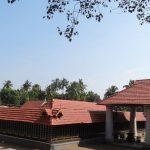
The Arattupuzha Temple is a quintessential example of traditional Kerala Vastu Shastra, featuring elements of the Dravidian architectural style. The complex is enclosed by a massive stone wall (Kaduthuruthy) which adds to the sanctity of the space.
- The Sanctum (Sreekovil): The main shrine houses the idol of Sastha in a standing posture, facing east. The idol is unique, depicting the deity as a handsome warrior-like figure.
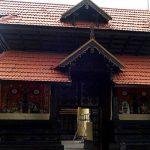
- Padippura (Entrance Gate): The temple features a traditional Padippura with a slanted tiled roof, typical of Kerala temples.
- Mandapas: The Nalambalam and the Namaskara Mandapam are constructed with intricately carved wooden pillars, showcasing motifs from Hindu mythology.
- The Holy Water Bodies: The temple is surrounded by lush greenery and natural water tanks, essential for the purification rituals.
While the temple is a protected heritage site under the Cochin Devaswom Board, its architectural integrity remains a testament to ancient craftsmanship passed down through generations of Stapathis (architects).
Darshan & Ritual Logistics
Visiting the Arattupuzha Temple requires adherence to specific timings and ritual schedules. The atmosphere shifts from the tranquility of morning prayers to the vibrant energy of evening Nirmalyam.
Daily Temple Timings (2026 Schedule)
| Day | Morning Hours | Evening Hours |
|---|---|---|
| Monday – Sunday | 04:00 AM – 12:00 PM | 04:30 PM – 08:30 PM |
*Note: Timings may vary slightly during festival days (Utsavam).
Key Sevas & Online Booking
Devotees can perform various Sevas, including:
- Usha Sree Balitharpanam: Morning ritual offering.
- Sree Bhagavathi Seva: A specific evening ritual dedicated to Goddess Bhagavathi within the complex.
- Annadanam: Offering food to devotees.
Most Sevas can be booked online via the Cochin Devaswom Board (CDB) official portal. It is advisable to book at least 24 hours in advance for regular Sevas.
2026 Festival Dates
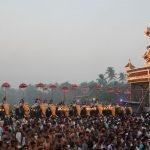
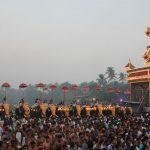
The temple is famous for the Arattupuzha Pooram (Devamela).
- Aries (Medam) Season: April/May 2026 (Exact dates TBD by the temple almanac).
- Key Event: The grand procession of 41 deities culminating in the Arattupuzha (holy bath) of Lord Sastha.
Practical Visitor Guidance
To ensure a respectful and hassle-free Darshan experience, please adhere to the following guidelines:
- Dress Code: Traditional attire is mandatory. Men must wear Mundu (dhoti) without a shirt, and women must wear Saree or Salwar Kameez with a dupatta. Synthetic fabrics are discouraged during rituals.
- Photography: Photography is strictly prohibited inside the main Sanctum Sanctorum and the inner quadrangle.
- Mobile Lockers: Electronic devices are not allowed inside the temple. Free locker facilities are available at the entrance, operated by the Devaswom Board.
- Crowd Management:
- Best Hours: Visit between 7:00 AM – 9:00 AM for a peaceful Darshan.
- Seasonal Advice: Carry an umbrella and water bottle during the summer months (April-June), as the queue extensions are often open-air.
Pilgrimage Connectivity
Arattupuzha is well-connected by road, making it accessible for pilgrims across South India.
How to Reach
- By Air: Cochin International Airport (COK) is approximately 60 km away. Taxis and buses are available to Thrissur.
- By Rail: Thrissur Railway Station is the nearest major railhead, just 15 km from the temple.
- By Road: Located 15 km east of Thrissur town. Accessible via the Kodungallur – Thrissur State Highway (SH-1) and the Arattupuzha Road. Private buses connect Thrissur (Sakthan Bus Stand) to Arattupuzha.
Nearby Sacred Sites (Pilgrimage Circuit)
Extend your spiritual journey by visiting these nearby temples:
- Vadakkunnathan Temple (Thrissur): The majestic Keraleswara Temple and a UNESCO World Heritage site candidate.
- Guruvayur Temple: One of the most famous Krishna temples in India, located about 40 km away.
- Paramekkavu Bhagavathy Temple: Located in the heart of Thrissur, dedicated to Goddess Paramekkavu.
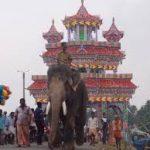
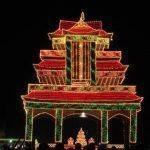
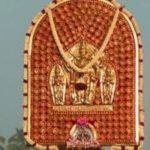
Photo Gallery

Frequently Asked Questions (FAQs)
1. Is there a VIP Darshan entry available at Arattupuzha Temple?
Yes, the Cochin Devaswom Board facilitates a priority Darshan queue for senior citizens and differently-abled devotees. For other VIP entries, prior permission from the Devaswom Office is usually required.
2. Can non-Hindus enter the Arattupuzha Temple?
Similar to many ancient temples in Kerala, entry is generally restricted to followers of Hinduism. Non-Hindus are usually permitted only during the grand festival days (Pooram) when the processions are on the streets, but not inside the sanctum sanctorum.
3. What is the best time to visit for the Devamela festival?
The main festival events typically occur over five days in April/May. The grand finale (Aarattupuzha) happens on the final day, usually in the early morning hours. Arriving at least one day prior is recommended to navigate the heavy crowds.
4. Is accommodation available nearby?
While the temple itself has limited guest rooms, the city of Thrissur (15 km away) offers a wide range of accommodation from budget lodges to luxury hotels. Booking in advance is suggested during the Pooram season.
5. How do I perform an offering (Vazhipadu)?
Offline ticket counters are available at the temple entrance. For advance booking, visit the official Cochin Devaswom Board website or the designated counters at Vadakkunnathan Temple, Thrissur.
Contact Details
For inquiries and specific rituals, contact the temple office:
Arattupuzha Sree Sastha TempleP.O. Arattupuzha, Urakam,
Thrissur District, Kerala – 680562
Phone: (Update required – Check CDB Portal)
Administered by: Cochin Devaswom Board
Recent Posts

Shri Kaamkoteeshwar Mandir, Varanasi – History & Significance
In the heart of Kashi, the eternal city of Lord Shiva, where the Ganges flows with celestial grace, stands the Shri Kaamkoteeshwar Mandir. This sacred Sannidhi is not merely a temple but a profound spiritual bridge between the Northern…

ओ सांवरे तूने ही मुझको संभाला – Lyrics & Meaning
ओ सांवरे तूने ही मुझको संभाला – A Prayer to Shyam Origin & Spiritual Essence Why This Bhajan Resonates Devotees chant this when overwhelmed by life’s storms—the refrain ‘तूने ही मुझको संभाला’ is the soul’s sigh of relief: “You…

कथा ये है महाराज मेरे की – Lyrics & Meaning
कथा ये है महाराज मेरे की छत्रपति संभाजी महाराज – A Prayer to Chhatrapati Sambhaji Maharaj Origin & Spiritual Essence Why This Bhajan Resonates Devotees chant this when their spirit feels tested—its powerful refrain “महाराज मेरे” is a soul’s…

Rigveda Samhita Yathartha Anuvada (ऋग्वेद संहिता यथार्थ अनुवाद) – Complete Set with Anvayartha & Hindi/English Translation
The Rigveda is the oldest surviving scripture of humanity and the foundational text of Sanātana Dharma. For serious students, scholars, UPSC aspirants studying ancient Indian history, Sanskrit learners, and spiritual seekers, a precise and grammatically structured translation is indispensable.…

आना भी अकेला है जाना भी अकेला है – Lyrics & Meaning | BharatTemples
आना भी अकेला है जाना भी अकेला है – A Prayer to the Divine Witness Origin & Spiritual Essence Why This Bhajan Resonates Devotees turn to this bhajan in moments of deep reflection—when life’s attachments begin to ache. The…

माता शेरावाली के द्वार जो भी जाता है – Lyrics & Meaning
माता शेरावाली के द्वार जो भी जाता है – A Prayer to Maa Sherawali Origin & Spiritual Essence Why This Bhajan Resonates Devotees turn to this bhajan in times of fear or uncertainty—its promise that no one leaves Maa’s…

मार लेना सपणी उबार लेणा भवरा – Lyrics & Meaning
मार लेना सपणी उबार लेणा भवरा – A Prayer to the Divine Beloved Origin & Spiritual Essence Why This Bhajan Resonates Devotees chant this in moments of deep vulnerability—its cry of “मार लेना सपणी, उबार लेणा भवरा” is the…

हमें श्याम सुंदर भरोसा तुम्हारा – Lyrics & Meaning
हमें श्याम सुंदर भरोसा तुम्हारा – A Prayer to Shyam Sundar Origin & Spiritual Essence Why This Bhajan Resonates Devotees chant this when feeling alone—its refrain ‘de do sahara’ is the soul’s cry for divine support. Lyrics in Hindi…

Mere Satguru Ne Di Thi Davai Lyrics in Hindi & Meaning
Mere Satguru Ne Di Thi Davai: Invoking the Guru’s Liberating Wisdom This soul-stirring bhajan venerates the Satguru (True Spiritual Master) as the divine physician who dispenses the only remedy for life’s deepest sufferings. Composed by Sant Karmaveer Tufani, it…

Janm Diyo Thari Maa Dukh Dekhiyo Lyrics in Hindi & Meaning
जन्म दियो थारी माँ दुख देखियो (Maa’s Grief Upon Birthing You) This soul-stirring Chetavani Bhajan (admonitory hymn) is addressed to the Divine Mother (Maa) – a call for repentance when children forget their filial duties in the dark age…