Palani Ayyappan Temple History, Darshan Timings & Pilgrimage Guide 2026
Receive daily temple updates, divine darshan, and morning bhajans directly on WhatsApp.
Contents
- 1 Introduction & Spiritual Essence
- 2 Historical Origins & Scriptural Legend
- 3 Architectural Marvels
- 4 Darshan & Ritual Logistics
- 5 Practical Visitor Guidance
- 6 Photo Gallery
- 7 Pilgrimage Connectivity
- 8 Frequently Asked Questions (FAQ)
- 8.1 1. Is there a VIP Darshan entry?
- 8.2 2. Can I perform the Kavadi ritual without prior booking?
- 8.3 3. What is the significance of the ‘Panchamritam’ offered here?
- 8.4 4. Is mobile network connectivity available on the hill?
- 8.5 5. Are there accommodation options available at the hilltop?
- 8.6 6. What is the unique story behind the Ayyappan form in Palani?
Introduction & Spiritual Essence
Perched atop the vibrant Palani Malai (Palani Hill) in Tamil Nadu, the Ayyappan Temple—more revered locally as the abode of Arulmigu Dhandayuthapani Swamy—stands as a beacon of spiritual discipline and healing. Unlike the typical depiction of Lord Murugan (Kartikeya) with a peacock, here he appears as a Palanquin bearer (Dhandayuthapani), holding a staff (Danda) as a hermit. This form specifically resonates with the energy of Lord Ayyappa (Hariharaputra), embodying the unity of Vishnu and Shiva.
Why do devotees visit? (Phalaśruti)
According to temple lore and oral traditions, a visit to Palani offers profound spiritual benefits:
- Cleansing Ancestral Karma: It is believed that offering prayers here washes away the Karma Dosham (sins of the lineage), bringing peace to ancestors.
- Cure for Afflictions: The Lord is known as Kuzhandhai Maruthu (The Physician of Infants) and Peyuthana Nayakan (Dispeller of Evil). Devotees visit to overcome chronic illnesses and black magic.
- Wisdom and Education: As the Guardian of the South (Dakshina Murthy), he grants knowledge and clarity, making it a vital stop for students.
| Date built: | – |
|---|---|
| Deity: | -Ayyappn |
| Architectural style: | {Dravidian architecture} |
| Major festivals | palani festival |
| Locale: | palani |
| District:: | dindigul |
| Address: | – |
| Phone | – |
Historical Origins & Scriptural Legend
The history of Palani is a tapestry of mythology and dynastic patronage. While the specific structure has evolved over centuries, the site has been a seat of worship since the Sangam era (circa 300 BCE – 300 CE).
📖 Related: Mondaicaud Bhagavathi Temple: History, Timings & Complete Guide
Scriptural Legend
Tradition holds that this is the place where the Pazhamudra Chola king witnessed a demon, the Veerabahu, being defeated by Lord Murugan. The king, awestruck by the Dakshina Murthy form (the teacher of the South), built the initial shrine. Another key legend involves the Navakanda Rishi, whose austerities were protected by Lord Murugan, who took the form of a hermit to guard the sage.
Temple Structure & Renovations
The present-day temple complex, particularly the sanctum and the Vimana, reflects the grandeur of the Thenkalai Iyer tradition. The Pandya and Chera dynasties were significant patrons, while the Nayakkar rulers of Madurai contributed to the fortification and the massive Padithurai (steps). The temple is maintained by the Palani Devasthanam, one of the wealthiest religious trusts in the world.
Architectural Marvels
The architecture of the Palani Ayyappan Temple is a stunning blend of Dravidian and Gothic influences, characterized by towering gateways and massive compound walls.
- The Velli Kottam (Silver Fortress): A large walled enclosure within the complex used for the procession of the deity.
- The Panchabhadha Lingam: An ancient artifact (found during excavation) that represents the five elements, signifying the temple’s cosmic alignment.
- The Sanctum Sanctorum: The main deity, Arulmigu Dhandayuthapani, is a six-foot-tall statue carved from Ruby (Manikkam). This murti is unique; it was brought from Ettrakkurichi and is considered Swambhu (self-manifested). The idol is anointed with Panchamritam (five nectars) and Sandhanam (sandalwood paste).
- The Golden Chariot: The temple owns a golden chariot used for special processions, a masterpiece of modern craftsmanship.
The RAJAGOPURAM (Main Tower) is a visual marvel, towering approximately 155 feet, painted in vibrant colors that guide pilgrims from miles away. The temple complex also features a unique Museum showcasing ancient artifacts, jewels, and a Darbar hall where the deity is adorned in various Alankarams.
Darshan & Ritual Logistics
To facilitate the influx of millions of devotees, the Palani Devasthanam has streamlined rituals. Below are the standard timings as of 2026. Note: Timings may extend on weekends and festivals.
Daily Temple Timings
| Session | Time | Activity |
|---|---|---|
| Morning | 05:00 AM – 12:00 PM | Abhishekam, Darshan, Alankaram |
| Afternoon | 12:00 PM – 04:00 PM | Sanctum Rest & Cleaning |
| Evening | 04:00 PM – 08:30 PM | Nadaraja Darshan, Pooja |
📖 Related: Valli Temple, Palani: Legend, Darshan Timings & Complete Pilgrimage Guide
Key Sevas & Online Booking
- Abhishekam: Performed daily. Can be booked via the official Palani Devasthanam portal or at the Arulmigu Dhandayuthapani Swamy Temple counters.
- Archana: Recitation of names. Available at the shrine entrance.
- Kavadi: A vital ritual where devotees carry Kavadis (semicircular wooden arches) as offerings. Registration is mandatory for large groups.
- Online Booking: The TNHRCE (Tamil Nadu Hindu Religious and Charitable Endowments Department) manages online bookings. Visit the official website or the OMR (Online Room Booking) portal for specific dates.
Festival Dates 2026
- Thai Poosam (January): A massive festival celebrating the birth of Lord Murugan. Expect heavy crowds; the town stays awake all night.
- Panguni Uthiram (March/April): The final month of the Tamil calendar, marked by grand Thirukalyanam (celestial wedding) processions.
- Deepavali (October): Special abhishekam and lighting of lamps.
- Skanda Shashti (November): A six-day festival culminating in the victory of Lord Murugan over the demon Surapadman.
Practical Visitor Guidance
Visiting Palani requires preparation due to the spiritual nature of the site and the volume of pilgrims.
- Dress Code: Strict adherence to traditional attire is recommended. Men should wear Dhotis or trousers (no shorts). Women should wear sarees, salwar kameez, or full-length skirts.
- Photography & Electronics: Photography is strictly prohibited inside the sanctum and the inner prakaram (corridor). Mobile phones are allowed but must be silent. Lockers are available at the foot of the hill and near the entrance for a nominal fee.
- Accessibility: For those unable to climb the hill, Doli services (carried by human bearers) are available. The Winch (Cable Car) service provides a scenic and quick ascent to the hilltop temple.
- Crowd Management:
- Best Time: Early morning (5:00 AM – 7:00 AM) or late evening (after 6:00 PM).
- Seasonal Advice: During summer (April–June), the granite steps can be extremely hot; use the Winch or carry cotton socks.
- Monsoon: Palani receives rain from the Northeast Monsoon (Oct–Dec); carry an umbrella.
Photo Gallery
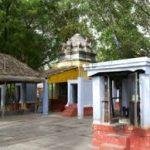
palani ayyappa, Ayyappan Temple,Palani
Pilgrimage Connectivity
Palani is a well-connected pilgrimage center in the Dindigul district of Tamil Nadu.
How to Reach
- By Plane: The nearest airport is Coimbatore International Airport (CBE), approximately 100 km away (approx. 2.5 hours by road). Flights are available from major cities like Chennai, Bangalore, Mumbai, Delhi, and Dubai. Taxis are readily available at the airport.
- By Train: Palani has its own railway station, PALANI (PDY), connected to Madurai, Coimbatore, and Chennai. The Palani Express (from Chennai Central) is a popular option.
- By Bus: The Dindigul bus stand is a major hub. Frequent government and private buses ply from Madurai (approx. 2 hours), Coimbatore, Tiruchirappalli, and Kumarakom (Kerala). Night buses are available from Chennai.
📖 Related: Saptharisheeswarar Temple History and Darshan Timings: A Complete Pilgrimage Guide
Nearby Sacred Sites
Complete your pilgrimage by visiting these nearby Panchabhadha temples:
- Swamimalai (55 km): The birthplace of Lord Murugan, where he taught Shiva the Pranava Mantra.
- Pazhamudircholai (70 km): A dense hill temple near Madurai, offering a lush, natural setting.
- Thiruchendur (75 km): The seashore temple where Lord Murugan vanquished the demon Surapadman.
Frequently Asked Questions (FAQ)
1. Is there a VIP Darshan entry?
Yes, the Palani Devasthanam offers a Special Entry Darshan (often called ‘Amutham’). Tickets can be purchased online via the TNHRCE website or at the hill base counters. This line is faster but requires standard fees.
2. Can I perform the Kavadi ritual without prior booking?
While individuals can perform small Kavadis, large groups (Sangam Kavadis) require prior permission and registration from the Palani Police Station and the Devasthanam office to manage crowd flow.
3. What is the significance of the ‘Panchamritam’ offered here?
The Panchamritam used here is a special medicinal blend. Devotees consume it not just as Prasadam but as a remedy for stomach ailments and to cool the body.
4. Is mobile network connectivity available on the hill?
Yes, connectivity is generally good for all major providers (Airtel, Jio, Vi). However, the signal might be slightly intermittent inside the dense inner sanctum due to the stone architecture.
5. Are there accommodation options available at the hilltop?
Yes, the TNHRCE runs guest houses (Choultries) at the hilltop and in the foothills. Booking is highly recommended during festival seasons like Thai Poosam and Panguni Uthiram.
6. What is the unique story behind the Ayyappan form in Palani?
Palani is uniquely associated with Lord Ayyappa (Hariharaputan) because the Dhandayuthapani idol represents the Hanuman avatar of Ayyappa. Pilgrims traveling to Sabarimala often visit Palani first as part of a spiritual circuit.