Bairavar Temple Palani: History, Darshan Timings & Complete Guide
Receive daily temple updates, divine darshan, and morning bhajans directly on WhatsApp.
Contents
- 1 Bairavar Temple Palani: History, Darshan Timings & Complete Guide
- 1.1 Introduction & Spiritual Essence
- 1.2 Historical Origins & Scriptural Legend
- 1.3 Architectural Marvels
- 1.4 Darshan & Ritual Logistics (2026 Update)
- 1.5 Practical Visitor Guidance
- 1.6 Pilgrimage Connectivity
- 1.7 Nearby Sacred Sites
- 1.8 Frequently Asked Questions (FAQ)
- 1.9 Photo Gallery
- 1.10 Official Address & Contact
Bairavar Temple Palani: History, Darshan Timings & Complete Guide
A Definitive Pilgrimage Guide by bharattemples.com
| Date built: | – |
|---|---|
| Deity: | Bairavar |
| Architectural style: | – |
| Major festivals | – |
| Locale: | palani |
| District:: | dindigul |
| Address: | – |
| Phone | – |
Introduction & Spiritual Essence
The Bairavar Temple in Palani, located in the Dindigul district of Tamil Nadu, stands as a formidable guardian of the spiritual landscape surrounding the famous Palani Murugan temple. While the hilltop Arulmigu Dandayudhapani Swamy Temple draws millions, the Bhairava (Bairavar) shrine at the foot of the hill is equally vital to the pilgrimage completion.
The Form of Bairavar
In the Saiva tradition, Bairavar is the fierce avatar of Lord Shiva, functioning as the Kshetrapala (guardian) of sacred grounds. The primary deity here is a Swayambhu (self-manifested) Murti. Unlike the terrifying forms seen elsewhere, the Palani Bairavar is described in local tradition as a protector who, while possessing fierce attributes, is not terrifying to the righteous devotee.
Phalaśruti: Why Visit?
Devotees visit this shrine to fulfill vows and remove planetary maleficences, specifically related to the Saturn (Shani) dasha. The Phalaśruti (benefits of worship) ascribed to this temple includes:
- Cleansing Ancestral Karma: Performing rituals here is believed to appease the ancestors, liberating them from earthly bonds.
- Protection from Evil: The shrine acts as a spiritual shield against negative energies and black magic (Drushti).
- Removal of Obstacles: The Ugra (fierce) aspect of Shiva is invoked to destroy barriers to success and health.
📖 Related: Valli Temple, Palani: Legend, Darshan Timings & Complete Pilgrimage Guide
The Bairavar temple is at the north-west end of the street and faces east. Three barred gates guard this old temple. After the first gate are two Balipeetas. Generally there will be only one Balipeetas for one sanctum. It is good that this Bairava has been provided two Balipeedas otherwise he will be demanding everyone as he asked for Siralam from seruthondan, three dogs, one leaved spear and Nagas among dense bushes, all can seen.
Bairava stands near a dog with four hands and protruding tusks. With all that he does not look fierce.
The rear of Periyanayaki temple is seen even from the middle of the north car street. Residential houses fill the gap.
Historical Origins & Scriptural Legend
Scriptural References
While the exact dynastic construction dates are not explicitly recorded in the snippet provided, the Sthala Purana (local legend) of Palani is rooted in the Skanda Purana. The legend of Palani centers around the Gnana Pazham (Fruit of Wisdom) gifted by Lord Shiva to the sage Parashurama. The Bairavar shrine is intrinsically linked to this event as the guardian of the fruit and the hill.
The Legend of the Guardian
According to temple records and oral tradition, the deity is associated with the Panchabhairava aspect of Shiva. The legend mentions the request for specific offerings: Siralam (head), three dogs, a one-leaved spear, and Nagas. This signifies the surrender of the ego (head) and the control of the mind (represented by the dogs) to the divine will of the Lord.
Architectural Marvels
The Bairavar Temple in Palani is a classic example of Dravidian temple architecture, seamlessly blending into the rocky terrain of the Palani Hills.
Structural Elements
- The Sanctum (Garbhagriha): The shrine is compact, built to emphasize the proximity of the devotee to the deity. The east-facing entrance allows the morning sun to illuminate the idol, a significant Vastu Shastra element favoring prosperity.
- Balipeetas (Altars): As noted in historical accounts, the presence of two Balipeetas is unique. Usually, a single sanctum houses one altar. This dual altar structure emphasizes the dual nature of the deity—both a consumer of offerings (Bhairava) and a bestower of grace.
- Sculptural Details: The idol features four hands carrying the Trishul (trident), Khadga (sword), and Kapala (skull). The presence of the dog (vahana) is prominent, carved with distinct details.
📖 Related: Venugopalaswamy Temple, Kadukkapattu: History, Timings & Guide
Darshan & Ritual Logistics (2026 Update)
Visiting the temple requires understanding the ritualistic schedule aligned with the main Palani temple timings. Please note that temple timings are subject to change based on the liturgical calendar and special festivals.
Daily Timings
| Session | Timing | Activity |
|---|---|---|
| Morning | 5:30 AM – 11:00 AM | Abhishekam, Alankaram, General Darshan |
| Afternoon | 11:00 AM – 4:00 PM | Temple cleaning & Midday Pooja |
| Evening | 4:00 PM – 8:00 PM | Deepa Aradhana, Night Pooja |
Key Sevas & Online Booking
Devotees can book specific rituals through the official temple administration.
- Abhishekam: Performed on all days. Special materials include milk, honey, and sandalwood paste.
- Archana: Recitation of 108 names of Bairavar.
- Deepa Aradhana: Waving of the lamp.
How to Book: Visit the official Online Seva Booking portal for the Palani Devasthanam.
2026 Major Festivals
- Thai Poosam (January 2026): A massive procession where Lord Murugan carries the *Vel*; Bairavar acts as the protective rear-guard.
- Thirukalyanam (May 2026): The celestial wedding of Lord Murugan and Deivanai. The Bairavar shrine is highly revered during this period.
- Kanda Shashti (November 2026): The most significant festival celebrating the victory of Skanda over Surapadma. The Bairavar temple sees heavy footfall for purification rituals.
Practical Visitor Guidance
To ensure a spiritually fulfilling and comfortable visit, please adhere to the following guidelines:
- Dress Code: Traditional attire is mandatory. Men must wear Dhoti or formal trousers with a shirt; women must wear Saree, Salwar Kameez, or formal cultural wear. Avoid shorts and sleeveless tops.
- Photography: Strictly prohibited inside the sanctum sanctorum. Photography in the outer corridors is permitted only with prior permission from the temple administration.
- Mobile Lockers: Electronic devices (phones, cameras) are not allowed inside. Free lockers are available at the entrance managed by the temple committee.
- Crowd Management:
- Best Hours: 6:00 AM – 8:00 AM on weekdays offers the calmest atmosphere.
- Seasonal Advice: Palani experiences high temperatures in April and May. Carry a water bottle, wear cotton garments, and use the free water stations provided by the temple trust.
Pilgrimage Connectivity
By Air
The nearest airport is Coimbatore International Airport (CJB), approximately 100 km away. Taxis and buses are readily available from Coimbatore to Palani. Flights operate from major cities including Bangalore, Chennai, Hyderabad, and Mumbai.
📖 Related: Varadaraja Perumal Temple Minjur: History, Darshan Timings & Guide
By Train
There is a rail line through Palani Station connecting Madurai to Coimbatore via Pollachi. The Palani Express (Chennai Central – Palani) is a convenient option. Additionally, trains from Tiruchendur and Madurai connect directly to Palani.
By Bus
The Dindigul Transport Corporation and private operators run frequent buses from Palani to major cities in Tamil Nadu (Chennai, Coimbatore, Madurai, Trichy, Tuticorin) and to neighboring Kerala (Palakkad, Kochi). The bus stand is a short walk from the temple base.
Nearby Sacred Sites
Complete your pilgrimage circuit by visiting these nearby shrines:
- Arulmigu Dandayudhapani Swamy Temple (Palani Murugan): The primary hilltop shrine, accessible via the funicular railway or steps.
- Kulithalai Samayapuram Mariamman Temple: Located about 50 km away, dedicated to Goddess Mariamman.
- Swamimalai Murugan Temple: One of the six abodes (*Arupadaiveedu*) of Lord Murugan, located approximately 80 km from Palani.
Frequently Asked Questions (FAQ)
1. Is there a VIP darshan entry for the Bairavar Temple?
Yes, the temple administration offers a special darshan queue for elderly citizens and differently-abled visitors. VIP darshan passes are generally issued through the main Palani Devasthanam office.
2. Can I perform Abhishekam with my own materials?
No. For sanctity and uniformity, the temple requires all Abhishekam materials (milk, flowers, vibhuti) to be purchased from the official temple counters only.
3. What is the significance of the two Balipeetas here?
The dual Balipeetas (sacrificial altars) are unique to this shrine. They represent the dual energy of Shiva—consuming evil and blessing devotees. It signifies that the deity requires nothing less than complete surrender.
4. Are there accommodation facilities near the temple?
Yes, the Tamil Nadu Tourism Development Corporation (TTDC) and private lodges offer budget to mid-range accommodations in Palani. It is advisable to book in advance during festival seasons.
5. What is the best offering to Bairavar?
Milk, coconut, and ‘Puliyodarai’ (tamarind rice) are considered favorite offerings. In some traditions, offering dog-shaped toys or feeding street dogs is also considered auspicious.
Photo Gallery
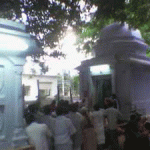
bairavar_temple, Bairavar Temple,palani
Official Address & Contact
Arulmigu Bairavar Temple
Palani, Dindigul District
Tamil Nadu, India
Note: For the most current contact details, please refer to the official temple website or the local Dindigul administration.
{“@context”: “https://schema.org”,“@type”: “HinduTemple”,“name”: “Bairavar Temple Palani”,“alternateName”: “Palani Bhairava Temple”,“description”: “Ancient shrine dedicated to Lord Bairavar (Bhairava) located at the foot of Palani Hill, Dindigul district, Tamil Nadu.”,“url”: “https://www.bharattemples.com/bairavar-temple-palani”,“image”: “https://www.bharattemples.com/images/bairavar-palani.jpg”,“address”: {“@type”: “PostalAddress”,“streetAddress”: “North-West End of Main Street”,“addressLocality”: “Palani”,“addressRegion”: “Dindigul District”,“postalCode”: “624601”,“addressCountry”: “IN”},“geo”: {“@type”: “GeoCoordinates”,“latitude”: 10.4500,“longitude”: 77.5200},“telephone”: “+91-4545-220171”,“openingHoursSpecification”: [{“@type”: “OpeningHoursSpecification”,“dayOfWeek”: “Monday”,“opens”: “05:30”,“closes”: “20:00”},{“@type”: “OpeningHoursSpecification”,“dayOfWeek”: “Tuesday”,“opens”: “05:30”,“closes”: “20:00”},{“@type”: “OpeningHoursSpecification”,“dayOfWeek”: “Wednesday”,“opens”: “05:30”,“closes”: “20:00”},{“@type”: “OpeningHoursSpecification”,“dayOfWeek”: “Thursday”,“opens”: “05:30”,“closes”: “20:00”},{“@type”: “OpeningHoursSpecification”,“dayOfWeek”: “Friday”,“opens”: “05:30”,“closes”: “20:00”},{“@type”: “OpeningHoursSpecification”,“dayOfWeek”: “Saturday”,“opens”: “05:30”,“closes”: “20:00”},{“@type”: “OpeningHoursSpecification”,“dayOfWeek”: “Sunday”,“opens”: “05:30”,“closes”: “20:00”}],“sameAs”: [“https://www.bharattemples.com/bairavar-temple-palani”\]}
