Bhagavad Gita: Chapter 2, Verse 15
Receive daily temple updates, divine darshan, and morning bhajans directly on WhatsApp.
Contents
Chapter 2, Verse 15
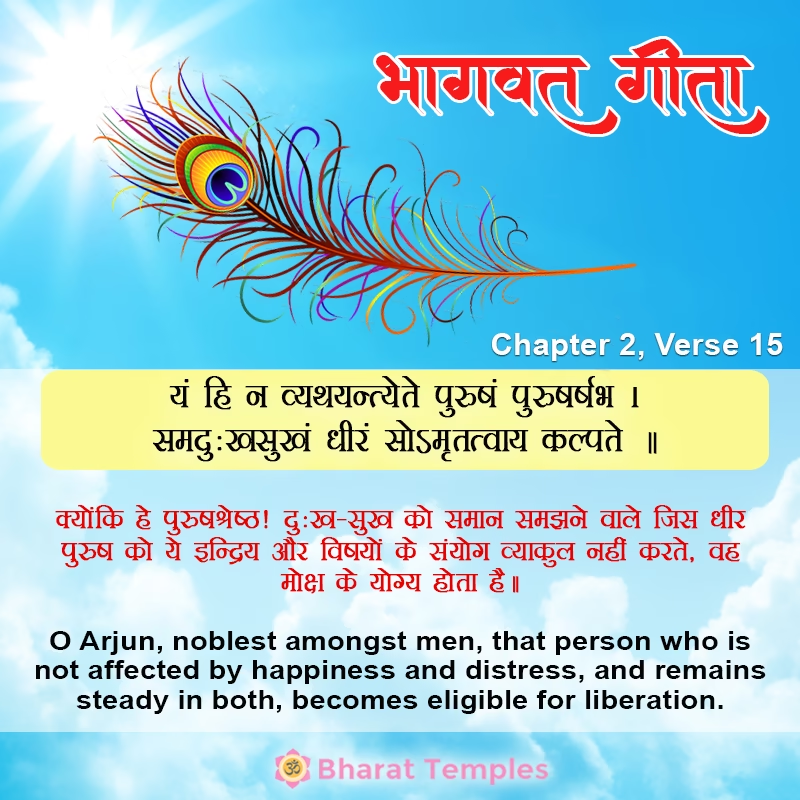
यं हि न व्यथयन्त्येते पुरुषं पुरुषर्षभ |
समदु:खसुखं धीरं सोऽमृतत्वाय कल्पते || 15||
yaṁ hi na vyathayantyete puruṣhaṁ puruṣharṣhabha
sama-duḥkha-sukhaṁ dhīraṁ so ’mṛitatvāya kalpate
भावार्थ:
क्योंकि हे पुरुषश्रेष्ठ! दुःख-सुख को समान समझने वाले जिस धीर पुरुष को ये इन्द्रिय और विषयों के संयोग व्याकुल नहीं करते, वह मोक्ष के योग्य होता है॥15॥
Translation
O Arjun, noblest amongst men, that person who is not affected by happiness and distress, and remains steady in both, becomes eligible for liberation.
Explanation in English:
This verse continues from the previous one and teaches the value of equanimity — a central theme in the Bhagavad Gita.
Let’s break it down:
1. “Yaṁ hi na vyathayanti ete”: “Whom these (pleasure and pain) do not disturb…”
Krishna refers to those who are not shaken by the dual experiences of life — joy and sorrow, success and failure.
2. “Puruṣaṁ puruṣarṣabha”: “O noble man among men, Arjuna…”
Krishna respectfully addresses Arjuna as “puruṣarṣabha”, meaning the best among men, to encourage his strength and valor.
3. “Sama-duḥkha-sukhaṁ dhīraṁ”: “A wise person who is equal in sorrow and happiness…”
Such a person is called dhīra — calm, strong, and composed — who treats both pleasure and pain with the same attitude.
4. “So ’mṛtatvāya kalpate”: “He becomes fit for immortality (moksha).”
One who maintains balance and steadiness in life becomes qualified for liberation, the state beyond birth and death — called amṛtatva (immortality of the soul).
📖 Related: रसिया लागे साँवरिया देखो फागण में रसिया लागे रे रसिया लागे रे
Key Teaching:
True wisdom is not about escaping life’s ups and downs, but about rising above them.
By remaining balanced in all situations, a person becomes spiritually mature and fit for self-realisation and eternal freedom.
Summary:
“He who remains balanced in pleasure and pain, unmoved by circumstances, is truly wise and becomes eligible for liberation.”
This verse teaches that equanimity is the doorway to freedom, and self-mastery leads to the highest goal of life — moksha (liberation).