Nagesvara Temple Bhubaneswar: History, Darshan Timings & Guide
Receive daily temple updates, divine darshan, and morning bhajans directly on WhatsApp.
Contents
- 1 Introduction & Spiritual Essence
- 2 Historical Origins & Scriptural Legend
- 3 Architectural Marvels
- 4 Darshan & Ritual Logistics
- 5 Practical Visitor Guidance
- 6 Pilgrimage Connectivity
Introduction & Spiritual Essence
Located in the ancient city of Bhubaneswar, often called the Temple City of India, the Nagesvara Temple stands as a silent testament to the spiritual fervor of the Kalinga dynasty. Although currently abandoned in its structural form, the temple holds immense significance in the hearts of devotees and heritage enthusiasts alike.
Primary Deity: The temple is dedicated to Lord Shiva (Nagesvara, the Lord of Serpents). While the sanctum sanctorum (garbhagriha) is empty today, the architectural soul of the temple—its sculptural elements and orientation—resonates deeply with Shaivism.
Phalaśruti: The Spiritual Benefits
Devotees visit this sacred site not merely to witness ruins, but to connect with the lingering spiritual energy of the Lingaraja era. According to local tradition, circumambulating the temple premises aids in:
- Cleansing ancestral karma: Offering prayers here is believed to pacify ancestral spirits.
- Protection from malefic influences: The deity Nagesvara is traditionally associated with protection against snake bites and negative planetary alignments (Kala Sarpa Yoga).
- Inner peace: The tranquil, agricultural setting offers a meditative environment distinct from the crowded main temples of Bhubaneswar.
📖 Related: Shri Kali Devi Temple, Patiala: History, Darshan Timings & Guide
Historical Origins & Scriptural Legend
The precise origins of the Nagesvara Temple are shrouded in the mist of time, but architectural analysis places it firmly in the mid-10th century during the Somavamsi dynasty rule.
Scriptural Legend and Sthala Purana
While direct epigraphic evidence is scarce, tradition holds that the temple was constructed to commemorate a local legend involving the Nagas (serpent deities). In the local Sthala Purana, it is believed that a massive serpent guarded a natural Shiva Linga at this spot. The temple was subsequently built to enshrine this self-manifested (Swayambhu) form.
According to temple records and ASI surveys, the temple complex was part of a larger network of shrines built to appease the hydrological deities, given its proximity to the Lingaraja West Canal.
Architectural Marvels
The Nagesvara Temple is a classic example of the Kalingan style of temple architecture, sharing similarities with the nearby Mukteshvara Temple.
Vastu Shastra & Design
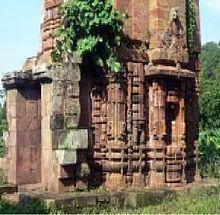
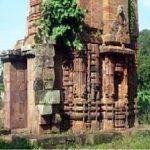
Standing on a raised platform, the temple faces East (Sunrise), adhering to Vastu principles that invite positive morning energy. Although the Shikhara (spire) has suffered damage, the remaining walls display:
- Exterior Material: Ochrous sandstone, which turns golden in the morning light.
- Niches (Rathas): The exterior walls feature deeply carved niches that once held intricate statuary of deities, though the statues are now lost to time.
- Sculptural Details: Remaining carvings depict floral motifs and geometric patterns typical of the 10th-century Somavamsi art.
Current Status: The temple is not yet listed as a UNESCO World Heritage site but is protected under the Archaeological Survey of India (ASI) as a site of national importance.
Darshan & Ritual Logistics
Unlike active major temples, the Nagesvara Temple does not have a fixed schedule of elaborate rituals conducted by temple priests. However, it remains an open site for personal prayer and meditation.
Daily Timings
As an archaeological site, access is generally restricted to daylight hours.
📖 Related: Gurudwara Baba Atal Sahib,Amritsar
| Session | Timing |
|---|---|
| Morning Darshan | 6:00 AM – 12:00 PM |
| Evening Darshan | 4:00 PM – 7:00 PM (Subject to season) |
Sevas and 2026 Festivals
Since this is a protected monument, traditional Abhishekam or Archana performed by priests are not officially scheduled. However, devotees often perform personal offerings.
Key Festivals in 2026:
- Maha Shivaratri (Feb 26, 2026): The temple is illuminated, and devotees gather in large numbers for night-long vigils.
- Shravan Mondays (July–August 2026): Special significance; local devotees carry water from the nearby canal for ritual bathing of the Shiva Linga form.
- Nagula Chavithi (Oct 31, 2026): A festival dedicated to serpent deities, highly relevant to this temple’s name.
Note: Online seva booking is not available for this specific monument. For organized rituals, devotees visit the main Lingaraja Temple located nearby.
Practical Visitor Guidance
Visiting Nagesvara Temple requires a sense of exploration and respect for the local residential community.
Code of Conduct
- Dress Code: Modest attire is required (shoulders and knees covered).
- Photography: Permitted. The play of light on the ochrous sandstone offers excellent photographic opportunities, especially during the golden hour.
- Mobile Lockers: There are no formal locker facilities on-site. It is advisable to carry minimal valuables.
- Accessibility: The site is not fully wheelchair accessible due to uneven terrain and a lack of paved pathways leading directly to the platform.
Crowd Management & Seasonal Advice
- Best Hours: Visit between 8:00 AM and 10:00 AM to avoid the midday heat and enjoy the best natural lighting on the carvings.
- Summer (April–June): Temperatures in Bhubaneswar can exceed 40°C. Carry ample water and wear a hat.
- Monsoon (July–September): The surrounding area may get muddy. Wear sturdy, closed-toe shoes.
Pilgrimage Connectivity
The temple is situated in the heart of Bhubaneswar, making it easily accessible.
How to Reach
- Nearest Airport: Biju Patnaik International Airport (BBI) is approximately 15 km away (30-40 mins by cab).
- Nearest Railway Station: Bhubaneswar Railway Station (BBS) is about 5 km away.
- Road Access: The temple is located just off the Lingaraja West Canal road. It is accessible via NH 16 (formerly NH 5) connecting Kolkata and Chennai.
📖 Related: Mukteshwar Mahadev Temple History & Darshan Timings | Complete Guide
Nearby Sacred Sites (The Pilgrimage Circuit)
Extend your spiritual journey by visiting these nearby landmarks within a 2 km radius:
- Subarnesvara Temple: Located directly across the canal, this temple is known for its unique idol of Lord Shiva.
- Lingaraja Temple: The majestic 11th-century complex that dominates the city skyline (approx. 3 km away).
- Mukteshvara Temple: A gem of Kalingan architecture, featuring a monumental Torana (gateway) (approx. 4 km away).
Photo Gallery
220px-Nageswar-3, Nagesvara Temple, Bhubaneswar, Odisha
FAQ: Frequently Asked Questions
1. Is there a VIP darshan entry at Nagesvara Temple?
As this is an archaeological site managed by the ASI, there is no VIP darshan system. Entry is open to all visitors free of charge.
2. Can I perform a puja inside the sanctum?
Since the sanctum (garbhagriha) is empty and the temple is a protected monument, priests do not conduct daily pujas inside. However, you may offer flowers and prayers from the porch area.
3. What is the historical significance of the “Nagesvara” name?
The name translates to “Lord of Snakes” (Naga + Ishvara). It reflects the ancient association of Shiva with the Nagas, who are considered guardians of underground water sources and treasures.
4. Are there accommodation facilities nearby?
There are no guest houses at the temple site. However, Bhubaneswar offers a wide range of hotels and Dharamshalas near the Lingaraja Temple area, just a short drive away.
5. Is the temple safe for solo female travelers?
Yes, during daylight hours. However, as it is located in a somewhat isolated area near the canal, it is advisable to visit during morning hours when locals are active.