
Contents
Introduction & Spiritual Essence: The Divine Mother of Neerattupuram
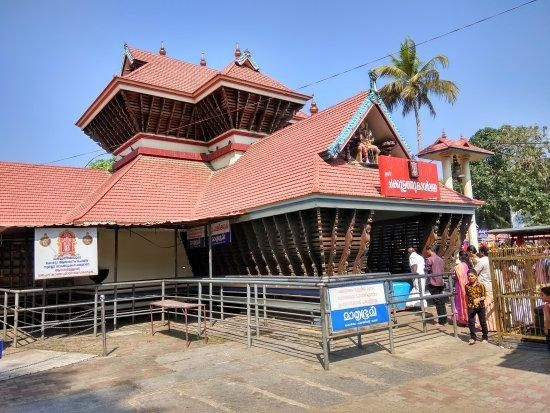
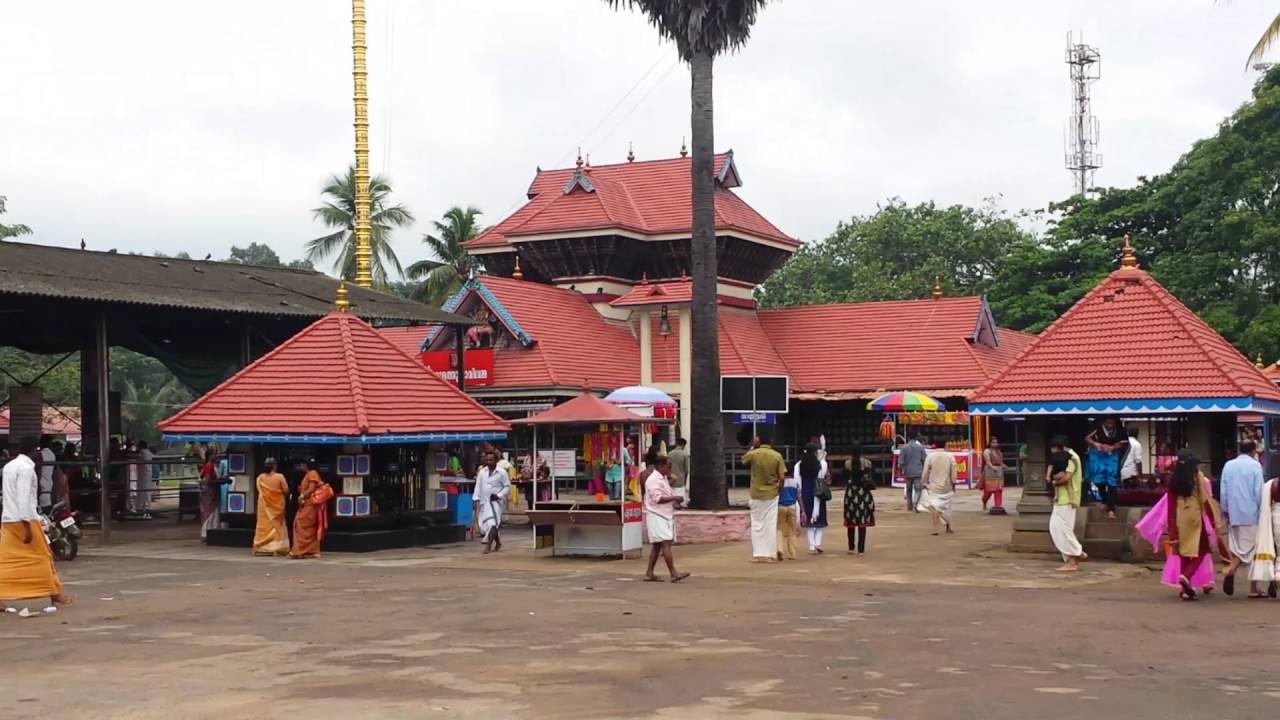
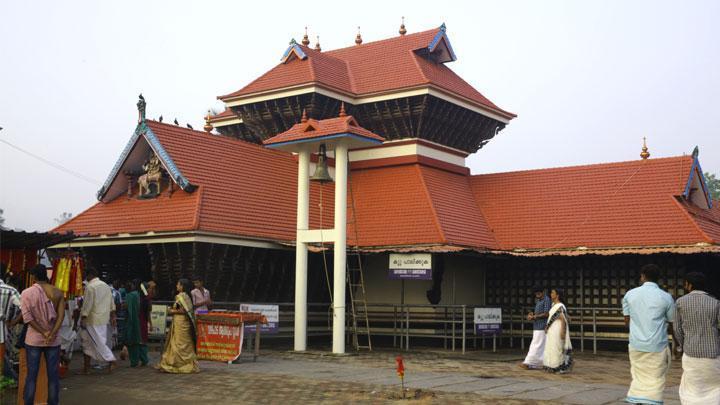
Nestled on the serene banks of the holy Pampa River in Alappuzha, Kerala, stands the ancient Chakkulathukavu Temple, also revered locally as Chakkulathamma. Dedicated primarily to Goddess Durga, this temple is a beacon of Shakti (Divine Feminine Energy) attracting devotees from across South India and beyond. Unlike many ancient shrines hidden deep in forests, Chakkulathukavu has evolved from a humble family temple to one of Kerala’s most revered pilgrimage sites.
The primary deity here is worshipped as a Vana Durga (Forest Goddess), embodying the protective yet benevolent nature of the mother. The presiding deity, Chakkulathamma, is believed to answer the sincere prayers of every devotee, regardless of caste, creed, or status. She is the Ishta Devata (chosen deity) for thousands who seek spiritual solace and material prosperity.
Phalaśruti: Why Visit Chakkulathukavu?
Visiting this temple is believed to yield profound spiritual benefits and tangible blessings:
- Cleansing of Ancestral Karma: Devotees perform rituals like Nazhikettu and Thulabharam to alleviate doshas and bring peace to ancestral spirits.
- Resolution of Family Issues: Known as the Kadha Chellamma (Mother who listens to stories), she is the hearing deity for marital discord, health issues, and financial struggles.
- Women’s Blessings: The temple is particularly famous for empowering women, with rituals like Panthrandu Noyampu and Nari Pooja granting wishes related to fertility and family well-being.
Historical Origins & Scriptural Legend
The history of Chakkulathukavu is steeped in mystery and divine intervention, dating back approximately 3,000 years. The location was originally a dense, fearsome forest where sunlight could barely penetrate, and wild animals roamed freely.
The Legend of the Hunter
Tradition holds that a hunter entered this forest to collect firewood accompanied by his family. He encountered a massive serpent, and in an attempt to protect his family, struck the snake with his axe. To his surprise, the snake was unharmed and slithered away. Driven by the instinct to eliminate the threat, the hunter followed the serpent to a lake. There, he witnessed a miraculous sight: the serpent coiled around a sand mound (Chithalputtu) which cracked open, revealing water, Akshatham (sacred rice), and Darbha (ritual grass). This was the divine emergence of the idol of Goddess Durga.
Etymology and Patronage
According to temple records, the water surrounding the idol was as sweet as jaggery (Chakkara). The area became known as Chakkarkulam, eventually shortened to Chakkulam. The Malayalam word Neeru (water) combined with Puram (place) gave rise to the village name Neerattupuram. While the temple originally served a local family, significant renovations were undertaken in 1981, expanding its structure and installing subsidiary deities.
Architectural Marvels
The temple architecture is a harmonious blend of traditional Kerala Style and Dravida influences, intricately designed according to the principles of Vastu Shastra. The structure is a testament to the wood-carving traditions of Kerala, featuring sloping roofs and a sanctum that radiates ancient tranquility.
- The Sanctum Sanctorum (Sreekovil): The main shrine houses the swayambhu (self-manifested) idol of Goddess Durga in a standing posture with eight hands (Ashtadasabhuja), holding various weapons.
- The Mandapas: The temple features a spacious Nalambalam (courtyard) that facilitates the traditional circumambulation (Pradakshina). The Mukha Mandapam (front hall) is where the pious ritual of Nari Pooja takes place.
- Subsidiary Shrines: The temple complex includes sanctums for Lord Shiva, Sastha (Ayyappa), Lord Vishnu, Lord Ganesha, Lord Muruga, Yakshi, Serpent Gods, and Navagrahas, making it a holistic spiritual center.
Darshan & Ritual Logistics (2026 Update)
Visitors are encouraged to check the official temple website or contact the office for real-time updates, especially during festival seasons. The temple administration has streamlined the booking process for sevas to ensure a smooth experience.
Daily Temple Timings
| Period | Timings | Details |
|---|---|---|
| Morning | 04:00 AM – 11:30 AM | Opens with Nirmalyam; Darshan closes during noon rest. |
| Afternoon | 05:00 PM – 08:00 PM | Deeparadhana and night Pooja. |
| Off Days | None | Open daily, subject to local holidays. |
Key Sevas & Online Booking
Devotees can book the following Sevas online via the official Kerala Devaswom Board portal or the temple committee website:
- Abhishekam: Performed with milk, honey, and sandalwood paste. (Time: 7:00 AM)
- Archana: Individual prayer rituals with specific offerings.
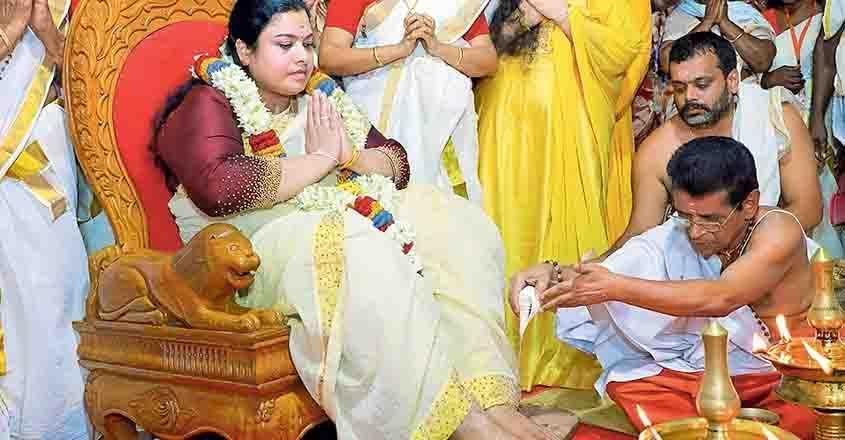
- Nari Pooja (Ritual of Purity): Held on the first Friday of December. Women who have observed the 10-day Panthrandu Noyampu fast participate in this ritual where the male priest washes their feet.
- Nazhikettu: A special offering tied to the wrists for fulfilling wishes.
2026 Major Festival Dates
Plan your visit around these spiritually potent days. Note that the temple gets exceptionally crowded on these days.
- Maha Navami / Ayudha Puja: April 1, 2026
- Vishu (Kerala New Year): April 14, 2026
- Nari Pooja (First Friday of December): December 4, 2026
- Chakkulathukavu Pongala: December 12, 2026 (Exact date TBD by the temple association)
Practical Visitor Guidance
Code of Conduct & Facilities
- Dress Code: Traditional attire is mandatory. Men should wear dhotis (wearing a shirt is optional but recommended), and women should wear sarees or full-length skirts/blouses. Jeans and shorts are strictly prohibited.
- Photography: Photography is strictly prohibited inside the sanctum sanctorum and during ritual offerings. However, visitors can take photos in the outer courtyards and exhibition grounds.
- Mobile Lockers: Security checks are enforced at the entrance. Mobile phones and cameras must be deposited in the free locker facilities provided at the temple entrance.
- Accessibility: The temple complex is generally accessible, but the sanctum involves stairs. Wheelchair access is available for the outer compound and dining halls.
Crowd Management & Seasonal Advice
The temple sees a massive influx during the Pongala and December seasons.
- Best Hours to Visit: Early morning (5:30 AM – 7:00 AM) or late evening (6:30 PM – 8:00 PM) to avoid heavy crowds.
- Summer (April – May): Kerala can be extremely humid. Carry a water bottle (outside food is restricted) and a hand fan.
- Monsoon (June – August): Carry an umbrella and wear slip-resistant footwear as the granite floors can become slippery.
Pilgrimage Connectivity
How to Reach
- By Air: The nearest airport is Trivandrum International Airport (TRV), approximately 105 km away. Alternatively, Kochi International Airport (COK) is about 85 km away.
- By Rail: The nearest major railway station is Alappuzha (Allp) (approx. 25 km). Changanassery station is also a viable option (approx. 25 km). Taxis and local buses are readily available from these stations.
- By Road: The temple is located on the Ambalappuzha – Thiruvalla Road. It connects to NH 66 (formerly NH 47). Buses from Alappuzha (Route No. 41) stop directly at Neerattupuram.
Nearby Sacred Sites
Extend your pilgrimage to include these nearby destinations:
- Ambalappuzha Sree Krishna Temple: Famous for its milk pudding (Payasam) and unique temple architecture, located about 20 km away.
- Chettikulangara Devi Temple: Known for the Kumbha Bharani festival and votive offerings (Kodiyettam).
- Karumadi Kuttan: A 9th-century black granite statue of Lord Buddha, symbolizing Kerala’s Buddhist history, located nearby.
Frequently Asked Questions (FAQ)
1. Is there a VIP darshan entry at Chakkulathukavu Temple?
Yes, the temple administration offers a priority darshan facility for senior citizens, persons with disabilities, and for those who have booked specific Sevas like Abhishekam in advance. However, during peak festivals like Pongala, general darshan lines are segregated but VIP queues may be suspended due to heavy crowds.
2. Can we offer Pongala inside the temple premises?
During the main Pongala festival, the temple premises and surrounding streets are reserved exclusively for women devotees to cook the Pongala offering. Men are allowed to facilitate the logistics but are generally restricted from the core cooking areas. A special ceremony is held where the main fire (Pattu) is lit by the Chief Priest and distributed to devotees.
3. What are the accommodation options nearby?
The temple has its own guest house and facility for pilgrim rest. Additionally, numerous private lodges and homestays are available in Ambalappuzha and Alappuzha town (25-30 minutes drive). It is advisable to book in advance during December and festival seasons.
4. Is there any specific ritual for childless couples?
Many childless couples visit Chakkulathukavu to perform the Nazhikettu offering and the Nari Pooja. It is believed that offering a lemon at the Sastha shrine within the complex (known as Velutha Sastha) can bless couples with offspring.
5. Is non-vegetarian food allowed in the area?
No. As a mark of respect to the sanctity of the temple, the entire area within a 2 km radius is strictly vegetarian. Alcohol and non-vegetarian food are prohibited.
Recent Posts

ओ सांवरे तूने ही मुझको संभाला – Lyrics & Meaning
ओ सांवरे तूने ही मुझको संभाला – A Prayer to Shyam Origin & Spiritual Essence Why This Bhajan Resonates Devotees chant this when overwhelmed by life’s storms—the refrain ‘तूने ही मुझको संभाला’ is the soul’s sigh of relief: “You…

कथा ये है महाराज मेरे की – Lyrics & Meaning
कथा ये है महाराज मेरे की छत्रपति संभाजी महाराज – A Prayer to Chhatrapati Sambhaji Maharaj Origin & Spiritual Essence Why This Bhajan Resonates Devotees chant this when their spirit feels tested—its powerful refrain “महाराज मेरे” is a soul’s…

Rigveda Samhita Yathartha Anuvada (ऋग्वेद संहिता यथार्थ अनुवाद) – Complete Set with Anvayartha & Hindi/English Translation
The Rigveda is the oldest surviving scripture of humanity and the foundational text of Sanātana Dharma. For serious students, scholars, UPSC aspirants studying ancient Indian history, Sanskrit learners, and spiritual seekers, a precise and grammatically structured translation is indispensable.…

आना भी अकेला है जाना भी अकेला है – Lyrics & Meaning | BharatTemples
आना भी अकेला है जाना भी अकेला है – A Prayer to the Divine Witness Origin & Spiritual Essence Why This Bhajan Resonates Devotees turn to this bhajan in moments of deep reflection—when life’s attachments begin to ache. The…

माता शेरावाली के द्वार जो भी जाता है – Lyrics & Meaning
माता शेरावाली के द्वार जो भी जाता है – A Prayer to Maa Sherawali Origin & Spiritual Essence Why This Bhajan Resonates Devotees turn to this bhajan in times of fear or uncertainty—its promise that no one leaves Maa’s…

मार लेना सपणी उबार लेणा भवरा – Lyrics & Meaning
मार लेना सपणी उबार लेणा भवरा – A Prayer to the Divine Beloved Origin & Spiritual Essence Why This Bhajan Resonates Devotees chant this in moments of deep vulnerability—its cry of “मार लेना सपणी, उबार लेणा भवरा” is the…

हमें श्याम सुंदर भरोसा तुम्हारा – Lyrics & Meaning
हमें श्याम सुंदर भरोसा तुम्हारा – A Prayer to Shyam Sundar Origin & Spiritual Essence Why This Bhajan Resonates Devotees chant this when feeling alone—its refrain ‘de do sahara’ is the soul’s cry for divine support. Lyrics in Hindi…

Mere Satguru Ne Di Thi Davai Lyrics in Hindi & Meaning
Mere Satguru Ne Di Thi Davai: Invoking the Guru’s Liberating Wisdom This soul-stirring bhajan venerates the Satguru (True Spiritual Master) as the divine physician who dispenses the only remedy for life’s deepest sufferings. Composed by Sant Karmaveer Tufani, it…

Janm Diyo Thari Maa Dukh Dekhiyo Lyrics in Hindi & Meaning
जन्म दियो थारी माँ दुख देखियो (Maa’s Grief Upon Birthing You) This soul-stirring Chetavani Bhajan (admonitory hymn) is addressed to the Divine Mother (Maa) – a call for repentance when children forget their filial duties in the dark age…
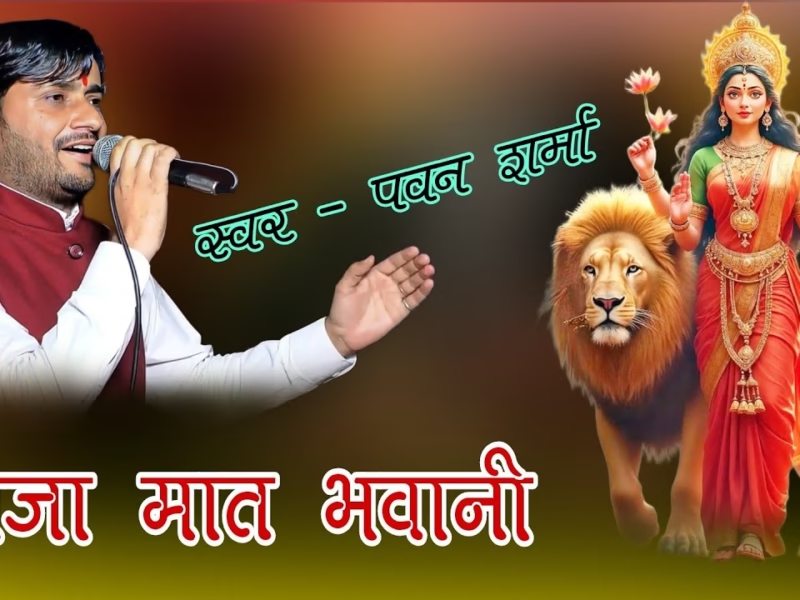
Bhadi Sabha Mein Thane Manaun Lyrics in Hindi & Meaning
Bhadi Sabha Mein Thane Manaun: Invoking the Spear-Wielding Mother Mata Bhawani (श्री ज्वाला भवानी), the fiery manifestation of Shakti worshipped as the Protector of Dharma in Her Dhaulagarh sanctum. Origin & Spiritual Essence Composed in Rajasthani folk tradition by…