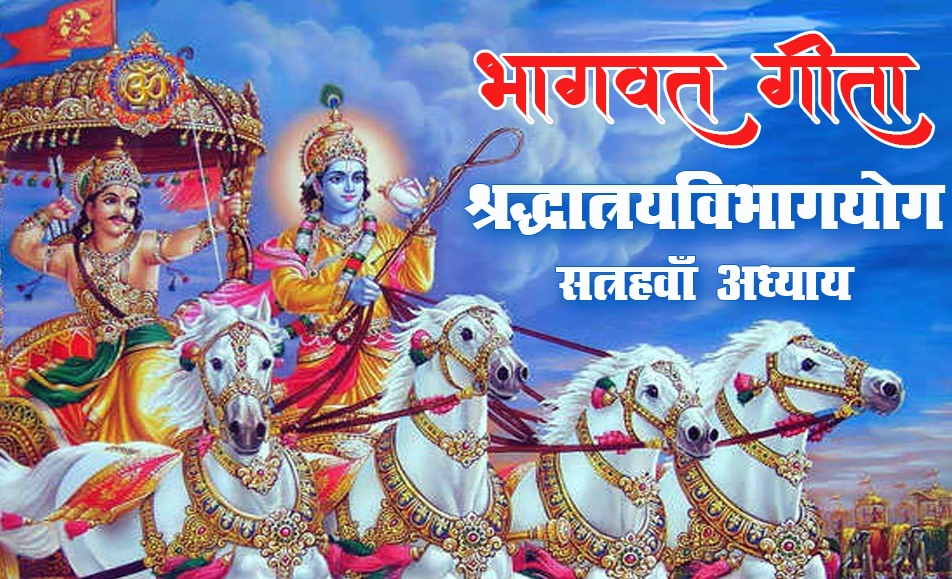
Chapter 17 – The Bhagawad Gita
Receive daily temple updates, divine darshan, and morning bhajans directly on WhatsApp.
📲 Join Bhagavad Gita WhatsApp Channel
ॐ तत्सदिति श्रीमद्भगवद्गीतासूपनिषत्सु ब्रह्मविद्यायां योगशास्त्रे
श्री कृष्णार्जुनसंवादे श्रद्धात्रयविभागयोगो नाम सप्तदशोऽध्याय : ॥17॥
Chapter 17 – The Bhagawad Gita
ये शास्त्रविधिमुत्सृज्य यजन्ते श्रद्धयान्विताः।तेषां निष्ठा तु का कृष्ण सत्त्वमाहो रजस्तमः॥
Arjun said: O Krishna, where do they stand who disregard the injunctions of the scriptures, but still worship with faith? Is their faith in the mode of goodness, passion, or ignorance?
त्रिविधा भवति श्रद्धा देहिनां सा स्वभावजा।सात्त्विकी राजसी चैव तामसी चेति तां श्रृणु॥
The Supreme Divine Personality said: Every human being is born with innate faith, which can be of three kinds—sāttvic, rājasic, or tāmasic. Now hear about this from me.
सत्त्वानुरूपा सर्वस्य श्रद्धा भवति भारत।श्रद्धामयोऽयं पुरुषो यो यच्छ्रद्धः स एव सः॥
The faith of all humans conforms to the nature of their mind. All people possess faith, and whatever the nature of their faith, that is verily what they are.
यजन्ते सात्त्विका देवान्यक्षरक्षांसि राजसाः।प्रेतान्भूतगणांश्चान्ये जयन्ते तामसा जनाः॥
Those in the mode of goodness worship the celestial gods; those in the mode of passion worship the yakṣhas and rākṣhasas; those in the mode of ignorance worship ghosts and spirits.
अशास्त्रविहितं घोरं तप्यन्ते ये तपो जनाः।दम्भाहङ्कारसंयुक्ताः कामरागबलान्विताः॥
Some people perform stern austerities that are not enjoined by the scriptures, but rather motivated by hypocrisy and egotism. Impelled by desire and attachment,
कर्शयन्तः शरीरस्थं भूतग्राममचेतसः।मां चैवान्तःशरीरस्थं तान्विद्ध्यासुरनिश्चयान्॥
they torment not only the elements of their body, but also I who dwell within them as the Supreme Soul. Know these senseless people to be of demoniacal resolves.
आहारस्त्वपि सर्वस्य त्रिविधो भवति प्रियः।यज्ञस्तपस्तथा दानं तेषां भेदमिमं श्रृणु॥
The food persons prefer is according to their dispositions. The same is true for the sacrifice, austerity, and charity they incline toward. Now hear of the distinctions from me.
📖 Related: Chapter 5: Uthama Charitha
आयुः सत्त्वबलारोग्यसुखप्रीतिविवर्धनाः।रस्याः स्निग्धाः स्थिरा हृद्या आहाराः सात्त्विकप्रियाः॥
Persons in the mode of goodness prefer foods that promote the life span, and increase virtue, strength, health, happiness, and satisfaction. Such foods are juicy, succulent, nourishing, and naturally tasteful.
कट्वम्ललवणात्युष्णतीक्ष्णरूक्षविदाहिनः।आहारा राजसस्येष्टा दुःखशोकामयप्रदाः॥
Foods that are too bitter, too sour, salty, very hot, pungent, dry, and chiliful, are dear to persons in the mode of passion. Such foods produce pain, grief, and disease.
यातयामं गतरसं पूति पर्युषितं च यत्।उच्छिष्टमपि चामेध्यं भोजनं तामसप्रियम्॥
Foods that are overcooked, stale, putrid, polluted, and impure are dear to persons in the mode of ignorance.
अफलाकाङ्क्षिभिर्यज्ञो विधिदृष्टो य इज्यते।यष्टव्यमेवेति मनः समाधाय स सात्त्विकः॥
Sacrifice that is performed according to the scriptural injunctions without expectation of rewards, with the firm conviction of the mind that it is a matter of duty is of the nature of goodness.
अभिसन्धाय तु फलं दम्भार्थमपि चैव यत्।इज्यते भरतश्रेष्ठ तं यज्ञं विद्धि राजसम्॥
O best of the Bharatas, know that sacrifice, which is performed for material benefit, or with hypocritical aim, to be in the mode of passion.
विधिहीनमसृष्टान्नं मन्त्रहीनमदक्षिणम्।श्रद्धाविरहितं यज्ञं तामसं परिचक्षते॥
Sacrifice devoid of faith and contrary to the injunctions of the scriptures, in which no food is offered, no mantras chanted, and no donation made, is to be considered in the mode of ignorance.
देवद्विजगुरुप्राज्ञपूजनं शौचमार्जवम्।ब्रह्मचर्यमहिंसा च शारीरं तप उच्यते॥
Worship of the Supreme Lord, the Brahmins, the spiritual master, the wise, and the elders—when this is done with the observance of cleanliness, simplicity, celibacy, and non-violence—is declared as the austerity of the body.
अनुद्वेगकरं वाक्यं सत्यं प्रियहितं च यत्।स्वाध्यायाभ्यसनं चैव वाङ्मयं तप उच्यते॥
Words that do not cause distress, are truthful, inoffensive, and beneficial, as well as the regular recitation of the Vedic scriptures—these are declared as the austerity of speech.
मनः प्रसादः सौम्यत्वं मौनमात्मविनिग्रहः।भावसंशुद्धिरित्येतत्तपो मानसमुच्यते॥
Serenity of thought, gentleness, silence, self-control, and purity of purpose—all these are declared as the austerity of the mind.
श्रद्धया परया तप्तं तपस्तत्त्रिविधं नरैः।अफलाकाङ्क्षिभिर्युक्तैः सात्त्विकं परिचक्षते॥
When devout persons with ardent faith practice these three-fold austerities without yearning for material rewards, they are designated as austerities in the mode of goodness.
सत्कारमानपूजार्थं तपो दम्भेन चैव यत्।क्रियते तदिह प्रोक्तं राजसं चलमध्रुवम्॥
Austerity that is performed with ostentation for the sake of gaining honor, respect, and adoration is in the mode of passion. Its benefits are unstable and transitory.
मूढग्राहेणात्मनो यत्पीडया क्रियते तपः।परस्योत्सादनार्थं वा तत्तामसमुदाहृतम्॥
Austerity that is performed by those with confused notions, and which involves torturing the self or harming others, is described to be in the mode of ignorance.
दातव्यमिति यद्दानं दीयतेऽनुपकारिणे।देशे काले च पात्रे च तद्दानं सात्त्विकं स्मृतम्॥
Charity given to a worthy person simply because it is right to give, without consideration of anything in return, at the proper time and in the proper place, is stated to be in the mode of goodness.
यत्तु प्रत्युपकारार्थं फलमुद्दिश्य वा पुनः।दीयते च परिक्लिष्टं तद्दानं राजसं स्मृतम्॥
But charity given with reluctance, with the hope of a return or in expectation of a reward, is said to be in the mode of passion.
अदेशकाले यद्दानमपात्रेभ्यश्च दीयते।असत्कृतमवज्ञातं तत्तामसमुदाहृतम्॥
And that charity, which is given at the wrong place and wrong time to unworthy persons, without showing respect, or with contempt, is held to be of the nature of nescience.
ॐ तत्सदिति निर्देशो ब्रह्मणस्त्रिविधः स्मृतः।ब्राह्मणास्तेन वेदाश्च यज्ञाश्च विहिताः पुरा॥
The words “Om Tat Sat” have been declared as symbolic representations of the Supreme Absolute Truth, from the beginning of creation. From them came the priests, scriptures, and sacrifice.
तस्मादोमित्युदाहृत्य यज्ञदानतपः क्रियाः।प्रवर्तन्ते विधानोक्तः सततं ब्रह्मवादिनाम्॥
Therefore, when performing acts of sacrifice, offering charity, or undertaking penance, expounders of the Vedas always begin by uttering “Om” according to the prescriptions of Vedic injunctions.
तदित्यनभिसन्दाय फलं यज्ञतपःक्रियाः।दानक्रियाश्चविविधाः क्रियन्ते मोक्षकाङ्क्षिभिः॥
Persons who do not desire fruitive rewards, but seek to be free from material entanglements, utter the word “Tat” along with acts of austerity, sacrifice, and charity.
सद्भावे साधुभावे च सदित्यतत्प्रयुज्यते।प्रशस्ते कर्मणि तथा सच्छब्दः पार्थ युज्यते॥
The word “Sat” means eternal existence and goodness. O Arjun, it is also used to describe an auspicious action. Being established in the performance of sacrifice, penance, and charity, is also described by the word “Sat.” And so any act for such purposes is named “Sat.”
📖 Related: Sri Dathathreya Dwadasa Nama Stotram
यज्ञे तपसि दाने च स्थितिः सदिति चोच्यते।कर्म चैव तदर्थीयं सदित्यवाभिधीयते॥
The word “Sat” means eternal existence and goodness. O Arjun, it is also used to describe an auspicious action. Being established in the performance of sacrifice, penance, and charity, is also described by the word “Sat.” And so any act for such purposes is named “Sat.”
अश्रद्धया हुतं दत्तं तपस्तप्तं कृतं च यत्।असदित्युच्यते पार्थ न च तत्प्रेत्य नो इह॥
O son of Pritha, whatever acts of sacrifice or penance are done without faith, are termed as “Asat.” They are useless both in this world and the next.