
Contents
- 1 Introduction & Spiritual Essence
- 2 Historical Origins & Scriptural Legend
- 3 Architectural Marvels
- 4 Darshan & Ritual Logistics
- 5 Practical Visitor Guidance
- 6 Pilgrimage Connectivity
- 7 Frequently Asked Questions (FAQs)
- 7.1 1. Is there a VIP Darshan entry available?
- 7.2 2. What is the significance of the name “Vedi Sasthan Kovil”?
- 7.3 3. Are devotees allowed to perform Abhishekam themselves?
- 7.4 4. Is non-vegetarian food allowed inside the temple premises?
- 7.5 5. What is the best time to visit Makara Vilakku?
- 7.6 Contact Details (General Inquiry)
Introduction & Spiritual Essence
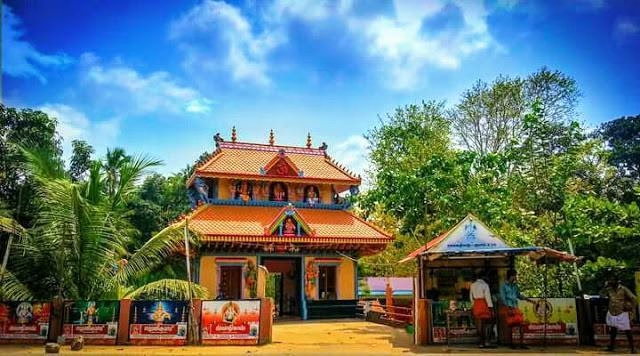
Perched serenely on the banks of the Kuzhithurai River, the Dharma Shasta Temple in Vettuveni, Marthandam, stands as a beacon of righteousness and devotion. Though often referred to locally as the Vettuveni Temple or Vedi Sasthan Kovil, the sanctity of this shrine is rooted in its dedication to Lord Ayyappan (Dharma Shasta).
The temple’s alternate name, Vedi Sasthan Kovil, derives from the practice of bursting firecrackers as a solemn offering and a mark of prayer to Lord Ayyappa. This ritual is not merely celebratory but symbolic of the destruction of negative energies and the awakening of the inner self.
Phalaśruti: The Benefits of Visit
Devotees flock to this temple seeking the blessings of Lord Ayyappan, who embodies Dharma (righteousness) and Tapas (meditation). The spiritual atmosphere of Vettuveni is believed to offer:
- Cleansing Ancestral Karma: Performing rituals here is said to help resolve pitru doshas (ancestral defects).
- Relief from Obstacles: Lord Ayyappan is the granter of wishes (Isthta Siddhi), particularly for those facing delays in marriage or career progression.
- Protection and Health: The proximity to the river element and the presence of powerful deities within the complex ensure holistic well-being.
Historical Origins & Scriptural Legend
While specific historical records regarding the exact century of construction are sparse in public archives, the Dharma Shasta Temple is deeply embedded in the cultural fabric of Kanyakumari.
Builders and Legacy
According to temple records and the architectural sensibilities prevalent in the region, the structure follows traditional Dravidian norms, likely expanded or reconstructed during the periods of local chieftains following the sovereignty of the Travancore Kingdom. The temple has undergone renovations to preserve its stone carvings and the sanctity of the sanctum sanctorum (Garbhagriha).
Scriptural Legend and Sthala Purana
Lord Ayyappan, also known as Dharma Shasta, is considered the son of Lord Shiva and Mohini (the female form of Lord Vishnu). The legend at Vettuveni intertwines with the broader lore of Ayyappa: his birth to eradicate the demoness Mahishi and his subsequent existence as a brahmachari.
Tradition holds that the site in Vettuveni was chosen for its powerful Prana Shakti (vital energy), located on the banks of the Kuzhithurai River. The term “Vettuveni” suggests a connection to the landscape—perhaps a clearing or a specific geomancy that aids in meditation. The local folklore speaks of the river’s waters carrying the spiritual merit of the rituals performed at the temple.
Architectural Marvels
The temple is a classic example of South Indian temple architecture, specifically the Dravidian style. It embodies the principles of Vastu Shastra, oriented to align with cosmic energies.
Structural Elements
- Garbhagriha (Sanctum Sanctorum): The innermost shrine houses the idol of Dharma Shasta, typically depicted in a meditative posture or standing with a bow and arrows, carved from stone or metal (Panchaloha).
- Mandapas (Halls): The temple features pillared halls that allow devotees to circumambulate the sanctum and witness the rituals. The pillars often depict stories from Hindu scriptures.
- Rajagopuram: While specific details on the towering gopuram are standard to the region, the entrance gate acts as a transition from the mundane world to the sacred precincts.
Note on ASI/UNESCO Status: This temple is a living heritage site administered by local religious trusts. While it may not feature on the UNESCO World Heritage list (which covers monumental complexes like Thanjavur), it holds immense heritage value for the local community and the wider diaspora of Ayyappa devotees.
Darshan & Ritual Logistics
To ensure a smooth spiritual experience, devotees should familiarize themselves with the daily schedule and available Sevas. As we move through 2026, the following timings and major festival dates are anticipated (based on traditional Tamil and Malayalam calendars).
Daily Timings
| Session | Timings | Activity |
|---|---|---|
| Morning | 05:30 AM – 11:00 AM | Ushatkala Pooja, Abhishekam, Seeveli |
| Noon | 11:00 AM – 12:00 PM | Deeparadhana (Rest Period) |
| Evening | 05:00 PM – 08:00 PM | Aysha Pooja, Deeparadhana |
*Timings may vary during festival seasons. It is recommended to contact the temple office prior to travel.
Key Sevas & Online Booking
Devotees can offer various Sevas (services) to Lord Ayyappan:
- Abhishekam: Ritual bathing of the deity with milk, honey, sandalwood paste, and sacred waters. Timing: Morning 8:00 AM – 10:00 AM.
- Archana (Sahasranama Archana): Recitation of 1008 names of Lord Ayyappa. Timing: Available throughout the day.
- Neyyabhishekam: Pouring ghee over the idol (symbolic of consecration).
- Vedi Pooja: The unique firecracker ritual associated with Vettuveni.
Online Booking: While physical booking is available at the counter, the temple trust is likely to have introduced online platforms for Seva booking by 2026. Devotees should check the official Tamil Nadu Temples portal or the local trust website for “Dharma Shasta Temple Vettuveni Seva Booking.”
2026 Major Festival Dates (Tentative)
- Makara Vilakku: January 14, 2026 (Pongal period – Peak attendance).
- Thirukalyanam (The Divine Wedding): January 15, 2026.
- Vishu: April 14, 2026 (Malayalam New Year).
- Karthigai Deepam: November 2026 (Dates vary by lunar calendar).
Practical Visitor Guidance
To ensure a respectful and hassle-free visit, please adhere to the following guidelines.
Dress Code & Etiquette
The temple maintains a traditional dress code. Men are required to wear Veshti (dhoti) or formal trousers with a shirt. Women should wear Saree, Salwar Kameez, or traditional full-length attire. Western casual wear such as shorts, sleeveless tops, or torn jeans is strictly discouraged.
Photography & Electronics
- Photography: Strictly prohibited inside the sanctum sanctorum. Photography in the outer corridors may be allowed based on the discretion of the temple authorities.
- Mobile Lockers: The temple typically provides mobile storage facilities (safe deposit) for a nominal fee. It is advisable to lock away phones and cameras before entering the inner shrine.
Crowd Management & Seasonal Advice
- Best Hours: Early mornings (5:30 AM – 7:00 AM) and late evenings offer a quieter Darshan experience.
- Seasonal Tips:
- Summer (March – June): Kanyakumari experiences high humidity. Carry a reusable water bottle (refills available), a hand fan, and wear cotton fabrics.
- Monsoon (October – November): The region receives heavy rainfall. Umbrellas and waterproof footwear are essential.
- Accessibility: The temple grounds are generally level, but there are steps leading to the sanctum. Elderly devotees may require assistance.
Pilgrimage Connectivity
The temple is strategically located on the bustling National Highway 47 (NH-47), connecting Trivandrum (Kerala) to Nagercoil (Tamil Nadu).
How to Reach
- By Road: The temple is located just off NH-47, approximately 1.5 Kms from the Kuzhithurai Bus Stop. Marthandam is the nearest major town (4 Kms away). Regular buses ply between Trivandrum and Nagercoil.
- By Rail: The nearest major railway station is Kuzhithurai Railway Station (Cape-TVC route). It is well-connected to Chennai, Bangalore, and Mumbai. Most express trains halt here.
- By Air: The nearest airport is Trivandrum International Airport (COK), located approximately 46 Kms away. Taxis and buses are available from the airport to Marthandam.
Nearby Sacred Sites (The Pilgrimage Circuit)
While visiting Vettuveni, consider exploring these nearby spiritual centers:
- Thiruvattaru Adikesava Perumal Temple: Located 7 Kms away. Famous for its massive Vishnu idol and the stunning Kailasapuram tank.
- Kanyakumari Amman Temple: Located 48 Kms away. The southernmost tip of India, dedicated to Goddess Kanyakumari.
- Udayagiri Fort & Sivan Temple: Located 14 Kms away in Thuckalay. A historic fort with a temple complex atop a hillock.
Frequently Asked Questions (FAQs)
1. Is there a VIP Darshan entry available?
The concept of VIP Darshan varies by temple management. Typically, special entry tickets allow for a shorter waiting time. It is recommended to check at the temple office upon arrival for any special pass provisions.
2. What is the significance of the name “Vedi Sasthan Kovil”?
The name refers to the specific ritual of Vedi (firecrackers) burst. In ancient traditions, sound was used to dispel evil forces and negative vibrations. The loud blast symbolizes the destruction of ignorance.
3. Are devotees allowed to perform Abhishekam themselves?
Generally, the temple priests perform the Abhishekam. However, under specific Seva booking options, devotees may be permitted to pour milk or water on the deity under the guidance of the priest.
4. Is non-vegetarian food allowed inside the temple premises?
No. The Dharma Shasta Temple is a strict vegetarian sanctuary. Alcohol, smoking, and non-vegetarian food are strictly prohibited within the temple premises and should be avoided before visiting.
5. What is the best time to visit Makara Vilakku?
Makara Vilakku (mid-January) is the most auspicious time. However, the temple is extremely crowded. Arriving 2-3 days prior to the festival is advisable for a peaceful Darshan and accommodation availability.
Contact Details (General Inquiry)
Address: Dharma Shasta Temple, Vettuveni, Marthandam, Kanyakumari District, Tamil Nadu.
Phone: Please contact the Kanyakumari Hindu Religious and Charitable Endowments (HR&CE) office or local trust for updated contact numbers.
Recent Posts

ओ सांवरे तूने ही मुझको संभाला – Lyrics & Meaning
ओ सांवरे तूने ही मुझको संभाला – A Prayer to Shyam Origin & Spiritual Essence Why This Bhajan Resonates Devotees chant this when overwhelmed by life’s storms—the refrain ‘तूने ही मुझको संभाला’ is the soul’s sigh of relief: “You…

कथा ये है महाराज मेरे की – Lyrics & Meaning
कथा ये है महाराज मेरे की छत्रपति संभाजी महाराज – A Prayer to Chhatrapati Sambhaji Maharaj Origin & Spiritual Essence Why This Bhajan Resonates Devotees chant this when their spirit feels tested—its powerful refrain “महाराज मेरे” is a soul’s…

Rigveda Samhita Yathartha Anuvada (ऋग्वेद संहिता यथार्थ अनुवाद) – Complete Set with Anvayartha & Hindi/English Translation
The Rigveda is the oldest surviving scripture of humanity and the foundational text of Sanātana Dharma. For serious students, scholars, UPSC aspirants studying ancient Indian history, Sanskrit learners, and spiritual seekers, a precise and grammatically structured translation is indispensable.…

आना भी अकेला है जाना भी अकेला है – Lyrics & Meaning | BharatTemples
आना भी अकेला है जाना भी अकेला है – A Prayer to the Divine Witness Origin & Spiritual Essence Why This Bhajan Resonates Devotees turn to this bhajan in moments of deep reflection—when life’s attachments begin to ache. The…

माता शेरावाली के द्वार जो भी जाता है – Lyrics & Meaning
माता शेरावाली के द्वार जो भी जाता है – A Prayer to Maa Sherawali Origin & Spiritual Essence Why This Bhajan Resonates Devotees turn to this bhajan in times of fear or uncertainty—its promise that no one leaves Maa’s…

मार लेना सपणी उबार लेणा भवरा – Lyrics & Meaning
मार लेना सपणी उबार लेणा भवरा – A Prayer to the Divine Beloved Origin & Spiritual Essence Why This Bhajan Resonates Devotees chant this in moments of deep vulnerability—its cry of “मार लेना सपणी, उबार लेणा भवरा” is the…

हमें श्याम सुंदर भरोसा तुम्हारा – Lyrics & Meaning
हमें श्याम सुंदर भरोसा तुम्हारा – A Prayer to Shyam Sundar Origin & Spiritual Essence Why This Bhajan Resonates Devotees chant this when feeling alone—its refrain ‘de do sahara’ is the soul’s cry for divine support. Lyrics in Hindi…

Mere Satguru Ne Di Thi Davai Lyrics in Hindi & Meaning
Mere Satguru Ne Di Thi Davai: Invoking the Guru’s Liberating Wisdom This soul-stirring bhajan venerates the Satguru (True Spiritual Master) as the divine physician who dispenses the only remedy for life’s deepest sufferings. Composed by Sant Karmaveer Tufani, it…

Janm Diyo Thari Maa Dukh Dekhiyo Lyrics in Hindi & Meaning
जन्म दियो थारी माँ दुख देखियो (Maa’s Grief Upon Birthing You) This soul-stirring Chetavani Bhajan (admonitory hymn) is addressed to the Divine Mother (Maa) – a call for repentance when children forget their filial duties in the dark age…
Bhadi Sabha Mein Thane Manaun Lyrics in Hindi & Meaning
Bhadi Sabha Mein Thane Manaun: Invoking the Spear-Wielding Mother Mata Bhawani (श्री ज्वाला भवानी), the fiery manifestation of Shakti worshipped as the Protector of Dharma in Her Dhaulagarh sanctum. Origin & Spiritual Essence Composed in Rajasthani folk tradition by…