

Contents
Introduction & Spiritual Essence
Nestled at the foothills of Chandra Bharati hill in Rajaduar, North Guwahati, the Doul Govinda Temple stands as a beacon of devotion on the northern banks of the mighty Brahmaputra. Dedicated to Lord Krishna (Govinda), this temple is one of the most significant spiritual landmarks in the Kamrup district of Assam. The presiding deity is worshipped in the form of a Swayambhu (self-manifested) murti, which devotees believe radiates immense divine energy.
Phalaśruti (Spiritual Benefits): Devotees visit the Doul Govinda Temple seeking blessings for spiritual upliftment and the dissolution of past karmic debts. It is traditionally believed that offering prayers here brings prosperity, removes obstacles in marriage and career, and fulfills the heartfelt desires (mannat) of the devotee. The temple is particularly known for purifying the soul, much like the cleansing waters of the Brahmaputra that flow eternally beside it.
Historical Origins & Scriptural Legend
The history of Doul Govinda Temple is a tapestry of faith and folklore. While the exact date of the original construction is often cited as over 150 years ago, the spiritual roots run much deeper. The temple was established by the late Ganga Ram Barooah, a revered figure who brought the idol from Sandhyasar near Nalbari to its current location.
According to local tradition, the deity was discovered in the Brahmaputra river, signifying a divine connection to the river goddess Dhuli (Doul). The temple underwent a major renovation in 1966, which shaped the structure visible today. Unlike many ancient temples in Assam that follow the Nilachal style, Doul Govinda Temple is a stunning example of classic Orissan Nagara architecture, a rarity in the region that highlights the cross-cultural architectural exchanges in the ancient history of Kamrup.
Architectural Marvels
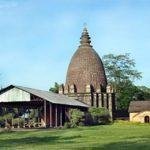
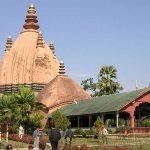
The temple is an architectural jewel reflecting the principles of Vastu Shastra and the Nagara style of temple architecture prevalent in Eastern India. The structure is built entirely of stone and is crowned by a soaring Shikhara (spire) that pierces the skyline, symbolizing the axis mundi connecting earth to heaven.
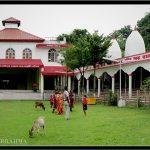
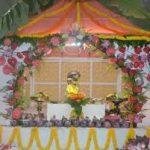
The sanctum (Garbhagriha) houses the idol of Lord Krishna with Radha, adorned with traditional Assamese jewelry and silk dhotis. The temple complex includes a Mandapa (hall) for congregational prayers. The walls feature intricate carvings depicting scenes from the Bhagavad Gita and the life of Krishna, though the style leans more towards geometric precision than the typical floral motifs of Assam. The entire complex is designed to harmonize with the natural landscape, with the Chandra Bharati hill serving as a natural backdrop.
Darshan & Ritual Logistics
The Doul Govinda Temple is open year-round, but the energy peaks during the winter and spring months (November to April) when the weather is pleasant for river cruises and temple visits. The temple priests perform daily rituals, including the Mangala Aarti and Sandhya Aarti.
Daily Darshan Timings
Devotees are advised to check for seasonal variations, especially during festivals.
| Session | Timings | Description |
|---|---|---|
| Morning | 6:00 AM – 1:00 PM | Mangala Aarti, Shringar Darshan |
| Afternoon | 1:00 PM – 4:00 PM | Break (Sanctum cleaning) |
| Evening | 4:00 PM – 8:00 PM | Sandhya Aarti, Shayana Darshan |
Key Sevas & Booking
To perform specific rituals, devotees can book Sevas. While the temple administration is actively digitizing, most bookings are currently managed via local temple offices or authorized representatives.
- Abhishekam: Performed on Ekadashi and special birthdays.
- Archana: Can be performed daily by offering flowers and sweets.
- Online Seva Booking: For 2026, devotees are encouraged to check the official Kamrup district temple portal or visit the temple office 24 hours in advance to confirm availability.
2026 Festival Calendar
The temple is world-famous for its Doul Utsav (Festival of Colors), celebrated a day before the main Holi festival.
- Doul Utsav (Holi): February 27, 2026 (Tuesday). A massive procession (Jatra) with idols of Lord Krishna and Devi Bhogeswari is carried from the Namghar to the Doul Govinda Temple.
- Bhattacharjee Ananda Utsav: January 20, 2026 (Date varies by local calendar).
- Janmashtami: August 14, 2026.
Practical Visitor Guidance
Visiting Doul Govinda Temple requires preparation to ensure a serene experience.
- Dress Code: Traditional attire is recommended. Men should wear dhotis or pants with shirts; women should wear sarees, salwar kameez, or modest western wear. Avoid shorts and sleeveless tops.
- Photography: Photography is generally permitted in the outer courtyards and Mandapas but is strictly prohibited inside the sanctum sanctorum (Garbhagriha).
- Mobile Lockers: While the temple administration does not officially operate large locker facilities, small bags are inspected. It is advisable to carry minimal valuables.
- Crowd Management: During Doul Utsav and weekends, the temple sees heavy footfall. It is best to visit between 7:00 AM and 9:00 AM for a peaceful darshan. In summer (May), the Brahmaputra breeze can be strong; carry water and a cap.
- Accessibility: The temple has steps leading to the main shrine. A ramp has been installed for wheelchair access near the side entrance, though assistance may be required.
Pilgrimage Connectivity
How to Reach
The temple is located in North Guwahati, across the Brahmaputra from the main Guwahati city.
- By Air: Lokpriya Gopinath Bordoloi International Airport (GAU) is the nearest airport, located approximately 25 km away (approx. 1 hour drive via the Saraighat Bridge).
- By Rail: The nearest major railway station is Guwahati Railway Station (GHY) (approx. 12 km). From there, one can take a cab or an auto-rickshaw to the Kachari Ghat ferry ghat to cross the river, or use the direct road route.
- By Road: The temple is well connected via NH 27 and the historic Saraighat Bridge. Buses and private cabs are available from the ISBT Betkuchi and Paltan Bazar areas.
Nearby Sacred Sites
- Ugratara Temple: Located in Guwahati, this is a Shakti Peetha dedicated to Goddess Ugratara.
- Kamakhya Temple: The most revered shrine in Assam, dedicated to Goddess Kamakhya, located on Nilachal Hill.
- Bhateshwara Temple: An ancient temple situated nearby, dedicated to Lord Shiva, known for its natural Shiva Linga.
Photo Gallery

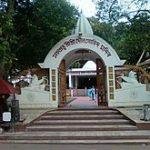
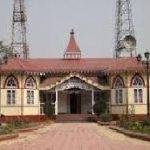
Frequently Asked Questions (FAQ)
1. What is the history of the Doul Govinda Temple?
The temple was established over 150 years ago by Ganga Ram Barooah, who brought the idol from Sandhyasar. The current structure was renovated in 1966 and features rare Orissan Nagara architecture.
2. Is there a VIP Darshan entry available?
While there is no official VIP quota, devotees can purchase special entry passes from the temple counter for priority darshan during regular days. During festivals like Doul Utsav, general lines are enforced for everyone.
3. How can I perform a Rudra Abhishek or Seva online?
Currently, the Doul Govinda Temple does not have a dedicated standalone app for online seva. However, you can contact the temple office or the Kamrup District Administration website for updates on digitized bookings in 2026. Alternatively, authorized priests can perform the seva on your behalf.
4. What is the best time to visit Doul Govinda Temple?
The best time is from October to March for pleasant weather. However, to witness the vibrant culture of Assam, visiting during February/March (Holi) is highly recommended, though it will be crowded.
5. Is accommodation available near the temple?
While the temple complex itself does not have guesthouses, there are several budget hotels and lodges in North Guwahati. For luxury stays, Guwahati city (South bank) offers a wide range of options easily accessible via the bridge.
Contact Details
Official Address:
Doul Govinda Temple,
Doul Govinda Rd, Baruah Souk, North Guwahati,
Guwahati, Assam 781030
Phone: Please contact the Kamrup District Deputy Commissioner’s Office for official inquiries, as direct temple phone lines may vary.
Recent Posts

Shri Kaamkoteeshwar Mandir, Varanasi – History & Significance
In the heart of Kashi, the eternal city of Lord Shiva, where the Ganges flows with celestial grace, stands the Shri Kaamkoteeshwar Mandir. This sacred Sannidhi is not merely a temple but a profound spiritual bridge between the Northern…

ओ सांवरे तूने ही मुझको संभाला – Lyrics & Meaning
ओ सांवरे तूने ही मुझको संभाला – A Prayer to Shyam Origin & Spiritual Essence Why This Bhajan Resonates Devotees chant this when overwhelmed by life’s storms—the refrain ‘तूने ही मुझको संभाला’ is the soul’s sigh of relief: “You…

कथा ये है महाराज मेरे की – Lyrics & Meaning
कथा ये है महाराज मेरे की छत्रपति संभाजी महाराज – A Prayer to Chhatrapati Sambhaji Maharaj Origin & Spiritual Essence Why This Bhajan Resonates Devotees chant this when their spirit feels tested—its powerful refrain “महाराज मेरे” is a soul’s…

Rigveda Samhita Yathartha Anuvada (ऋग्वेद संहिता यथार्थ अनुवाद) – Complete Set with Anvayartha & Hindi/English Translation
The Rigveda is the oldest surviving scripture of humanity and the foundational text of Sanātana Dharma. For serious students, scholars, UPSC aspirants studying ancient Indian history, Sanskrit learners, and spiritual seekers, a precise and grammatically structured translation is indispensable.…

आना भी अकेला है जाना भी अकेला है – Lyrics & Meaning | BharatTemples
आना भी अकेला है जाना भी अकेला है – A Prayer to the Divine Witness Origin & Spiritual Essence Why This Bhajan Resonates Devotees turn to this bhajan in moments of deep reflection—when life’s attachments begin to ache. The…

माता शेरावाली के द्वार जो भी जाता है – Lyrics & Meaning
माता शेरावाली के द्वार जो भी जाता है – A Prayer to Maa Sherawali Origin & Spiritual Essence Why This Bhajan Resonates Devotees turn to this bhajan in times of fear or uncertainty—its promise that no one leaves Maa’s…

मार लेना सपणी उबार लेणा भवरा – Lyrics & Meaning
मार लेना सपणी उबार लेणा भवरा – A Prayer to the Divine Beloved Origin & Spiritual Essence Why This Bhajan Resonates Devotees chant this in moments of deep vulnerability—its cry of “मार लेना सपणी, उबार लेणा भवरा” is the…

हमें श्याम सुंदर भरोसा तुम्हारा – Lyrics & Meaning
हमें श्याम सुंदर भरोसा तुम्हारा – A Prayer to Shyam Sundar Origin & Spiritual Essence Why This Bhajan Resonates Devotees chant this when feeling alone—its refrain ‘de do sahara’ is the soul’s cry for divine support. Lyrics in Hindi…

Mere Satguru Ne Di Thi Davai Lyrics in Hindi & Meaning
Mere Satguru Ne Di Thi Davai: Invoking the Guru’s Liberating Wisdom This soul-stirring bhajan venerates the Satguru (True Spiritual Master) as the divine physician who dispenses the only remedy for life’s deepest sufferings. Composed by Sant Karmaveer Tufani, it…

Janm Diyo Thari Maa Dukh Dekhiyo Lyrics in Hindi & Meaning
जन्म दियो थारी माँ दुख देखियो (Maa’s Grief Upon Birthing You) This soul-stirring Chetavani Bhajan (admonitory hymn) is addressed to the Divine Mother (Maa) – a call for repentance when children forget their filial duties in the dark age…