The Definitive Pilgrimage Guide to Gavi Gangadhareshwara Temple, Bangalore
By Lead Heritage Architect & SEO Strategist, bharattemples.com
1. Introduction & Spiritual Essence
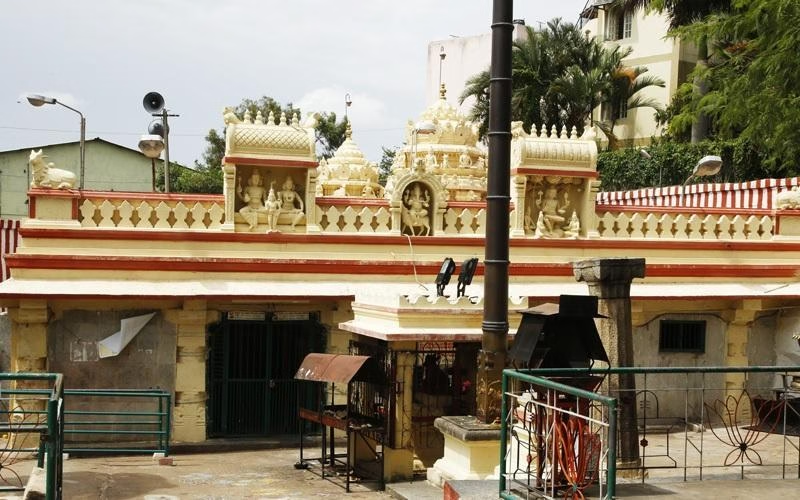
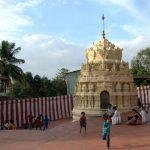
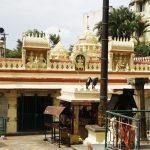
Amidst the bustling modernity of Bangalore lies a silent monolithic witness to the city’s ancient soul: the Gavi Gangadhareshwara Temple (also known as Gavipuram Cave Temple). Dedicated to Lord Shiva (Gangadhareshwara, the Lord of the Ganga), this sacred site is a sanctuary of profound peace and spiritual energy.
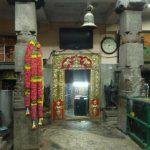
The Deity and Form: The presiding deity is a Swayambhu (self-manifested) Shivalinga housed within a natural cave. The temple is unique for its rare idol of Agni (God of Fire), depicted with two heads, seven hands, and three legs—a form believed to cure eye ailments and bring spiritual illumination. An exquisite sculpture of Shakti Ganapathi (Ganesha with Shakti) adorns the entrance.
Phalaśruti (Spiritual Benefits): Devotees visit to:
Cleanse Ancestral Karma: Offering prayers to the Gangadhareshwara Linga is believed to nullify negative planetary influences.
Gain Wisdom: The cave environment, distinct from modern architecture, induces deep meditative states, aiding focus and mental clarity.
Eye Health: Worshipping the Agnimurthi is traditionally associated with the curing of eye defects and improving vision (both physical and spiritual).
Built by: Kempe Gowda I, the founder of Bangalore.
Century: 16th Century AD (approx. 1537).
Significance: This is one of the oldest structural temples in Bangalore.
The Legend of Construction: According to historical accounts, Kempe Gowda I was imprisoned by Rama Raya (the Raya of Vijayanagara) for five years. Upon his release, he built this temple in gratitude for his freedom. The temple was constructed using rock-cut architecture, blending natural caves with structural additions.
Sthala Purana (Local Legend): Tradition holds that the temple was built over a natural cave that existed in the Gavipuram hillock. The name “Gavi” means cave, and “Gangadhareshwara” refers to Lord Shiva carrying the River Ganga in his matted locks. The site is believed to be a gateway to the netherworld, protected by the massive stone discs (Surya Chandra) at the entrance.
3. Architectural Marvels
The temple is a masterpiece of Indian Rock-Cut Architecture, specifically the cut-in caves style prevalent in the Deccan region.
Natural Cave Structure: Unlike temples built from quarried stones, the sanctum of Gavi Gangadhareshwara is carved out of a single monolithic granite boulder.
The Forecourt (Mandapa): The courtyard features four monolithic pillars representing Damaru (drum), Trishul (trident), and two ceremonial fans.
The Solar and Lunar Discs: The most striking feature is the two giant discs placed in the forecourt. One represents the Sun (Surya) and the other the Moon (Chandra), symbolizing the passage of time and cosmic cycles.
Nandi Sculpture: A beautifully proportioned Nandi (bull) statue faces the sanctum. The horns of this Nandi are architecturally aligned to channel sunlight.
Alignment Phenomenon: The temple is an astronomical marvel. On specific days, particularly around Makara Sankranti (January 14), the setting sun passes directly between the horns of the Nandi statue and illuminates the Shivalinga inside the dark cave. This proof of ancient technical excellence highlights the builders’ knowledge of solar geometry.
Online Booking: While local management handles many rituals, devotees can check the Karnataka Tourism portal or contact the temple administration desk for specific seva availability in 2026.
2026 Major Festival Dates
Maha Shivaratri: February 26, 2026 (Extended darshan until 2:00 AM).
Makara Sankranti: January 14, 2026 (The Solar Alignment Day—highly crowded, arrive by 4:00 PM).
Kartik Purnima: November 5, 2026.
5. Practical Visitor Guidance
To ensure a smooth and respectful darshan, please adhere to the following guidelines:
Dress Code: Traditional Indian attire is preferred (dhoti/kurta for men, saree/salwar for women). Modest clothing is strictly enforced.
Photography:Prohibited inside the cave sanctum. Photography is allowed in the outer courtyard.
Mobile Lockers: The temple entrance has a cloakroom facility. Electronic items, leather bags, and large backpacks must be deposited before entering the cave.
Accessibility: Due to the ancient rock-cut steps, the inner sanctum is not wheelchair accessible. However, the outer courtyard is level. Elderly visitors are advised to visit during early morning hours when the sun is soft.
Crowd Management & Seasonal Advice
Best Hours: 6:00 AM – 7:30 AM (Brahma Muhurta) offers the quickest darshan with the least crowd.
Seasonal Tip: Bangalore summers (April–May) can be dry. Carry a water bottle as the cave interior remains cool, but the queue is outdoors.
Monsoon: The stone steps can become slippery in July/August. Wear rubber-soled footwear with good grip.
6. Pilgrimage Connectivity
The temple is centrally located in South Bangalore, making it accessible via multiple modes of transport.
Nearest Airport: Kempegowda International Airport (BLR). Take the Airport Shuttle to Majestic, then the Metro.
Nearest Railway Station: Bangalore City Railway Station (KSR Bengaluru, 6 km away).
Metro Connectivity: The nearest station is South End Circle (Green Line), approximately 1.5 km away. Autos are readily available.
By Road: Located off Margosa Road near KG Road. Accessible via NH 75 (Mysore Road) via the Sirsi Circle junction.
Nearby Sacred Sites (Pilgrimage Circuit)
Sri Gavi Gangadhareshwara Temple (Gavipuram): The main destination.
Bull Temple (Dodda Ganesha Temple): Located in Basavanagudi (3 km away). Famous for the massive monolithic Nandi statue.
Sri Ragi Gudda (Sri Venkateshwara Temple): A hilltop temple offering panoramic views of Bangalore, located 2.5 km away.
7. Frequently Asked Questions (FAQ)
1. Is there a VIP Darshan entry?
No, the temple administration maintains an egalitarian approach. However, there is a separate queue for senior citizens and specially-abled visitors.
2. Can we carry Prasadam from home?
Yes, home-cooked vegetarian food (fruits, sweets) can be carried for personal offering. However, outside food is not allowed inside the sanctum. Strictly avoid non-vegetarian items and alcohol.
3. What is the significance of the Agnimurthi idol?
The Agnimurthi (Fire God) is a rare deity with two heads. In Vedic tradition, this form absorbs negativity. It is specifically worshipped for relief from eye diseases and to overcome legal disputes.
4. Is the temple open on all days?
Yes, the temple is open 365 days a year. It usually closes briefly in the afternoon (12:00 PM – 5:00 PM) for rituals and rest.
5. Where can I park my vehicle?
Limited parking is available on the main road near the temple entrance. For large vehicles, parking near the Basavanagudi market area is recommended.
ओ सांवरे तूने ही मुझको संभाला – A Prayer to Shyam Origin & Spiritual Essence Why This Bhajan Resonates Devotees chant this when overwhelmed by life’s storms—the refrain ‘तूने ही मुझको संभाला’ is the soul’s sigh of relief: “You…
कथा ये है महाराज मेरे की छत्रपति संभाजी महाराज – A Prayer to Chhatrapati Sambhaji Maharaj Origin & Spiritual Essence Why This Bhajan Resonates Devotees chant this when their spirit feels tested—its powerful refrain “महाराज मेरे” is a soul’s…
The Rigveda is the oldest surviving scripture of humanity and the foundational text of Sanātana Dharma. For serious students, scholars, UPSC aspirants studying ancient Indian history, Sanskrit learners, and spiritual seekers, a precise and grammatically structured translation is indispensable.…
आना भी अकेला है जाना भी अकेला है – A Prayer to the Divine Witness Origin & Spiritual Essence Why This Bhajan Resonates Devotees turn to this bhajan in moments of deep reflection—when life’s attachments begin to ache. The…
माता शेरावाली के द्वार जो भी जाता है – A Prayer to Maa Sherawali Origin & Spiritual Essence Why This Bhajan Resonates Devotees turn to this bhajan in times of fear or uncertainty—its promise that no one leaves Maa’s…
मार लेना सपणी उबार लेणा भवरा – A Prayer to the Divine Beloved Origin & Spiritual Essence Why This Bhajan Resonates Devotees chant this in moments of deep vulnerability—its cry of “मार लेना सपणी, उबार लेणा भवरा” is the…
हमें श्याम सुंदर भरोसा तुम्हारा – A Prayer to Shyam Sundar Origin & Spiritual Essence Why This Bhajan Resonates Devotees chant this when feeling alone—its refrain ‘de do sahara’ is the soul’s cry for divine support. Lyrics in Hindi…
Mere Satguru Ne Di Thi Davai: Invoking the Guru’s Liberating Wisdom This soul-stirring bhajan venerates the Satguru (True Spiritual Master) as the divine physician who dispenses the only remedy for life’s deepest sufferings. Composed by Sant Karmaveer Tufani, it…
जन्म दियो थारी माँ दुख देखियो (Maa’s Grief Upon Birthing You) This soul-stirring Chetavani Bhajan (admonitory hymn) is addressed to the Divine Mother (Maa) – a call for repentance when children forget their filial duties in the dark age…
Bhadi Sabha Mein Thane Manaun: Invoking the Spear-Wielding Mother Mata Bhawani (श्री ज्वाला भवानी), the fiery manifestation of Shakti worshipped as the Protector of Dharma in Her Dhaulagarh sanctum. Origin & Spiritual Essence Composed in Rajasthani folk tradition by…